
In Singapore’s tropical, highly humid climate, babies sweat frequently, making their clothing a hotspot for moisture, friction, and trapped residue. Choosing a baby laundry detergent (often searched locally under terms like “sabun cuci baju” for gentle family care) requires balancing two competing needs: the formula must be powerful enough to break down tough organic stains like breastmilk, formula, and diaper leaks, yet gentle enough not to disrupt a baby’s delicate, developing skin barrier. Because a baby’s skin is up to 30% thinner than an adult’s, it is highly susceptible to absorbing chemical residues left behind on fabrics.
Many families live in high-rise apartments or HDB flats where laundry is dried indoors or in semi-enclosed service yards. This indoor drying environment requires detergents that rinse out completely; otherwise, trapped chemical residues combined with slow-drying moisture can create a breeding ground for musty odors and skin-irritating bacteria. When searching for a suitable detergent for your little one, the goal is to find a formula that effectively lifts stubborn organic stains while leaving absolutely zero irritating residue on the fabric fibers.
Key Criteria for Evaluating Baby Laundry Detergents
When evaluating baby laundry detergents, understanding the distinction between “unscented” and “fragrance-free” is critical for protecting sensitive skin. Unscented products often contain chemical masking agents designed to neutralize the natural smell of the raw ingredients, resulting in a neutral scent that can still trigger allergic reactions. Truly fragrance-free formulations, on the other hand, contain absolutely no added fragrance chemicals or masking agents, making them the safest choice for highly reactive skin.
Products mentioned in this guide
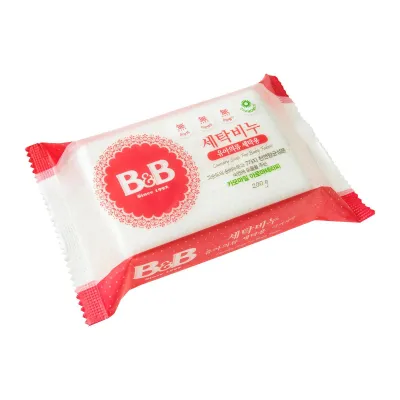
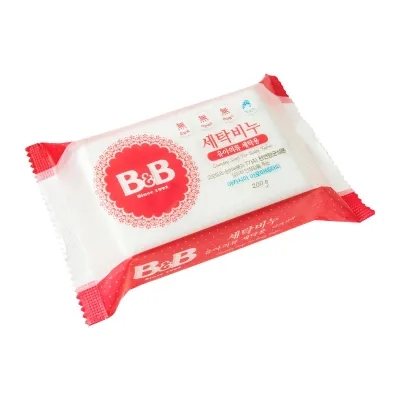
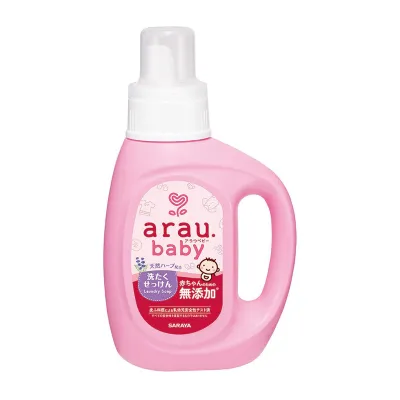
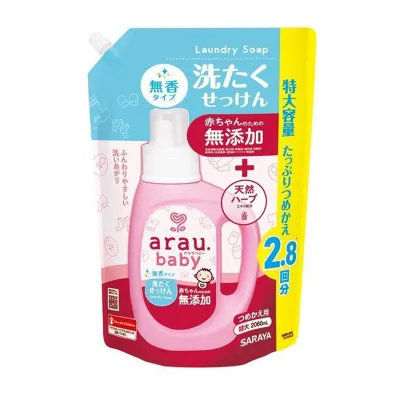
Prices are valid at publication and may change. Please refer to the product page for the latest price.
Surfactants, or surface-active agents, are the core cleaning ingredients in any detergent. They work by lowering the surface tension of water, allowing it to wet fabrics more thoroughly and surround, lift, and suspend oils and dirt so they can be washed away. For baby laundry, the source and structure of these surfactants matter immensely. Petroleum-based surfactants, such as linear alkylbenzene sulfonate, are highly effective and inexpensive, but they can be harsh on sensitive skin if any residue remains on the clothing. In contrast, plant-derived surfactants—often sourced from coconut, palm kernel, or corn (such as coco-glucoside, decyl glucoside, or lauryl glucoside)—are generally milder. These plant-based alternatives tend to have a more favorable dermatological profile, meaning they are less likely to disrupt the delicate lipid barrier of a baby’s skin during contact. Furthermore, their molecular structure often allows them to rinse away more cleanly in standard washing machine cycles, reducing the risk of post-wash fabric stiffness.
Enzymes are specialized proteins that act as catalysts to accelerate the breakdown of specific types of organic stains. In baby laundry, stains are predominantly organic: breastmilk and formula contain proteins and lipids; baby purees contain starches and sugars; and diaper leaks contain complex organic matter. To tackle these, detergents utilize specific enzymes: proteases break down protein-based stains (like milk and spit-up), amylases target starches (like baby cereal), and lipases break down fats and oils. While enzymes are incredibly efficient at stain removal at lower temperatures, they can occasionally pose a challenge for highly reactive skin. If a detergent is not thoroughly rinsed from the fabric, active enzymes can remain bound to the fibers. When the baby sweats, these enzymes can reactivate on the skin, potentially causing localized redness or irritation, particularly in infants with compromised skin barriers or active eczema. For babies with extremely sensitive skin, parents may need to choose an enzyme-free (often labeled as “non-bio”) detergent, relying instead on pre-treating stains and using warmer wash cycles to achieve cleanliness.
Ingredients to Avoid for Sensitive Baby Skin
Optical brighteners are synthetic chemicals added to many conventional detergents to make fabrics appear whiter and brighter. They achieve this effect by absorbing invisible ultraviolet light and emitting it as visible blue light, masking the natural yellowing of fabrics over time. Crucially, optical brighteners do not contribute to the actual cleanliness of the garment; instead, they are designed to remain chemically bonded to the fabric fibers even after multiple rinse cycles. For an infant with sensitive skin, these lingering chemicals can act as mechanical and chemical irritants. As the baby moves, the friction of the brightener-coated fabric against their skin can trigger contact dermatitis, leading to localized rashes, itching, and discomfort.

Synthetic dyes and colorants are another category of completely non-functional additives. They are added solely to give the liquid or powder detergent an appealing color in the bottle. Because these dyes serve no cleaning purpose and are known contact allergens, they should be entirely avoided in baby laundry formulations.
Preservatives are necessary in liquid detergents to prevent the growth of bacteria, mold, and yeast in the bottle, especially in warm, humid climates. However, certain harsh preservatives are notorious skin sensitizers. Isothiazolinone compounds, such as methylisothiazolinone (MIT) and methylchloroisothiazolinone (CMIT), have been widely linked to allergic contact dermatitis. When evaluating baby detergents, it is vital to check that these specific preservatives are absent. Additionally, strong sulfates like Sodium Lauryl Sulfate (SLS) should be avoided, as they are highly efficient at stripping away the natural oils that protect the baby’s skin barrier, leaving it dry and vulnerable to environmental triggers.
It is also important to deconstruct the “natural” or “organic” marketing claims often found on premium detergent bottles. While these terms suggest safety, they do not automatically guarantee that a product is hypoallergenic or suitable for eczema-prone skin. For instance, many natural detergents utilize essential oils (such as lavender, eucalyptus, or citrus oils) to provide a pleasant scent. While these ingredients are plant-derived, they contain volatile organic compounds that are common allergens and can easily irritate a baby’s airways and sensitive skin. A truly gentle detergent for sensitive skin should prioritize being fragrance-free over simply being “natural.”
How to Read Detergent Labels and Certifications
Navigating the marketing claims on detergent packaging requires a critical eye, as terms like “dermatologist-tested,” “clinically proven,” and “hypoallergenic” carry less regulatory weight than most consumers assume. “Dermatologist-tested” simply means that a dermatologist was involved in some stage of product testing, but it does not mandate that the product passed with a perfect safety record or that the test group included individuals with highly sensitive skin. Similarly, “hypoallergenic” is a self-regulated term indicating that the manufacturer believes the product is less likely to cause allergic reactions, but there is no standardized, legally binding global test required to claim this on a label.
To find truly reliable formulations, parents should look for independent, third-party certifications that require rigorous ingredient screening. The National Eczema Association (NEA) Seal of Acceptance is a highly regarded benchmark; products with this seal have been evaluated to ensure they do not contain known skin irritants or common allergens at levels known to cause reactions. Other reputable international standards include Allergy Certified, Asthma Allergy Nordic, and the OEKO-TEX Standard 100 (which certifies that the finished textile or the detergent used on it is free from harmful levels of toxic substances).
Because packaging space is limited, manufacturers often omit a full ingredient list on the physical bottle, listing only broad categories like “anionic surfactants” or “preservatives.” To make an informed decision, parents should visit the brand’s official website to review the complete ingredient disclosure or the Safety Data Sheet (SDS). A brand that demonstrates complete transparency by listing every single ingredient, including the specific preservatives and surfactants used, is generally more trustworthy for parents managing severe skin sensitivities.
Building Your Shortlist: Matching Detergent Formats to Washing Needs
When building a shortlist of baby laundry detergents, selecting the right format is just as important as analyzing the ingredient list. Liquid detergents are generally the most practical and safest choice for sensitive skin. Because they are already in liquid form, they dissolve rapidly and completely in water, even at ambient tap temperatures (which typically range from 25°C to 30°C in Singapore). This rapid dissolution minimizes the risk of undissolved detergent particles trapping themselves within the weave of baby clothes, swaddles, or reusable cloth diapers.
Powder detergents, while often more economical and packaged in eco-friendly cardboard, present a higher risk of leaving residue. If a washing machine is overloaded, or if the water flow is insufficient, powder detergents can clump and fail to dissolve entirely. These dry, alkaline powder deposits can remain on the clothing post-wash, causing immediate skin irritation and dryness when they come into contact with a baby’s sweat. If you prefer using powder, it is essential to dissolve the powder in warm water before adding it to the machine, or ensure you run an extended rinse cycle.
Detergent pods or capsules offer pre-measured convenience but come with distinct trade-offs. Pods do not allow for dosage customization. If you are washing a very small load of baby clothes, a single pod may contain far too much detergent for the water volume, leading to excessive suds that cannot be fully rinsed away. This is particularly problematic in high-efficiency (HE) front-loading washing machines, which are common in modern apartments. HE machines use minimal water, meaning that over-dosing detergent quickly leads to a soapy film coating the entire load. For baby laundry, where loads are frequent but often small, liquid detergents provide the precise dosage control needed to prevent over-sudsing and ensure a thorough rinse.
To manage tough organic stains like milk, purees, or diaper leaks without resorting to harsh, full-strength chemical detergents, a targeted pre-treatment strategy is highly effective. Instead of washing the entire load in a heavy-duty detergent, parents can apply a small amount of gentle liquid baby detergent directly to the stain, gently rubbing the fabric together, and letting it sit for 10 to 15 minutes before running a standard gentle cycle. This localized treatment breaks down the organic matter without exposing the rest of the garment—and subsequently the baby’s skin—to unnecessary chemical concentrations.
Safe Testing and Transitioning to a New Detergent
Introducing a new detergent to your baby’s laundry routine should always be done systematically rather than all at once. A fabric patch-testing routine is an excellent way to monitor for potential skin reactions without exposing your baby’s entire body to a new formula. To perform a patch test, select a single, small item that comes into direct, prolonged contact with your baby’s skin, such as a cotton swaddle, a crib sheet, or a single onesie. Wash this individual item with the new detergent, ensuring you do not use any other laundry additives like fabric softeners or scent boosters.
Once washed and dried, have your baby wear the onesie or sleep on the sheet for a full 24 to 48 hours. During this period, closely monitor their skin for any observable signals of irritation. Look for localized redness, dry or rough patches, tiny raised bumps, or signs of physical discomfort such as unexplained fussiness, rubbing, or scratching at their clothes. Pay close attention to areas where clothing fits snugly or where friction is highest, such as around the neck, wrists, waistband, and thighs.
If you observe any signs of skin irritation, immediately stop using the new detergent and re-wash the affected items in a known safe detergent or plain water to remove any lingering residues. For mild redness or dryness, keeping the skin clean and well-moisturized with a gentle, pediatrician-approved emollient is often sufficient. However, if the rash is widespread, persistent, causes significant distress, or if the skin becomes broken, oozing, or shows signs of infection, consult a pediatrician or a pediatric dermatologist immediately. Never attempt to self-diagnose or apply medicated creams without professional medical guidance.
Frequently Asked Questions (FAQ)
Do I need a separate detergent for baby clothes and adult clothes?
Whether you need a dedicated baby detergent depends largely on your baby’s individual skin sensitivity and your household’s laundry habits. If your baby has normal, non-reactive skin, maintaining two separate laundry routines is often unnecessary and highly inconvenient. Instead, many families find it more practical and cost-effective to transition the entire household’s laundry to a single, high-quality, fragrance-free, gentle detergent. This consolidated approach simplifies chores and ensures that when your baby cuddles against your adult clothing, their skin does not come into contact with harsh perfumes or optical brighteners from standard adult detergents. However, if your baby suffers from active eczema, severe allergies, or highly reactive skin, keeping their laundry separate remains highly recommended. This separation prevents any cross-contamination from heavily soiled adult workwear, sports gear, or residual fragrances left behind in the washing machine drum.
Can I use fabric softener with baby laundry detergent?
No, fabric softeners and dryer sheets should generally be avoided when laundering baby garments, bedding, and towels. Traditional fabric softeners work by depositing a thin, waxy chemical film over the fabric fibers to make them feel artificially soft to the touch. This chemical coating can significantly reduce the breathability of cotton fabrics—a critical drawback in Singapore’s hot, humid climate, where trapped heat and sweat can quickly lead to painful heat rashes. Furthermore, this waxy buildup can severely compromise the absorbency of essential items like cotton bath towels and reusable cloth diapers, rendering them less effective over time. Most importantly, fabric softeners can coat and degrade the flame-resistant properties of baby sleepwear, posing a safety hazard. Instead of chemical softeners, check the manufacturer’s care labels on your baby’s garments; most will explicitly advise against their use. To keep clothes soft naturally, ensure your washing machine is not overloaded, use the correct dosage of liquid detergent to prevent soapy buildup, and consider line-drying in a well-ventilated area.
Community discussion
Share your experience or ask a question. Comments are reviewed before publication.