
To choose the right zinc oxide diaper cream in Singapore, parents must balance effective moisture protection with the challenges of a hot, humid tropical climate. The ideal choice depends on whether you are looking for a lightweight daily barrier to prevent chafing or a thick, high-concentration paste to shield compromised skin. By evaluating the concentration of zinc oxide, selecting the appropriate base formulation, and avoiding common local environmental triggers like trapped sweat, you can keep your baby’s skin dry and comfortable.
Understanding Zinc Oxide for Nappy Rash Prevention
Zinc oxide is a time-tested mineral ingredient that serves as the cornerstone of diaper rash prevention. Unlike moisturizers that are designed to absorb deeply into the skin, zinc oxide is an insoluble compound. When formulated into a topical cream or ointment, it remains on the surface of the skin, creating a physical, hydrophobic (water-repelling) shield. This shield is crucial because the primary triggers of diaper rash—formally known as irritant diaper dermatitis—are prolonged exposure to wetness, friction from the diaper, and the chemical irritants present in urine and stool.
In the warm and humid climate of Singapore, the diaper area is particularly vulnerable. The constant heat causes babies to sweat, and when this sweat is trapped inside a synthetic diaper along with urine, the skin’s outermost layer (the stratum corneum) becomes overhydrated and fragile. This state of overhydration, known as maceration, makes the skin highly susceptible to damage from friction. Every time your baby moves, the diaper rubs against this weakened skin, leading to micro-tears and painful chafing. Furthermore, enzymes present in stool, such as proteases and lipases, become highly active in the presence of urine, which raises the pH of the diaper environment. These active enzymes directly break down the skin’s protective proteins, leading to rapid inflammation and redness.
Products mentioned in this guide
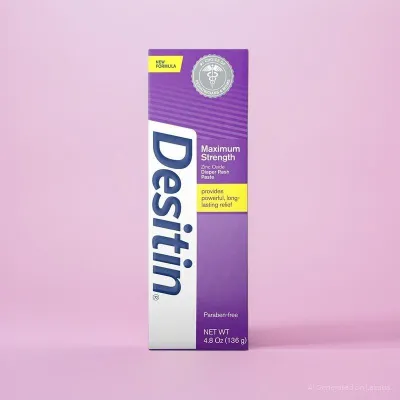
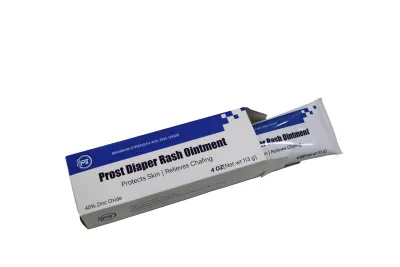
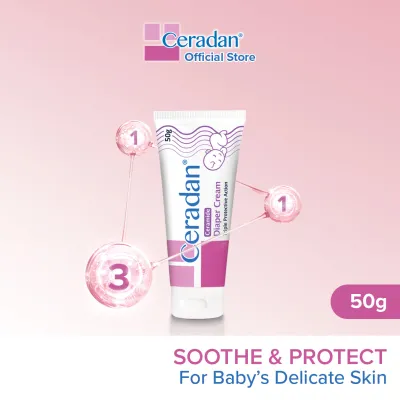
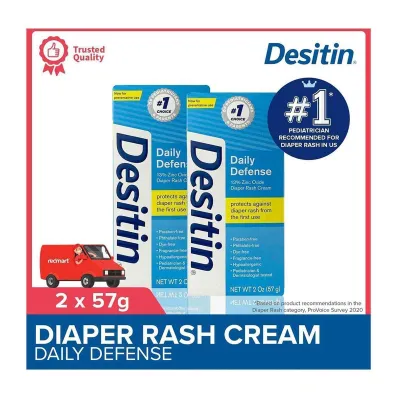
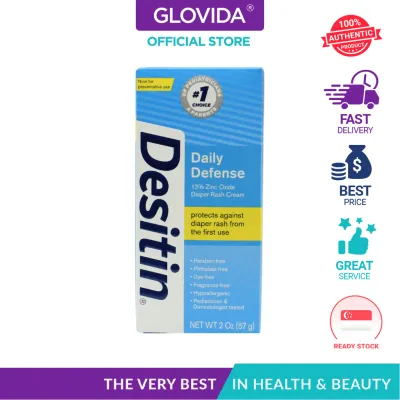
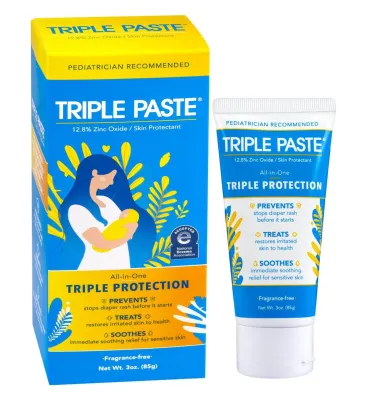
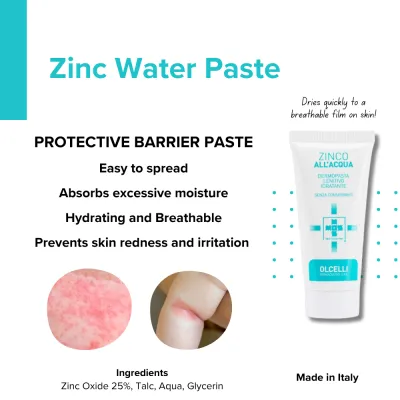
Prices are valid at publication and may change. Please refer to the product page for the latest price.
A zinc oxide barrier cream addresses these challenges by physically blocking these irritants from making contact with the skin. Because water cannot easily penetrate a zinc oxide layer, urine and liquid stool slide off the barrier rather than soaking into the skin. Additionally, the smooth, creamy texture of the formulation lubricates the skin’s surface, drastically reducing the friction caused by the constant movement of the diaper. This dual action—moisture repulsion and friction reduction—makes zinc oxide an exceptionally effective preventive tool.
However, parents must distinguish between daily preventive care and the treatment of an active, severe rash. Daily prevention focuses on maintaining a light, breathable barrier that keeps healthy skin protected without causing product buildup. In contrast, treating an existing rash requires a much more robust, high-concentration formulation that can shield already compromised skin while it heals. While zinc oxide is excellent for protecting the skin and allowing it to recover from simple irritation, it is not a cure-all.
It is vital to recognize when over-the-counter zinc oxide creams are no longer sufficient and a pediatrician’s evaluation is required. If your baby’s diaper rash is caused by a secondary infection, such as a yeast infection (typically caused by Candida albicans) or a bacterial infection, zinc oxide will not resolve the issue. Yeast thrives in warm, moist environments like a diaper in Singapore’s tropical climate. A yeast infection usually presents as a bright red, shiny rash with distinct borders and small “satellite” red bumps or pustules spreading outward into the groin creases. If you notice these signs, or if the rash begins to bleed, peel, ooze, or is accompanied by a fever, you should stop using standard barrier creams and consult a healthcare professional immediately for targeted prescription treatments.
Key Factors to Evaluate Before Buying
When shopping for a zinc oxide diaper cream in Singapore, you will encounter a wide variety of formulations, concentrations, and bases. Selecting the right product requires understanding how these variables align with your baby’s skin type, daily routine, and the local environmental conditions.

The first factor to evaluate is the concentration of zinc oxide, which is always listed as a percentage on the product label. This percentage directly correlates with the thickness and protective strength of the barrier. Low-concentration creams, typically containing between 10% and 15% zinc oxide, are ideal for daily preventive use. These formulations are lighter, easier to spread over large areas, and can be wiped away gently during routine diaper changes without requiring aggressive scrubbing. They provide a sufficient barrier for daytime use when diapers are changed frequently. On the other hand, high-concentration formulations, which contain between 30% and 40% zinc oxide, are designed for maximum protection. These thick, paste-like creams are highly resistant to moisture and are best reserved for overnight use, long car rides, or periods when diaper changes might be delayed. They are also the preferred choice when the skin is already showing signs of moderate redness and needs an impenetrable shield to heal.
The base of the diaper cream—whether it is an ointment or a cream—plays a significant role in how the product behaves on your baby’s skin, especially in Singapore’s tropical climate. Ointment bases are typically formulated with hydrophobic lipids like petroleum jelly, mineral oil, or paraffin. These bases are exceptionally occlusive, meaning they lock in moisture and provide a highly durable barrier against external wetness. While this is excellent for overnight protection, heavy ointments can sometimes trap sweat and heat against the skin during hot, humid afternoons, potentially leading to heat rash (miliaria) if the diaper area is not completely dry before application. In contrast, cream bases are emulsions of water and oil. They are lighter, more breathable, and absorb excess moisture more readily than ointments. Cream bases are often preferred for daytime use in Singapore because they feel less greasy, spread effortlessly, and allow the skin to breathe while still maintaining a protective zinc oxide barrier.
Another critical consideration is the presence of potential irritants in the formulation. Because a baby’s skin barrier is up to 30% thinner than an adult’s, it is highly sensitive to synthetic chemicals and allergens. Parents should carefully inspect the ingredient list and avoid products containing added synthetic fragrances or perfumes. While a pleasant scent might seem appealing, fragrances are among the most common triggers for contact dermatitis and can severely irritate skin that is already compromised by diaper friction. Similarly, look for formulations that are free from parabens, which are synthetic preservatives that some parents prefer to avoid, and alcohol, which can dry out and sting sensitive skin. Be cautious with products containing essential oils, such as lavender, tea tree, or eucalyptus. Although these are often marketed as natural remedies, they contain volatile compounds that can cause allergic sensitization or direct irritation on a baby’s delicate skin. Opting for fragrance-free, minimalist ingredient lists is the safest approach for daily diaper care.
Building Your Shortlist: What to Look for on the Label
Creating a shortlist of suitable zinc oxide diaper creams involves looking beyond the marketing claims on the front of the packaging and conducting a thorough review of the product label. This systematic approach ensures that the cream you choose is both safe and effective for your baby’s specific needs.
Start by verifying claims such as “hypoallergenic,” “dermatologist-tested,” or “pediatrician-approved.” While these terms are not tightly regulated by a single global standard, they generally indicate that the manufacturer has subjected the formulation to clinical patch testing on human volunteers to ensure a low incidence of allergic reactions. A truly hypoallergenic product will be formulated without common allergens like lanolin (which can trigger allergies in some infants), gluten, or common food-derived oils if your baby has known sensitivities. Look for certifications or seals from recognized dermatological associations, which provide an extra layer of reassurance regarding the product’s safety profile.
Next, evaluate the inactive ingredients to distinguish between beneficial soothing additives and unnecessary fillers or dyes. High-quality zinc oxide creams often incorporate secondary ingredients that actively support skin healing and hydration. Look for ingredients like panthenol (provitamin B5), which is known for its skin-regenerating properties, and allantoin or bisabolol (derived from chamomile), which help soothe localized inflammation and redness. Natural emollients like shea butter, cocoa butter, or sunflower seed oil are also excellent additions, as they help nourish the skin barrier without clogging pores. Conversely, you should avoid products that contain artificial dyes or colorants (often listed as CI followed by a number). These additives serve purely aesthetic purposes and add unnecessary chemical complexity to a product that is meant to calm irritated skin.
It is also essential to review the manufacturer’s age recommendations and specific usage instructions. Some diaper creams are formulated specifically for older infants and may not be suitable for newborns or premature babies whose skin barriers are not yet fully developed. The label should clearly state if the product is safe for use from birth. Additionally, check the instructions for any specific application warnings. For instance, if you use cloth diapers, you must verify if the cream is compatible with them. Standard zinc oxide creams are highly water-resistant and can leave a greasy residue on cloth diapers that is extremely difficult to wash out. This residue can clog the fabric fibers, causing the diapers to repel liquid instead of absorbing it, leading to leaks. If you use cloth diapers, look for zinc oxide creams specifically labeled as “cloth diaper safe,” which typically use specialized bases that wash out more easily.
Finally, pay close attention to expiry dates and storage requirements. Active ingredients like zinc oxide are suspended in an emulsion of water and oils. In Singapore’s hot and humid environment, prolonged exposure to high temperatures can cause this emulsion to break down, leading to phase separation where the oil and water split, and the zinc oxide settles at the bottom of the tube. When this happens, the cream may come out watery or clumpy, and the active ingredient will not be distributed evenly on your baby’s skin, rendering the barrier ineffective. Always check the expiration date before purchasing, and look for the Period After Opening (PAO) symbol—represented by an open jar icon with a number followed by “M” (e.g., 12M for 12 months)—to know how long the product remains stable after you first open it. Store the cream in a cool, dry place, away from direct sunlight and humid bathrooms, to preserve its structural integrity.
Application and Safety Checks for Daily Use
Even the highest-quality zinc oxide diaper cream will not perform effectively if it is applied incorrectly. Establishing a proper application routine and knowing how to monitor your baby’s skin are essential steps in preventing diaper rash and ensuring safety.
The absolute golden rule of applying any barrier cream is to ensure that the baby’s skin is completely clean and dry before application. Because zinc oxide forms a highly effective, waterproof seal, it will trap whatever is underneath it. If you apply the cream to skin that is still damp from a bath, a wet wipe, or sweat, you are locking that moisture directly against the skin. In Singapore’s warm climate, this trapped moisture creates a perfect breeding ground for bacteria and yeast, which can rapidly turn a mild friction rub into a severe, painful infection. After cleaning the diaper area with a gentle, fragrance-free wipe or lukewarm water, always pat the skin dry with a clean, soft towel. Whenever possible, allow your baby to have a few minutes of “diaper-free time” to let the skin air-dry completely before applying the cream.
When it comes to the thickness of the application, the technique should match your preventive or treatment goals. For daily preventive care, a thin, translucent layer is all that is required. You should be able to see the baby’s skin through the cream. This thin layer provides an adequate barrier against friction and moisture while remaining easy to clean off during the next change. However, if you are applying the cream before bedtime or if the skin is already showing signs of mild redness, you should apply a thick, opaque layer—similar to frosting a cake. Do not try to rub this thick layer into the skin like a lotion. It is meant to sit on top of the skin as a physical shield. This thick application ensures that even if the diaper becomes saturated overnight, the urine cannot penetrate the barrier to irritate the skin.
While applying the cream, always monitor your baby’s skin for any adverse reactions. Although zinc oxide itself is incredibly gentle and rarely causes allergic reactions, other ingredients in the cream—such as preservatives, fragrances, or botanical extracts—can trigger contact allergies. If you notice that the skin becomes increasingly red, swollen, or develops tiny, itchy bumps immediately after you start using a new cream, stop using the product immediately. Wash the area gently with lukewarm water and a mild soap to remove any remaining residue, and switch to a minimalist, single-ingredient barrier like pure petroleum jelly until you can consult a professional.
Finally, parents must know when to stop using over-the-counter creams and seek professional medical advice. A standard diaper rash caused by friction and moisture should begin to improve within 48 to 72 hours of consistent, correct application of a zinc oxide barrier cream. If the rash persists beyond this window, worsens, spreads to other areas of the body (such as the abdomen or back), or if you observe blisters, open sores, pus, or if your baby develops a fever, stop using the cream and consult a pediatrician immediately. These symptoms indicate that the rash may be due to an underlying medical condition or infection that requires prescription-strength antifungal or antibacterial treatments.
Frequently Asked Questions (FAQ)
Can zinc oxide cream be used for every diaper change?
Yes, low-concentration zinc oxide creams (around 10% to 15%) are safe and formulated for routine use at every diaper change, especially if your baby has highly sensitive skin or is prone to frequent irritation. However, if your baby’s skin is healthy, clear, and dry, applying a barrier cream at every single change may not be necessary. In such cases, you can reserve the cream for overnight use or during periods when diaper changes are less frequent, such as during travel. Always refer to the specific product’s label directions for the manufacturer’s recommended usage frequency.
Is it safe to use zinc oxide cream on newborns?
Most standard zinc oxide diaper creams are safe for use on newborns, but because a newborn’s skin barrier is exceptionally thin, permeable, and sensitive, you must exercise extra caution. Always check the product packaging to ensure it is explicitly labeled as safe for newborns or suitable from birth. Avoid formulations that contain added fragrances, essential oils, or harsh preservatives, as these are highly likely to irritate newborn skin. It is always best practice to consult your pediatrician before introducing any new skincare product to a newborn’s routine.
How do I remove stubborn zinc oxide residue from my baby's skin?
Because zinc oxide is designed to be highly water-resistant, it can be difficult to wash off with water alone, and aggressive scrubbing can severely irritate your baby’s delicate skin. To remove stubborn residue gently, soak a soft cotton pad or washcloth in a small amount of gentle baby oil (such as mineral oil or sweet almond oil) or a fragrance-free baby wipe. Gently wipe the area; the oil will naturally dissolve and lift the zinc oxide barrier without requiring friction. Once the residue is removed, gently cleanse the skin with lukewarm water and pat dry.
Community discussion
Share your experience or ask a question. Comments are reviewed before publication.