
To choose the right waterproof wet bag for your child’s swimming lessons, prioritize three core features: a truly waterproof lining (such as TPU or PUL) with heat-sealed seams, a secure closure system (like a water-resistant zipper or roll-top), and a dual-compartment design that separates wet gear from dry clothing.
In Singapore’s warm, humid climate, swimming is a year-round weekly activity for many children. A reliable wet bag is not just a convenience; it is a necessity to prevent dampness, chlorine odors, and pool water from ruining school uniforms, school books, or the interior of your daily tote bag.
By focusing on durable materials, appropriate sizing for your child’s specific gear, and user-friendly designs, you can invest in a bag that lasts through multiple swim terms while keeping the rest of your belongings completely dry.
Products mentioned in this guide
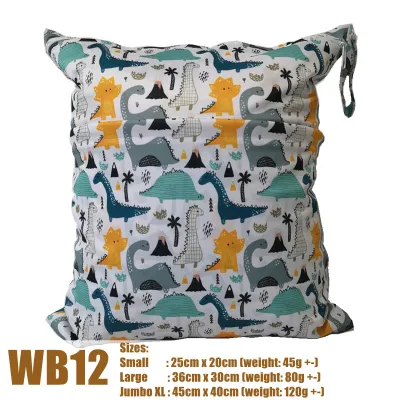
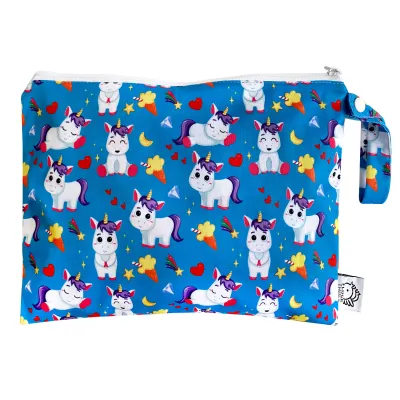


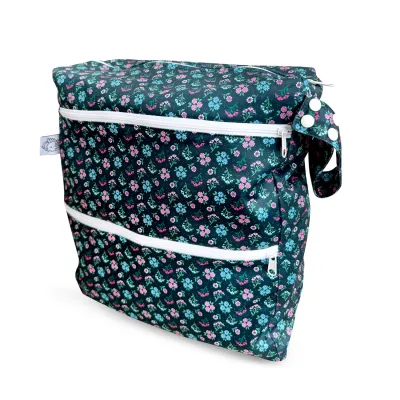
![[Local Shop] Reusable Plain Waterproof Wet Bag Nappy Diaper Nursery Nursing Maternity Childcare Infantcare Mummy Wetbag](https://img.lazcdn.com/g/p/ec62556872de87c5bf97137f364848d5.jpg_400x400q80.jpg_.webp)
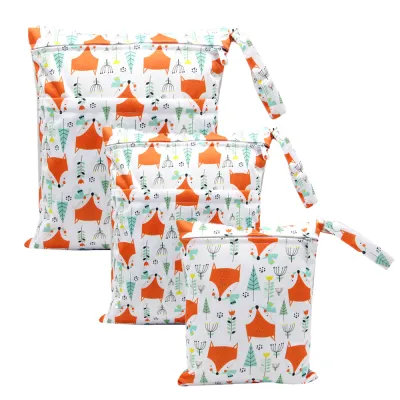
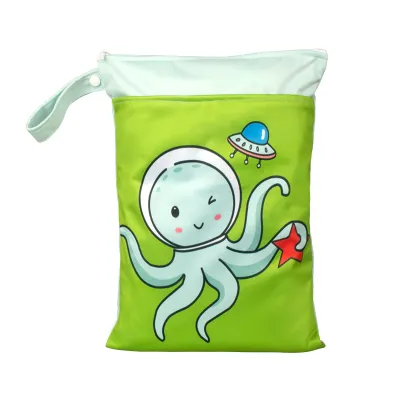
Prices are valid at publication and may change. Please refer to the product page for the latest price.
Why a Dedicated Wet Bag is Essential for Swim Lessons
Weekly swimming lessons are a staple of childhood in Singapore, whether held at public ActiveSG pools, condominium facilities, or private swim schools. After a busy session of splashing and learning, parents are faced with the immediate challenge of transporting dripping swimwear, heavy damp towels, wet goggles, and damp swim caps back home.
For years, the default solution for many families has been the humble single-use plastic bag or a grocery carrier. However, these thin plastic bags are highly prone to tearing from sharp goggle clips or friction, leading to slow leaks that soak through school backpacks or canvas totes. Furthermore, single-use plastics trap moisture in a way that rapidly promotes the growth of mildew and musty odors, especially when left in a warm car or school cubby for several hours in our tropical heat.
A dedicated waterproof wet bag provides an eco-friendly, durable, and highly hygienic alternative. Designed to withstand the rigors of weekly pool visits, these bags are constructed from heavy-duty fabrics that contain moisture and lock in strong chlorine odors.
By keeping the dampness entirely self-contained, a quality wet bag allows your child to pack their wet swimsuit directly alongside their dry school uniforms, textbooks, or clean change of clothes without any risk of color bleeding or water damage. This separation is particularly crucial for children who attend swim lessons directly after school or preschool, where their gear must remain packed away for half the day.
Material and Waterproofing: What Actually Keeps Water In
When shopping for a wet bag, it is easy to get confused by marketing buzzwords like “water-resistant,” “water-repellent,” and “waterproof.” For containing soaked swimwear and dripping towels, water-resistant fabrics (such as standard untreated nylon or polyester canvas) are simply not enough, as moisture will eventually seep through the fibers under pressure.

To ensure true waterproofing, look for bags lined with either Polyurethane Laminate (PUL) or Thermoplastic Polyurethane (TPU). PUL is a polyester fabric with a thin, chemically bonded plastic layer that creates an exceptionally flexible, durable, and waterproof barrier. TPU is a similar membrane but is typically bonded using heat rather than chemical solvents, making it a popular eco-friendly alternative that remains soft, quiet, and highly effective at blocking water.
Even the most waterproof fabric will fail if the construction of the bag is weak. Standard sewing needles create thousands of microscopic punctures along the seams of a bag; if these needle holes are left untreated, water will slowly drip out when the bag is compressed inside a backpack.
To prevent this, look for bags that feature heat-sealed, welded, or taped seams. These manufacturing techniques apply a waterproof tape or use heat to fuse the fabric edges together, completely closing any needle punctures and ensuring the bottom and sides of the bag remain entirely leakproof.
Before making a purchase, always read the manufacturer’s product labels and material specifications carefully. Do not rely solely on generic product titles on online marketplaces; instead, verify that the inner lining explicitly lists PUL or TPU, and check if the description confirms sealed or taped seams to guarantee dependable performance.
Sizing and Capacity: Matching the Bag to Your Child's Gear
Selecting the right size for a wet bag requires analyzing what your child actually brings to their swimming lessons. A bag that is too small will force you to cram wet items inside, putting unnecessary strain on the seams and closures, while an oversized bag can be bulky and difficult for a young child to manage independently.
For toddlers and younger children who only wear a small swimsuit, a swim diaper, and a compact microfiber towel, a small to medium wet bag (typically around 30 by 40 centimeters, or a 5-liter capacity) is usually sufficient. This size easily fits into a standard preschool backpack without taking up excessive space.
For older children or those using thick, fluffy cotton bath towels instead of quick-dry microfiber, you will need a larger bag. A large wet bag (approximately 40 by 50 centimeters, or a 10- to 15-liter capacity) is necessary to accommodate a full-sized towel, a long-sleeve rash guard, goggles, a swim cap, dry undergarments, and a change of clothes.
Portability and who will carry the bag are also critical factors. If your child is expected to carry their own gear to school or the pool, look for a lightweight, compact wet bag that can be folded down when empty or easily slipped into their school schoolbag. If you are the one carrying the gear, a larger multi-bag system or a wet bag with backpack straps might be more practical.
Before buying, measure your child’s dry towel when folded and compare those dimensions to the bag’s specifications to ensure a comfortable fit. Additionally, check the manufacturer’s age recommendations to ensure the bag’s size and weight are appropriate for your child’s developmental stage.
Closure Types: Zippers, Snaps, and Drawstrings for Leak Prevention
The mechanism used to close a wet bag directly determines how well it contains pooled water and damp air, as well as how easily your child can operate it with wet, slippery hands.
Zippers are the most common closure type, offering quick and familiar access for children of all ages. However, standard zippers are not waterproof; water can easily seep through the fabric teeth if the bag is tipped upside down or squeezed. To prevent this, look for bags equipped with water-resistant zippers (which feature a rubberized coating over the teeth) or designs that include a wide fabric storm flap that folds over the zipper line to deflect moisture.
Roll-top closures, similar to those found on outdoor dry bags, offer some of the most reliable leak protection. You roll the top of the bag down three or four times and clip the buckle together, creating a highly secure seal that prevents water from escaping even if the bag is compressed. While highly effective, roll-top closures can sometimes be tricky for very young children to secure properly without adult assistance.
Drawstrings and simple snap-button flaps are generally the least effective at containing leaks and odors. Drawstring closures leave a small opening at the top of the bag, allowing damp air and odors to escape freely, and they can easily leak if the bag is laid flat in a car boot or on a bus seat. Snap buttons do not create a continuous seal, making them suitable only for lightly damp items rather than thoroughly soaked swimwear.
Look for high-quality, durable plastic or rust-resistant metal hardware. Children can be rough on zippers and buckles, so choosing a bag with sturdy, chunky zippers will prevent frustrating breakages during busy changing-room rushes.
Compartments and Organization: Separating Wet, Dry, and Dirty Items
A single-pocket wet bag is useful, but a multi-compartment design elevates organization and makes the post-swim transition much smoother for both parents and kids.
Dual-compartment wet bags, often marketed as “wet/dry bags,” feature two distinct sections. One pocket is lined with fully waterproof TPU or PUL to hold wet swimwear and towels, while the second pocket is made of dry, breathable fabric to store clean underwear, dry clothes, or a dry school uniform. This setup allows your child to carry just one neat bag to the pool instead of juggling multiple plastic bags.
Exterior mesh pockets are incredibly practical for items that need to air out or are frequently misplaced. Storing wet goggles, flip-flops, or travel-sized shampoo bottles in an outer mesh pocket allows them to dry quickly in the open air, preventing the buildup of mold and keeping them easily accessible without opening the main wet compartment.
Another feature to look for is a snap-handle or an adjustable hanging loop. A sturdy strap with a snap button allows you to hang the wet bag from a stroller handlebar, a changing room hook, a pool fence, or a school locker. This keeps the bag off wet, dirty changing room floors, ensuring better hygiene and easier access while dressing your child.
Care and Maintenance: Keeping the Wet Bag Odor-Free
To ensure your waterproof wet bag remains hygienic, odor-free, and fully functional for years, establishing a simple routine care process is essential.
After every swimming lesson, empty the wet bag completely as soon as you return home. Do not leave damp swimwear sitting inside the closed bag overnight, as the trapped moisture, warmth, and chlorine will quickly create a breeding ground for mildew and stubborn, sour odors.
Rinse the interior of the bag with cool, clean tap water to remove residual chlorine, salt, or pool chemicals, which can slowly degrade the waterproof lining over time. Turn the bag completely inside out and hang it in a well-ventilated area away from direct, harsh sunlight to air-dry. In Singapore’s high humidity, drying the bag inside out is particularly important to ensure no moisture remains trapped in the corners.
When washing is required, check the manufacturer’s care label first. Most PUL and TPU wet bags can be gently hand-washed or machine-washed on a cold, delicate cycle with a mild detergent.
Never use bleach, fabric softeners, or harsh stain removers, as these chemicals can break down the waterproof membrane. Crucially, avoid high-heat drying methods, such as tumble dryers or ironing; excessive heat can melt, crack, or delaminate the TPU or PUL lining, permanently destroying the bag’s waterproof capabilities.
Frequently Asked Questions (FAQ)
Can I use a cloth diaper wet bag for swim lessons?
Yes, you can certainly repurpose a cloth diaper wet bag for your child’s swimming lessons. Both types of bags utilize the same highly effective waterproof materials, such as PUL or TPU, to contain moisture and odors. However, keep in mind that diaper wet bags are often designed with a single compartment optimized for soiled diapers. For swim lessons, a dedicated swim wet bag with separate wet and dry compartments or exterior mesh pockets may offer better organization for towels, goggles, and dry clothes. Always verify the bag’s dimensions to ensure it is large enough to hold a damp towel.
How do I test if a wet bag is truly waterproof before using it?
To verify your wet bag’s performance before placing it inside a school backpack, perform a quick, low-risk test at home. First, conduct a visual inspection of the interior seams to ensure the taped or heat-sealed linings are fully intact. Next, place a dry paper towel inside the bag, seal the closure, and gently splash water over the exterior in your sink or bathtub, or place a damp cloth inside the waterproof compartment and gently squeeze the bag over the sink to check for seam leaks. Always follow any specific testing or care guidelines provided by the manufacturer to avoid damaging the bag.
Community discussion
Share your experience or ask a question. Comments are reviewed before publication.