
Selecting a waterproof changing pad is one of the most practical decisions you will make when setting up your nursery. A high-quality pad does more than protect your changing table from inevitable spills and diaper leaks; it provides a secure, hygienic, and comfortable surface for your baby during multiple daily changes. To choose the right waterproof pad, you must prioritize precise size compatibility, safe and durable materials, effective safety restraints, and ease of cleaning.
In Singapore’s warm and humid tropical climate, selecting the right materials is especially important. Moisture and heat can accelerate wear, encourage bacterial growth, and cause discomfort for your baby’s sensitive skin. By focusing on verifiable material safety, secure attachment features, and practical maintenance steps, you can ensure a safe and comfortable diaper-changing routine.
Measure for the Right Size and Secure Fit
Before purchasing any waterproof pad, you must measure the exact dimensions of your changing table or dresser top. Standard changing tables do not follow a single universal sizing system, and dimensions can vary significantly between European, American, and Asian brands commonly sold in Singapore. Use a reliable measuring tape to record the precise length, width, and inner depth of the changing table’s top surface. Relying on a visual estimate or assuming a standard fit can lead to a mismatched setup that compromises your baby’s safety.
Products mentioned in this guide
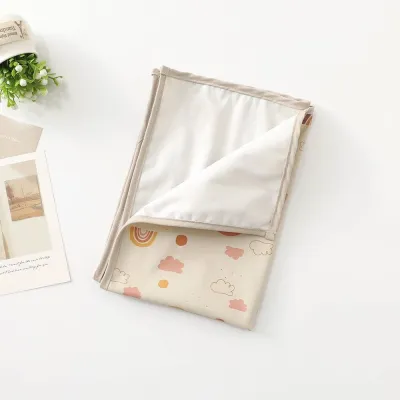
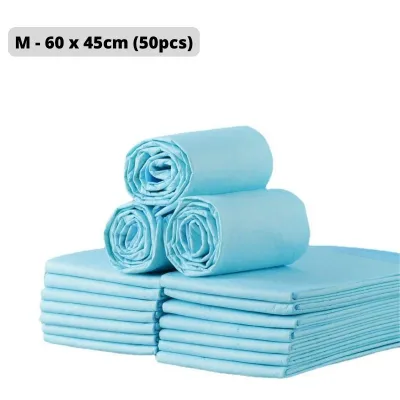
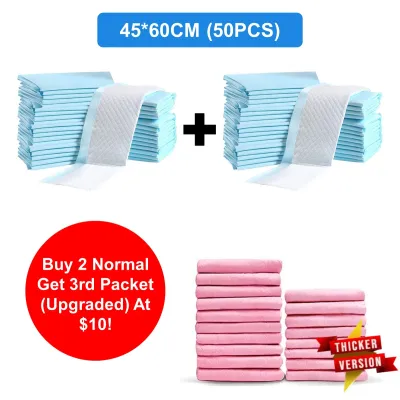
Prices are valid at publication and may change. Please refer to the product page for the latest price.
Understanding the structural differences between contoured pads and flat pads will help you match the pad to your table’s design. Contoured pads typically feature raised sides—often in a two-sided or three-sided design—that gently guide your baby toward the center of the pad. These are highly beneficial if your changing table has shallow barriers. Flat pads, on the other hand, are uniform in thickness and are best suited for deep-sided changing trays or solid wooden changing tables that already have robust, built-in safety barriers.
Secure attachment mechanisms are non-negotiable for preventing dangerous movement during diaper changes. Look for pads equipped with adjustable safety straps designed to anchor directly to the back or underside of your changing table frame. Additionally, verify that the pad features a high-traction, non-slip backing material. This textured bottom layer creates necessary friction against the wooden or laminated surface of the table, preventing the pad from sliding when your baby wiggles or rolls.
An improperly sized pad introduces serious safety hazards, particularly the risk of overhang or large gaps. If a pad is too large for the table surface, it can overhang the edges, creating an unstable, top-heavy setup that could tip over under your baby’s weight. Conversely, a pad that is too small can leave wide gaps along the sides. These gaps present entrapment risks where a baby’s hands, feet, or body could become wedged. Always ensure the pad fits snugly within the boundaries of the changing surface with minimal clearance.
Evaluate Material Safety, Thickness, and Comfort
Material Composition When assessing the waterproof surface of a changing pad, look past generic marketing claims such as “eco-friendly,” “natural,” or “non-toxic.” Instead, check the manufacturer’s product label or official documentation for the exact material composition. Common waterproof barriers include polyurethane (PU), thermoplastic polyurethane (TPU), and vinyl (polyvinyl chloride or PVC). TPU and PU are often preferred for baby products as they remain highly flexible and durable without the addition of certain chemical plasticizers, whereas some older or lower-cost vinyl pads may contain additives that require closer scrutiny.

Thickness and Stability The thickness of the pad directly influences both your baby’s comfort and the overall safety of the changing setup. While a thicker pad might seem more cushioned, an excessively thick pad can raise your baby too close to the top of the changing table’s safety barriers, effectively rendering those barriers useless. Furthermore, overly soft or thick foam can create an unstable, rolling surface that makes it harder to keep your baby securely positioned. Always check the changing table manufacturer’s instructions for the maximum recommended pad thickness to maintain a safe protective barrier height.
Safety Labels and Chemical Checks Because chemical safety regulations and certifications can change, treat safety claims as details you must actively verify. Rather than accepting broad claims at face value, look for independent testing declarations or manufacturer certifications on the packaging. Verify that the product is declared free from harmful substances such as phthalates, lead, bisphenol A (BPA), and flame retardants. Additionally, always review the product’s documentation for specific age, weight, and developmental limits. Many changing pads are designed for babies up to a certain weight (often around 13.6 kg) or until they can sit up unassisted; always stop using the pad once your child exceeds these limits.
Climate Considerations Singapore’s high humidity and warm temperatures require careful consideration of your baby’s skin comfort. A completely non-porous, waterproof plastic surface can trap heat and sweat, potentially leading to heat rash or skin irritation during longer changing or dressing sessions. To balance waterproof protection with comfort, consider using a breathable, moisture-wicking top cover made of organic cotton or bamboo fibers over the waterproof pad. Ensure that any cover you add fits tightly and does not interfere with the pad’s safety straps or non-slip backing.
Choose Practical Features for Easy Cleaning
Wipeable vs. Removable Covers Maintaining a hygienic changing area requires a clear cleaning strategy. Purely wipeable changing pads allow you to clean up messes instantly using a damp cloth and mild soap, making them incredibly convenient for quick turnarounds. However, these surfaces can sometimes feel cold to the touch and may show signs of cracking or wear faster over time. In contrast, pads that utilize removable, machine-washable fabric covers offer a softer, warmer surface for your baby but add a regular laundering step to your routine. Many parents find that a wipeable pad paired with a few spare washable covers offers the best balance of convenience and comfort.
Stain and Odor Resistance Because diaper changes involve frequent spills, check the product specifications and care guidelines for explicit stain and odor resistance. Materials that lack proper resistance can quickly absorb liquids, leading to permanent discoloration and unpleasant odors that are difficult to eliminate. High-quality polyurethane and treated polyester surfaces are generally more resistant to staining and do not absorb odors as easily as lower-grade vinyl or untreated fabrics.
Seam and Edge Design Pay close attention to how the seams and edges of the changing pad are constructed. Standard stitched seams have tiny needle holes that can allow liquids, oils, and moisture to seep into the inner foam core. Once moisture enters the foam, the humid Singapore climate creates an ideal breeding ground for mold, mildew, and bacteria that are impossible to clean out. To prevent this, look for changing pads with seamless designs, heat-sealed edges, or welded seams that create an absolute, impenetrable barrier against liquids.
Portability If you live in a multi-story home or need to move your changing setup between rooms, portability is a key factor. Lightweight, foldable, or roll-up waterproof mats are excellent for travel or quick changes on the living room floor. However, when using a portable pad on an elevated surface, you must ensure it meets the same safety and stability criteria as a permanent pad. Never place a portable pad on a high surface without active caregiver supervision, and verify that the surface below is flat, stable, and completely secure.
Verify the Setup and Safety Before First Use
Initial Inspection and Off-Gassing When you first unbox your new waterproof changing pad, conduct a thorough visual and physical inspection. Check for any manufacturing defects, such as loose stitching, tears in the waterproof barrier, or broken buckles on the safety straps. If the pad has been tightly packaged, it may exhibit a strong factory odor upon opening. Unbox the pad in a well-ventilated room or balcony, away from your baby, and allow it to air out completely according to the manufacturer’s instructions before placing it on the changing table.
Installation and Strap Check Before securing the pad, consult both the changing table’s manual and the changing pad’s installation instructions. If the instructions conflict, stop and contact the manufacturers for clarification. To install the pad, position it squarely on the table surface and thread the anchoring straps through the table’s designated hardware or screw them into the back of the frame as directed. Once secured, pull firmly on the pad from different angles to test the effectiveness of the non-slip base and ensure there is no significant sliding or shifting.
Safety Boundary Verification Once the pad is installed, verify the functionality of the baby’s safety strap. This strap is designed to keep your baby positioned safely on the pad, but it must be adjusted correctly to be effective. Fasten the strap over the pad and check that it accommodates the pad’s thickness while leaving enough room to secure your baby snugly. The strap should be tight enough to prevent rolling but loose enough to avoid pressing uncomfortably against your baby’s abdomen. Remember that safety straps are a secondary aid; they never replace active, hands-on caregiver supervision.
Ongoing Maintenance Routine Establish a weekly routine to inspect the condition of your waterproof changing pad. Look closely for any signs of wear, such as cracking, peeling, deep scratches, or separation at the seams. If you notice any compromise in the waterproof layer, stop using the pad immediately. A damaged waterproof barrier allows moisture to reach the inner foam, creating a sanitary risk where mold and bacteria can thrive. If you suspect the pad is damaged or no longer fits securely, consult the manufacturer for advice or replace the pad entirely to maintain a safe environment for your baby.
Frequently Asked Questions (FAQ)
Can I use a regular waterproof mattress protector instead of a changing pad?
No, you should not use a regular waterproof mattress protector as a substitute for a dedicated changing pad on a changing table. Mattress protectors are thin, flexible fabric sheets designed to cover flat, static mattresses; they lack the firm, supportive foam core and contoured edges necessary to help keep a moving baby centered. Furthermore, mattress protectors do not feature the essential safety straps or non-slip backing required to anchor the pad securely to a changing table, creating a high risk of sliding, bunching, or falling.
How do I clean a waterproof changing pad without damaging the material?
To clean your waterproof changing pad safely, always check the product’s care label and follow the manufacturer’s specific cleaning instructions first. For general maintenance, wipe the surface down using a soft cloth dampened with warm water and a mild, baby-safe soap. Avoid using harsh chemical cleaners, abrasive scrubbing pads, bleach, or alcohol-based sanitizers, as these substances can degrade the protective waterproof coating, cause the material to crack, and void the warranty. If the manufacturer’s instructions conflict with general cleaning advice, stop and consult the manufacturer directly.
Community discussion
Share your experience or ask a question. Comments are reviewed before publication.