
Diaper changes are a frequent, daily occurrence, making a reliable changing surface one of the most heavily used items in your nursery. When selecting a changing mat waterproof design, the goal is to find a surface that completely blocks liquids, simplifies cleanup, and fits your specific usage scenario—whether stationary on a nursery dresser or folded inside a diaper bag. A high-quality mat protects your home’s surfaces and ensures your baby remains dry and clean.
In Singapore’s tropical climate, high ambient humidity makes moisture management and hygiene particularly critical. If liquids penetrate the outer layer of a changing pad, the damp interior can quickly become a breeding ground for mold and bacteria. Choosing a robust waterproof changing mat safeguards your furniture and supports a hygienic environment for your infant’s sensitive skin.
Quick Guide: Non-Negotiable Features for Leak Protection
To filter out inadequate options quickly, it is essential to understand that not all moisture-resistant products perform the same way. Many parents confuse water-resistant fabrics with truly waterproof materials, which can lead to leaks and ruined furniture.
Products mentioned in this guide
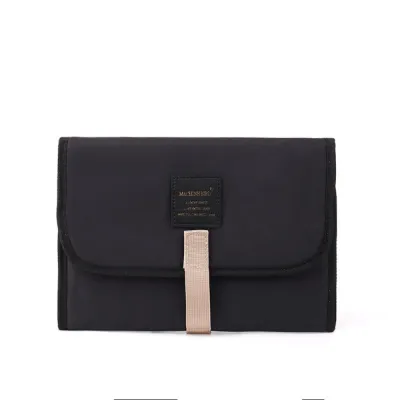
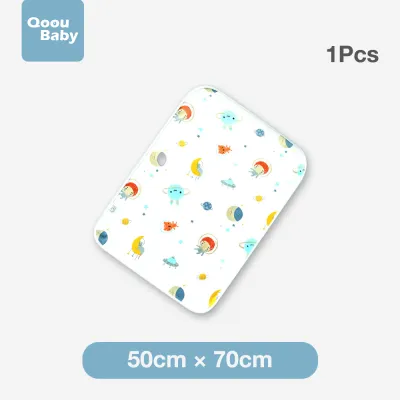
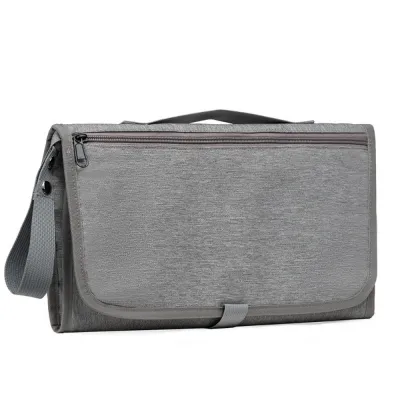
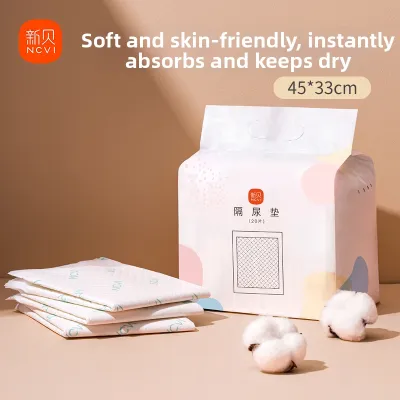
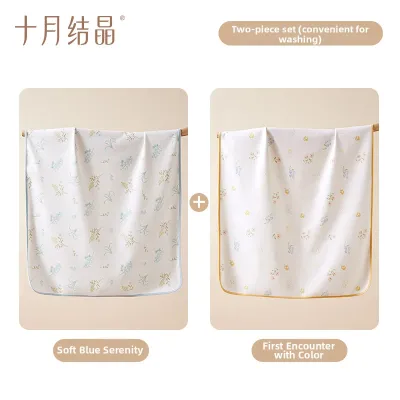
Prices are valid at publication and may change. Please refer to the product page for the latest price.
Water-Resistant vs. Waterproof: Water-resistant surfaces only repel light splashes or minor dampness for a very short duration. Under the physical weight of a wiggling baby, liquid will eventually be pressed through the fibers of a water-resistant cover. In contrast, a waterproof changing mat utilizes an impermeable barrier—such as a specialized polymer coating or a solid plastic core—that completely blocks liquid penetration. No matter how much pressure is applied, liquids remain on the surface for a complete wipe-down.
Non-Negotiable Baseline Features: When evaluating different models, look for these three essential features that guarantee reliable leak protection:
- Fully Sealed or Welded Waterproof Core: Prevents liquids from seeping into the internal cushioning material, ensuring the inner foam stays dry and hygienic.
- Raised Contoured Edges: Gently curved sides contain sudden spills or urine streams, keeping the mess localized so it does not run off onto your dresser.
- Wipeable or Machine-Washable Outer Layer: Allows for rapid sanitization between uses to prevent the buildup of bacteria and odors.
The Primary Safety Rule: A waterproof changing mat is a convenience and hygiene tool, not a safety restraint. It does not replace active caregiver supervision. Babies can roll or wiggle unexpectedly, so you must never leave your baby unattended on any elevated changing surface, even for a brief second. Always keep one hand on your baby during the entire diaper-changing process.
Decoding Changing Mat Waterproof Materials and Seam Construction
Understanding the materials and construction of a changing mat allows you to look past marketing buzzwords and assess how well a product will perform in real-world scenarios.

Core Materials: The internal waterproof layer is the most critical component of the mat. Common materials used to achieve this barrier include:
- Thermoplastic Polyurethane (TPU): A highly flexible, lightweight polymer that provides excellent waterproof performance. It is softer and quieter than traditional plastics, meaning it won't crinkle loudly when your baby moves.
- Polyethylene Vinyl Acetate (PEVA): Often used as a chlorine-free alternative to PVC, PEVA is a smooth, non-porous material that is highly effective at blocking liquids and is easy to wipe clean.
- Medical-Grade Polyvinyl Chloride (PVC): Known for its extreme durability and complete resistance to liquids, medical-grade PVC is highly resilient, though it can feel slightly stiffer and heavier than TPU or PEVA.
To verify these materials, always check the physical product tags or the manufacturer’s official documentation. Material names alone do not guarantee performance; verify that the manufacturer explicitly provides a leak-proof guarantee for the specific model.
Outer Fabrics: The outer layer determines both how easy it is to clean and how comfortable it feels against your baby’s skin.
- Wipeable Synthetic Covers: Typically made from polyurethane-coated fabrics, these covers can be wiped clean and sanitized in seconds. The trade-off is that they can feel cool or sticky, particularly in air-conditioned rooms, and they do not breathe well, which might cause your baby to sweat.
- Fabric Covers with Waterproof Backing: These feature a soft, natural outer layer—such as organic cotton or bamboo—bonded to a hidden waterproof backing. While they are much warmer and gentler against a baby's skin, they absorb messes on the surface. They must be removed and machine-washed regularly, requiring you to purchase several spare covers to keep your changing station operational.
Seam and Edge Construction: The way a changing mat is put together is just as important as the materials used. The seams are often the weakest point where leaks can occur.
- Welded or Heat-Sealed Seams: High-quality mats use high-frequency welding or heat-sealing to fuse the edges of the waterproof material together. This creates a continuous, seamless barrier with no needle holes, completely preventing liquid from penetrating the inner foam.
- Stitched Seams: Many budget-friendly mats feature traditional stitched seams. If these seams do not have waterproof taping or sealing applied over the thread lines, liquid will eventually seep through the needle punctures. Over time, this moisture accumulates inside the foam core, leading to mold growth.
- Fully Encased Zippers: If the mat has a removable cover, ensure the zipper is fully covered by a wide fabric flap or utilizes a water-resistant zipper track to prevent liquids from pooling and seeping through the zipper teeth into the core.
Skin Sensitivity: Because your baby’s skin will come into direct contact with the changing surface, caregivers must be mindful of potential sensitivities. Check the material labels carefully for any chemical treatments, heavy dyes, or synthetic finishes that could trigger a reaction. If your baby has sensitive skin, eczema, or shows signs of redness or irritation after a diaper change, discontinue using the surface directly. Place a clean, breathable cotton cloth or a hypoallergenic liner over the mat, and consult a pediatrician or qualified medical professional.
Choosing the Right Form Factor: Home, Portable, and Travel
Your diaper-changing needs will vary depending on whether you are at home, running errands, or traveling. Selecting the right form factor ensures you have the appropriate balance of comfort, size, and portability for each situation.
Home Changing Mats (Nursery & Dressers)
A home changing mat serves as your primary diaper-changing station and is typically placed on a dedicated changing table or a sturdy nursery dresser.
- Dimensions and Fit: Before purchasing a home changing mat, you must measure the top surface of your furniture precisely. A mat that is too large can overhang the edges of the dresser, creating a severe tipping hazard if weight is applied to the overhang. Conversely, a mat that is too small can slide around during diaper changes, compromising stability.
- Contoured Edges: Look for a mat with raised, contoured edges (typically two-sided or three-sided). These sloped sides physically help keep your baby centered on the mat, reducing their ability to roll easily. They also act as a physical barrier to contain sudden, high-volume diaper explosions, preventing liquids from spilling over the sides onto your furniture.
- Non-Slip Base and Safety Straps: Ensure the bottom of the mat is constructed with a high-traction, non-slip material or features rubberized grips to keep it firmly in place on smooth wooden or laminate surfaces. Many home changing mats also come equipped with safety straps that anchor directly to the back of your dresser or changing table. Always follow the furniture manufacturer's and the mat manufacturer's specific installation instructions to secure these safety components correctly.
Portable and Foldable Mats (On-the-Go & Daycare)
Portable changing mats are designed for parents who need a reliable, hygienic surface while visiting family, running errands, or sending their child to daycare.
- Folding Mechanisms: These mats typically fold into a bi-fold or tri-fold configuration, or roll up into a compact shape that fits inside a diaper bag. However, repeated folding and unfolding creates physical stress along the creases. Over time, you should inspect these crease lines carefully for signs of wear, such as cracking, peeling, or thinning of the waterproof layer, which can allow liquids to seep through.
- Cushioning vs. Portability: There is a direct trade-off between the thickness of the cushion and how easy the mat is to carry. A thicker foam core provides excellent comfort when changing your baby on hard surfaces like daycare benches, wooden tables, or public benches. However, thick foam makes the folded mat bulky and difficult to pack. A thickness of approximately 1 to 2 centimeters generally offers a good balance, providing sufficient padding without overwhelming your diaper bag.
- Convenience Features: To make diaper changes on-the-go as smooth as possible, look for portable mats that feature built-in carrying handles, adjustable wrist straps, and secure closure flaps (such as durable snaps or strong hook-and-loop fasteners). Integrated mesh pockets are also highly beneficial, allowing you to store a few diapers, a travel pack of wipes, and diaper cream directly within the folded mat for quick, single-handed trips to the restroom.
Travel and Disposable Options (Trips & Public Spaces)
When traveling long distances, navigating crowded airports, or using public changing facilities in shopping malls, you need ultra-compact or single-use solutions.
- Roll-Up Reusable Mats: These travel mats are designed to be extremely lightweight and roll up into a tight, space-saving cylinder. Because they prioritize portability, they often feature very thin padding. To compensate for this, look for models that include a small, integrated padded headrest to protect your baby's head from hard surfaces. These are ideal for packing into tight luggage or stroller organizers.
- Disposable Changing Pads: Single-use disposable pads offer the ultimate convenience when dealing with highly contaminated public surfaces or during long transit flights where washing a reusable mat is impossible. When selecting disposable options, verify that they feature a soft, absorbent top layer to lock in moisture and a reliable, leak-proof polymer backing to prevent any liquid from transferring to the surface underneath.
- Weight and Size Limits: Travel changing mats are almost always smaller than standard home versions. Because of this reduced surface area, you must check the manufacturer's specified weight and length limits. As your baby grows, a compact travel mat may only protect their torso and diaper area. You will need to take extra care to ensure their head and feet do not come into contact with unsanitary public surfaces.
Safety, Comfort, and Daily Maintenance Features
Beyond basic leak protection, several secondary features play a significant role in how comfortable the mat is for your baby and how easy it is for you to maintain over months of daily use.
Ergonomics and Comfort:
- Foam Density: The internal cushioning of a changing mat is typically made of foam. High-density polyurethane foam is highly recommended because it provides firm, even support, preventing your baby's body from sinking through to the hard wooden table underneath. Memory foam is softer and contours to the baby's body, but if it is too soft, it can reduce the effectiveness of the raised contoured edges and make it harder for the baby to remain stable.
- Stability: A stable changing surface is crucial for safety. The foam should be firm enough that it does not compress completely when you apply gentle pressure, ensuring the baby remains secure and supported throughout the change.
Hygiene and Cleaning:
- Wipe-Clean Verification: Always verify whether the mat is truly "wipe-clean" or if it requires machine washing. A genuine wipe-clean surface can be sanitized quickly using baby wipes or a mild disinfectant spray, which is ideal for busy parents.
- Care Instructions: To preserve the integrity of the waterproof layer, you must strictly follow the manufacturer's care instructions. Avoid using harsh chemical cleaners, bleach, or abrasive scrubbing brushes unless they are explicitly approved by the manufacturer, as these can strip away the waterproof coating and cause the material to crack. If the mat features a removable fabric cover, check the recommended wash temperature and drying settings; high heat in a dryer can cause the waterproof backing to delaminate or shrink, rendering the cover unusable.
Durability Checks:
- Upon receiving your changing mat, perform a thorough physical inspection. Check for strong chemical odors, which are common in synthetic materials and indicate that the mat needs to off-gas in a well-ventilated room for a few days before coming into contact with your baby.
- Inspect all stitching, safety straps, and hook-and-loop fasteners for loose threads, weak seams, or poor attachments. Ensure the foam core is uniform, with no flat spots or indentations caused by packaging or shipping.
Weight and Age Limits:
- Every changing mat is designed with specific physical limits. Caregivers must strictly adhere to the manufacturer's stated maximum weight capacity and developmental stage recommendations.
- As a general rule, once your baby reaches the maximum weight limit, or begins to roll over, sit up, or push up on their hands and knees, you should immediately discontinue using elevated changing surfaces. At this stage, transitioning to diaper changes on a clean waterproof mat placed directly on the floor is the safest option to eliminate the risk of accidental falls.
Pre-Purchase Checklist and Misleading Claims to Avoid
To ensure you make a smart investment that provides genuine leak protection and long-term durability, use this practical guide before making your final purchase.
The Pre-Purchase Checklist: Before finalizing your purchase, run through this quick checklist to confirm the mat meets your specific needs:
- Measure Your Space: Double-check that the mat's dimensions align perfectly with your nursery dresser or changing table top.
- Verify Seam Construction: Confirm that the seams are welded or heat-sealed, rather than simply stitched without waterproof taping.
- Check Weight and Age Limits: Ensure the mat's specifications accommodate your baby's current size and developmental stage.
- Review Care Instructions: Confirm that the cleaning requirements fit your lifestyle (e.g., easy wipe-down vs. frequent machine washing).
- Assess Safety Features: Verify the presence of a reliable non-slip bottom and secure safety straps if using on an elevated surface.
Misleading Claims to Avoid: When shopping online or in retail stores, be highly skeptical of vague marketing terms. Avoid relying solely on descriptions that label a product as “splash-proof,” “water-repellent,” or “moisture-resistant” if you require complete leak protection. These terms often indicate that the fabric has only a light chemical coating that will quickly saturate under pressure or after a few washes. Look for explicit terms like “100% waterproof” or “impervious to liquids” to ensure the mat will perform as expected.
Certification Verification: Rather than trusting unverified claims like “eco-friendly,” “non-toxic,” or “organic” in online descriptions, look for recognized, independent certifications on the physical packaging. Certifications such as OEKO-TEX Standard 100 or CertiPUR-US provide independent verification regarding chemical safety and material testing. If you find any discrepancies between online marketing claims and the physical product label or user manual, always trust the physical label and contact the manufacturer directly to verify the product’s specifications.
Frequently Asked Questions (FAQ)
Can I use a regular towel or blanket instead of a waterproof changing mat?
While towels and blankets are soft and readily available, they do not possess a waterproof barrier. Liquid from diaper leaks or sudden accidents will quickly seep through the fabric fibers, contaminating the underlying furniture, mattress, or public changing table. If you prefer the soft feel of natural fabric against your baby’s skin, the best approach is to use a clean towel or receiving blanket as a comfort layer placed on top of a verified, leak-proof changing mat. This setup provides the plush comfort your baby enjoys while ensuring complete leak protection for your home’s surfaces.
How do I know if a changing mat's waterproof layer is failing?
Over time, exposure to moisture, friction, and cleaning sanitizers can cause the waterproof barrier to degrade. You should regularly inspect your changing mat for clear physical signs of wear and tear. Look for visible cracking along the fold lines, peeling or flaking of the outer synthetic coating, a sticky or gummy texture on the surface, or a persistent sour odor that does not go away after cleaning. Another reliable test is to wipe down the surface with a damp cloth; if moisture or dampness appears on the underside of the mat or leaks through to the foam core, the waterproof integrity has failed. In any of these scenarios, you should replace the mat immediately to maintain proper hygiene and prevent mold growth.
Community discussion
Share your experience or ask a question. Comments are reviewed before publication.