
In Singapore, where the tropical climate fosters year-round mosquito activity, protecting infants from mosquito-borne diseases like dengue fever is a primary concern for parents. While searching for a reliable baby mosquito net, many caregivers are overwhelmed by the sheer volume of options available on online marketplaces and in local baby boutiques. Choosing a trusted brand is not merely about finding an attractive canopy; it is a critical safety decision that affects your child’s breathing environment, physical safety, and protection from pests.
To make an informed choice, parents must look beyond marketing claims and evaluate specific structural designs, material certifications, and installation safety standards. This guide provides a comprehensive framework to help you identify, verify, and safely utilize high-quality baby mosquito nets in Singapore.
Key Safety and Quality Standards to Look For
When evaluating baby mosquito net brands, the physical properties of the mesh and the structural components of the net should be your primary focus. Trusted brands provide clear, verifiable specifications for their products rather than relying on vague descriptions.
Products mentioned in this guide
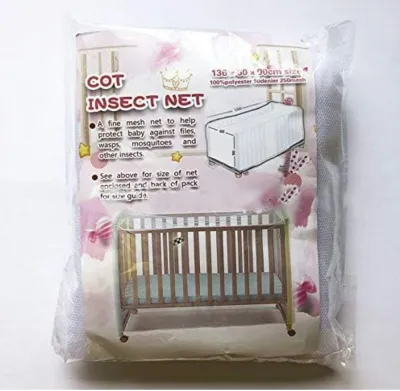
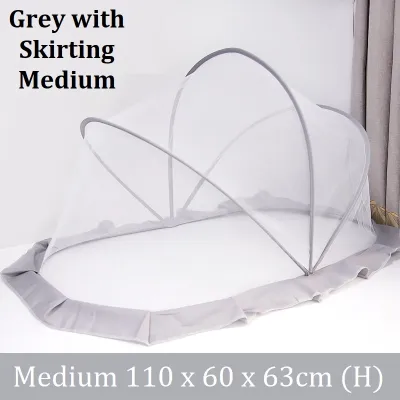
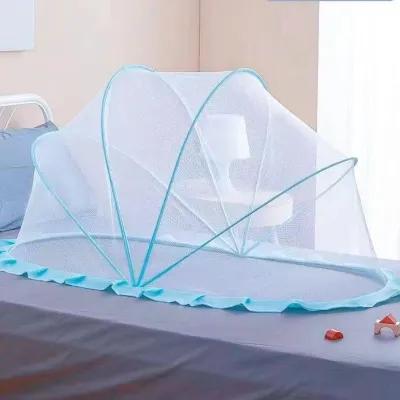
![[Infantods] Spring Cot Sarong Net. Manual Baby Cradle Net. Hammock Sarong Yao Lan. Spring Cot. Swing. Mosquito net. Baby sleep better and longer.](https://img.lazcdn.com/g/p/mdc/e81ed3d076c9d7e54b5400fb52d0510b.jpg_400x400q80.jpg_.webp)
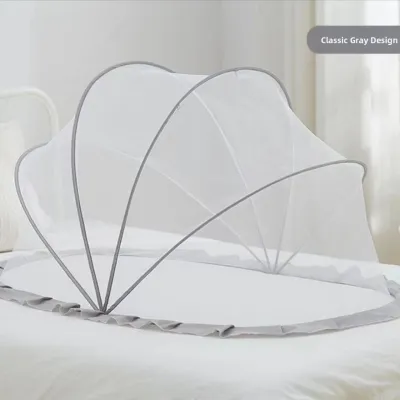
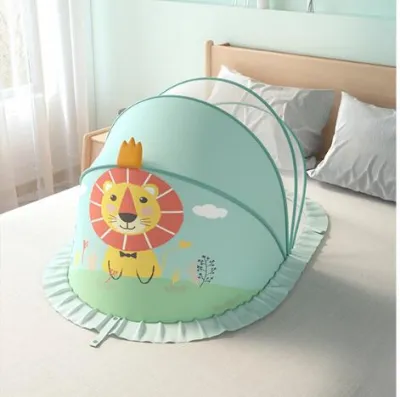
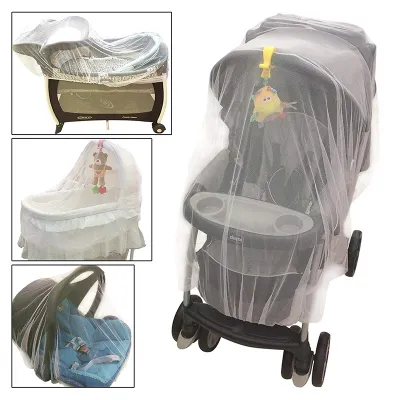
Prices are valid at publication and may change. Please refer to the product page for the latest price.
Mesh Density and Airflow
The primary function of a mosquito net is to block insects, but this must not come at the expense of ventilation. In Singapore’s warm and humid climate, adequate airflow is essential to prevent heat buildup inside the crib, which can cause discomfort and increase sleep-related risks. When examining a brand’s specifications, look for the mesh density, often indicated by the hole count per square inch. A high-quality baby mosquito net typically features a fine mesh that blocks even tiny insects, such as midges and young mosquitoes, while still allowing air to circulate freely. Avoid nets with excessively dense, plastic-like netting that restricts airflow, and instead opt for brands that explicitly highlight breathable, open-weave patterns designed for tropical climates.
Material Safety and Breathability
Because your baby will sleep in close proximity to the netting, the chemical safety and breathability of the fabric are paramount. Look for brands that utilize non-toxic, hypoallergenic materials such as high-grade polyester or premium cotton blends. Polyester is highly durable and resistant to tearing, while cotton offers excellent natural breathability. To ensure the fabric is free from harmful substances, check the product label or manufacturer documentation for recognized independent textile safety certifications, such as the Oeko-Tex Standard 100. This certification verifies that every component of the product, from the fabric to the thread, has been tested for harmful chemicals. Never assume a product is safe simply based on generic material names; reputable brands will readily provide proof of their safety testing.
Structural Integrity and Choking Hazards
The physical structure of the net must be robust enough to withstand daily use without collapsing or creating hazards. Inspect the frame, poles, and hardware of the mosquito net. Reliable brands utilize sturdy, flexible fiberglass or high-quality plastic poles that maintain their shape without splintering or breaking. If the net features zippers, they should be heavy-duty, smooth-gliding, and equipped with anti-snip guards to prevent the fabric or your baby’s skin from getting caught. Furthermore, meticulously check the net for any small, detachable parts, decorative beads, or loose plastic toggles. These components can easily become detached and pose a severe choking hazard to infants, so trusted brands design their products with minimalist, securely integrated hardware.
Flame Retardancy and Chemical Treatments
Many adult mosquito nets intended for outdoor use or travel are treated with chemical insecticides like permethrin to repel and kill insects on contact. However, for a newborn or infant sleep space, physical barriers are generally preferred over chemically treated nets to minimize the risk of skin irritation or chemical inhalation. If a brand claims its net is chemically treated, verify whether the treatment is specifically certified as safe for infants and check if it is designed to wash out over time. For the vast majority of indoor nursery setups in Singapore, a clean, untreated physical barrier made of high-quality, tightly woven mesh is the safest and most effective choice.
How to Verify Brand Reputation and Genuine Parent Reviews
With numerous brands competing for attention on e-commerce platforms, distinguishing genuine quality from clever marketing requires a critical eye. Parents must learn to navigate online reviews and verify safety standards before making a purchase.

Identifying Red Flags in Online Reviews
When browsing online marketplaces, do not rely solely on the overall star rating. Take the time to read individual reviews and look for red flags that suggest artificial or paid feedback. Be skeptical of reviews that feature repetitive phrasing, overly generic praise (such as “perfect product” without specific details), or a sudden influx of five-star ratings within a very short timeframe. Another red flag is a lack of user-uploaded photos or videos showing the product in actual use. Genuine reviews often highlight minor drawbacks, such as setup difficulties or specific crib compatibility issues, which provide a more realistic picture of the product’s performance.
Sourcing Verified Parent Experiences
To find authentic feedback, look for reviews marked with “verified purchase” tags on reputable retail platforms. Additionally, seek out detailed discussions on local Singaporean parenting forums, community groups, and established maternity blogs. Parents in these spaces often share long-term usage experiences, detailing how well a specific mosquito net holds up after multiple washes, whether the frame loses tension over time, and how easy it is to access the baby during nighttime feedings. Visiting physical maternity stores in Singapore can also allow you to inspect the material quality firsthand and speak with knowledgeable retail staff.
Checking for Safety Alerts and Recalls
Before committing to a brand, it is essential to verify its safety record. Check whether the brand or specific model has been subject to safety alerts, consumer warnings, or product recalls. In Singapore, the Consumer Product Safety Office (CPSO) monitors consumer product safety and issues advisories on hazardous items. You can search their official database or check international recall registries (such as the US Consumer Product Safety Commission) if the brand is imported. A brand that has a clean safety record and actively complies with international safety standards is far more trustworthy than an obscure, unbranded alternative.
Evaluating After-Sales Support
A brand’s commitment to safety and quality is often reflected in its after-sales service. Reputable manufacturers provide clear warranty policies, responsive customer service channels, and straightforward return options. Before purchasing, check if the brand offers a warranty against structural defects, such as broken frame poles or torn seams. Reach out to their customer support with a question regarding installation or care; a prompt, detailed, and helpful response is a strong indicator of a brand that stands behind its product and values consumer safety.
Comparing Mosquito Net Designs for Your Nursery
Selecting the right design is crucial for ensuring both safety and convenience. The ideal mosquito net must match your specific crib type—whether it is a co-sleeper, a standard wooden cot, or a portable travel cot—as well as your nursery’s layout.
The table below outlines the primary design categories available to help you compare their suitability:
| Design Type | Best Use Case | Space Required | Setup Effort |
|---|---|---|---|
| Hanging & Canopy Nets | Standard cots, nursery aesthetics | High vertical space | Moderate (requires mounting) |
| Pop-Up & Foldable Nets | Travel cots, playpens, multi-use spaces | Minimal (collapsible) | Low (self-assembling) |
| Frame-Integrated Nets | Convertible cribs, co-sleepers | Moderate floor/crib edge | Moderate (clamps to crib) |
Hanging and Canopy Nets
Hanging nets drape down from a single point on the ceiling or a tall, freestanding floor stand, creating an elegant canopy over the crib.
- Pros: These nets are visually appealing and provide comprehensive coverage for larger cribs or toddler beds, making them a long-lasting investment.
- Cons: They require secure ceiling mounting or a heavy, stable floor stand to prevent tipping. Because of the excess fabric, hanging nets pose a higher risk of infant entanglement if they are not installed at the correct height or if the baby learns to pull on the fabric.
Pop-Up and Foldable Nets
Pop-up nets feature a flexible, self-supporting wire frame that springs into shape instantly, creating a protective dome over the sleeping area.
- Pros: These nets are highly portable, lightweight, and incredibly easy to store, making them excellent for travel, outdoor use, or moving between rooms.
- Cons: They can be awkward and bulky to fold back into their carrying cases. Over time, the flexible metal or plastic frame may lose its tension or become warped if handled roughly, which can compromise the net's structural safety and create gaps.
Frame-Integrated Crib Nets
Frame-integrated nets attach directly to the frame of the crib using secure clamps or brackets, supporting a structured mesh canopy directly above the mattress.
- Pros: These nets are completely self-supporting and do not require ceiling hooks or separate floor stands. Because they attach firmly to the crib itself, they eliminate the risk of the net falling over or sagging into the sleep space.
- Cons: They take up usable space along the crib rails or floor edge and must be strictly matched to the specific dimensions of your crib to ensure there are no gaps where mosquitoes could enter.
Safe Installation, Maintenance, and When to Stop Using
Even the highest-quality mosquito net can become a hazard if it is installed incorrectly or poorly maintained. Parents must adhere to strict safety guidelines to ensure the net remains a protective barrier rather than a safety risk.
Safe Mounting and Clearance
The most critical safety rule when installing any baby mosquito net is to ensure that the fabric never drapes into the crib where the baby can reach, grab, or pull it. If a baby pulls the netting into the sleep space, it creates a severe risk of suffocation or entanglement. Always follow the manufacturer’s exact clearance measurements. For hanging canopy nets, ensure the hoop is mounted high enough so that the fabric remains taut and completely out of the baby’s reach, even when they stretch their arms upward. Secure all attachment points firmly, and regularly check that clamps or ceiling hooks have not loosened.
Routine Inspection Protocols
Establish a weekly routine to inspect the mosquito net for signs of wear and tear. Carefully check the entire mesh surface for any small tears, holes, or snagged threads. Even a tiny hole can allow mosquitoes to enter, while loose threads pose a risk of wrapping around your baby’s fingers, toes, or neck (known as a hair tourniquet). Inspect the frame joints, zippers, and mounting brackets to ensure they remain structurally sound, free of cracks, and securely fastened. If you detect any damage that compromises the safety or structural integrity of the net, discontinue use immediately.
Cleaning and Humidity Management
Singapore’s high humidity levels create an ideal environment for the growth of mold, mildew, and dust mites, which can trigger allergies or respiratory issues in infants. To maintain hygiene, wash the mosquito net regularly according to the manufacturer’s care label. Most nets require gentle hand washing or a delicate machine cycle in a laundry bag using mild, baby-safe detergent. Avoid using harsh bleach or fabric softeners that can degrade the mesh fibers. After washing, ensure the net is hung in a well-ventilated area and is completely, bone-dry before reinstalling it over the crib. Putting a damp net back into a humid nursery invites mold growth.
Clear Boundaries for Discontinuation
As your baby grows and reaches new developmental milestones, their sleep environment must adapt. You must stop using certain types of mosquito nets—particularly hanging canopies and low-clearance pop-up nets—as soon as your baby can roll over, sit up, push themselves up on their hands and knees, or pull themselves to a standing position. At this stage, the baby can easily reach the netting, pull it down, or become entangled in the fabric or frame. Always consult your product’s instruction manual for specific age, weight, or developmental limits, and prioritize your baby’s physical safety over insect protection.
Frequently Asked Questions (FAQ)
Are mosquito nets safe for newborns?
Physical barrier mosquito nets are safe for newborns, provided they are installed correctly with ample clearance. The net must be kept completely taut and positioned well outside the infant’s reach so that it can never drape onto the baby, fall into the sleep space, or be tucked loosely into the mattress. Ensuring proper installation eliminates the risk of suffocation or airway restriction, allowing the net to provide safe, chemical-free protection.
How often should I wash the baby mosquito net?
You should check the manufacturer’s care label for specific washing instructions. Generally, it is recommended to wash the mosquito net every two to three weeks, or immediately if it becomes visibly soiled or dusty. In Singapore’s humid climate, always ensure the net is completely dry before placing it back over the crib to prevent the accumulation of mold, mildew, and allergens.
Can I use a regular adult mosquito net for a baby crib?
No, you should never use a regular adult-sized mosquito net for a baby crib. Adult nets are designed for much larger beds and contain excessive amounts of fabric. This excess material can easily sag, pool inside the crib, or drape within the baby’s reach, creating a severe risk of entanglement and suffocation. Always purchase a net specifically designed, sized, and safety-tested for your child’s specific crib or sleep space.
Community discussion
Share your experience or ask a question. Comments are reviewed before publication.