
In Singapore’s warm, tropical climate, safeguarding your infant from mosquito-borne illnesses like dengue fever is a top priority for every parent. While chemical repellents have their place, a physical barrier remains one of the safest and most reliable methods to protect your sleeping child. Finding a high-quality mosquito net baby canopy or enclosure requires looking past simple marketing claims to evaluate structural integrity, breathability, and ease of installation.
A trusted brand is not merely one with high search visibility; it is defined by verifiable material certifications, robust construction, and clear safety warnings. In this guide, we will examine how to evaluate the brands available in Singapore, compare the most popular design styles for local cribs, and establish safe installation and maintenance routines to keep your nursery secure.
Quick Guide: Evaluating Mosquito Net Baby Brands
When searching for a reliable mosquito net baby solution, parents often face an overwhelming array of options on online marketplaces and in physical baby specialty stores. To narrow down your choices, you must look beyond aesthetic appeal and focus on objective safety and construction markers. A truly trustworthy brand prioritizes clear manufacturer documentation, providing detailed specifications on mesh density, material composition, and precise installation instructions.
Products mentioned in this guide
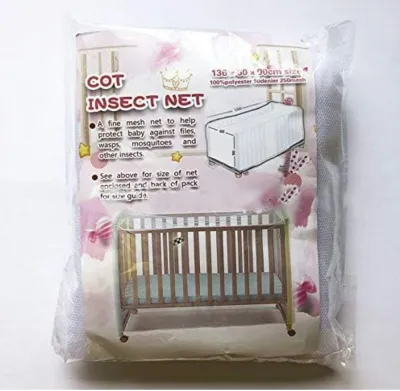
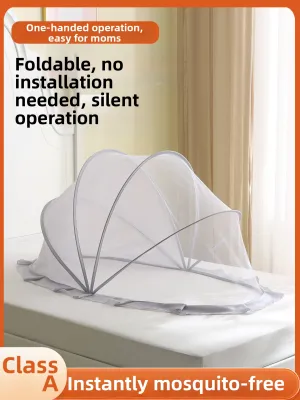
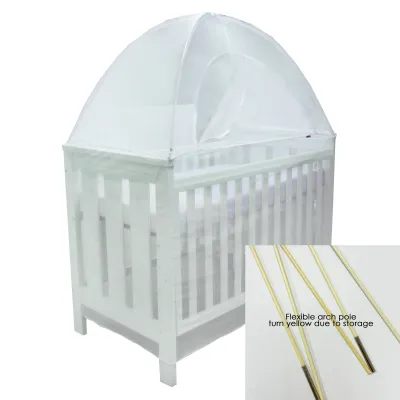
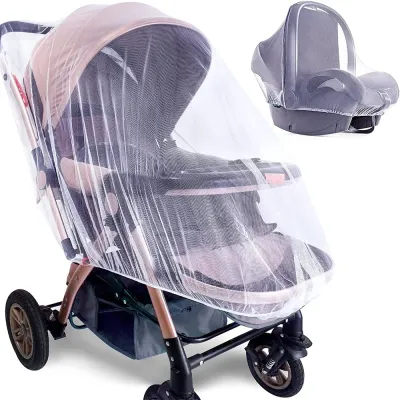
Prices are valid at publication and may change. Please refer to the product page for the latest price.
In Singapore, where high humidity can make nurseries feel stuffy, the ideal brand must balance insect exclusion with optimal ventilation. This means verifying that the manufacturer uses breathable, non-toxic fabrics that have undergone independent safety testing. Furthermore, a trusted brand will always provide explicit warnings regarding age limits, weight ranges, and correct mounting methods to prevent the net from becoming a physical hazard.
Rather than relying on unverified third-party claims, look for brands that sell through established retail channels and maintain active customer support. Authentic products will feature clear batch numbers, warranty details, and traceably sourced materials. By focusing on these verifiable indicators, you can confidently select a brand that offers genuine protection without compromising your baby’s sleep environment.
Core Safety and Quality Criteria for Crib Nets
Selecting a protective enclosure for your child’s sleeping area is a decision that directly impacts their safety and daily comfort. Because infants spend a significant portion of their early months asleep, any material surrounding their crib must meet rigorous physical and chemical standards. Understanding these core criteria allows you to look past brand names and evaluate the actual utility and safety of any product you consider.

Mesh Density and Breathability
The primary function of a crib net is to block mosquitoes, but this must never come at the expense of fresh air circulation. In Singapore’s humid climate, inadequate airflow inside a crib can lead to rapid heat retention, increasing the risk of overheating and discomfort for your baby. When evaluating different brands, check the manufacturer’s technical specifications for the mesh density, which is often measured in holes per square inch.
A safe mesh design features openings that are small enough to exclude local mosquito species, yet large enough to allow air to flow freely. Look for brands that explicitly state their mesh dimensions and provide breathable fabric ratings. Avoid extremely dense, heavy fabrics that mimic decorative bed curtains, as these can trap warm air and restrict the visual supervision you need to maintain over your sleeping infant.
To verify breathability before purchasing, check if the brand offers physical samples in-store or provides close-up material specifications online. If you are unable to find clear information regarding airflow testing or material breathability, it is best to err on the side of caution and choose a brand that openly details these specifications. Remember that a visual inspection of the mesh under good lighting can also help you judge whether the weave is consistent and free of manufacturing defects.
Material Safety and Chemical Treatments
Because babies frequently touch, pull, and occasionally mouth the fabrics surrounding their cribs, the chemical safety of the netting material is paramount. Many low-cost or unbranded nets may contain trace chemical residues from manufacturing, or they may be treated with harsh industrial flame retardants. To protect your baby’s sensitive skin and developing respiratory system, look for brands that carry recognized independent textile certifications, such as Oeko-Tex Standard 100.
An Oeko-Tex certification or a similar verified textile standard ensures that every component of the net, from the mesh to the threads and fasteners, has been tested for harmful substances. Additionally, parents should carefully consider the choice between untreated physical barriers and insecticide-treated nets. For standard residential use in Singapore—particularly in air-conditioned or well-ventilated HDB flats and private estates—an untreated, high-quality physical barrier is generally the safest and most recommended choice.
If a brand advertises a net treated with insect repellents, look for explicit documentation detailing the active ingredients, concentration levels, and safety approvals from relevant health authorities. Always verify the manufacturer’s age restrictions, as some treated fabrics are not suitable for newborns or infants who are actively teething and likely to chew on the mesh. If the product packaging lacks clear ingredient lists or safety certifications, treat the product as unverified and opt for a clean, untreated alternative.
Comparing Crib Mosquito Net Baby Designs for Daily Use
Different nursery layouts and daily parenting routines require different physical net structures. Choosing the right design is not just a matter of convenience; it directly influences how easily you can access your baby during the night and how securely the net remains positioned over the crib.
Canopy and Hoop Nets
Canopy and hoop nets are classic designs that suspend from a single overhead point, cascading down to cover the entire crib. These nets are often favored for their elegant appearance and their ability to accommodate larger crib sizes or toddler beds as your child grows. Because they drape over the outer frame of the crib, they provide a spacious, non-restrictive environment that does not encroach on your baby’s immediate sleeping space.
However, the installation of a hanging canopy net demands meticulous attention to physical safety. You must ensure that the mounting bracket, ceiling hook, or floor stand is exceptionally sturdy and completely out of your child’s reach. As babies develop motor skills, they will naturally reach out to grab and pull on hanging fabrics, which can lead to the entire structure collapsing into the crib or creating a dangerous strangulation hazard.
If you choose a canopy design, select a brand that provides heavy-duty, screw-in mounting hardware rather than simple adhesive hooks, which can easily fail in Singapore’s humid conditions. Ensure that the net itself is long enough to drape securely around the base of the crib, but does not pool excessively on the floor where it could become a tripping hazard for caregivers during nighttime feedings. Regularly inspect the hanging cords and ties to verify they remain tightly knotted and completely inaccessible to your infant.
Fitted and Pop-Up Enclosures
Fitted and pop-up mosquito nets offer a highly structured alternative to traditional hanging designs. Fitted nets behave much like a fitted bedsheet, stretching tightly over the top rails of the crib and securing around the edges with elastic bands or specialized clips. Pop-up enclosures, on the other hand, utilize integrated, flexible wire frames that hold the net in a self-supporting dome shape directly over the mattress.
These structured designs are highly valued for their secure fit, as they eliminate loose, draping fabric that a baby could pull down. Many models feature zippered openings that allow you to reach your baby quickly without having to lift or remove the entire net. When evaluating these brands, pay close attention to the quality of the zippers and the flexibility of the internal frame. Zippers should operate smoothly and quietly to avoid waking a sleeping infant, and they must be positioned on the exterior of the net, away from your baby’s reach.
Ensure that any pop-up frame is robust enough to resist bending or collapsing if your baby rolls against it. The tension of the elastic or the securement of the clips must be checked daily; a loose fitted net can snap back or slip, creating gaps that let mosquitoes in or, worse, trapping your baby beneath the mesh. If you notice any warping in the frame or loss of elasticity in the bands, stop using the net immediately and contact the manufacturer for replacement parts or replace the unit entirely.
How to Verify Brand Reliability and Retail Authenticity
The local market in Singapore features a wide variety of baby products, ranging from premium international brands to unbranded imports. Ensuring that you are purchasing a genuine, safety-tested product requires a systematic approach to verifying retailers and researching product history.
Identifying Authorized Retailers and Official Stores
To guarantee that you are receiving an authentic product that meets all stated safety standards, always purchase your baby mosquito net from authorized retailers. Established baby specialty stores in Singapore, official brand websites, and verified flagship stores on major online marketplaces are the safest channels. These retailers maintain direct relationships with manufacturers, ensuring that the products they stock are genuine and subject to proper quality control.
Be highly cautious when browsing third-party listings on open ecommerce platforms, especially those offering well-known brands at prices that seem unusually low. Counterfeit baby products often look identical to the genuine article in online photos, but they frequently use substandard, chemically treated meshes, weak frames, or poorly stitched seams that fail under minimal tension. Purchasing from an authorized seller also ensures that you have access to legitimate customer support, warranty coverage, and accurate product recall information.
When shopping online, look for verification badges, official store labels, and direct links from the brand’s primary corporate website. If you are shopping in a physical store, do not hesitate to ask the staff for confirmation of their authorized retailer status. Investing in a verified product from a reputable source provides peace of mind that the materials surrounding your baby are safe and durable.
Checking for Recalls and Verified Parent Feedback
Before finalizing your purchase of any baby mosquito net brand, take the time to conduct independent research into its safety track record. In Singapore, you can consult the Consumer Product Safety Office (CPSO) database to check for any active alerts, safety advisories, or product recalls associated with the brand or model you are considering. A brand that has a history of voluntary safety recalls and transparent communication is often more trustworthy than one that ignores or hides product failures.
In addition to official databases, seek out detailed, verified feedback from other parents who have used the product in local conditions. Look for reviews on independent parenting forums, local community groups, or verified purchaser sections of trusted retail websites. Pay close attention to comments regarding how the net holds up after multiple washes, whether the mesh tears easily, and how simple it is to install securely on standard Singaporean crib sizes.
Avoid relying solely on aggregate star ratings, which can sometimes be inflated or unrepresentative of long-term use. Instead, read the mid-range and lower-rated reviews to identify recurring issues, such as zipper failures, weak elastic, or poor breathability. A reliable brand will have consistent, positive feedback regarding its structural durability and the clarity of its safety instructions.
Safe Installation and Ongoing Maintenance Rules
Even the highest-quality baby mosquito net can become a safety hazard if it is installed incorrectly or poorly maintained. Establishing strict protocols for setup and routine care is essential to ensure the net continues to protect your baby without introducing new risks.
Secure Mounting and Hazard Prevention
When installing your baby’s mosquito net, the absolute golden rule is to keep all cords, ties, mounting brackets, and loose fabric completely out of your baby’s reach. If you are using a hanging canopy net, ensure the anchor point is drilled securely into the ceiling or wall, rather than relying on temporary adhesives that can degrade in Singapore’s high humidity. The net must drape on the outside of the crib rails, never inside where your baby could pull it down or become wrapped in the fabric.
For fitted or pop-up nets, double-check that the elastic bands or mounting clips are firmly anchored to the crib frame. There should be no loose gaps between the net and the mattress or crib rails; a curious infant can easily wedge their head or limbs into these gaps, leading to entrapment or suffocation risks. Perform a physical “tug test” after every installation to ensure that the net remains taut and secure under moderate pressure.
As your baby reaches new developmental milestones—such as learning to sit up, push up on hands and knees, or stand—you must re-evaluate the safety of the net setup. A net that was safe for a stationary newborn may pose a pulling or climbing hazard for an active older infant. If your baby can reach the netting or the frame from a standing or sitting position, it is time to adjust the height of the net, switch to a different style, or discontinue use of the net entirely to prevent injury.
Cleaning, Inspection, and Replacement Triggers
Singapore’s tropical environment means that dust, pet dander, and humidity can quickly accumulate on fine mesh fabrics, potentially affecting your baby’s respiratory health. Regular cleaning is necessary, but you must strictly follow the manufacturer’s specific washing instructions to avoid damaging the net. Many high-quality nets require gentle hand washing in cool water with a mild, baby-safe detergent, followed by air drying in a shaded area.
Machine washing or using high-heat dryers can warp the mesh, shrink the fabric, or weaken the stitching, rendering the net ineffective or unsafe. During every wash cycle, perform a comprehensive visual and physical inspection of the entire net. Look closely for any signs of wear and tear, such as small holes, frayed edges, loose seams, or weakened frame joints.
Do not attempt to patch or repair a damaged baby mosquito net with tape, safety pins, or temporary stitching, as these quick fixes can create choking hazards or fail unexpectedly. If you discover a hole larger than a few millimeters, a torn zipper, or a warped frame that prevents a secure fit, treat this as an immediate trigger for replacement. Protecting your baby requires a completely intact barrier, and replacing a compromised net is the only way to guarantee ongoing safety and insect protection.
Frequently Asked Questions (FAQ)
Are mosquito nets safe for newborns?
Yes, mosquito nets are safe for newborns, provided they are installed correctly and kept entirely out of the infant’s reach. Because newborns cannot move independently or pull on fabrics, the primary risk is improper installation where loose netting could fall into the sleeping area. Always ensure the net is taut, securely anchored, and draped on the outside of the crib rails. Strictly follow the manufacturer’s age, weight, and setup guidelines, and never allow any part of the fabric to rest directly on or near the baby’s face. Regular caregiver supervision remains essential whenever the net is in use.
Do I need an insecticide-treated net for my baby?
For standard residential use in Singapore, untreated physical barrier nets are generally preferred for young infants. Untreated nets provide highly effective protection against mosquitoes without exposing your baby’s sensitive skin and respiratory system to chemical repellents. If you are considering an insecticide-treated net, consult your pediatrician first to evaluate any potential risks or allergies. Always verify that the product is explicitly certified as safe for infants, check the active ingredients, and strictly adhere to the manufacturer’s stated age restrictions and washing guidelines to prevent chemical degradation.
How often should I wash the baby mosquito net?
In Singapore’s humid climate, it is advisable to wash your baby’s mosquito net every two to four weeks to prevent the accumulation of dust, allergens, and sweat. However, you must always defer to the specific care label and washing instructions provided by the manufacturer. If your baby has sensitive skin or respiratory allergies, more frequent gentle cleaning may be necessary. Always air dry the net completely before placing it back over the crib, as damp mesh can encourage the growth of mold and mildew, which poses a health risk to your infant.
Community discussion
Share your experience or ask a question. Comments are reviewed before publication.