
Choosing a toddler plate set is a major milestone in your child’s weaning journey, transitioning them from passive spoon-feeding to active self-feeding. To find the right set, you must evaluate the plate’s material safety, the strength of its suction base, the layout of its dividers, and how well it fits your specific highchair tray. Balancing these features ensures a less messy mealtime while supporting your toddler’s developing motor skills.
Assess Your Toddler's Feeding Stage
Around 6 to 12 months, infants transition from purees to finger foods and eventually to using utensils. If your child is actively grabbing for the spoon or trying to pick up small pieces of food, they are ready for a dedicated plate.
Plate depth and lip design are critical here. Early self-feeders benefit from deep plates with wide, curved inner walls. This curved lip acts as a natural barrier, helping your toddler push food onto their spoon or fork instead of pushing it off the edge of the plate.
Products mentioned in this guide
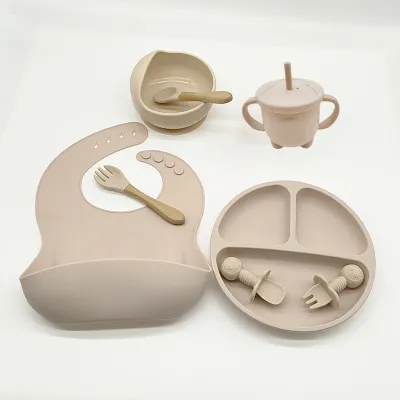

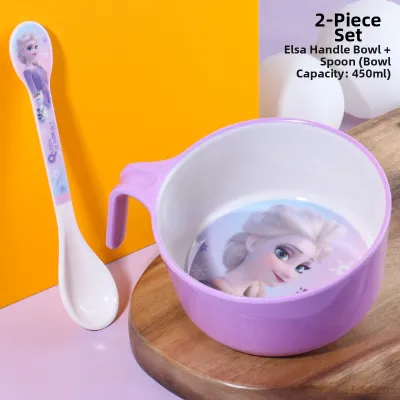
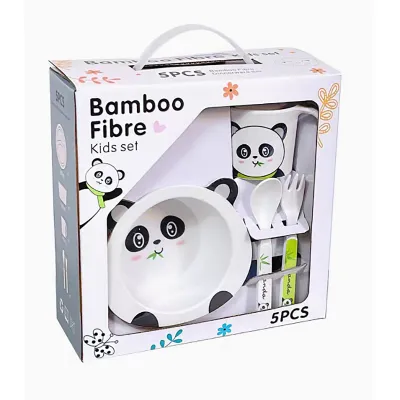

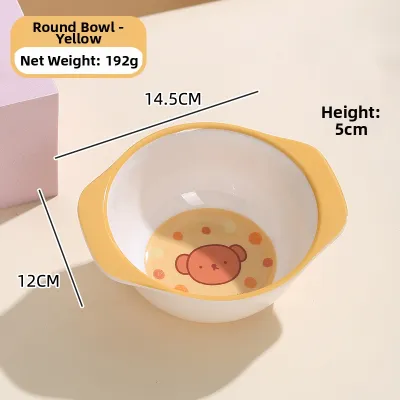
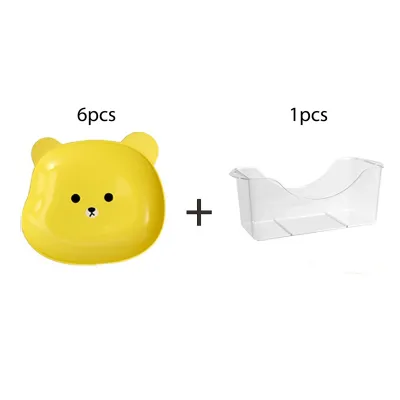
Prices are valid at publication and may change. Please refer to the product page for the latest price.
As toddlers develop their fine motor skills, their grip transitions from a palmar grasp (using the whole fist) to a pincer grasp (using the index finger and thumb). A plate that supports this transition will have a wide base and low-profile edges that do not obstruct their wrist movements. If your child is frustrated by food sliding away, a plate with a vertical inner wall provides a solid surface to push food against, making it easier to load a spoon.
Always check the manufacturer’s age guidelines printed on the packaging. Some plates are designed specifically for older toddlers with refined motor skills, while others cater to younger infants starting baby-led weaning. Regardless of the plate design, active caregiver supervision is always required during meals to prevent choking hazards and ensure safe utensil use. Stop using any plate that shows signs of wear, cracking, or peeling.
Evaluate Suction and Base Stability
A plate that stays firmly on the table is the primary defense against flying meals. You will generally choose between full-plate suction bases and weighted non-slip bottoms. Full suction bases use a vacuum seal to lock the plate to the surface, which is ideal for younger toddlers who love to lift and toss their dinnerware. Weighted non-slip bottoms rely on friction and rubberized rings to prevent sliding, making them better suited for older toddlers who have moved past the throwing phase.

Suction performance depends heavily on surface compatibility. Most suction cups require a completely smooth, flat, and non-porous surface to maintain a vacuum. If your highchair tray or dining table has a textured wood grain, matte finish, or slight curve, the suction base may fail to stick. It is essential to measure and inspect your dining surfaces before purchasing.
The size and number of suction cups on the base also play a role in stability. Some plates feature one large, centralized suction cup, while others utilize multiple smaller suction points. A single large suction cup generally provides a stronger, more uniform hold on completely flat surfaces, whereas multiple smaller cups might offer a backup grip if one section loses contact. However, multiple cups can be more tedious to clean and dry thoroughly between meals.
Look closely at the release mechanism. A well-designed suction plate features a hidden, easy-to-reach tab that allows caregivers to break the vacuum seal effortlessly. Ensure this tab is positioned away from the child’s direct line of sight or reach, preventing them from figuring out how to release the plate themselves.
Compare Materials and Verify Safety Labels
Toddler plates come in several common materials, each with distinct trade-offs. Food-grade silicone is highly popular because it is flexible, virtually unbreakable, and naturally slip-resistant. Bamboo and natural wood options offer an aesthetic, lightweight appeal but cannot be soaked in water or microwaved. Stainless steel is exceptionally durable and hygienic but conducts heat quickly and is not microwave-safe. BPA-free plastics are lightweight and affordable but can scratch easily over time, creating small crevices where bacteria can hide.
Safety certifications are dynamic, so you must verify food-grade claims directly on the product packaging. Look for clear labels indicating compliance with international food contact standards, such as FDA or LFGB compliance, and verify that the product is explicitly labeled as free from BPA, phthalates, lead, and PVC. Do not rely solely on online product descriptions; inspect the physical packaging or the manufacturer’s official documentation.
Heat retention is another practical factor to consider when evaluating materials. Silicone and plastic tend to stay relatively cool to the touch, even when holding warm food, which reduces the risk of accidental burns if your toddler touches the outside of the plate. Conversely, stainless steel plates can become quite warm, so they often require a protective outer sleeve or a silicone base to keep the exterior safe for small hands to touch.
Confirm microwave and dishwasher safety claims before exposing the plate to high heat. While many silicone plates can withstand high temperatures, some composite materials or plates with embedded suction magnets or wooden parts cannot. Heating non-microwave-safe materials can cause them to warp, degrade, or leach chemicals, so always locate the official heating symbols molded into the bottom of the plate.
Choose the Right Divider Layout and Size
Divided plates are excellent for toddlers who prefer their foods kept separate, which is a common sensory preference during early childhood. A standard three-section layout allows you to present a balanced meal consisting of a main carbohydrate, a protein, and a fruit or vegetable. This visual separation can make meals look more appealing and less overwhelming to a picky eater.
The height of the divider walls matters. The walls should be tall enough to keep wet foods, like purees or yogurt, from spilling into dry sections, yet low enough that your toddler can easily navigate their utensils over them. If the dividers are too high, they may block the child’s view of the food or interfere with their hand movements.
Dividers also serve as a helpful visual guide for portion control and meal balance. Many pediatric nutrition guidelines suggest filling half of a child’s plate with colorful fruits and vegetables, a quarter with whole grains, and a quarter with lean proteins. A three-section plate naturally mirrors this distribution, making it simpler for caregivers to assemble balanced meals without overthinking the portions. However, ensure the compartments are wide enough to accommodate standard toddler-sized portions without crowding.
Before buying, measure your highchair tray carefully. Many premium toddler plates are surprisingly wide and may not sit flat on smaller, curved highchair trays, such as those common in compact Singapore apartments. If the plate overlaps the edge of the tray even slightly, the suction seal will fail, rendering the non-slip feature useless.
Plan for Daily Cleaning and Maintenance
Your cleaning routine should dictate the material you choose. If you rely heavily on a dishwasher, ensure every component of the plate set is top-rack dishwasher safe. Some suction plates have removable silicone bases that must be washed separately by hand to prevent warping from the dishwasher’s heating element.
Be aware of stain and odor retention. Silicone is highly durable but can sometimes absorb strong food odors, such as garlic or fish, or retain soapy tastes if washed with highly scented dish soaps. To minimize this, look for high-quality, platinum-cured silicone and consider using unscented, baby-safe dish soaps. Natural wood and bamboo plates require regular hand-washing and occasional oiling with food-grade mineral oil to prevent cracking.
Proper drying is just as important as washing when it comes to maintaining toddler dinnerware. Silicone and plastic can sometimes retain moisture film, which can lead to a musty smell if the plates are stacked while still damp. Always allow the plates to air-dry completely in a well-ventilated dish rack before nesting them in your cupboards. For bamboo or wood plates, never leave them soaking in the sink, as prolonged exposure to water will cause the natural fibers to swell, splinter, and eventually split.
Inspect the plate’s design for potential food traps. Plates with complex shapes, deep crevices, or integrated straw attachments can easily harbor mold and bacteria if not cleaned thoroughly. Choose designs with smooth, rounded corners and minimal seams to make hand-scrubbing quick and effective.
Finalize Your Shortlist and Verify Fit
When finalizing your purchase, consider whether the plate is sold individually or as part of a complete weaning set. A set that includes matching bowls, training cups, and ergonomic utensils can offer better value and ensure all items are scaled appropriately for your toddler’s hands.
Verify the retailer’s return policies and warranty terms. Since suction effectiveness can vary wildly depending on your specific table material, buying from a seller that offers a clear return policy for unused items provides peace of mind. Check if the manufacturer offers replacement parts, such as spare suction bases or lids, which can extend the lifespan of the set.
Finally, cross-check the plate’s dimensions against your kitchen storage space. Stackable designs are highly beneficial if you plan to buy multiple plates, as bulky, non-nesting silicone plates can quickly clutter small kitchen cabinets.
Frequently Asked Questions (FAQ)
Why does a suction plate lose its grip?
A suction plate loses its grip when air enters the space between the suction cup and the table surface, breaking the vacuum seal. This usually happens due to microscopic dust, grease, or food residue on either the table or the bottom of the plate. Textured surfaces, such as wood grain or matte plastics, also allow air to seep in. To maximize grip, thoroughly clean and dry both the table surface and the suction base before pressing the plate down firmly from the center.
How do I know if the plate is microwave-safe?
You can determine if a plate is microwave-safe by checking for the official microwave-safe symbol—usually depicted as a series of wavy lines or a dish inside a microwave—molded directly into the bottom of the plate. Never assume a material is safe to heat without this symbol or explicit manufacturer instructions. If the plate contains any metal, bamboo, or certain plastics, avoid microwaving it entirely to prevent chemical leaching or physical damage to the plate.
Community discussion
Share your experience or ask a question. Comments are reviewed before publication.