
Transitioning your child from a crib to a big bed is a major developmental milestone, but it also introduces new safety considerations. A primary tool parents use to prevent nighttime falls is a bed rail. However, choosing the right bed rail is not as simple as picking the first model you see on an online marketplace. To ensure your child’s safety, you must systematically evaluate mattress compatibility, frame style, attachment mechanisms, and material breathability. This guide outlines the essential features to verify before making a purchase, helping you select a protective barrier that fits your home setup and keeps your toddler secure throughout the night.
Assessing Readiness: When to Use a Toddler Bed Rail
Before purchasing a bed rail, it is essential to determine whether your child is developmentally ready for this transition. Children typically move from a crib to a toddler bed or single bed between the ages of one and a half and three years. Key indicators of readiness include your child climbing out of their crib independently, reaching a height of approximately 89 centimeters, or expressing a clear desire to sleep in a larger bed. If your toddler is still sleeping peacefully in their crib without attempting to climb out, there is no need to rush the transition.
When you decide to make the change, always check the manufacturer’s specified age, weight, and developmental limits on the product label before purchasing. Most bed rails are designed for children between the ages of two and five who can get into and out of bed unassisted. They are not intended for infants or younger toddlers who lack the motor skills to free themselves if they become wedged against the barrier. Using a rail too early can increase the risk of serious entrapment injuries.
Products mentioned in this guide
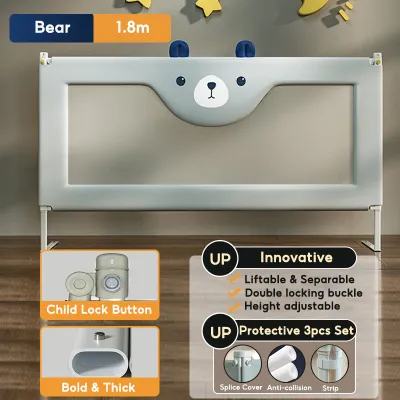
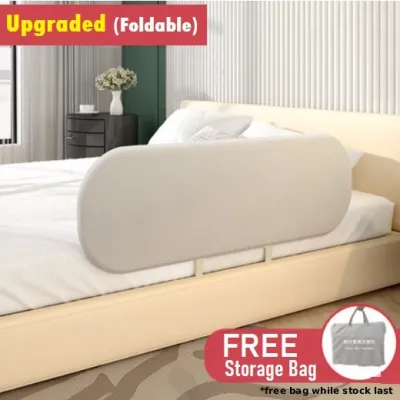

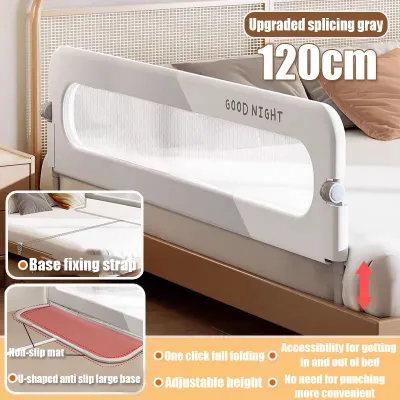
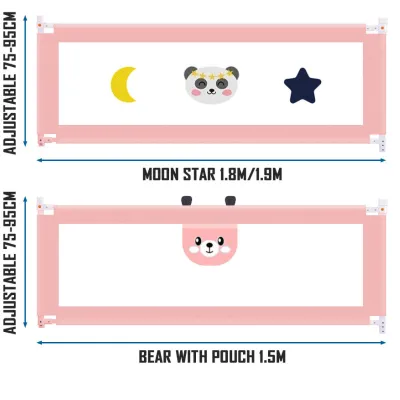
Prices are valid at publication and may change. Please refer to the product page for the latest price.
Conversely, you must also recognize when a bed rail is no longer safe or necessary. Once your child is physically capable of climbing over the rail, or when they exceed the manufacturer’s weight limit, the rail poses a falling hazard and must be removed immediately. Caregiver supervision remains crucial throughout this developmental phase; a rail is a passive safety aid, not a substitute for active monitoring or a childproofed bedroom environment. If your child has developmental delays or mobility challenges, consult a pediatrician or occupational therapist to determine the safest sleeping arrangement.
Critical Safety Features to Inspect When Buying a Bed Rail
Gap and Entrapment Risks
The most critical safety hazard associated with bed rails is entrapment. This occurs when a child slips into a space between the mattress and the rail, or between the rail and the bed frame, headboard, or footboard. If the rail is loose or poorly designed, a child’s head or body can become wedged, leading to a high risk of suffocation. When evaluating any rail, inspect how tightly it presses against the side of the mattress. There should be zero gap when you apply outward pressure. Many modern designs feature safety straps that wrap around the mattress or anchor to the opposite side of the bed frame to pull the rail flush against the mattress wall.

Height and Length Requirements
To prevent a restless sleeper from rolling over the top, the rail must extend to a safe height above the mattress surface. Always measure your mattress thickness first; a rail that looks tall on a thin mattress may provide very little protection on a thick, plush mattress. Ideally, the barrier should extend at least 16 to 20 centimeters above the top of the mattress (verify this against the manufacturer’s instructions for your specific mattress depth). Regarding length, the rail does not need to cover the entire side of the bed. In fact, leaving a clearance of at least 25 centimeters at both the headboard and the footboard is recommended. This gap allows your child to climb in and out safely without getting trapped in the corners, while still protecting the main sleeping zone.
Locking and Folding Mechanisms
Many parents prefer folding or swing-down rails because they make bed-making and bedtime story reading much easier. However, these moving parts require close inspection. Ensure the hinge locks are robust and feature a double-lock or child-proof mechanism that cannot be accidentally released by a toddler pushing from the inside. The folding joints must also be designed with pinch-point guards. Check that there are no exposed hinges or gaps where small fingers, toes, or clothing could get caught when the rail is locked in the upright position or folded down.
Secure Attachment Systems
The stability of a bed rail depends entirely on how it is anchored to the bed. There are three primary mounting methods to consider. Anchor straps are highly recommended; they run underneath the mattress and clip onto the opposite side of the bed frame, using tension to hold the rail firmly in place. Screw-in mounts offer a semi-permanent solution where the rail’s base is screwed directly into wooden bed slats, providing exceptional stability. Under-mattress weight systems rely solely on the weight of the mattress to hold the flat metal or plastic arms of the rail in place. These are generally the least secure option, especially for lightweight mattresses or highly active toddlers who might push the rail outward, creating a dangerous gap. Always choose an attachment system that physically locks or straps to your specific bed frame type.
Verifying Mattress and Bed Frame Compatibility
Mattress Thickness
Before purchasing any bed rail, you must measure your mattress depth. Manufacturers design rails to work within specific thickness ranges. If your mattress is too thin, the rail’s mounting brackets may not fit snugly, causing the barrier to wobble or lean. If your mattress is too thick, the height of the rail extending above the sleeping surface will be severely reduced, rendering it ineffective at preventing falls. Never guess your mattress thickness; use a tape measure to get an accurate reading and compare it directly with the specifications on the product packaging.
Bed Base Types
The style of your child’s bed base heavily influences which rail will work safely. If you have a slatted bed base, which is common in many modern children’s beds, you must ensure the rail’s support bars can be securely fastened to the slats using straps or screws. For solid platform beds, anchor straps can be more difficult to install because there are no gaps to thread the straps through; in this scenario, you may need a rail specifically designed for platform beds or one that screws directly into the wooden base. If you are using a box spring, look for rails with specialized anchor plates that sit securely between the mattress and the box spring.
Bed Size and Edge Clearance
In Singapore, children’s beds typically come in single or super single sizes. Because these dimensions differ slightly from toddler-sized beds, you must measure the total length of the bed frame. Ensure the rail you select leaves adequate clearance at both ends of the bed. If a rail is too long for a single bed, it may block the safe exit path or press too tightly against the headboard, creating a dangerous wedge point. Verify that the rail’s length allows for a clear, unobstructed space at the foot of the bed so your toddler can transition in and out of bed safely.
Evaluating Material Quality for Warm Climates
Breathable Mesh vs. Solid Panels
Singapore’s tropical, humid climate makes air circulation a primary consideration for baby gear. When choosing a bed rail, prioritize models that feature high-airflow mesh panels rather than solid fabric or plastic barriers. Breathable mesh helps prevent heat retention, ensuring your child stays cool and comfortable throughout the night, even if they sleep close to the edge. Additionally, mesh panels allow you to easily see through the barrier from across the room to monitor your sleeping child. When inspecting mesh, check the density of the weave; the holes must be small enough to prevent tiny fingers, toes, or pajama buttons from getting caught, yet open enough to allow maximum ventilation.
Frame Sturdiness
The structural frame of the rail must be strong enough to withstand the daily wear and tear of an active toddler. Look for frames constructed from high-quality steel or lightweight aluminum. Avoid flimsy plastic frames that bend or bow when pressure is applied. To assess sturdiness, check if the frame rails remain rigid when you apply firm downward and outward pressure. A frame that flexes excessively can create a dangerous gap between the rail and the mattress, compromising its primary safety function.
Fabric and Coating Safety
Toddlers frequently touch, lean against, or even chew on their bed rails. Therefore, you must verify that all materials used in the rail’s construction are safe and non-toxic. Rather than relying on generic product titles or brand reputation, look closely at the product packaging or manufacturer’s documentation for explicit declarations that the fabrics, plastics, and metal coatings are free from BPA, lead, phthalates, and flame retardants. Because Singapore’s humidity can encourage the growth of dust mites or mold, choose a model with a removable, machine-washable fabric cover. This allows you to maintain a clean, hygienic sleeping environment for your child with minimal effort.
Step-by-Step Pre-Purchase Verification Checklist
To make a confident and safe purchase, follow this step-by-step verification process before finalizing your choice:
- Step 1: Measure your bed setup at home. Use a tape measure to record the exact mattress thickness, the total length of the bed frame, and the gap spacing on your bed base (slatted, platform, or box spring).
- Step 2: Read the manufacturer's specifications. Check the product page or packaging for age, weight, and height limits. Ensure your child fits comfortably within these parameters and that the rail is compatible with your measured mattress thickness.
- Step 3: Inspect the physical mechanisms. If shopping in-store, test the locking joints, folding hinges, and attachment hardware to ensure they are rigid and easy for you—but impossible for a child—to operate. If buying from an online marketplace, review detailed product videos, downloadable user manuals, and customer feedback regarding installation stability.
- Step 4: Verify the retailer's return policy. Because minor variations in bed frames can sometimes affect how a rail fits, ensure you can return or exchange the product if the attachment system proves incompatible with your specific bed frame upon installation.
Frequently Asked Questions (FAQ)
Can I use a standard bed rail on a bunk bed or top bunk?
No, standard toddler bed rails are not designed, tested, or safe for use on bunk beds or the top bunk of an elevated bed. The fall height from a top bunk is significantly greater, and standard rails do not have the structural reinforcement required to withstand the forces of a fall from that height. Furthermore, standard rails may not fit the built-in safety barriers of a bunk bed properly, creating severe entrapment hazards. Always check the manufacturer’s warnings, which almost universally prohibit the use of standard toddler rails on elevated sleeping surfaces. For bunk beds, only use the integrated guardrails provided by the bed manufacturer.
Are foam bed bumpers safer than mesh and metal bed rails?
Foam bed bumpers (which typically sit directly on the mattress under the fitted sheet) offer a different set of benefits and trade-offs compared to rigid mesh and metal rails. Foam bumpers are highly portable, easy to install, and eliminate the risk of hard-impact injuries or mechanical pinch points. However, they provide significantly less vertical height than a traditional bed rail, meaning an active sleeper could easily roll over them. Additionally, because they sit on the mattress surface, there is still a minor risk of a child rolling between the bumper and the edge if the fitted sheet is loose. Before choosing a foam bumper, check the manufacturer’s age recommendations and safety guidelines to ensure it is suitable for your child’s developmental stage.
Community discussion
Share your experience or ask a question. Comments are reviewed before publication.