
While many baby care brands offer swim diapers in Singapore, identifying the right option requires looking beyond marketing claims. Because swim diapers function differently from regular daily diapers, leak protection relies entirely on physical containment rather than absorption. Selecting a swimming diaper that provides a secure fit and reliable solid waste containment for your baby’s specific body shape and water activities involves evaluating design features, sizing mechanics, and material types. Rather than searching for a single universal winner, caregivers should focus on how different designs match their baby’s build and their planned swimming routine.
Understanding What Swim Diapers Actually Do
Swim diapers are engineered for a single, highly specific purpose: containing solid waste to prevent pool contamination. Unlike standard disposable diapers, they do not absorb liquids. If a swim diaper were designed to absorb urine, it would also absorb the surrounding pool water, swelling rapidly into a heavy, waterlogged mass that drags down the baby and compromises safety.
A properly fitted swim diaper allows water to flow in and out freely while keeping solid matter securely trapped inside. This means that urine will pass through the diaper into the pool, which is why these diapers are meant strictly for water use and should only be put on right before entering the pool area.
Products mentioned in this guide
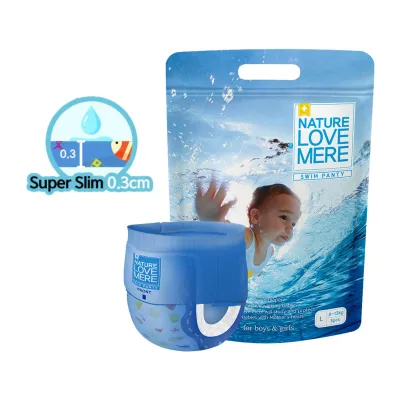
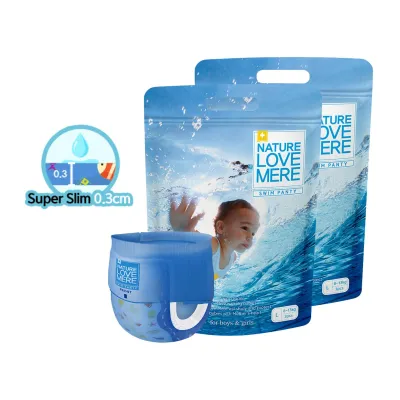
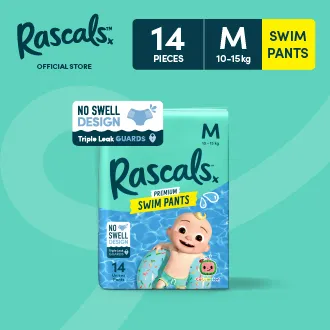
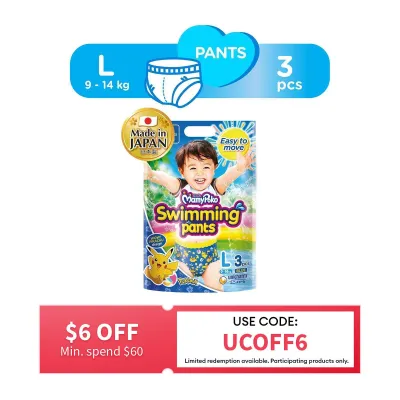
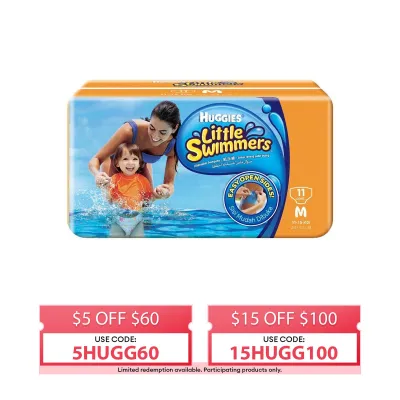
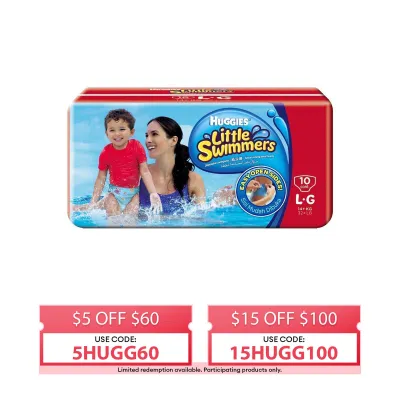
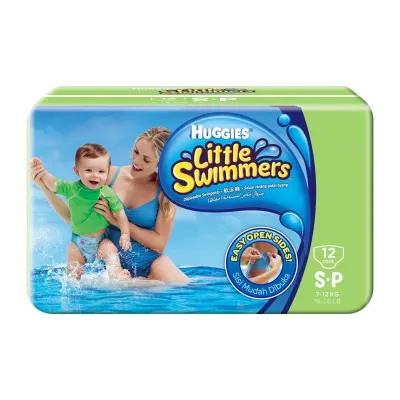
Prices are valid at publication and may change. Please refer to the product page for the latest price.
In Singapore, maintaining pool hygiene is a priority across public swimming complexes, private condominium pools, and commercial waterparks. Many of these venues enforce strict regulations regarding baby swimwear. Some facilities mandate the use of specific swim diapers, while others require a double-diapering system—typically consisting of a disposable or reusable swim diaper underneath a snug-fitting neoprene swim cover. Understanding these rules beforehand ensures you select compliant gear and avoid being turned away at the gate.
Key Features to Check for Containment and Comfort
When comparing different swimming diaper options, caregivers must inspect several physical attributes and structural elements to ensure both reliable containment and baby comfort. The most critical barrier against leaks is the leg cuff. Look for highly elastic leg gathers that fit snugly in the creases of the baby’s thighs. The waistband must also offer excellent stretch, providing a secure seal around the lower back and stomach without leaving deep red marks or restricting the baby’s breathing and movement.

Another essential feature is the internal containment mechanism. High-quality swim diapers often feature inner mesh linings or standing leak guards—vertical barriers of fabric running along the inside of the leg openings. These guards act as a physical trap for solid waste, ensuring that even during active kicking and splashing, nothing escapes into the water.
For disposable options, ease of removal is a major convenience factor. Look for designs with tear-away side seams. After a swim session, trying to pull a wet, soiled diaper down a baby’s legs can result in a significant mess. Tear-away sides allow caregivers to rip the diaper open at the hips and slide it away cleanly, minimizing the risk of spreading waste. Reusable options, on the other hand, often utilize side snaps or hook-and-loop fasteners to achieve a similar mess-free removal process.
Disposable vs. Reusable: Which Design Fits Your Routine?
Deciding between disposable and reusable swim diapers depends largely on how often your baby will be in the water, your budget, and your lifestyle preferences. Both designs have distinct advantages and trade-offs that appeal to different families.
Disposable swim diapers are highly convenient for occasional water activities, such as beach trips, staycations, or holidays. They are lightweight, require no washing afterward, and can be thrown away immediately after use. Because they are single-use, you always start with a fresh, consistent fit, and you do not need to worry about carrying a wet, soiled cloth diaper home in your bag. However, buying disposables repeatedly can become expensive over time if your baby swims frequently.
Reusable cloth swim diapers are highly cost-effective for babies attending weekly infant swimming classes. Made from durable, washable fabrics, these diapers often feature adjustable snap systems that allow the diaper to grow with your baby across several months or even years. This adjustability provides a highly customized fit around the waist and thighs. While the initial purchase price of a reusable diaper is higher than a pack of disposables, the long-term savings are substantial. The primary trade-off is maintenance; caregivers must be prepared to rinse, wash, and dry the diaper after every use.
How to Get the Sizing and Fit Right
Achieving a proper fit is the most important factor in preventing swim diaper leaks, yet sizing can be counterintuitive for many parents. Weight-based sizing on swim diaper packaging often differs significantly from standard daily diaper sizes. Because swim diapers lack the bulky absorbent core of regular diapers, they naturally sit lower and tighter on the baby’s body.
To find the correct size, do not rely solely on your baby’s current daily diaper size. Instead, consult the manufacturer’s specific size chart, which often lists weight ranges alongside physical measurements. If possible, measure your baby’s waist and upper thigh circumference using a soft measuring tape. A diaper that is too loose around the thighs will inevitably leak solid waste, while one that is too tight can cause painful chafing and restrict circulation.
Before entering the water, always perform a physical fit check. Use the two-finger rule: slide two fingers into the waistband and the leg cuffs. The fabric should feel snug against your fingers, with enough resistance to show a secure seal, but not so tight that it pinches the skin. If you can easily slide more than two fingers into the openings, the diaper is too large, and you should size down to ensure reliable containment.
Decision Framework: Choosing the Right Option for Your Baby
To finalize your purchase, consider this practical decision framework based on your baby’s profile and your swimming habits:
Choose disposable swim diapers if:
- You swim occasionally, such as once a month or only during holidays.
- You prioritize maximum convenience and want to avoid washing soiled swim gear.
- Your baby has highly sensitive skin or is prone to diaper rash, requiring immediate disposal of wet materials to prevent irritation.
- You are traveling and will not have easy access to laundry facilities.
Choose reusable swim diapers if:
- Your baby attends weekly swimming lessons or swims regularly in a condominium or public pool.
- You want a highly adjustable fit that accommodates rapid growth spurts via multi-row snaps.
- You prefer to minimize environmental waste and reduce ongoing diapering expenses.
- You want a diaper that can double as stylish swimwear without needing an extra swim trunk over it.
Before making your final choice, verify the rules of your chosen swimming facility. If the venue requires a double-diapering system, you may need to purchase a slim disposable diaper to wear underneath a snug reusable outer cover, or a specific combination approved by the pool management.
Essential Rules for Pool Hygiene and Safety
Using a swim diaper correctly is just as important as choosing the right design. To maintain pool hygiene and ensure your baby’s safety, always follow these essential practices:
First, change the swim diaper immediately if your baby has a bowel movement. Swim diapers are designed to contain solid waste temporarily, not indefinitely. The movement of water and the baby’s kicking can break down solids over time, increasing the risk of particles escaping into the pool. Additionally, change or remove the diaper as soon as your baby leaves the water to prevent chafing and skin irritation from prolonged contact with wet fabric.
Second, never put a regular absorbent diaper underneath a swim diaper unless specifically instructed by a venue’s unique hygiene policy. A regular diaper will quickly absorb pool water, swell to a dangerous weight, and sag, pulling the swim diaper down and rendering its leak guards useless.
Finally, monitor your baby’s comfort throughout the swim session. Check the skin around the waistband and thighs periodically for signs of redness or chafing. Once swimming is finished, remove the diaper immediately and rinse your baby’s skin thoroughly with fresh, clean water to remove chlorine, salt, or pool chemicals, then apply a gentle moisturizer if needed.
Frequently Asked Questions (FAQ)
Can I use a regular diaper under a swimming diaper?
No, you should not use a regular diaper under a swimming diaper. Regular diapers are designed to absorb liquids and will quickly fill with pool water, becoming extremely heavy and sagging. This weight can pull the swim diaper down, breaking the seal around the legs and waist, which increases the risk of leaks and creates a safety hazard by dragging the baby down in the water. If a facility requires double-diapering, use a specialized, non-absorbent swim liner or a designated double-diaper system rather than a standard daily diaper.
How do I clean a reusable swim diaper after use?
To clean a reusable swim diaper, first shake any solid waste into the toilet. Rinse the diaper thoroughly in cold water to remove chlorine, salt, or sand. Machine wash the diaper according to the manufacturer’s care label, typically on a gentle cycle with a mild detergent. Avoid using fabric softeners, bleach, or high-heat drying, as these can degrade the water-repellent properties of the fabric, damage the elastic leg gathers, and weaken the waterproof outer shell. Hang the diaper to air dry in the shade.
What should I do if the swim diaper leaks solid waste?
If a leak occurs, immediately remove your baby from the water to prevent further contamination. Notify the pool staff or lifeguards right away so they can initiate local public health and safety cleaning protocols. Clean your baby thoroughly with fresh water and mild soap. To prevent future leaks, re-evaluate the diaper’s fit. You may need to size down, adjust the snaps to a tighter setting, or switch to a different design with more robust leg gathers and a higher waistband.
Community discussion
Share your experience or ask a question. Comments are reviewed before publication.