
Choosing the right silicone plate for your baby is a practical step that directly supports their developing motor skills and changing nutritional needs. Because infants progress rapidly from swallowing smooth purees to grasping small finger foods, a plate that works well during the first few weeks of weaning may become impractical or easily overturned just a few months later. By matching specific design features—such as plate depth, compartment divisions, and suction strength—to your child’s current developmental milestones, you can minimize mealtime messes and foster independent eating habits.
Rather than relying solely on age guidelines printed on packaging, observing your baby’s physical coordination is the most reliable way to select feeding gear. Every child develops at their own pace, and their readiness to interact with tableware depends on core stability, hand-eye coordination, and grip strength. Selecting a plate designed for their specific abilities ensures that mealtime remains a positive, developmental experience rather than a source of frustration for both caregiver and child.
Identifying Your Baby's Current Weaning Stage
Before purchasing any feeding accessories, caregivers should assess their baby’s physical readiness and motor skills. The earliest indicator of weaning readiness is the ability to sit upright with minimal support and maintain steady head control. This physical stability is crucial because it allows the baby to safely swallow solid foods and reach for items on a tray without losing their balance. If a baby still slumps or requires significant physical support to stay upright, they are not yet ready for independent plate interaction.
Products mentioned in this guide
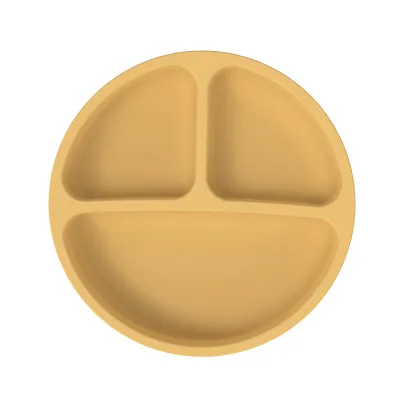
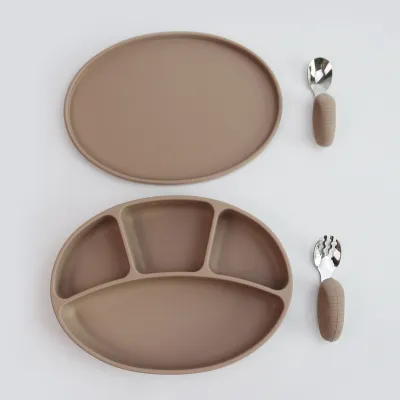
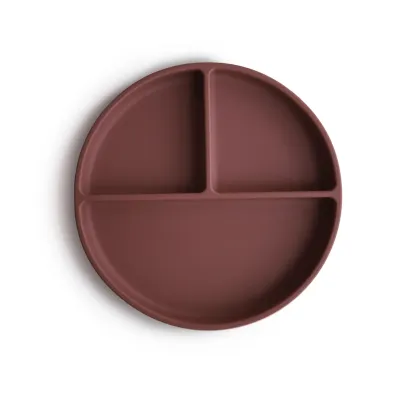
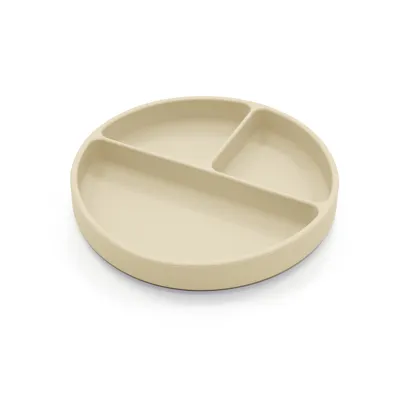
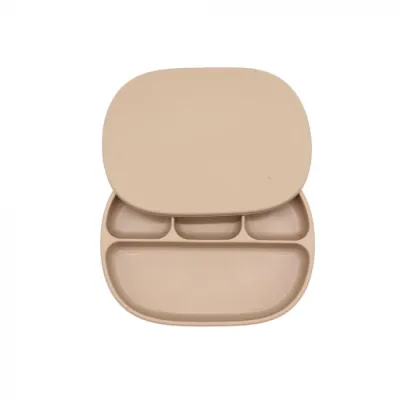
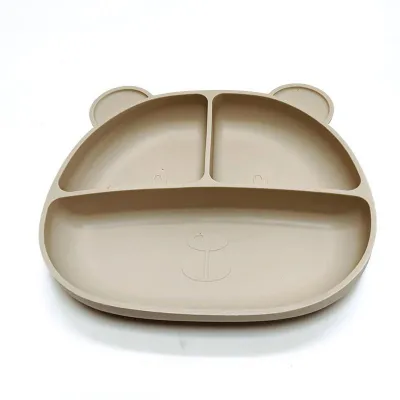
Prices are valid at publication and may change. Please refer to the product page for the latest price.
As babies transition from smooth, spoon-fed purees to mashed textures and soft finger foods, their hand movements undergo a noticeable shift. Initially, infants use a palmar grasp, using their entire hand to scoop up large pieces of food. Over time, they develop the pincer grasp, which is the ability to coordinate the index finger and thumb to pick up smaller, individual pieces of food. Recognizing this transition is essential because a plate that accommodates a clumsy palmar scoop will differ significantly from one designed to help a child practice precise pincer movements.
Active self-feeding attempts are another clear sign that your baby’s tableware needs are changing. When a baby begins grabbing the spoon, reaching for the bowl, or attempting to mimic your eating movements, they are ready to transition to a dedicated plate. At this stage, the plate is no longer just a container for food; it becomes an active learning tool. Observing these physical milestones allows you to choose a plate with the exact structural features required to support their current level of coordination.
Matching Silicone Plate Features to Feeding Milestones
Selecting the right silicone plate requires looking past aesthetic designs and focusing on functional geometry. Different stages of weaning demand specific plate depths, wall angles, and compartment layouts to match your baby’s developing motor skills.

Stage 1: Starting Solids and Purees
During the initial phase of weaning, caregivers typically lead the feeding process, introducing single-ingredient purees and smooth textures. At this stage, a plate with a shallow depth and a relatively small surface area is highly practical. These dimensions allow caregivers to easily scoop up small portions of food with a soft weaning spoon without navigating high walls or deep corners. Because portion sizes are minimal during the first few weeks, a compact plate keeps the food concentrated in one accessible area.
Even though caregivers do most of the feeding in Stage 1, a reliable suction base is still highly beneficial. Babies at this stage are naturally curious and highly active, often waving their arms or reaching out suddenly to grab whatever is within reach. A plate that suctions firmly to the high chair tray prevents accidental spills, flips, and splatters caused by sudden infant movements. This stability allows caregivers to focus entirely on the pacing of the feed and the baby’s swallowing cues.
Simple, single-compartment designs are ideal for early weaning. Since babies are introduced to one flavor at a time to monitor for potential sensitivities, there is no functional need to separate different food groups. A single, open bowl or shallow plate prevents purees from getting lost in small corners and makes cleanup much simpler for busy parents. It also provides a clean, uncluttered visual field for the baby as they learn to associate the sight of food with eating.
Stage 2: Self-Feeding and Texture Exploration
As babies begin experimenting with self-feeding and exploring varied textures, the physical design of the plate must adapt to support their efforts. Plates with angled or curved inner edges are particularly helpful during this transitional phase. When a baby attempts to scoop food with a spoon or slide finger foods up the side of the plate, a curved vertical wall acts as a natural backstop. This design helps push the food onto the spoon or into their fingers, reducing frustration and encouraging continued self-feeding practice.
Divided sections become highly beneficial as your baby’s diet expands to include multiple food groups, temperatures, and textures. Offering a variety of foods in separate compartments allows babies to explore different tastes individually without flavors bleeding together. This separation is not just visual; it also helps children who may reject meals if different textures touch. Divided plates also serve as a helpful visual guide for caregivers to ensure they are offering a balanced variety of proteins, carbohydrates, and vegetables.
At this stage, a baby’s physical strength and curiosity increase, meaning they will actively try to lift, pull, or throw their plate. Caregivers should look for plates with enhanced suction capabilities that can withstand lateral pulling forces. It is important to verify that the suction base is compatible with your specific high chair tray or dining table surface, as textured wood or matte finishes can significantly reduce suction effectiveness. Ensuring a tight seal keeps the focus on texture exploration rather than cleaning up major spills.
Stage 3: Independent Eating and Active Toddlers
Older babies and toddlers who eat independently require robust, durable plates that can accommodate larger portions and more complex meals. At this stage, plates should feature deeper walls and larger overall capacities to prevent food from spilling over the edges during enthusiastic self-feeding. Toddlers often use adult-style utensils or practice stabbing food with small forks, so the plate must provide a stable, wide base that does not tip or slide when downward pressure is applied.
Evaluating heavy-duty suction mechanisms becomes critical as toddlers develop the strength to deliberately defeat standard suction bases. Look for plates with wide, continuous suction rings or specialized pull-tabs that are positioned away from the child’s direct line of sight. The base surface area should cover a significant portion of the plate’s underside to distribute the suction force evenly. This prevents the toddler from getting leverage under the edges of the plate to pry it loose from the table.
Overall plate weight and structural stability are also key considerations for active toddlers. A heavier, thicker silicone plate offers better resistance to bending and warping when carried or handled. This structural rigidity is especially important when moving a loaded plate from the kitchen counter to the dining table. A flimsy plate can easily bend under the weight of toddler-sized portions, leading to accidental spills before the meal even begins.
Essential Safety and Material Checks Before Buying
When shopping for silicone tableware, caregivers must look beyond marketing claims and perform diligent material checks. Always inspect product packaging and labels for clear indications of material purity, such as food-grade silicone markings. High-quality silicone should be free from plastic fillers, chemical additives, and bisphenols. One common method to check for fillers is the “pinch test”: pinch and twist a flat section of the silicone. If white showing through the material is visible, it may contain plastic fillers, whereas pure food-grade silicone typically retains its consistent color throughout the twist.
Before exposing a silicone plate to heat, caregivers must verify the manufacturer’s specific temperature limits. Do not assume all silicone products are universally safe for the microwave, oven, or dishwasher. Look for embossed temperature ratings on the bottom of the plate or check the product manual for explicit guidelines. Operating within the manufacturer’s specified temperature range prevents the material from degrading, warping, or releasing unwanted odors into your baby’s food.
Upon unboxing a new silicone plate, conduct a thorough physical inspection before its first use. Check for any strong chemical odors, surface discoloration, or physical defects along the edges and suction base. The plate should feel smooth and free of sticky residues. Additionally, test the suction base on your home dining surfaces to ensure it forms a reliable seal. If the plate exhibits a persistent chemical smell or fails to adhere to a clean, flat surface, contact the manufacturer or retailer for a replacement.
Caregivers must also establish clear criteria for when to retire a silicone plate from service. Over time, constant washing, heating, and exposure to acidic foods can wear down the material. Inspect the plate regularly for deep scratches, tears, or areas where the silicone has become sticky or gummy to the touch. Damaged areas can harbor bacteria and are difficult to sanitize thoroughly. If you observe deep cuts from metal utensils, structural warping, or a complete loss of suction capability, stop using the plate immediately and replace it to maintain a hygienic feeding environment.
Caring for and Maintaining Your Silicone Plates
Proper cleaning and maintenance are essential to preserve the hygiene and extend the lifespan of your baby’s silicone plates. When using a dishwasher, always refer to the manufacturer’s instructions regarding rack placement. Most brands recommend placing silicone items on the top rack to keep them away from the intense, direct heat of the bottom heating element. Use mild, unscented dish soaps, as silicone is highly porous and can easily absorb strong synthetic fragrances, which may later transfer to your baby’s food.
Over time, silicone plates can develop stubborn white water spots, grease films, or lingering food odors. To safely resolve these issues without harsh chemicals, you can use common household pantry items. Creating a paste of baking soda and water, rubbing it over the surface, and letting it sit for several hours before rinsing can effectively neutralize odors. Alternatively, soaking the plate in a mixture of warm water and white vinegar helps break down mineral deposits and grease buildup, restoring the silicone’s natural texture.
After washing, ensure the plates are dried completely before storing them away. Avoid stacking wet silicone plates directly on top of one another, as trapped moisture can encourage mold growth and bacterial proliferation. Store the plates in a well-ventilated, dry cupboard away from direct sunlight and high-heat sources. Proper storage prevents the material from attracting dust and ensures that the plates remain clean, hygienic, and ready for your baby’s next meal.
Frequently Asked Questions (FAQ)
Why does my silicone plate lose its suction over time?
A silicone plate typically loses its suction due to the accumulation of microscopic dust, grease, and soap residue on either the suction base or the table surface. Even a tiny amount of debris can break the airtight seal required to maintain suction. To restore the grip, thoroughly clean both the plate’s base and the tabletop with warm, soapy water to remove all oils. For a stronger hold, ensure the surface is completely smooth, non-porous, and slightly damp before pressing the plate down firmly. If the silicone has become permanently warped or stretched from high heat exposure, the suction base may no longer sit flat, indicating it is time to replace the plate.
Can I use a divided silicone plate for early purees?
While you can technically use a divided plate for early purees, it is generally less practical than a simple, single-compartment bowl or shallow plate. During the initial stages of weaning, portion sizes are very small, often consisting of just a few spoonfuls of a single puree. Placing these tiny amounts into deep, divided compartments can make it difficult for caregivers to scoop the food out efficiently. Additionally, cleaning multiple corners and crevices is unnecessary when you are only serving one food item. It is usually best to start with a simple, open design and transition to divided plates once your baby begins eating a wider variety of solid finger foods and larger portions.
How do I safely verify if a silicone plate is microwave-safe?
To safely verify if a silicone plate is microwave-safe, you must locate the official manufacturer’s labeling, which is typically embossed on the bottom of the plate or detailed in the product packaging. Never place a plate in the microwave if it lacks clear, written confirmation of microwave safety. When heating food, be aware that silicone can heat unevenly, creating localized hot spots within the food that could burn your baby’s mouth. Always stir the food thoroughly and test the temperature on the inside of your wrist before serving. Additionally, avoid extreme temperature shocks, such as transferring a hot plate directly from the microwave into cold dishwater, as rapid temperature changes can weaken the structural integrity of the silicone over time.
Community discussion
Share your experience or ask a question. Comments are reviewed before publication.