
Choosing the right waterproof urine sheet for your baby’s changing table is essential for maintaining a hygienic nursery while keeping your little one secure. A well-fitting, high-quality sheet protects the changing pad from leaks and provides a comfortable, slip-free surface during diaper changes. To find the perfect option, you must prioritize precise measurements, safe fastening designs, and skin-friendly, easily washable materials that align with your household routine.
Measure Your Changing Table for a Secure Fit
Before purchasing any urine sheet, you must determine the exact dimensions of your changing pad to ensure a snug, safe fit. A loose cover can bunch up and create a safety hazard, while a sheet that is too tight may warp the pad or slip off the corners. Use a firm measuring tape to record the precise length, width, and depth of your existing changing pad. Do not rely on visual estimates, as even a minor discrepancy of a few centimeters can cause the sheet to slide during use.
The shape of your changing pad dictates the type of sheet you need. Most pads are rectangular, but many modern designs feature contoured edges or an hourglass silhouette to help keep the baby centered. Choosing a sheet specifically tailored to these contours prevents excess fabric from gathering in the middle, which could otherwise compromise stability during active diaper changes. A contoured pad requires a cover with matching pocket depths and elastic tension to maintain its ergonomic shape.
Products mentioned in this guide
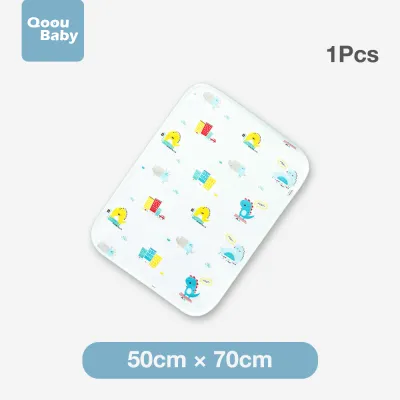
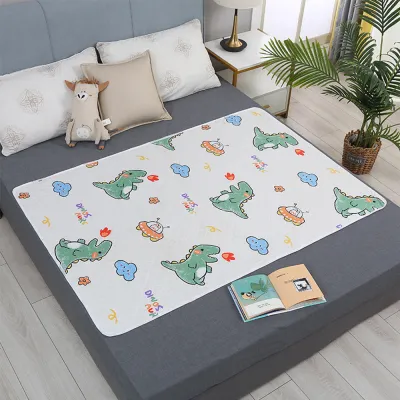
![[SG Seller]Disposable Sheet/baby changing pad/Underpads/maternity pad/diaper changing pad/Pet pad/diaper changing pad](https://img.lazcdn.com/g/p/1e18d5044cc6a8981a574358039de40b.png_400x400q80.png_.webp)
![[Singapore Seller] 50/100 Pc Disposable Adult Nursing Pad Incontinence Sheet for Elderly Pregnancy Maternity Infant Baby Urines Adult Diaper Diapers | Local Ready Stock](https://img.lazcdn.com/g/p/8b1dda71ab622cb47d5fea2eed8fee7b.jpg_400x400q80.jpg_.webp)

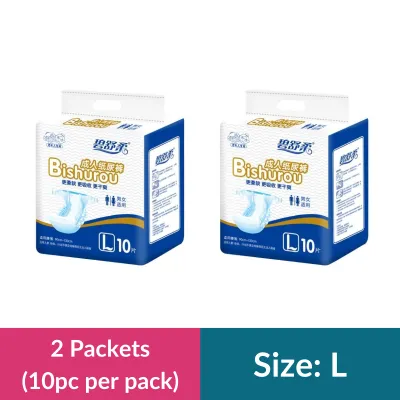
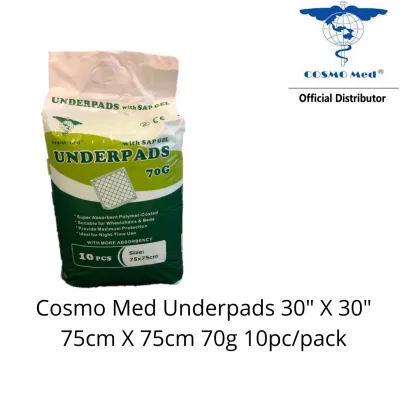
Prices are valid at publication and may change. Please refer to the product page for the latest price.
Always consult the changing table or pad manufacturer’s specifications for recommended cover sizes and fit tolerances. Many brands list compatible dimensions directly on their product labels or instruction manuals. Checking these details beforehand helps you avoid sizing mismatches and ensures the sheet’s elastic or straps align perfectly with the pad’s structure. If your pad has safety straps that secure the baby, ensure the sheet has pre-cut, reinforced slots to allow these straps to pass through safely.
Additionally, consider the material of the changing pad itself when measuring. Some pads are made of dense foam that resists compression, while others are softer and may compress slightly under the tension of a tight sheet. If your pad is highly compressible, a sheet that is slightly too small can pull the corners upward, creating an uneven surface. Ensuring the sheet matches the pad’s exact dimensions prevents this warping and keeps the changing surface flat and secure.
Evaluate Waterproof Materials and Comfort
A high-quality urine sheet must balance reliable moisture protection with a soft surface that is gentle on your baby’s sensitive skin. The top layer is what directly touches your baby, making material selection crucial. Common options include organic cotton, bamboo-derived blends, and soft microfiber, each offering different levels of breathability and texture. You can assess softness by feeling the fabric and check breathability by looking for open-weave or knit constructions that allow air to circulate, reducing heat buildup.

Beneath the comfortable top layer lies the waterproof backing, which prevents liquids from soaking into the changing pad. When evaluating these backing materials, read product labels and manufacturer safety certifications to verify they are free from potentially harmful chemicals like phthalates, lead, or formaldehyde. Look for clear, third-party testing labels on the packaging to confirm compliance with regional safety standards. This verification is especially important since your baby’s bare skin will frequently come into contact with the changing surface.
Different waterproof backings also offer distinct trade-offs in terms of noise and flexibility. Some traditional plastic backings can make a loud, crinkly sound whenever your baby moves, which might startle a fussy infant during late-night changes. Modern polyurethane membranes tend to be quieter and more flexible, providing a silent barrier that maintains its shape through multiple washes. Choosing a quiet backing helps keep the nursery environment calm and peaceful during midnight diaper transitions.
Furthermore, consider the absorption capacity of the top layer. While the waterproof backing stops leaks from reaching the pad, a slightly absorbent top layer can help contain minor spills before they run off the sides of the sheet. Fabrics like bamboo terry or brushed cotton are excellent at trapping small amounts of moisture, keeping your baby drier during the change and making cleanup much easier for you.
Prioritize Safety Features and Secure Fastenings
Safety is the most critical factor when selecting any nursery bedding, including changing table sheets. You must evaluate how the sheet secures to the pad to prevent shifting while your baby is on the table. Look for covers with strong elasticized edges that wrap fully underneath the pad, fitted skirts that hug the sides, or integrated tie-down straps that buckle beneath the changing table frame. These features work together to keep the sheet anchored, even when your baby kicks or wiggles.
Loose or bunched fabric on a raised changing surface poses a serious safety risk. If a baby rolls or moves actively, loose material can shift under their body, potentially leading to entanglement or creating a suffocation hazard. A secure, taut fit ensures the surface remains flat and stable throughout the entire diaper change. Never use a sheet that has lost its elasticity or one that does not fit the corners of the pad snugly.
Always verify safety compliance, age recommendations, and weight limits directly on the product packaging or the manufacturer’s official website. Some sheets are designed only for specific age ranges or weight capacities, and using them outside these parameters can compromise their structural integrity. Never ignore these guidelines, and stop using any sheet that shows signs of loose threads, failing elastic, or torn seams, as these can become safety hazards.
In addition to secure fastenings, pay attention to how the sheet interacts with the changing table’s safety belt. Most safety guidelines recommend using the table’s built-in safety strap to secure your baby during changes. The ideal waterproof sheet should have dedicated openings that allow these straps to pass through without bunching the fabric or compromising the sheet’s secure fit on the pad.
Assess Cleaning Requirements and Durability
Diaper changes are naturally messy, meaning your changing table sheet will require frequent laundering. Before buying, review the care instructions to ensure the sheet fits into your household cleaning routine. While some parents prefer machine-washable fabric covers that can be thrown into the laundry, others opt for wipe-clean designs that can be sanitized quickly between uses without removing the cover. Consider how much time you can dedicate to laundry when deciding between these styles.
If you choose machine-washable sheets, pay close attention to the drying restrictions specified by the manufacturer. High heat can degrade, melt, or crack the waterproof membrane over time, rendering the sheet useless. Many waterproof covers require air drying or tumble drying on a low, delicate setting to preserve the integrity of the protective barrier. Following these guidelines ensures the sheet remains waterproof and soft for a longer period.
Regularly inspect your urine sheets for signs of wear and tear that indicate the waterproof layer has failed. If you notice peeling, stiffness, cracking, or if liquid begins to seep through to the pad, the sheet must be replaced immediately. Keeping a few spare sheets on hand ensures you always have a clean, safe option ready during laundry cycles, preventing the temptation to use a damaged or ill-fitting cover.
Additionally, consider the color and pattern of the sheet in relation to washing. Lighter colors may show stains more easily, requiring pre-treatment or specialized baby-safe stain removers. Choosing patterns or slightly darker neutral tones can help maintain a clean appearance over time, provided you continue to sanitize the sheet thoroughly according to the manufacturer’s instructions.
Your Step-by-Step Selection and Verification Checklist
To make a confident purchase and ensure your baby’s safety, follow this structured process when selecting and setting up your new changing table sheet:
- Step 1: Match your measurements. Compare your changing pad's length, width, and depth against the sheet's packaging dimensions before buying to guarantee a compatible fit.
- Step 2: Review the labels. Read the care label, material composition, and manufacturer safety warnings thoroughly before washing or using the product for the first time.
- Step 3: Perform a fit test. Place the sheet on the pad and check that it lies completely flat with no loose fabric, overlapping edges, or bunching in the center.
- Step 4: Check the fastenings. Ensure all elastic bands, straps, or buckles are securely fastened and do not slip when you apply gentle pressure to the edges.
- Step 5: Test water resistance. If permitted by the manufacturer's instructions, pour a few drops of water on an inconspicuous area to verify the liquid pools on top or is blocked by the backing.
By systematically verifying each of these steps, you can ensure that the sheet you choose provides both the practical leak protection you need and the safe, secure environment your baby deserves.
Frequently Asked Questions (FAQ)
Can I use a standard crib sheet instead of a dedicated urine sheet?
No, you should not use a standard crib sheet on a changing pad. Crib sheets are designed for much larger, thicker mattresses, meaning they will have a significant amount of excess, loose fabric when placed on a thin changing pad. This loose material creates a slipping and suffocation hazard on a raised changing surface, where stability is critical for your baby’s safety. Always use a cover specifically sized for changing pads.
How often should I replace the waterproof changing sheet?
You should replace the sheet as soon as you observe any signs of physical degradation. Inspect the cover regularly for cracking, peeling of the waterproof backing, loss of edge elasticity, or persistent odors that do not wash out. Following the manufacturer’s specific lifespan guidelines and replacing the sheet immediately if leaks occur will help maintain a hygienic and safe changing environment for your baby.
Community discussion
Share your experience or ask a question. Comments are reviewed before publication.