
To ensure bathroom safety, a tap extender for kids must feature a secure, slip-proof attachment mechanism, non-toxic and mold-resistant materials, and ergonomic flow control that prevents splashing or sudden temperature surges. In Singapore’s humid climate and typical high-rise apartments, bathroom fixtures are frequently exposed to moisture, making material hygiene and secure fitting even more critical. Helping your child reach the water stream independently is a major milestone, but it requires careful evaluation of the product’s physical design and compatibility with your existing basin. By focusing on robust construction and proper installation, parents can foster independence while minimizing the risks of slips, water damage, or accidental scalds.
Quick Safety Checklist Before You Buy
Before purchasing a tap extender, parents should run through a quick mental checklist to ensure the product meets basic safety and functional requirements. This initial screening helps narrow down the vast selection available on ecommerce platforms and in local baby specialty stores.
- Secure Attachment: The extender must match your faucet shape (round, square, or gooseneck) and remain firmly in place under high water pressure.
- Material Certification: Look for verifiable labels indicating the product is free from BPA, phthalates, and PVC.
- Slip-Resistant Grip: Choose designs with textured surfaces so soapy little hands can adjust them safely without slipping.
- Flow Management: Select models that direct water smoothly without restricting flow to the point of causing backpressure leaks.
- Caregiver Supervision: Remember that no safety device replaces active adult supervision in the bathroom.
Evaluating Attachment Mechanisms for a Secure Fit
The way a tap extender connects to your faucet is the single most critical factor in preventing sudden detachments, leaks, or water damage. A loose extender can slip off mid-use, startling a child or sending a high-pressure stream of water splashing onto the bathroom floor, creating an immediate slip hazard.
Products mentioned in this guide
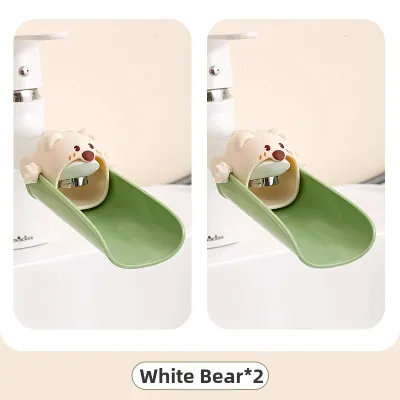
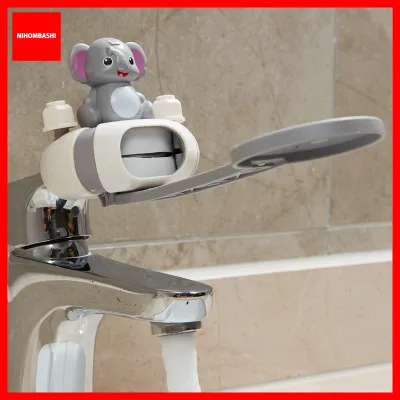
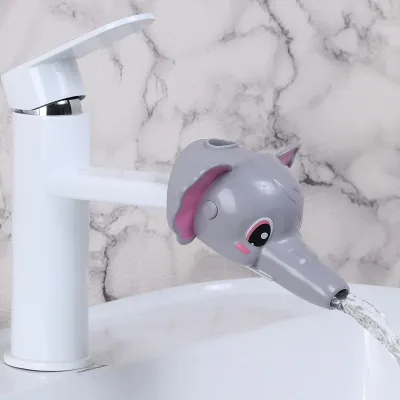
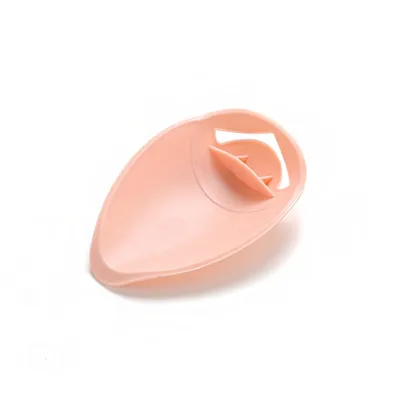
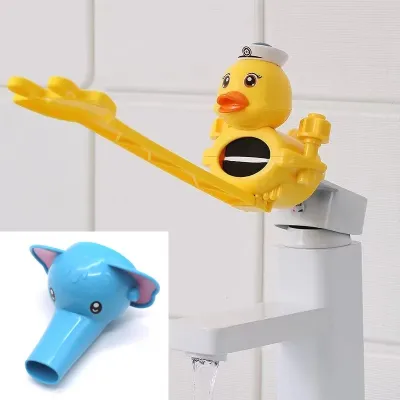
![[SG SELLER] [FREE SHIPPING] Children Kids Faucet Tap Extender Sink Wash Hands Guides Flow Of Water Nearer To Child](https://img.lazcdn.com/g/p/e087de8b9b1ded907e95266a02c5c5c0.jpg_400x400q80.jpg_.webp)

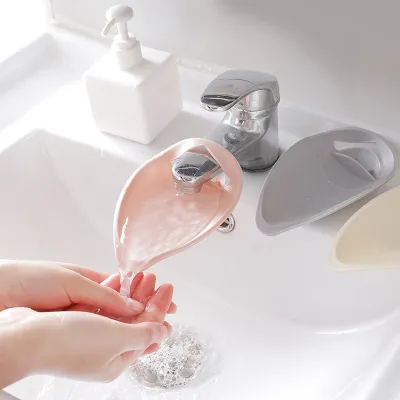
Prices are valid at publication and may change. Please refer to the product page for the latest price.

Threaded screw-on adapters offer a highly secure, semi-permanent connection. These models typically replace your faucet’s existing aerator and screw directly onto the metal threads. Because they are mechanically fastened, they are highly resistant to water pressure and are unlikely to slide off over time. However, using these requires you to verify your faucet’s exact thread size and type before buying. Standard faucets typically feature either male threads (located on the outside of the spout, usually measuring 22mm) or female threads (located on the inside of the spout, usually measuring 24mm). Knowing these measurements helps you select a tap extender with the correct matching adapter.
Universal silicone slip-ons, on the other hand, rely on friction and elasticity to grip the outside of the spout. While they are incredibly easy to install and fit a wide variety of faucet shapes, they are more prone to wear. Over time, exposure to warm water, liquid hand soap, and physical pulling can cause the silicone collar to stretch and lose its grip.
To ensure a secure fit, always check your faucet’s surface texture and shape. Smooth, highly tapered, or square spouts may not provide enough friction for a standard slip-on extender. If you choose a slip-on model, look for designs that include adjustable straps or tightening clamps to reinforce the connection.
Warning signs of a poor fit include water spraying backward from the connection point, the extender sagging or tilting downward, or the device sliding forward when the tap is turned on. If you observe any of these signs, stop using the extender immediately. Continuing to use an ill-fitting device increases the risk of sudden detachment and water damage to your bathroom vanity.
Verifying Material Safety and Hygiene Standards
Because children frequently touch the tap extender and may even attempt to drink directly from the extended water stream, verifying the safety and hygiene of the materials is paramount. Parents must look beyond colorful designs and focus on the chemical composition and structural integrity of the product.
When reviewing product packaging or online listings, look for clear, verifiable claims such as “BPA-free,” “phthalate-free,” and “food-grade silicone.” Because these claims are self-reported by manufacturers, it is wise to look for references to recognized testing standards or independent laboratory verifications. When verifying material safety, look for certifications such as FDA-compliant food-grade silicone or LFGB certification on the packaging. These standards indicate that the material has undergone testing to ensure it does not leach harmful chemicals into the water stream, even when exposed to warm water over extended periods. Avoid products that emit a strong, chemical odor upon opening, as this can indicate the presence of low-grade plastics or volatile organic compounds.
In Singapore’s warm, highly humid tropical climate, bathroom accessories are prime breeding grounds for mold, mildew, and bacterial biofilms. Water can easily pool inside the hollow channels of a tap extender, creating a dark, damp environment where bacteria thrive. This is especially true for extenders with complex, multi-layered designs or deep crevices.
To minimize hygiene risks, choose extenders with smooth internal channels, minimal crevices, and open-drain configurations that do not trap standing water. Materials like high-quality, non-porous silicone are naturally more resistant to mold buildup than cheap, porous plastics.
Establish a strict routine cleaning schedule to maintain hygiene. Remove the extender at least once a week, wash it thoroughly with mild dish soap and warm water, and allow it to air-dry completely in a well-ventilated area. If the extender is dishwasher-safe according to the manufacturer’s instructions, you can run it through a sanitizing cycle periodically.
Regularly inspect the material for visual signs of degradation. Hard plastics may develop hairline cracks, sharp edges, or discoloration over time due to exposure to tap water minerals and cleaning agents. Silicone may become sticky, slimy, or develop stubborn black mold spots that cannot be scrubbed away. If you notice any structural degradation, stickiness, or persistent mold, discard the product immediately and replace it.
Assessing Ergonomics and Water Flow Control
An effective tap extender does more than bring water closer; it must make the water flow manageable and safe for small hands. Proper ergonomics and flow control prevent splashing, water waste, and accidental exposure to hot water.
Children’s hands are often wet and soapy during handwashing, which increases the risk of slipping. If the extender features adjustable parts, handles, or dual-flow switches, these components must have textured, non-slip surfaces or rubberized grips. This ensures your child can adjust the direction or flow without their hands slipping off, which could lead to accidental bumps against the hard metal faucet.
Water flow control is another critical safety dimension. Some extenders feature built-in flow restrictors or easy-turn valves to manage water volume. While these can help conserve water, they must be evaluated carefully. If a restrictor blocks the flow too aggressively, it can cause water to back up into the faucet neck, potentially damaging older plumbing joints or causing leaks.
Furthermore, sudden changes in water volume can alter the water temperature, especially in homes using instant gas or electric water heaters. A sudden drop in flow might cause the heater to cycle off, resulting in cold water, while a sudden restriction could lead to a brief surge of hot water. Always test the water temperature yourself at various flow rates before letting your child use the extender.
The physical dimensions of the extender—its spout length and angle—must match your sink’s depth. In compact Singaporean bathrooms, such as those in HDB flats, sink basins are often shallower or smaller than standard commercial basins. A tap extender that extends too far forward can easily overshoot the basin, causing water to pool on the floor. Measure the distance from the faucet spout to the front edge of the basin to ensure the extender leaves ample room for your child’s hands without causing water to spill over. Choose an adjustable model that allows you to direct the stream downward into the center of the drain.
Checking Faucet Compatibility and Installation
Before purchasing any tap extender, take precise measurements of your bathroom faucet to ensure compatibility and prevent damage to your plumbing fixtures.
Use a measuring tape or caliper to determine the outer diameter of the spout. If your faucet has a removable aerator, unscrew it to identify whether it has male threads (threads on the outside) or female threads (threads on the inside). This step is crucial because many secure, screw-on extenders require specific thread adapters to create a watertight seal.
During installation, always use the appropriate rubber washers or seals provided by the manufacturer. These seals prevent water from leaking backward through the connection. A leaking connection not only wastes water but can also run down the back of the faucet, seeping into the vanity cabinet or behind the sink basin, leading to hidden water damage and mold growth.
Tighten all connections firmly by hand. Avoid using heavy metal wrenches or pliers on plastic or silicone extenders, as excessive force can easily crack the plastic threads or tear the silicone collar. If the connection feels loose, check if you need to add plumbing tape (Teflon tape) to the threads, but do so only if recommended by the manufacturer.
If you encounter incompatible fixtures—such as highly customized designer taps, waterfall faucets, or fragile vintage spouts—do not force the installation. Forcing an ill-fitting extender can damage your plumbing fixtures, leading to costly repairs. In such cases, stop the installation immediately and consult a qualified professional plumber to explore alternative solutions, such as installing a child-friendly basin or a compatible faucet nozzle.
Matching Features to Your Child's Developmental Stage
A child’s physical capabilities and safety needs change rapidly as they grow, meaning the ideal tap extender features will depend on their developmental stage. Matching the extender’s complexity to your child’s age ensures they can use it safely and confidently.
Toddlers For very young children who are just learning to wash their hands, simplicity and high visibility are key. Look for simple, one-piece silicone slip-on extenders with fixed water channels. These models have no moving parts that can pinch tiny fingers or be pulled apart. Bright, contrasting visual cues can help toddlers identify where the water is flowing, encouraging them to reach forward safely under close caregiver supervision.
Preschoolers As children develop better hand-eye coordination and grip strength, they can transition to extenders with integrated, easy-grip handles or adjustable angles. These features allow preschoolers to direct the water flow independently. However, ensure the adjustment mechanisms operate smoothly and do not require excessive force, which could cause the child to pull down hard on the faucet and strain the plumbing.
Older Children Older kids who can understand basic safety rules may benefit from advanced models, such as those with integrated temperature indicators or dual-flow options (switching between a spray and a stream). If choosing a model with a temperature indicator, verify the manufacturer’s instructions regarding battery safety and water resistance. Never rely solely on a digital display or color-changing light to guarantee water safety; always teach your child to test the water temperature with the back of their hand before washing.
Frequently Asked Questions (FAQ)
Can a tap extender cause water damage if left on?
Yes, a tap extender can contribute to water damage if it restricts water flow too severely or is installed incorrectly. When water flow is restricted at the end of the spout, it creates backpressure within the faucet body. Over time, this continuous pressure can weaken the internal seals, washers, and joints of your faucet, leading to slow leaks behind the sink or inside the wall. To prevent this, routinely inspect the connection points, rubber washers, and the faucet base for any signs of moisture or dripping. Never leave the tap running unattended, and ensure the extender is kept clean so that mineral buildup does not block the water path and increase backpressure.
Are silicone tap extenders safer than plastic ones?
Both materials offer distinct safety profiles, and neither is universally superior. Silicone extenders are highly flexible, impact-resistant, and soft to the touch, which minimizes the risk of injury if a child accidentally bumps their head or hands against the spout. Their pliable nature also makes them less prone to cracking when dropped or stretched. However, silicone can stretch out over time, potentially slipping off the faucet unexpectedly. Hard plastic extenders provide excellent structural stability and a highly secure, rigid connection, especially when using threaded adapters. However, plastic can become brittle over time due to exposure to warm water and cleaning chemicals, leading to sharp cracks or broken pieces that pose a scratching hazard. Parents should choose based on their faucet type and commit to regular safety inspections of either material.
Community discussion
Share your experience or ask a question. Comments are reviewed before publication.