
Bathing your baby is a cherished daily ritual, but it also requires the highest standards of safety and vigilance. In Singapore, where space-saving solutions are highly valued for modern apartments, a portable bath tub offers an appealing blend of convenience and functionality. However, choosing the right tub goes far beyond finding a model that fits your bathroom layout or matches your nursery decor. Ensuring that a portable bath tub is structurally sound, free from toxic chemicals, and compliant with recognized safety standards is essential to protect your infant from slips, falls, and water-related hazards. By understanding what to look for on product labels and how to verify manufacturer claims, you can make an informed decision that prioritizes your child’s well-being.
Navigating Safety Certifications and Standards in Singapore
When shopping for baby products in Singapore, understanding the regulatory landscape is the first step toward ensuring safety. The Consumer Product Safety Office (CPSO), which operates under Enterprise Singapore, oversees the safety of general consumer goods, including infant care items. While baby bath tubs do not require a mandatory “SAFETY Mark” (which is typically reserved for controlled electrical appliances and specific high-risk household items), they are still subject to the Consumer Protection (Safety Requirements) Regulations. This means that any supplier offering these products in Singapore is legally obligated to ensure they are safe for consumer use and meet international safety benchmarks.
To verify the safety of a portable bath tub, you should look for specific international testing standards on the product packaging, user manual, or the manufacturer’s official website. The most widely recognized standards for infant bathing products include ASTM F2670 (the standard consumer safety specification for infant bath tubs established by the American Society for Testing and Materials) and EN 17072 (the European standard specifying safety requirements and test methods for children’s baths and stands). These standards govern critical safety aspects, such as stability, structural integrity, the prevention of entrapment hazards, and the adequacy of warning labels.
Products mentioned in this guide
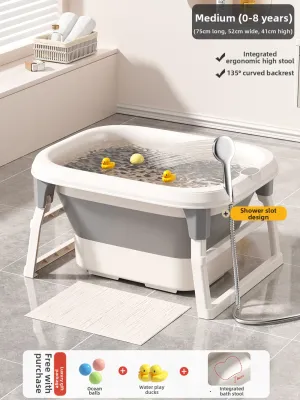
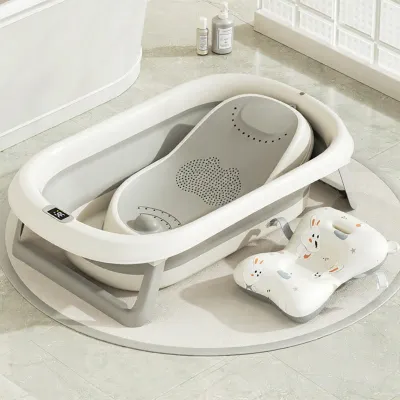
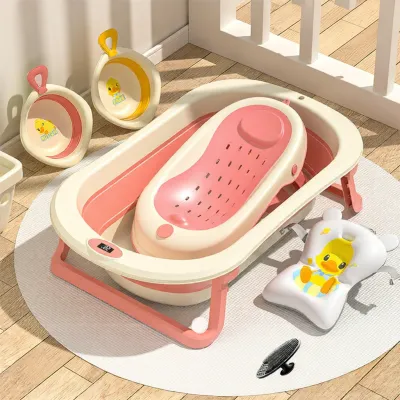
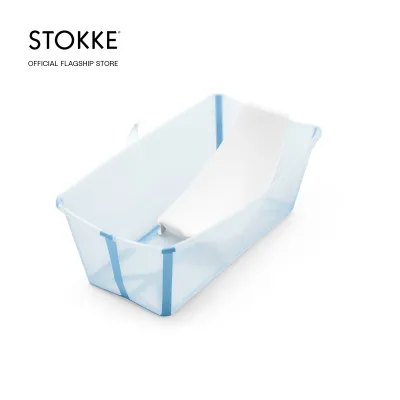
![[SG Stock] WOODLES Bathtub Portable Foldable Hot Tub Adult Kids Child Indoor Room Bath Tub★Local Shipping and Warranty](https://img.lazcdn.com/g/p/bd6592cd52f13860b6cc2ab72bee68ca.jpg_400x400q80.jpg_.webp)

Prices are valid at publication and may change. Please refer to the product page for the latest price.
Evaluating manufacturer safety claims requires a critical eye, especially when shopping on digital platforms. Many brands use promotional keywords like “certified safe,” “pediatrician-approved,” or “non-toxic” without providing verifiable evidence. To ensure these claims are legitimate, look for independent laboratory test marks from reputable testing bodies such as TÜV SÜD, SGS, or Intertek. A reputable manufacturer will readily provide compliance certificates or test reports upon request, detailing how the product performed under rigorous mechanical and chemical testing. If a brand cannot or will not provide this documentation, it is best to consider alternative options.
Critical Physical Safety Features to Evaluate
The physical design of a portable bath tub directly impacts your baby’s safety during bath time. One of the most critical features to evaluate is the slip resistance of the tub’s interior. Look for models that feature textured surfaces, rubberized non-slip grips, or integrated foam padding that prevents your baby from sliding around when wet and soapy. For newborns and younger infants who cannot sit up unsupported, an ergonomic infant support insert or a contoured recline feature is essential. This support must be securely integrated into the tub or lock firmly into place to prevent it from shifting while the baby is positioned inside.

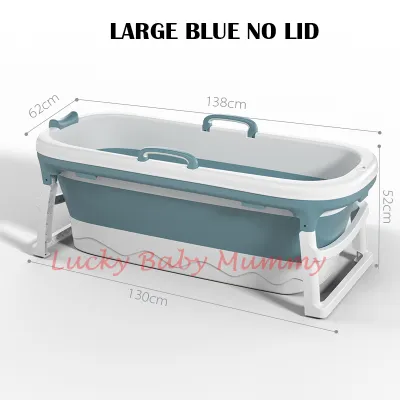
For foldable or collapsible portable bath tubs, the locking mechanism is a vital safety component. These tubs rely on hinges, joints, or folding legs to remain upright and stable. You must carefully examine these mechanisms to ensure they lock securely into place and cannot be accidentally collapsed by the weight of the water or the baby’s movements. Flimsy or poorly designed hinges pose a significant risk of sudden collapse, which can lead to water spilling rapidly and potential injury to your child.
Material safety is another paramount consideration, as your baby’s sensitive skin will be in direct contact with the tub’s surface. Ensure the product is explicitly labeled as BPA-free, phthalate-free, and lead-free. Because these chemical claims are easy to print on packaging, you should verify them by checking the manufacturer’s official specifications or requesting their chemical compliance reports. Additionally, run your hands along all edges, seams, and joints of the tub to check for smoothness. Any sharp plastic flashing, rough seams, or exposed metal parts can easily scratch or pinch your baby’s delicate skin.
Finally, pay close attention to the drainage plug and any built-in temperature indicators. The drainage plug must fit tightly and securely to prevent leaks, yet it should sit completely flush with the bottom of the tub so it does not cause discomfort or scratching. Many modern portable tubs feature color-changing drainage plugs or digital temperature displays designed to alert you if the water is too hot. While these indicators are helpful tools, they are not infallible. You must always manually verify the water temperature using a separate, reliable bath thermometer or by testing the water with the inside of your wrist before placing your baby in the tub.
Balancing Portability, Storage, and Daily Usability
Selecting a portable bath tub requires finding a balance between safety, durability, and how well the product fits into your daily caregiving routine. Portable tubs generally fall into two main design categories: hard-shell collapsible tubs and inflatable tubs. Hard-shell collapsible models typically feature rigid plastic ends with flexible silicone or thermoplastic elastomer (TPE) middle sections that fold flat. These offer excellent structural stability and durability, but they can be heavier and may present pinch points if the folding joints wear out over time. Inflatable tubs, on the other hand, are highly lightweight and exceptionally compact when deflated, making them convenient for travel. However, they are far more susceptible to punctures, can be less stable on wet bathroom floors, and often lack the rigid ergonomic support required for newborns.
The weight of the tub and its storage requirements are also crucial for daily usability, particularly in Singapore’s humid tropical climate. A tub that is too heavy or awkward to lift when filled with water can strain your back and increase the risk of accidental spills. Look for models with ergonomic handles that make carrying and emptying the tub manageable. After each use, the tub must be thoroughly cleaned and dried. In high-humidity environments, moisture can easily become trapped in the crevices of folding joints or under support inserts, creating an ideal breeding ground for mold and mildew. Choose a design that features a built-in hook or a streamlined shape that allows it to hang dry in a well-ventilated area.
To determine the appropriate size of the tub, you must cross-reference your baby’s current developmental stage and physical measurements with the manufacturer’s stated limits. Never rely solely on generic age recommendations or the product’s marketing name to determine suitability. Instead, look for the specific maximum weight and height limits printed on the product’s warning label. A tub that is too small will restrict your baby’s movement and cause discomfort, while a tub that is too large can make it difficult to keep your baby safely positioned, increasing the risk of submersion.
Your Pre-Purchase Verification Checklist
Before finalizing your purchase of a portable baby bath tub, conducting a systematic verification process will help ensure you are selecting a safe and reliable product. Whether you are shopping in a physical retail store in Singapore or browsing an online marketplace, having a structured checklist allows you to filter out substandard products and make a confident decision.
If you are purchasing the tub online, start by thoroughly reviewing the product listing and the brand’s official digital storefront. Verify that the listing explicitly states compliance with recognized international safety standards, such as ASTM F2670 or EN 17072. Check the product specifications for material safety certifications, ensuring the plastic and silicone components are certified food-grade, BPA-free, and non-toxic. Additionally, review the seller’s return policy and warranty terms. A reputable seller should offer a clear return window, allowing you to inspect the product physically upon arrival and return it if it does not meet your safety expectations.
When evaluating a tub in a physical retail store, or immediately after unboxing an online purchase, perform a hands-on physical inspection. Open and close the folding mechanisms several times to assess the stiffness and security of the hinges. Press down firmly on the bottom and sides of the tub to check for structural flexing or instability. Run your fingers along all interior and exterior seams to ensure there are no sharp edges or rough plastic remnants. Check that the drainage plug seals tightly and sits completely flush with the tub floor.
Be vigilant for critical red flags that should immediately prompt you to stop the purchase or return the product. These warning signs include missing or poorly translated safety labels, a lack of clear age or weight recommendations, flimsy or loose locking hinges, and a strong chemical odor indicating the use of low-quality plastics. If you encounter any of these issues, or if the manufacturer fails to provide clear answers to your safety inquiries, it is best to choose a different model from a transparent and established brand.
Frequently Asked Questions (FAQ)
At what age or weight should I stop using a portable baby bath tub?
You should transition your child out of a portable baby bath tub as soon as they exceed the maximum weight, height, or developmental limits specified on the manufacturer’s warning label. Beyond these numerical limits, you must observe your baby’s physical behavior during bath time. Clear signs that your baby has outgrown the tub include restricted physical movement, their head or feet touching the ends of the tub, or attempts to sit up unsupported in a reclined tub. Most importantly, if your baby begins attempting to pull themselves up, kneel, or climb over the edges of the portable tub, you must stop using it immediately to prevent tipping or fall hazards, and transition them to a standard household bath tub with appropriate safety mats.
How do I properly clean and store a foldable bath tub to prevent mold?
To prevent the growth of bacteria, mold, and mildew, you must establish a strict cleaning and drying routine after every bath. Rinse the tub thoroughly with clean water to remove all soap scum, body oils, and bath additives. Wipe down the entire surface, paying close attention to the flexible silicone joints, crevices, and the area around the drainage plug where water tends to pool. Hang or place the tub in a well-ventilated area with plenty of airflow to dry completely before folding or storing it away. In Singapore’s humid climate, storing a damp tub in a closed cabinet will rapidly promote mold growth. You must stop using the tub and replace it if you observe persistent mold in sealed joints that cannot be removed, material degradation such as cracking or tearing of the flexible joints, or if the locking hinges become loose or compromised.
Community discussion
Share your experience or ask a question. Comments are reviewed before publication.