
To find the safest baby softener for a newborn in Singapore, parents must look beyond marketing terms like “baby-safe” and instead verify the complete ingredient list, check for third-party dermatological certifications, and avoid common irritants like synthetic fragrances, dyes, and quaternary ammonium compounds. Because newborn skin is exceptionally thin and highly permeable, even residual laundry chemicals can disrupt the skin barrier.
While many brands are widely available in Singapore supermarkets and online marketplaces, safety is not determined by a brand name but by the specific formulation. This guide provides a systematic framework to help you evaluate any baby softener, understand label claims, and adopt laundry habits that protect your baby’s delicate skin. By learning how to read ingredient lists and verify safety standards, you can make informed decisions that keep your newborn’s clothes soft and irritation-free.
Why Newborn Skin Reacts to Standard Laundry Products
A newborn’s skin is structurally different from adult skin, making it far more vulnerable to external irritants. The outer layer of the skin, known as the stratum corneum, is up to 30% thinner in infants than in adults. This thinness results in a highly permeable skin barrier, which allows topical substances and chemical residues left on clothing to be absorbed into the body at a much higher rate.
Products mentioned in this guide
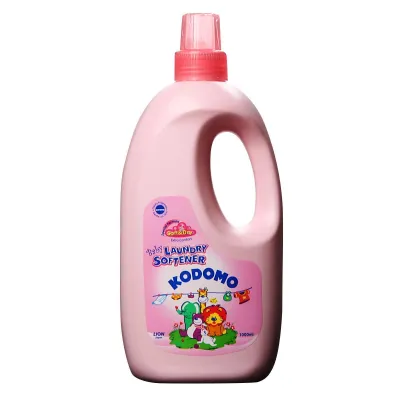
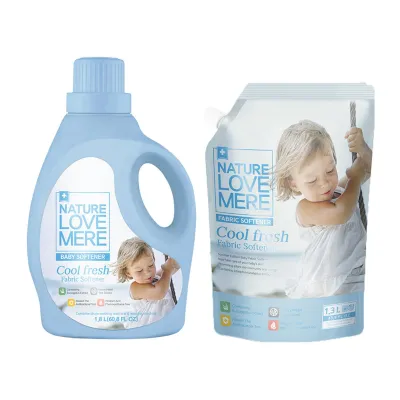
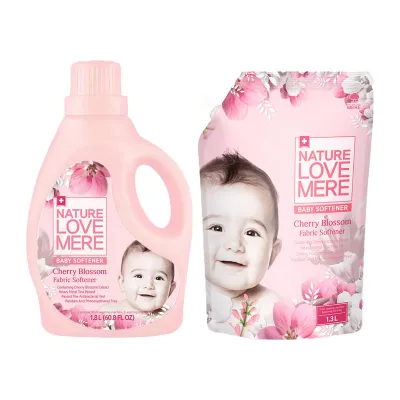
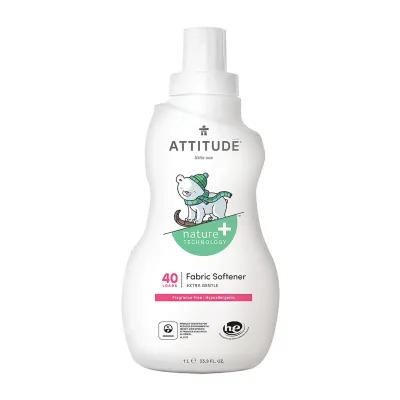
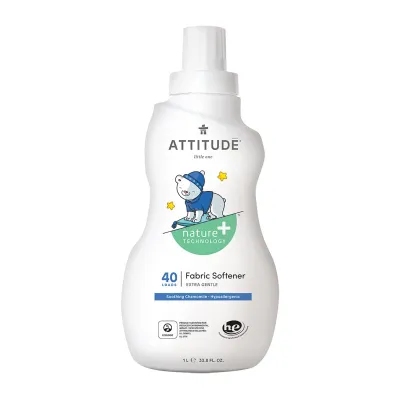
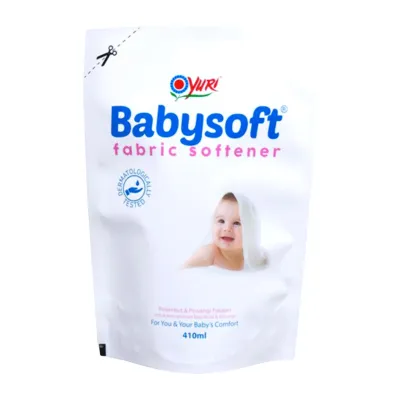
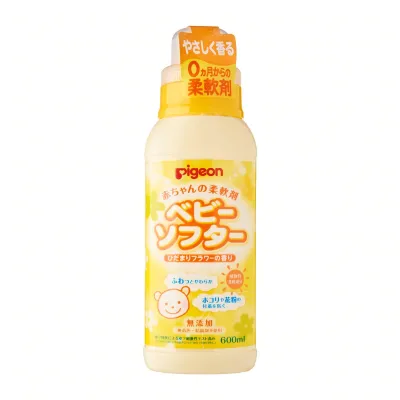
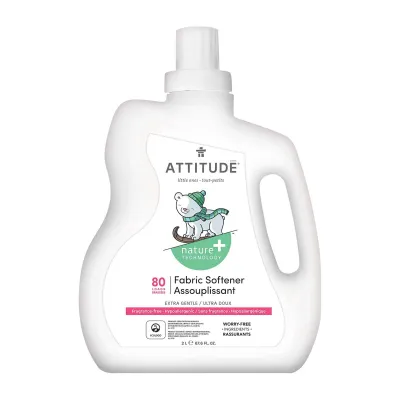
Prices are valid at publication and may change. Please refer to the product page for the latest price.
In addition to being thinner, a newborn’s skin pH is still transitioning. While adults maintain a slightly acidic skin pH of around 5.5 to protect against harmful bacteria, a newborn’s skin starts closer to neutral and gradually develops its protective acid mantle over the first few weeks of life. Standard laundry products often leave alkaline residues on fabric fibers, which can disrupt this delicate pH transition and weaken the skin’s natural defenses.
The infant skin microbiome is also in its early stages of development. Introducing harsh chemical residues from standard fabric softeners can alter this microbial balance, potentially leading to dryness and irritation. When clothes rub against a baby’s skin, these chemical residues can cause friction-induced irritation, compromising the skin barrier and triggering contact dermatitis or infant eczema flare-ups.
Safety Labels and Certifications to Look For
When shopping for a baby softener in Singapore, navigating the claims on the front of the bottle can be challenging. Terms like “hypoallergenic” are widely used but are not legally binding medical standards. This label simply means the manufacturer claims the product is less likely to cause allergic reactions, but it does not guarantee that a sensitive newborn will not react to the formulation.

It is also crucial to understand the difference between “fragrance-free” and “unscented” labels. A fragrance-free product contains no added fragrance chemicals, making it the safer choice for newborns. In contrast, an unscented product may actually contain chemical masking agents designed to neutralize the natural odors of the raw ingredients, meaning hidden chemicals could still be present and cause skin irritation.
To ensure a higher standard of safety, look for recognized third-party certifications on the packaging. Independent seals from reputable dermatological organizations or eczema associations indicate that the product has undergone rigorous evaluation. Parents should always verify these claims by checking the manufacturer’s official documentation or website to confirm that the product has been tested under dermatological supervision and is free from known sensitizers.
Common Irritants to Avoid in Baby Softeners
Conventional fabric softeners achieve their softening effect by depositing a thin layer of chemicals onto fabric fibers. Many of these chemicals are known irritants that should be kept far away from newborn skin. Synthetic fragrances and phthalates are among the most common culprits, often used to give laundry a long-lasting scent but frequently triggering allergic contact dermatitis in infants.
Optical brighteners and artificial dyes are other common additives to avoid. Optical brighteners are chemical compounds designed to absorb ultraviolet light and emit blue light, making clothes appear whiter and brighter. These chemicals do not wash out during the rinse cycle; they remain embedded in the fabric fibers, where they can rub off onto your baby’s skin and cause persistent irritation. Artificial dyes serve no functional purpose and only introduce unnecessary chemical exposure.
Quaternary ammonium compounds, often listed as quats or distearyldimonium chloride, are the active softening agents in most standard softeners. While they are highly effective at reducing static and making clothes feel plush, they are known skin irritants and can also act as respiratory sensitizers. For babies with sensitive airways or a family history of asthma, exposure to quats should be minimized.
Finally, parents should watch out for harsh preservatives used to extend the shelf life of liquid softeners. Preservatives like methylisothiazolinone (MI) and methylchloroisothiazolinone (MCI) are highly sensitizing and are common causes of allergic skin reactions. Always check the ingredient list to ensure these compounds are absent from your chosen baby softener.
How to Evaluate and Shortlist Baby Softeners
To choose a safe baby softener from the options available in Singapore, parents can follow a structured, step-by-step evaluation process. This method ensures that you do not rely solely on marketing claims and instead make a decision based on objective safety criteria.
- Step 1: Filter by "free-from" claims. Begin by shortlisting products that explicitly state they are free from synthetic fragrances, dyes, optical brighteners, and quaternary ammonium compounds. Prioritize formulations that utilize plant-derived or mineral-based softening agents rather than petroleum-based chemicals.
- Step 2: Read the full ingredient list. Turn the bottle over and examine the back label. If the full ingredients are not listed on the physical packaging, search the brand's official website. Cross-reference any unfamiliar chemical names with reputable online dermatological databases to ensure they are safe for newborn skin.
- Step 3: Assess transparency and value. A trustworthy brand will practice full ingredient disclosure rather than using vague category terms like "surfactants" or "softening agents." To compare the value of your shortlisted options, calculate the price per liter by dividing the retail price in S$ by the total volume of the bottle, helping you find a cost-effective choice without compromising on safety.
- Step 4: Perform a localized patch test. Before washing an entire load of newborn clothes, wash a single small garment, such as a washcloth or mitten, with the new softener. Have your baby wear or use this item for a few hours while closely monitoring their skin. If you notice any signs of redness, rash, or persistent dry patches, stop using the product immediately and consult a qualified pediatrician or dermatologist.
Laundry Habits That Keep Baby Clothes Soft Naturally
You can maintain the softness of your newborn’s clothes without relying heavily on chemical softeners. Often, fabric stiffness is not caused by a lack of softener, but rather by detergent residue that has built up in the fabric fibers over multiple washes. To prevent this, always use the minimum recommended dosage of a gentle, baby-safe detergent and run an extra rinse cycle to ensure all soap residues are thoroughly flushed out.
Using physical alternatives is another highly effective way to soften clothes naturally. Wool dryer balls are an excellent option for parents in Singapore who use a clothes dryer. As they tumble through the load, they naturally separate the garments, allowing warm air to circulate more efficiently, which softens the fibers and reduces static electricity without leaving any chemical residues behind.
Proper drying techniques also play a significant role in fabric texture. Over-drying clothes in a dryer can make them stiff and scratchy, so it is best to use a low-heat setting and remove clothes while they are still slightly damp. If you prefer to line-dry your laundry in Singapore’s tropical climate, avoid leaving clothes in direct, harsh sunlight for extended periods, as this can bake the fibers. Shake each garment out vigorously before hanging it up and once more after it dries to help loosen the fibers naturally.
Frequently Asked Questions (FAQ)
Do I really need to use a baby softener for newborn clothes?
No, fabric softeners are not a necessity for newborn laundry. Many pediatricians and dermatologists recommend avoiding them entirely during the first few months of life to minimize chemical exposure. You can keep newborn clothes soft by choosing high-quality, natural fibers like organic cotton or bamboo, using the correct amount of gentle detergent, and ensuring thorough rinsing. If you do choose to use a softener, selecting a highly vetted, plant-based baby softener is essential to protect your infant’s delicate skin barrier.
Can I use regular fabric softener if I double-rinse the clothes?
No, double-rinsing is not sufficient to make regular fabric softeners safe for newborns. Standard fabric softeners are specifically formulated to leave a chemical coating on fabric fibers that resists rinsing; this is how they keep clothes smelling fresh and feeling soft over time. This residual film, which contains synthetic fragrances, optical brighteners, and quaternary ammonium compounds, remains embedded in the fabric and comes into direct contact with your baby’s skin. To ensure safety, it is best to avoid regular softeners completely and opt for dedicated, residue-free baby formulations or natural softening alternatives.

Community discussion
Share your experience or ask a question. Comments are reviewed before publication.