
Navigating the bustling streets of Singapore with a young child requires careful planning, especially when transitioning between different modes of transport. For parents who frequently rely on taxis, private hire vehicles, or car-sharing services, a traditional, bulky car seat is often highly impractical to carry around. This is where a foldable baby car seat becomes an invaluable travel companion, offering a lightweight and compact solution without compromising on your child’s safety.
However, selecting the right foldable car seat involves more than just finding a model that fits into a backpack. You must ensure the seat complies with Singapore’s strict traffic laws, fits your child’s specific developmental stage, and can be installed quickly and securely in various vehicle models. By understanding what to look for in terms of safety certifications, installation mechanisms, and build quality, you can confidently choose a reliable seat that keeps your little one secure on every journey.
Quick Guide: Is a Foldable Car Seat Right for Your Family?
To determine if a foldable car seat is the right investment for your household, it is essential to evaluate your daily transit habits and lifestyle. Families who do not own a personal vehicle and rely heavily on ride-hailing services or taxis find these seats particularly beneficial. A foldable model allows you to transition smoothly from a shopping mall or MRT station into a vehicle without carrying a heavy, awkward plastic shell.
Products mentioned in this guide
![[SG] Foldable Child Safety Car Booster Seat Compact Travel Portable Baby Seat Blue Pink For 3-13 yrs](https://img.lazcdn.com/g/p/64b57362b4b2ceb65045c329016802cd.jpg_400x400q80.jpg_.webp)
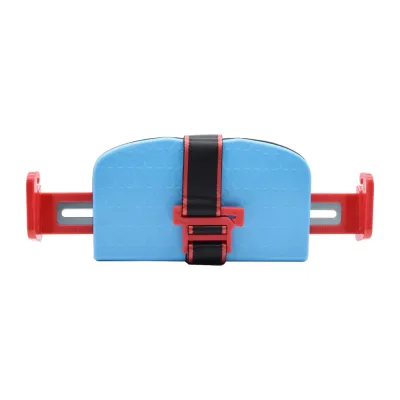
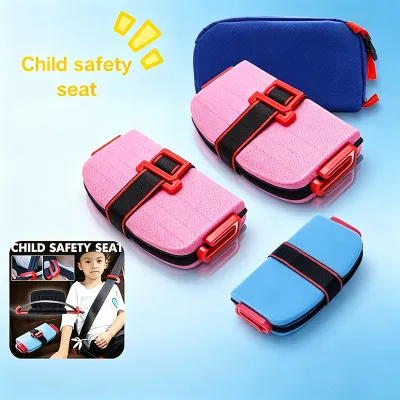
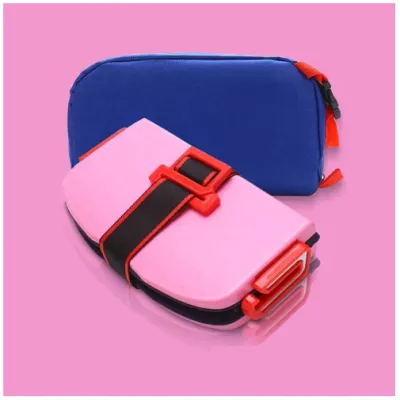
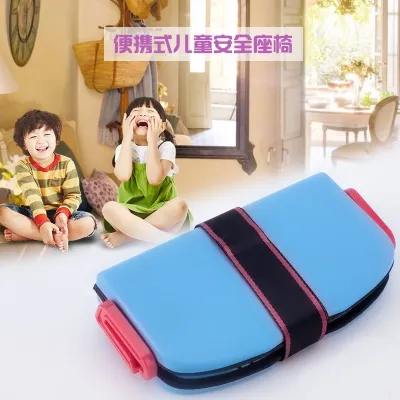
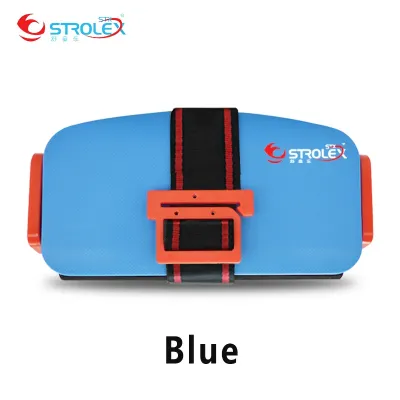
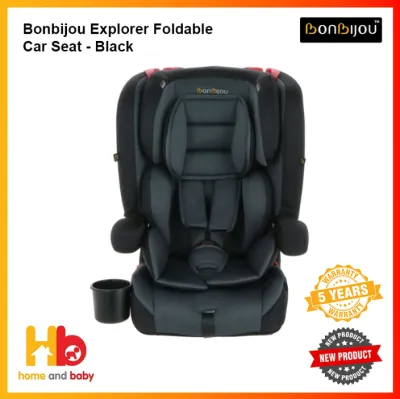
Prices are valid at publication and may change. Please refer to the product page for the latest price.
Even for car-owning families, a foldable car seat offers distinct advantages. If you frequently switch the seat between multiple family cars, such as those belonging to grandparents or caregivers, a lightweight, collapsible design simplifies the transfer. Additionally, these seats take up minimal space in compact car boots, leaving ample room for strollers, groceries, and travel luggage when the seat is not in use.
Despite their convenience, foldable car seats do involve certain trade-offs compared to standard, full-size car seats. To achieve a compact fold and lightweight profile, manufacturers often use thinner padding and streamlined structural frames. This can result in a firmer ride for your child, which may be less comfortable during extended journeys. Furthermore, foldable seats typically offer fewer recline positions, meaning your child will sit in a more upright posture.
Another critical consideration is the longevity of the seat. Many foldable models are designed for older toddlers and preschoolers, often starting from around 9 kg or 15 kg, rather than newborns. They may also have lower maximum weight and height limits than robust, permanent seats. Before making a purchase, always check the manufacturer’s specifications to ensure the seat matches your child’s current growth stage and will accommodate them for a reasonable period.
Navigating Car Seat Safety Standards in Singapore
In Singapore, child passenger safety is governed by strict legal frameworks designed to protect young passengers in the event of a collision. Under the Road Traffic Act, any passenger under the height of 1.35 metres must be secured with an approved child restraint appropriate for their height and weight. Failing to comply with this regulation not only poses a severe safety risk to your child but also carries legal penalties for the driver.

When shopping for a foldable car seat, you must verify that the product meets recognized international safety benchmarks. Singapore authorities recognize several global standards, with European standards being the most common. Look for certifications such as ECE R44.04 or the newer, more stringent ECE R129 (also known as i-Size). These certifications guarantee that the seat has undergone rigorous dynamic crash testing, including frontal and rear-impact simulations.
The ECE R129 standard introduces advanced safety measures, including mandatory side-impact testing and classification based on the child’s height rather than weight. This height-based classification helps parents choose a more accurate fit, reducing the risk of transitioning a child to a larger seat too early. When evaluating foldable seats, models certified under ECE R129 generally offer updated safety designs and improved head and neck protection.
To verify a seat’s certification, you should inspect the physical product for the official orange approval label. This sticker is typically located on the underside, back, or side of the car seat shell. A genuine ECE label contains crucial information, including the specific standard version (such as R44/04 or R129), the type of approval (such as “Universal” or “Semi-Universal”), and the approved weight or height range.
The label also features a circle containing the letter “E” followed by a number, which indicates the country where the certification was granted (for example, “E1” for Germany or “E4” for the Netherlands). Additionally, look for a unique approval number printed on the label. If a seller cannot show you this physical label, or if the details on the sticker appear blurry, altered, or missing, you should avoid purchasing the seat, as it may be an uncertified or counterfeit product.
Key Dimensions for Evaluating Foldable Car Seats
Comparing different foldable car seats requires a structured approach focused on daily usability, vehicle compatibility, and physical handling. The folding mechanism itself is a primary consideration. A practical foldable seat should feature an intuitive, multi-step folding process that can be executed quickly, ideally with minimal effort. Some advanced models collapse into a highly compact package that fits inside a dedicated backpack, making them exceptionally easy to carry.
Look for integrated carrying features that enhance portability when the seat is folded. Built-in carry handles, adjustable shoulder straps, or a durable travel bag protect the seat from dirt and damage while keeping your hands free to guide your child. If you frequently navigate busy public spaces, a seat that can be worn as a backpack or slung over your shoulder will significantly reduce physical strain.
Installation compatibility is another critical factor to evaluate. Car seats generally install using either the vehicle’s 3-point seat belt or the ISOFIX system. ISOFIX anchors provide a rigid, mechanical connection directly to the car’s chassis, which greatly minimizes installation errors and ensures a secure fit. However, not all taxis or older vehicles in Singapore are equipped with accessible ISOFIX points, making seat belt compatibility essential for maximum flexibility.
The ideal foldable car seat for ride-hailing users is one that supports both installation methods. This dual compatibility ensures you can secure the seat using ISOFIX when available, or quickly thread the vehicle’s seat belt through the designated guides when riding in an older taxi. Before purchasing, check the manufacturer’s vehicle compatibility list to confirm that the seat fits securely in the specific car models you use most frequently.
The physical weight of the seat directly impacts your comfort as a caregiver. Since you will be lifting, carrying, and installing the seat repeatedly, look for models that strike a balance between structural strength and low weight. High-quality foldable seats typically weigh between 3 kg and 6 kg. While lighter seats are easier to carry, ensure that the low weight is achieved through advanced materials, such as aircraft-grade aluminum or high-density polymers, rather than flimsy plastics.
Finally, examine the harness system and adjustability features. A secure 5-point harness is highly recommended for younger children, as it restrains the shoulders and hips, distributing crash forces across the strongest skeletal structures. Ensure the harness straps can be adjusted easily to accommodate your child’s growth and seasonal clothing changes. The buckle mechanism should be robust enough to resist tampering by curious toddlers, yet straightforward for caregivers to secure and release quickly.
Building Your Shortlist: Verification and Purchasing Checklist
Sourcing a genuine, high-quality foldable car seat in Singapore requires careful selection of retail channels. To ensure product authenticity and access to reliable customer support, always purchase from authorized local distributors, official brand stores, or reputable baby specialty retailers. These established sellers source their inventory directly from manufacturers, ensuring that the seats comply with local safety regulations and have not been subjected to improper storage or handling.
Buying through authorized channels also guarantees valid local warranty coverage and after-sales support. A local warranty is essential for addressing potential manufacturing defects, sourcing replacement parts like harness buckles or chest pads, or receiving professional assistance with installation queries. Some reputable distributors even offer crash-exchange programs, providing a replacement seat if your registered seat is involved in a vehicular accident.
Conversely, purchasing from unauthorized third-party sellers on online marketplaces or importing directly from overseas carries significant risks. While the initial price may seem attractive, these products often lack local warranty coverage and may not meet Singapore’s safety standards. In some cases, overseas models may use different installation configurations or lack the necessary certification labels required by local traffic police.
When evaluating a potential purchase, use this checklist to verify the seat’s authenticity and suitability:
- Check for the physical orange ECE certification label on the seat body.
- Verify the local warranty terms and confirm the contact details of the authorized Singapore distributor.
- Inspect the build quality, ensuring the folding joints lock securely into place without excessive play or wobbling.
- Review the instruction manual, which should be clear, comprehensive, and written in English.
- Confirm the manufacturing date printed on the seat shell, as car seats have a limited lifespan (typically 6 to 10 years) due to material degradation over time.
Frequently Asked Questions (FAQ)
Can I use a foldable car seat in a taxi or private hire car?
In Singapore, there is an important legal distinction between traditional street-hail taxis and private hire cars regarding child passenger safety. Under current traffic regulations, public buses and traditional taxis are exempt from the mandatory child restraint laws. This exemption exists because taxis are considered public transport services, and it is recognized that passengers may not always have a car seat with them. However, traveling without a restraint still poses safety risks, making a portable seat highly recommended.
In contrast, private hire cars (such as those booked via ride-hailing apps) are not exempt from the law. If you are traveling with a child under 1.35 metres in a private hire vehicle, they must be secured in an appropriate child restraint or booster seat. Drivers are legally permitted to refuse boarding if a child does not have a suitable seat. Carrying a quick-installing, foldable car seat ensures you comply with the law and avoid booking cancellations.
Are foldable car seats safe and comfortable for long road trips?
Foldable car seats that carry valid international certifications like ECE R44.04 or ECE R129 are fully tested and safe for use on long journeys, provided they are installed correctly. They undergo the same rigorous crash-testing standards as non-folding models. However, because these seats prioritize portability, they often feature thinner foam padding and a more upright seating angle, which can affect your child’s comfort during extended drives, such as road trips across the causeway.
To ensure your child’s comfort and safety during long trips, plan to take regular breaks every one and a half to two hours. This allows your child to get out of the seat, stretch, and change their posture. Regularly monitor your child’s position during the drive to ensure their head does not slump forward while sleeping, which can restrict their airway. Always double-check that the seat remains tightly secured to the vehicle seat after each break.
Community discussion
Share your experience or ask a question. Comments are reviewed before publication.