
When setting up a nursery, choosing a high-quality rubber mat baby product for your changing table is a practical decision that directly impacts daily hygiene and comfort. During the diaper-changing years, a dedicated changing station undergoes constant use, spills, and sanitisation. Caregivers frequently seek out rubber materials because they offer exceptional durability, easy wipeability, and high resistance to moisture compared to standard fabric options. Unlike conventional fabric-covered foam pads that can absorb liquids and require frequent machine washing, a rubberised surface allows you to clean messes instantly with a simple wipe.
In Singapore’s humid climate, finding low-maintenance nursery gear is especially beneficial. Standard fabric covers often require a separate waterproof liner, which adds to your laundry cycles and takes longer to dry in humid weather. A wipeable rubber surface simplifies your daily routine, allowing you to sanitise the changing area thoroughly between uses without waiting for laundry to dry.
However, it is essential to understand that a rubber mat is an accessory, not a standalone safety device. It must integrate seamlessly with your primary changing table and its built-in safety mechanisms, such as barriers and safety straps. Selecting the wrong size or material can compromise the stability of the entire changing setup, which makes careful evaluation of specifications critical before making a purchase.
Products mentioned in this guide
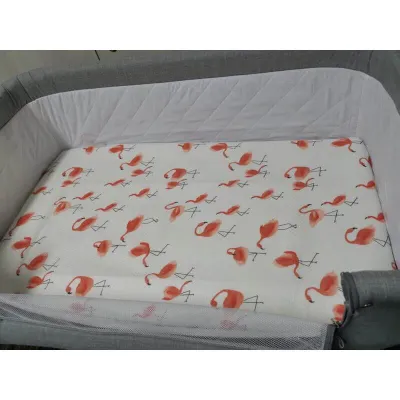
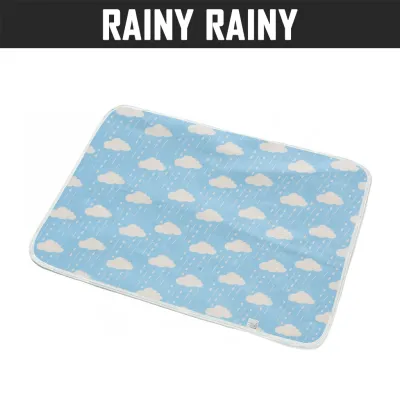
Prices are valid at publication and may change. Please refer to the product page for the latest price.
Key Specifications to Evaluate for Comfort and Fit
Selecting a changing accessory requires looking beyond aesthetics to evaluate precise physical and functional dimensions. Because changing tables vary widely in design—ranging from compact wooden dressers to wall-mounted folding stations common in space-conscious Singapore homes—the mat you choose must align perfectly with your existing furniture. To ensure a secure, comfortable, and hygienic setup, caregivers must evaluate several core specifications.
Size, Shape, and Contour Compatibility
The physical dimensions of the mat must match the flat surface area of your changing table. A mat that is too large will create hazardous overhangs, which can cause the mat to slip or tilt when weight is applied to the edges. Conversely, a mat that is too small can slide around or leave unsafe gaps where a baby’s limbs could get pinched or trapped.
You must also consider the shape of your changing table. Flat tables require a mat with secure, built-in contoured edges to help keep the baby centered. If your changing table already has contoured wooden barriers, adding a thick, highly contoured mat may create unstable gaps or reduce the effective height of the protective barriers. Always measure the inner dimensions of your changing table frame and compare them directly against the manufacturer’s stated product dimensions before purchasing.
Additionally, evaluate whether the mat has a rigid or flexible base. A flexible mat easily conforms to slight surface irregularities but requires a completely flat, solid support underneath. A rigid-base mat can bridge minor gaps in wire-frame changing tables but must still sit entirely within the safety boundaries of the furniture.
Thickness and Cushioning Support
While a soft surface is comfortable for your baby, extreme thickness is not necessarily better. A mat that is too thick or overly plush can compromise stability, making it easier for an active baby to roll. Furthermore, excessive thickness can interfere with the routing of the changing table’s safety straps, preventing them from securing tightly around your baby.
To evaluate cushioning support, assess the density of the rubber. High-density rubber or elastomer foam provides firm, resilient support that prevents the baby from “bottoming out” against the hard wooden or plastic table surface underneath. When you press down firmly on the mat with your palm, the material should compress slightly but immediately rebound to its original shape.
Always check the manufacturer’s stated weight and age limits to ensure the cushioning properties are rated for your baby’s developmental stage. As infants grow heavier and more active, they require firmer support to prevent the mat from sinking completely, which could compromise their spinal alignment during changes.
Surface Texture and Slip Resistance
A safe changing mat must stay firmly in place during use. Look for a mat with a dedicated non-slip base, often featuring textured patterns, suction cups, or high-friction materials that grip the table surface. This prevents the mat from shifting when your baby moves or when you apply pressure during diaper changes.
The top surface texture requires a careful balance. It must provide enough grip to prevent the baby from sliding, yet remain completely non-abrasive to delicate skin. Avoid deeply grooved patterns on the top surface, as these can trap dirt and make cleaning difficult. A lightly textured, matte finish is often ideal for providing grip without causing irritation.
In air-conditioned rooms, certain rubber textures can feel cold or sticky to the skin. To improve comfort, you can place a thin, breathable muslin cloth over the mat, provided it does not interfere with safety straps or create a sliding hazard. Most importantly, remember that no surface texture or non-slip base can replace active caregiver supervision. Always keep one hand on your baby and use the integrated safety strap for every diaper change.
Waterproofing and Easy Cleaning
Hygiene is a primary concern in any nursery, particularly in humid climates where moisture can easily lead to mold and mildew growth. There is a distinct difference between fully waterproof materials and water-resistant surfaces. A fully waterproof mat prevents any liquid from penetrating the core, whereas water-resistant materials may eventually absorb moisture under pressure or over time.
Look for mats with seamless edges or sealed seams. Stitched seams or fabric borders can trap urine, water, and cleaning liquids, creating a breeding ground for bacteria and mold that is difficult to sanitise. A seamless design ensures that liquids remain on the surface where they can be easily wiped away.
Because a fully waterproof mat does not absorb liquids, spills will pool on the surface. Keep dry wipes or a cloth nearby to manage pooling quickly and prevent liquid from running off the edges onto the wooden table frame or floor. Additionally, review the manufacturer’s cleaning instructions. The material should be durable enough to withstand frequent wiping with mild soap, water, or baby-safe sanitising wipes without cracking, peeling, or degrading over time.
How to Verify Material Safety and Baby-Friendly Features
Because your baby’s bare skin will come into direct contact with the changing surface, verifying material safety is a top priority. Caregivers should not rely on generic marketing claims like “non-toxic” or “eco-friendly,” which are often unregulated. Instead, actively verify the material composition by reviewing product labels, packaging, and official manufacturer specifications.

Look for explicit manufacturer statements confirming the absence of harmful plasticizers (such as specific phthalates), heavy metals, lead, and bisphenols (BPA). Reputable brands often provide access to independent testing reports or safety data sheets. If a manufacturer does not disclose the exact chemical composition of the mat, it is best to look for an alternative that offers full transparency.
Verify if the product has certifications from recognized testing bodies, which indicate compliance with international chemical safety standards. Check the manufacturer’s website to ensure these certifications are current and apply to the specific model you are purchasing. In Singapore, high-quality changing accessories generally range across broad price bands, from budget-friendly options under S$30 to premium, certified options exceeding S$100, where certification details are usually clearly documented.
Another factor to consider is off-gassing, which is the release of volatile organic compounds (VOCs) from new synthetic materials. This often manifests as a strong initial chemical odor. If you notice a strong smell upon unpacking the mat, follow the manufacturer’s recommended airing-out period in a well-ventilated, unoccupied room before allowing it to touch your baby’s skin.
Additionally, if the mat is made of natural rubber, check for explicit warnings regarding latex allergies. If your family has a history of latex sensitivity, consult a healthcare professional before introducing natural rubber products to the nursery. Regularly check the condition of the mat for signs of wear, such as cracking or peeling, and stop use immediately if the material begins to degrade.
Decoding Rubber Mat Baby Products and Elastomer Materials for Nursery Use
When searching for a changing table mat, you will encounter various material terms, many of which are marketed broadly as “rubber.” Understanding the differences between natural rubber, synthetic rubber, and alternative elastomers will help you make an informed decision based on your family’s needs and care preferences.
Natural Rubber
Derived from the sap of rubber trees, natural rubber is highly flexible, durable, and biodegradable. It has a natural weight that helps keep the mat planted firmly on the table. However, because it contains natural proteins, you must check for latex allergy warnings. Natural rubber also requires specific care; it can degrade if exposed to direct sunlight, high heat, or harsh chemical cleaners. Always check the manufacturer’s sourcing disclosures and care instructions to protect the material.
Synthetic Rubber (e.g., SBR, NBR)
Synthetic rubbers like Styrene-Butadiene Rubber (SBR) or Nitrile Butadiene Rubber (NBR) are commonly used to create foam-style changing pads. These materials offer excellent cushioning and water resistance. When evaluating synthetic rubber mats, check the density specifications to ensure they provide adequate support. Review the manufacturer’s safety data sheets to verify that the synthetic compounds used are certified safe for infant contact.
TPE (Thermoplastic Elastomer) and Silicone
Many modern baby mats are made from Thermoplastic Elastomers (TPE) or food-grade silicone. While not technically rubber, they behave similarly, offering high flexibility, excellent wipeability, and temperature resistance. TPE and silicone are generally non-porous, making them highly resistant to mold and bacteria. When choosing these materials, look for specific care instructions, as some silicone mats can attract dust and lint, requiring regular rinsing to maintain a clean surface.
Rather than relying on generic product titles or online search keywords, always read the exact material breakdown on the product label. This ensures you know precisely what material your baby is lying on and how to clean it safely without causing premature wear.
How to Measure and Prep Your Changing Table for a New Mat
To ensure a safe and successful integration of a new mat into your nursery, you must measure and prepare your changing table carefully. Taking these steps prevents compatibility issues that could void your furniture warranties or compromise safety features.
Step 1: Measure the Table Surface
Use a measuring tape to record the exact length, width, and depth of the changing table’s top surface. If your table has raised wooden barriers or a contoured frame, measure the inner dimensions of the enclosure. Do not estimate; even a half-centimetre discrepancy can cause the mat to bunch up or slide.
Step 2: Consult the Furniture Manual
Check your changing table’s user manual for any specific restrictions regarding aftermarket accessories. Some manufacturers specify that adding a non-approved mat or pad can void the structural warranty or interfere with the table’s stability. Ensure that any mat you add does not obstruct safety strap routing channels built into the table.
Step 3: Test the Fit and Safety Straps
Once the mat arrives, place it on the table and check for any gaps or overhangs. Gently pull on the mat from different angles to ensure the non-slip backing grips the table surface securely before placing your baby on it. Test the routing of the safety straps. The strap must be able to route properly around or through the mat, buckle securely, and tighten flat against your baby’s body without being obstructed by the mat’s thickness or shape. If the strap cannot be fastened securely, do not use the mat.
Frequently Asked Questions (FAQ)
Can I use a standard rubber yoga mat as a changing pad?
No, you should not use a standard rubber yoga mat as a changing pad. Yoga mats are designed for adult exercise and lack the safety testing required for infant use and prolonged skin contact. They do not feature the contoured safety edges designed to prevent babies from rolling off, nor do they provide adequate cushioning to support an infant’s skeletal structure on a hard table. Furthermore, yoga mats lack integrated safety straps and do not have the necessary non-slip backing designed to stay secure on an elevated changing table, creating a significant fall hazard.
How do I safely remove the initial odor from a new rubber mat?
To safely remove the initial odor from a new rubber mat, strictly follow the manufacturer’s specific airing-out instructions. Place the mat in a well-ventilated area, such as a balcony or a room with open windows, away from direct sunlight and out of reach of children and pets. For initial cleaning, use only a mild soap and warm water solution as recommended by the manufacturer. Avoid using harsh chemical cleaners, bleach, essential oils, or exposing the mat to direct sunlight, as these methods can degrade the rubber material, cause cracking, or release additional chemical fumes.

Community discussion
Share your experience or ask a question. Comments are reviewed before publication.