
Choosing a reliable bed corner protector brand in Singapore requires balancing material safety, impact absorption, and adhesive durability under local environmental conditions. When babies reach the crawling and toddling stages—typically between 6 and 18 months of age—they frequently use low furniture like bed frames and coffee tables to pull themselves up. In Singapore’s warm, humid climate, standard adhesives can quickly lose their grip, turning a safety device into a loose choking hazard. To secure your home effectively, you must look beyond marketing claims and evaluate how different brands perform regarding material density, chemical safety, and surface compatibility.
Key Criteria for Evaluating Bed Corner Protector Brands
Since babies naturally explore their environment using their mouths, chemical safety is the absolute priority when evaluating any baby-proofing brand. Reliable brands must use materials free from harmful chemicals such as bisphenol A (BPA), phthalates, heavy metals, and flame retardants. When purchasing, do not rely solely on online product descriptions that claim a product is non-toxic. Instead, inspect the physical packaging upon delivery for verified safety markings, such as compliance with international toy safety standards. If a product arrives in plain plastic packaging with no brand name, manufacturer details, or safety labels, it should be returned.
The primary function of a corner protector is to cushion the force of an accidental impact, which depends heavily on both the thickness and the density of the material. A protector that is too soft or thin will simply compress completely under a child’s weight, allowing the sharp furniture corner to break through and cause injury. Conversely, an excessively hard protector will not deform enough to absorb the impact energy. Parents should look for brands that specify high-density foam or thick, resilient silicone. The protector’s profile must match the sharpness of the furniture; a heavy, solid wood bed frame requires a thicker, high-density foam bumper, while a lighter wooden side table might only need a medium-density silicone guard.
Products mentioned in this guide



Prices are valid at publication and may change. Please refer to the product page for the latest price.
The strength of the adhesive determines whether the corner protector remains in place or becomes a loose object. Many budget brands use low-quality double-sided tape that fails under minimal tension or degrades quickly in warm environments. Singapore’s high relative humidity can cause moisture to seep beneath the adhesive layer, weakening the bond over time. High-quality brands often partner with reputable adhesive manufacturers or formulate proprietary, high-tack adhesives designed to withstand both humidity and a toddler’s persistent pulling. The ideal adhesive must balance strong holding power with the ability to be removed cleanly without ruining the underlying furniture finish.
Material and Design Options to Match Your Furniture
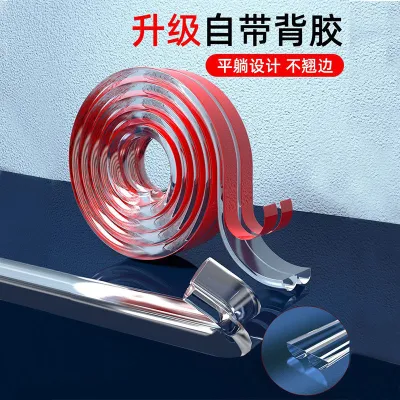
Clear silicone or polyvinyl chloride (PVC) protectors are highly popular for their discreet appearance. They allow the natural wood grain or color of your bed frame to remain visible, making them an excellent choice for parents concerned with home aesthetics. Silicone is naturally highly durable, resistant to tearing, and incredibly easy to wipe clean with a damp cloth. However, because silicone is denser and firmer than foam, it provides a slightly firmer cushion. This material is highly suited for glass coffee tables, modern metal bed frames, or varnished hardwood furniture where a bulky foam bumper would look out of place or be easily peeled off by a curious child.

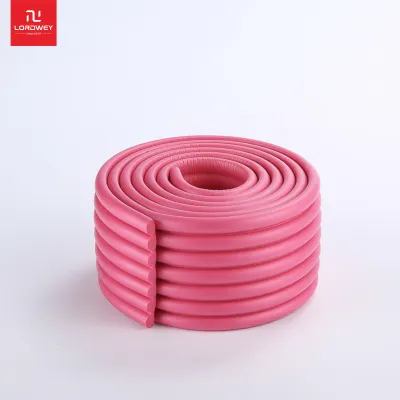
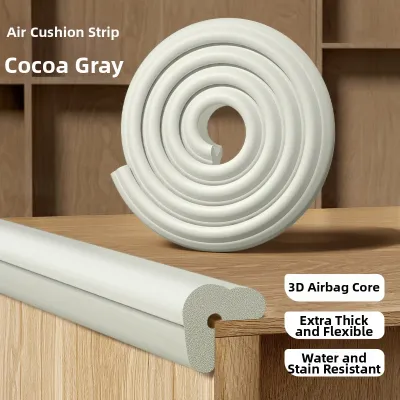
High-density foam, typically made from Nitrile Butadiene Rubber (NBR) or polyurethane, offers the maximum level of impact protection. These bumpers are thick, soft, and highly compressible, making them incredibly effective at absorbing heavy impacts from active toddlers. They are particularly well-suited for sharp, heavy wooden bed frames, low platform beds, and brick or stone hearths. The primary trade-off is their high visibility; they are bulky and often come in solid colors that may contrast sharply with your furniture. Additionally, teething babies can easily bite off pieces of soft foam, which poses a severe choking hazard. If your child is in a heavy teething phase, foam protectors must be monitored closely or avoided in favor of firmer silicone alternatives.
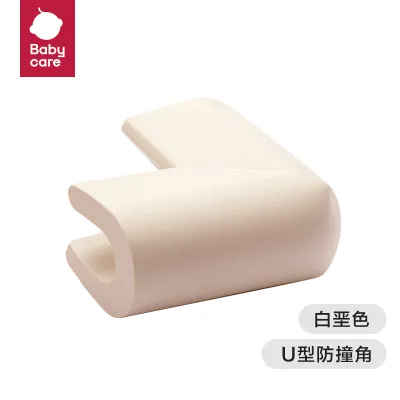
Selecting the right protector requires analyzing the specific furniture material in your home. Glass surfaces, such as bedside tables or glass-topped desks, require flexible, U-shaped protectors that wrap securely around both the top and bottom edges of the glass pane. Solid wood bed frames, which often have wide, blunt corners, benefit from wide, flat-backed foam guards that cover the entire corner joint. Metal bed frames, which present incredibly hard and unforgiving edges, require high-density materials that will not bottom out or tear upon impact. Matching the protector’s shape and material to the specific furniture piece ensures a secure fit and optimal safety.
How to Verify Safety Claims and Brand Reliability
When shopping on online marketplaces or in local retail stores, parents are often inundated with marketing jargon. To cut through the noise, look for specific references to recognized international safety standards. For example, compliance with the European Standard EN 71 indicates that the product has undergone rigorous testing for mechanical properties, flammability, and chemical migration. Similarly, REACH (Registration, Evaluation, Authorisation and Restriction of Chemicals) compliance ensures the absence of harmful industrial chemicals. These certifications should be clearly printed on the physical packaging or verifiable on the manufacturer’s official website, rather than just written in a product listing’s text.
Customer reviews on e-commerce platforms are a valuable source of real-world performance data. When evaluating a brand, do not just look at the overall star rating; instead, filter for lower-rated reviews to identify recurring patterns. Look for specific complaints regarding adhesive failure, a strong chemical or plastic smell upon opening, or instances where a baby was able to easily pull the protector off. If multiple parents report that the foam tore easily or that their child was able to bite chunks out of the guard, it is a clear sign that the material density is insufficient and could pose a choking hazard.
A reliable brand will always provide clear contact information, comprehensive installation instructions, and responsive customer support. Avoid purchasing from anonymous, fly-by-night storefronts that offer no way to contact the manufacturer in the event of a defect. Reputable brands often provide detailed guides on surface compatibility, step-by-step installation videos, and clear instructions on how to remove the adhesive safely. Furthermore, they are more likely to offer customer support that can assist you if the product does not adhere properly to your specific furniture finish.
Installation and Maintenance for Ongoing Protection
The longevity of any corner protector depends heavily on how well the surface is prepared before installation. Dust, oils, wax, and moisture will create a barrier between the adhesive and the furniture, leading to premature peeling. Begin by wiping the furniture corner thoroughly with rubbing alcohol (isopropyl alcohol) and a clean microfiber cloth. Allow the surface to dry completely. Avoid using standard household glass cleaners or multi-surface sprays, as they often leave behind a thin, invisible residue that prevents the adhesive from bonding effectively.
Before removing the adhesive backing, place the corner protector on the furniture to measure and plan the exact alignment. Once aligned, apply the double-sided adhesive tape to the inside of the protector first, ensuring there are no air bubbles. Peel off the remaining backing and press the protector firmly onto the furniture corner. Apply heavy, even pressure across the entire surface of the protector for at least 30 to 60 seconds. Crucially, allow the adhesive to cure undisturbed for at least 24 hours before allowing your child near it or testing its strength; premature pulling will permanently weaken the bond.
Baby-proofing is an ongoing process that requires regular vigilance. Establish a weekly routine to inspect every corner protector in your home. Check for peeling edges, loss of elasticity, or signs of material wear. Teething infants may attempt to chew on soft foam guards; if you observe any bite marks, tears, or missing pieces, remove and replace the protector immediately to prevent a choking hazard. Remember that no physical safety device can replace active adult supervision; corner protectors are designed to minimize injury during accidental falls, but keeping a watchful eye on your child remains the most effective safety measure.
Frequently Asked Questions (FAQ)
Can bed corner protectors damage wooden or glass furniture?
Yes, strong adhesives can potentially damage furniture finishes, particularly varnished, painted, or untreated wood. When adhesive is pulled off forcefully, it can lift the paint or lacquer. Glass surfaces are generally safe from structural damage but can retain stubborn adhesive residue. To prevent damage, always perform a hidden spot test on an inconspicuous area of the furniture before full application. When removing, use a hairdryer on a low, warm setting to gently soften the adhesive before slowly peeling it back, or apply a mild household solvent like vegetable oil or a dedicated adhesive remover.
How often should I replace baby-proofing corner guards?
There is no fixed calendar timeline for replacement, as it depends entirely on wear, environmental exposure, and your child’s behavior. You should replace them immediately if you observe signs of material degradation, such as yellowing, hardening, cracking, or a sticky, melting texture caused by humidity. Most importantly, if a protector becomes partially detached, or if your baby has chewed, torn, or damaged the material, it must be replaced right away to eliminate choking and impact risks.
Community discussion
Share your experience or ask a question. Comments are reviewed before publication.