
Quick Answer: Core Criteria for Selecting a Potty Stool
Selecting the right potty stool is a key step in supporting your toddler’s transition to using a standard household toilet. The ideal stool balances rigorous safety features with functional designs that encourage physical independence. When evaluating your options, prioritize three essential pillars: robust slip-resistant stability on wet bathroom floors, appropriate height adjustments that match your child’s developmental stage, and non-porous, easy-to-clean materials that withstand high humidity.
Because every bathroom layout and toddler’s physical coordination differ, a single design may not suit every household. This guide breaks down the critical safety mechanisms, ergonomic designs, and stool categories available on the market. By understanding these key features, you can confidently select a product that fits your bathroom space while keeping your child safe and comfortable.
Essential Safety Features to Evaluate Before Buying
Toddlers are still developing their gross motor skills, making the transition to a high toilet seat physically challenging. Bathroom environments present inherent risks, including slick tiled floors, hard surfaces, and tight spaces. Consequently, safety features must be your primary consideration. Do not rely solely on promotional labels; instead, verify structural specifications against the manufacturer’s official documentation.
Products mentioned in this guide
![[SG] Potty Seat Training ✨ Kids Toilet Bowl Baby Toilet Toddlers Toilet Seat Step Stool Ladder](https://img.lazcdn.com/g/p/6b5ac1003ca1b17970f28eaf9850907d.jpg_400x400q80.jpg_.webp)
Prices are valid at publication and may change. Please refer to the product page for the latest price.

Always supervise your toddler during potty training, and read all product warning labels before use. If your child exhibits persistent balance issues or physical discomfort during climbing, stop using the stool and consult a pediatrician or physical therapist.
Anti-Slip Bases and Footpads
A potty stool must remain firmly anchored to the floor while your child climbs, turns around, and sits. Look for stools equipped with wide, rubberized, or silicone anti-slip pads on the bottom of the legs. Thermoplastic elastomer (TPE) or high-grade silicone feet offer superior traction compared to hard plastic bases, which can easily slide across wet surfaces.
In addition to the base, the top stepping surface requires a textured, non-slip grip. Toddlers often climb stools with wet feet after bath time or wash sessions, making smooth plastic surfaces dangerous. Look for molded patterns, raised rubber dots, or rubberized sheets securely bonded to the step.
Before purchasing, assess your bathroom flooring. If your bathroom features highly textured, matte, or uneven natural stone tiles, suction-cup mechanisms may not adhere properly. For these surfaces, a heavy, wide-set rubberized base is generally more reliable than suction-based grips. Verify the stool’s compatibility with your specific floor type to prevent unexpected sliding.
Structural Stability and Weight Limits
To prevent the stool from tipping over when your child steps on the edge, choose a model with a wide, flared base. Stools with a pyramid-like silhouette—where the base is significantly wider than the top step—distribute weight more evenly. This design minimizes the risk of tipping if your toddler shifts their weight off-center while turning around.
Always check the manufacturer’s stated maximum weight capacity. Ensure the limit accommodates your child’s current weight with a generous safety margin to account for rapid growth spurts. If the stool is marketed for multi-use, such as allowing adults to rest their feet or step on it to reach high cabinets, verify that the structural weight limit supports adult use, which typically requires a capacity of at least 90 to 100 kilograms.
Examine the physical construction of the stool before use. Press down firmly on different areas of the step to check for flexing, bending, or hollow-sounding creaks. A high-quality potty stool should feel solid and rigid, with no loose joints or structural instability under pressure.
Safe Edges and Pinch-Point Prevention
Toddlers frequently bump into furniture, making smooth, rounded edges a necessity on any bathroom accessory. Inspect the stool for sharp plastic seams, rough manufacturing burrs, or pointed corners that could scrape sensitive skin. Smooth, contoured plastic or rounded wooden edges significantly reduce the risk of minor injuries.
If you are considering a foldable or height-adjustable stool, pay close attention to the moving parts. Folding joints, telescoping legs, and hinge mechanisms can trap small fingers if left exposed. Look for models featuring enclosed hinges, safety locks that click firmly into place, or wide clearances that prevent pinch points during setup or storage.
Teach your child to keep their hands clear of the folding joints, and always perform the folding or adjustment steps yourself. Regularly check that safety locks remain fully engaged and have not loosened over time through repeated use.
Functional Designs That Build Toddler Independence
Potty training relies heavily on building your child’s self-reliance. A functional potty stool allows your toddler to access the toilet without requiring you to lift them every time, reducing caregiver physical strain and boosting the child’s confidence. The right design must align with your child’s physical height, coordination, and your bathroom’s layout.
Adjustable Heights and Step Depth
Proper ergonomics are crucial for comfortable bowel movements. To promote natural elimination, a child’s feet should rest flat on a supportive surface with their knees positioned slightly above their hips. This squatting posture relaxes the pelvic floor muscles, making toileting easier. A stool that leaves a child’s legs dangling can cause discomfort and anxiety, potentially delaying training progress.
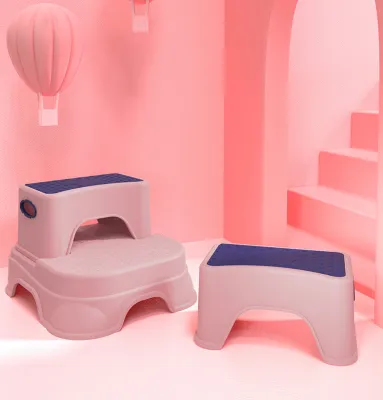
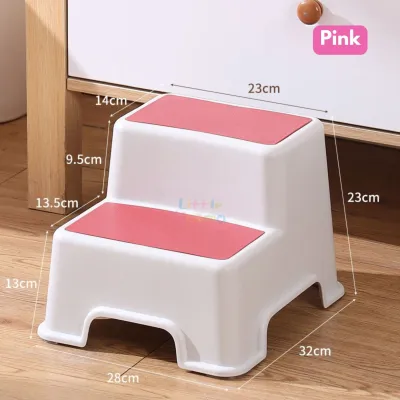
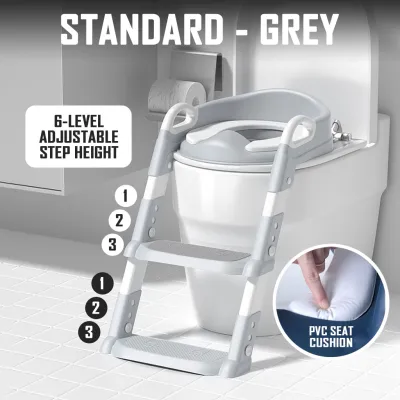
Because toddlers grow rapidly and toilet heights vary, adjustable stools or multi-step models offer excellent long-term value. Look for stools with removable step layers or adjustable leg heights that can be calibrated as your child grows. This adaptability ensures your child can always maintain the correct ergonomic posture.
The stepping platform itself must be deep and wide enough to allow your toddler to turn around safely. A shallow step forces the child to balance on their tiptoes or heels, increasing the risk of a fall. Aim for a minimum step depth that comfortably accommodates your child’s entire foot length with room to spare.
Support Handles and Grips
Many toddlers experience a fear of falling when transitioning to a high adult toilet. Built-in support handles or extended side rails provide physical leverage and psychological reassurance. Having a secure place to hold onto allows your child to stabilize themselves while climbing up, turning around, and lowering themselves onto the seat.
When evaluating handles, ensure they are ergonomically sized for small hands to grip easily. Look for non-slip materials, such as textured plastic or rubberized wraps, which prevent hands from slipping when wet. The handles should be integrated seamlessly into the stool’s frame to prevent wobbling or flexing under your child’s weight.
Verify that the handles do not obstruct the child’s path or create a tripping hazard. They should guide the child naturally toward the toilet seat while offering continuous support throughout the entire movement.
Foldable and Space-Saving Mechanisms
In compact living spaces, such as typical apartments in Singapore, bathroom floor space is at a premium. A bulky, permanent stool can obstruct walkways and make cleaning difficult. Foldable potty stools offer a practical solution, allowing you to collapse the unit and slide it into narrow gaps, store it beside the vanity, or hang it on a wall hook.
If opting for a foldable design, ensure the mechanism is simple for an adult to operate but impossible for a toddler to trigger accidentally. Look for secondary safety locks that prevent the stool from collapsing while in use.
Test the folding mechanism to ensure it operates smoothly without sticking. A stool that is difficult to fold may end up left open permanently, defeating its space-saving purpose. Lightweight materials also make it easier to move the stool aside when adult guests use the bathroom.
Material and Hygiene Considerations for Daily Use
Bathrooms are high-humidity environments prone to water splashes, urine spills, and steam. The materials you choose directly affect the stool’s longevity, hygiene, and ease of maintenance. Unsuitable materials can quickly deteriorate, warp, or harbor bacteria, posing health risks to your family.
Avoid stools made of unsealed wood, MDF, or those featuring fabric covers and soft foam padding. These materials absorb moisture and organic waste, leading to deep-seated odors and mold growth that are nearly impossible to sanitize. Instead, select high-density, non-porous plastics like polypropylene, which resist moisture absorption and tolerate frequent cleaning.
Examine the physical design of the stool for deep crevices, hollow undersides with complex ribbing, or tight joints. These areas trap water and grime, creating breeding grounds for mold. Choose streamlined designs with smooth, accessible surfaces that can be wiped down quickly with standard household disinfectants.
Verify material safety by checking product specifications for non-toxic certifications, ensuring the plastic is free from BPA, phthalates, and heavy metals. This is particularly important for toddlers who may touch the stool and then put their hands in their mouths. Look for clear manufacturer labels certifying compliance with international safety standards, such as EN 71 or ASTM, and verify these claims against the manufacturer’s official documentation.
Which Potty Stool Type Fits Your Bathroom and Toddler?
To help you make an informed decision, evaluate how different potty stool designs align with your bathroom layout, storage capacity, and child’s developmental stage. Each design serves distinct needs and comes with specific trade-offs.
| Stool Type | Best For | Space Requirement | Primary Limitation |
|---|---|---|---|
| Freestanding Step Stools | Older toddlers with good balance; multi-purpose use (sink and toilet) | Moderate; requires floor space near toilet or sink | Requires a separate toilet seat reducer insert |
| All-in-One Potty Seat with Ladder | Younger toddlers needing maximum support; dedicated potty stations | High; bulky footprint when assembled | Difficult to move; may not fit elongated or smart toilets |
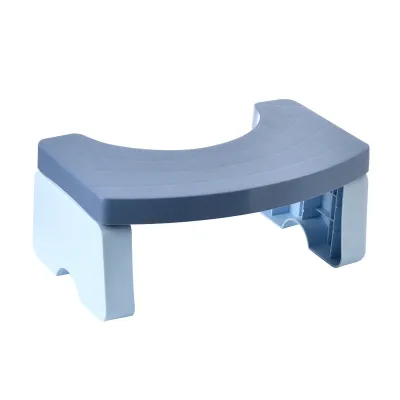
| Compact & Travel-Friendly Stools | Small bathrooms; shared spaces; families who travel frequently | Low; folds flat for easy storage | Lower weight limits; requires regular hinge wear checks |
Freestanding Step Stools
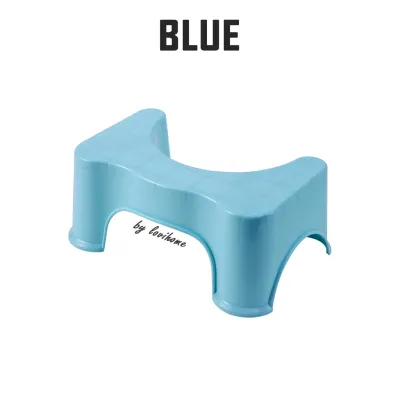
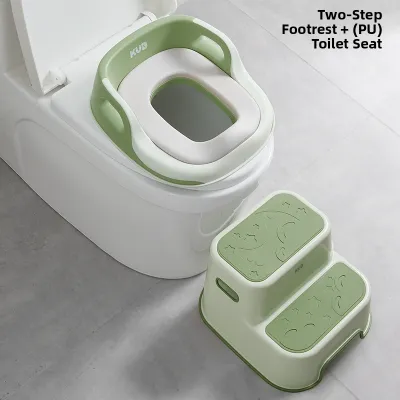
Freestanding step stools are highly versatile, classic options. They are ideal for older toddlers who have developed steady balance and only require a moderate height boost to reach the toilet seat. Because they are not attached to the toilet, you can easily move them to the bathroom sink for handwashing or toothbrushing sessions.
These stools generally feature a very high weight capacity and robust structural stability due to their solid, single-piece construction. They often accommodate growing children for several years and can eventually transition to general household use.
However, freestanding stools take up permanent floor space and do not assist the child in sitting securely on an adult-sized toilet seat. You will need to purchase a separate toilet seat reducer insert to prevent your child from slipping into the toilet bowl, requiring you to manage two separate pieces of equipment.
All-in-One Potty Seat with Step Ladder
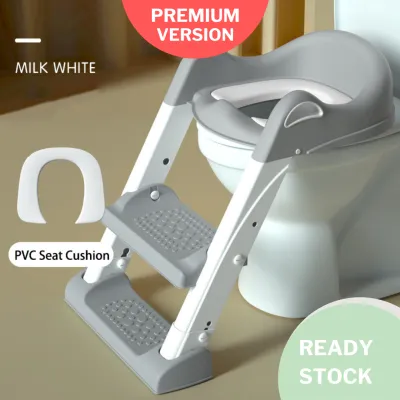
This integrated design combines a step ladder, handrails, and a toilet seat reducer into a single, cohesive unit. It is best suited for younger toddlers who are just beginning their training journey and require comprehensive physical support. The continuous design guides the child securely from the floor directly onto the toilet seat.
The primary benefit of this design is the high level of security it provides. The built-in handles run the entire length of the ladder, allowing the child to hold on while climbing and turning. It eliminates the need to align a separate stool with a loose seat insert, creating a stable, dedicated potty station.
On the downside, these units are structurally bulky and take up significant physical and visual space in the bathroom. They can be tedious to assemble and disassemble. Furthermore, their rigid frames may not fit specialized toilet shapes, such as elongated, square, or smart toilets. Always measure your toilet’s height and bowl shape to verify compatibility before purchasing.
Compact and Travel-Friendly Stools
Compact, collapsible stools are designed specifically for small bathrooms, shared family spaces, or families on the move. They utilize folding hinges that allow the stool to collapse flat, making them easy to tuck away when not in use or pack into a car trunk for family trips.
These models are exceptionally lightweight, allowing older toddlers to carry and position the stool independently. This portability fosters a sense of ownership and encourages consistent potty habits even when away from home.
However, the folding joints and lightweight materials mean these stools generally have lower weight capacities than solid, freestanding models. They may feel slightly less rigid, which can cause anxious toddlers to feel insecure. The folding hinges and locks require regular inspection to ensure they remain structurally sound and free of wear or debris.
Frequently Asked Questions (FAQ)
When is a toddler physically ready to use a potty stool?
Physical readiness typically develops between 18 and 24 months, though every child progress at their own pace. Your toddler is likely ready if they can walk steadily without assistance, climb stairs while alternating feet, and sit upright independently for several minutes. They should also possess the coordination to turn around and sit down carefully. If your child struggles with basic balance or shows extreme fear of heights, delay the introduction of the stool and consult your pediatrician to ensure their gross motor skills are developing appropriately.
Can a regular bathroom step stool be used for potty training?
Yes, a sturdy, generic bathroom step stool can work if it provides the correct height, slip resistance, and stability. However, generic stools often lack the specific ergonomic features designed for toileting. Potty-specific stools frequently feature contoured designs that wrap around the base of the toilet bowl, saving floor space when not in use. They also tend to incorporate specialized handles and step heights designed specifically to help toddlers achieve the recommended squatting posture. Avoid generic stools that lack non-slip rubber bases or those with narrow, high steps that can easily tip.
How do I clean and maintain a potty stool to prevent mold and slips?
To maintain optimal hygiene and safety, wipe down the potty stool daily with a mild disinfectant or soapy water, paying close attention to the stepping surface and handles. Ensure the stool is completely dry before folding or storing it to prevent mold growth, especially in humid bathroom environments. Once a month, inspect the rubber or silicone anti-slip pads on the base; clean away any trapped hair, dust, or grime that could compromise traction. For adjustable or folding models, check all hinges, safety locks, and screws monthly to ensure they remain tight, secure, and fully functional.
Community discussion
Share your experience or ask a question. Comments are reviewed before publication.