
Selecting a potty stool for a compact HDB bathroom requires balancing physical space constraints with your child’s developmental and safety needs. In Singapore, where bathroom layouts in both BTO (Build-To-Order) flats and older resale units are notoriously tight, a bulky step stool can quickly turn into a tripping hazard or block essential access. The ideal potty stool must provide the necessary height to support a toddler’s natural squatting posture while remaining easy to store, slide aside, or fold away when adults need to use the space.
By focusing on precise measurements, choosing the right structural design, and prioritizing slip-resistant features, you can create a safe, encouraging environment for your child’s toilet training journey. This guide details how to evaluate your bathroom layout, compare different space-saving stool designs, and avoid common sizing mistakes that could compromise your child’s safety and comfort.
Measure Your HDB Bathroom Space First
Before browsing online marketplaces or visiting baby boutiques, you must take precise measurements of your bathroom’s layout. HDB bathrooms often feature tight clearances between the toilet bowl and adjacent fixtures, such as the vanity cabinet, shower screen, or bidet spray holder. Use a measuring tape to determine the exact width of the floor space surrounding the toilet pedestal, as well as the depth from the front of the toilet bowl to the opposite wall or shower door.
Products mentioned in this guide
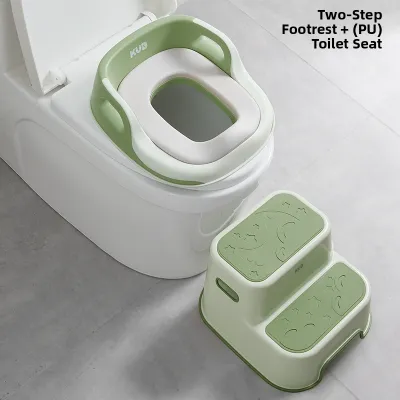
![[SG] Potty Seat Training ✨ Kids Toilet Bowl Baby Toilet Toddlers Toilet Seat Step Stool Ladder](https://img.lazcdn.com/g/p/6b5ac1003ca1b17970f28eaf9850907d.jpg_400x400q80.jpg_.webp)
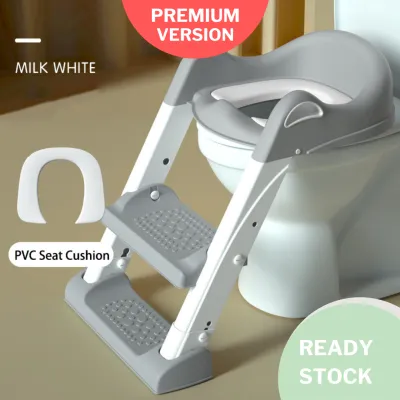
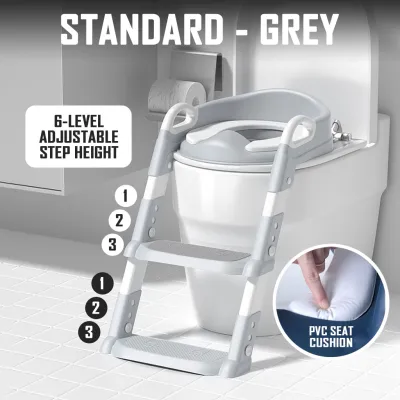
Prices are valid at publication and may change. Please refer to the product page for the latest price.
Another critical factor is the bathroom door’s swing path. In many HDB layouts, traditional swing doors require a wide clearance arc. If a potty stool sits permanently on the floor, it may prevent the door from opening fully, restricting entry or creating an obstruction during an emergency. If your bathroom utilizes a slide-and-swing or bi-fold door, measure the clearance when the door is fully folded or slid open to ensure the stool does not interfere with its mechanism.
You must also observe the wet-dry zoning of your bathroom floor. Many Singapore toilets feature a floor waste grate or drainage trap close to the toilet pedestal to handle water runoff. Placing a potty stool directly over a drainage grate or on a sloped tile leading to the drain can cause the stool’s feet to sit at uneven heights, resulting in dangerous wobbling when your child climbs onto it. Ensure the stool can be placed on a completely flat, dry section of the floor.
Finally, account for the physical space your toddler needs to maneuver. A child does not simply step straight onto a potty stool; they must climb up, turn their entire body around 180 degrees, and safely lower themselves onto the toilet seat. This sequence requires at least 40 to 50 centimeters of clear, unobstructed space in front of the stool, free from wet floor mats or nearby cleaning supplies.
Best Potty Stool Types for Compact Bathrooms
Different potty stool designs offer distinct advantages depending on your specific HDB bathroom layout and how frequently the toilet is shared with adult family members.

Foldable Step Stools
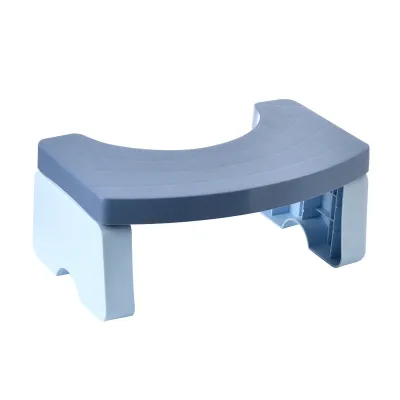
Foldable step stools are highly effective space-saving solutions for exceptionally tight bathrooms. These models are designed to collapse flat, often reducing their thickness to less than 10 centimeters. When not in use, you can easily lean them against the wall, slide them into the narrow gap between the toilet tank and the wall, or hang them on a heavy-duty adhesive hook behind the bathroom door.
However, safety must remain your primary concern when selecting a foldable design. You must verify that the stool features a robust, automatic locking mechanism that prevents the legs from folding inward while your child is standing on it. Check the manufacturer’s documentation to ensure the joints are designed to prevent finger pinching. While foldable stools excel at saving floor space, they require a parent to manually unfold and secure them before every use, which can be challenging during sudden, urgent toilet runs.
Slim-Profile Fixed Stools
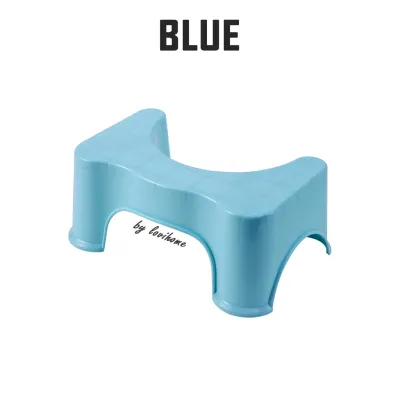
Slim-profile fixed stools feature a contoured, U-shaped base designed to hug the pedestal of your toilet bowl. This design allows the stool to slide almost completely under the toilet when not in use, keeping the surrounding walkway clear for adults. These stools are typically constructed from lightweight, durable plastics or composites, allowing adult family members to easily slide or kick them aside with a foot when using the toilet or shower.
Because these stools have a narrower, more compact footprint, they inherently possess a higher center of gravity. To compensate for this, you must look for models that feature wide, high-friction rubber pads on the bottom of each leg to prevent sliding on smooth ceramic tiles. Ensure the step surface itself is wide enough to accommodate both of your child’s feet comfortably.
2-in-1 Potty and Step Stool Combos
A 2-in-1 potty and step stool combo serves as a standalone toddler potty with a removable collection bowl during the early stages of training, and later transitions into a step stool by closing the lid or reassembling the base. This dual-functionality is highly economical, with typical prices ranging from S$20 to S$60, and it eliminates the need to store two separate pieces of equipment.
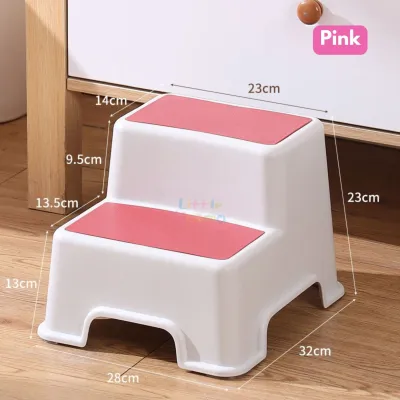
Before purchasing a combo unit, you must check its dimensions specifically in its “step stool” configuration. Some models become significantly wider or bulkier when the potty seat is removed or flipped over to serve as a step. Additionally, verify that the step height remains appropriate for your adult toilet bowl height. Always consult the manufacturer’s product manual to confirm the maximum weight limit and age recommendations for both configurations, as the weight capacity often changes when the unit is converted.
Ensuring Height and Stability in a Small Footprint
When selecting a potty stool with a small footprint, you face a direct physical trade-off: a smaller base of support naturally reduces lateral stability, making the stool more prone to tipping if your child steps on the outer edge. To ensure your child’s safety, you must understand the ergonomics of a proper toileting position and how to identify high-quality, stable construction.
From an anatomical perspective, a child needs their feet fully supported on a flat surface with their knees raised slightly above their hips, creating an approximate 35-degree squatting angle. This posture relaxes the puborectalis muscle, making bowel movements easier and reducing straining. For a standard HDB toilet bowl, which typically stands about 40 centimeters high, a toddler will generally require a stool height of 15 to 20 centimeters, depending on their individual height and leg length.
To compensate for a compact base, look for stools with slightly flared legs that distribute the child’s weight outward, even if the top step is narrow. The feet of the stool must be equipped with thick, non-slip rubber grips rather than hard plastic caps, which slide easily on wet bathroom floors. The step surface must feature a highly textured pattern, such as raised rubber dots or deep ridges, to provide secure traction for bare or sock-covered feet.
Material rigidity is another critical safety factor. Avoid cheap, thin plastic stools that bend or flex under your child’s weight. Flexing causes the stool to wobble, which can startle your child, damage their confidence, and set back their potty training progress. Always verify the manufacturer’s specified weight limit and structural ratings on the packaging before purchasing.
Given that Singapore’s humid climate keeps bathroom floors wet for longer periods, caregiver supervision is mandatory. Never leave your toddler unattended on a potty stool, especially in a compact bathroom where hard fixtures like the sink cabinet or toilet bowl are within close falling distance. If your child has motor development delays, physical difficulties, or chronic constipation, stop using standard retail stools and consult a pediatrician or pediatric occupational therapist for personalized guidance.
Common Space and Sizing Mistakes to Avoid
Many parents make the mistake of buying a potty stool based solely on positive online reviews or a generic “compact” label, only to find it does not fit their specific HDB bathroom. One common error is purchasing a stool that is too deep from front to back. An overly deep stool will protrude far into the room, blocking the path to the shower or preventing you from standing comfortably in front of the toilet.
Another frequent mistake is ignoring the shape of your toilet bowl pedestal. Toilet bowls come in various shapes, including round, elongated, square, or wall-hung designs. A contoured U-shaped stool designed for a standard round pedestal may not fit snugly against a square or modern wall-hung toilet. This leaves a gap between the stool and the toilet, forcing your child to stretch forward awkwardly to sit, which increases the risk of slipping.
Parents also tend to overlook the entry angle. In a cramped bathroom, the stool might be wedged tightly between the toilet and a wall, forcing the child to climb onto it from the side. Potty stools are designed to be climbed from the front; climbing from a lateral angle shifts the center of gravity and can cause the stool to tip over. Ensure there is a clear, straight path of approach.
Finally, never assume that all “space-saving” or “compact” descriptions are identical. Always measure your bathroom in centimeters and compare those figures directly against the manufacturer’s specified dimensions. Additionally, check official government or consumer safety websites to verify that the product has not been subject to active safety recalls or manufacturing defects.
Frequently Asked Questions (FAQ)
Will a potty stool block the bathroom door from opening?
In many small HDB bathrooms, a standard potty stool left on the floor will block the door’s swing path. To prevent this, measure the distance between the toilet bowl and the closed door. If the clearance is less than the depth of the stool, you should opt for a foldable model that can be stored vertically when not in use. Alternatively, you can store a lightweight fixed stool in an adjacent dry utility area or vanity cabinet and bring it to the toilet only when your child needs to use it.
Are foldable potty stools stable enough for active toddlers?
Foldable potty stools can be highly stable, provided they feature robust, self-locking hinges and wide, slip-resistant rubber feet. You must manually test the locking joints to ensure they click firmly into place and do not wobble under lateral pressure. Because foldable joints are more sensitive to uneven surfaces, you must ensure the bathroom floor is completely dry and flat before allowing your child to climb, as wet tiles can cause the folding legs to slide or shift.
Community discussion
Share your experience or ask a question. Comments are reviewed before publication.