
Choosing the right postpartum tummy binder in Singapore requires balancing physical recovery needs with the realities of a tropical climate. After childbirth, the sudden shift in intra-abdominal pressure and the gradual healing of abdominal muscles leave many mothers seeking external support. A high-quality tummy binder can provide essential stability to the lower back, pelvis, and abdominal wall during the initial weeks of recovery. However, because every postpartum journey is unique, the ideal binder is not defined by a generic brand name, but by its material breathability, structural adjustability, and medical safety profile.
To navigate the wide array of options available in Singapore, mothers must prioritize functional support over cosmetic shaping. A supportive garment should assist your natural healing process without placing undue pressure on your pelvic floor or healing incisions. By understanding what features to look for and how to safely integrate a binder into your recovery routine, you can make an informed decision that supports your long-term physical well-being.
Quick Criteria for Choosing a Postpartum Tummy Binder
When evaluating postpartum tummy binders, your primary focus should be on functional recovery rather than immediate aesthetic changes. Medical-grade compression garments are engineered to support weakened core muscles, stabilize the pelvis, and reduce lower back strain. In contrast, standard cosmetic shapewear is designed to squeeze the torso inward to create a temporary silhouette, which can dangerously increase intra-abdominal pressure and strain a recovering pelvic floor.
Products mentioned in this guide
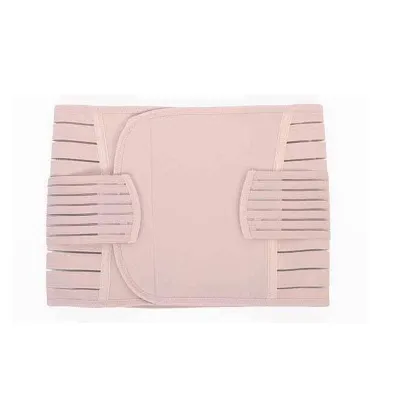
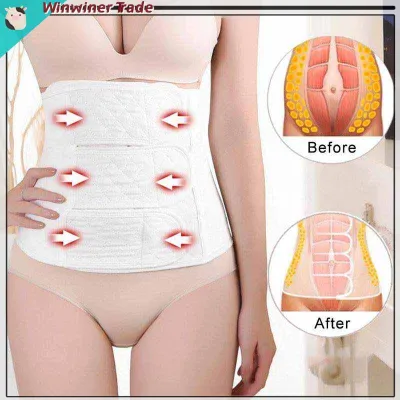
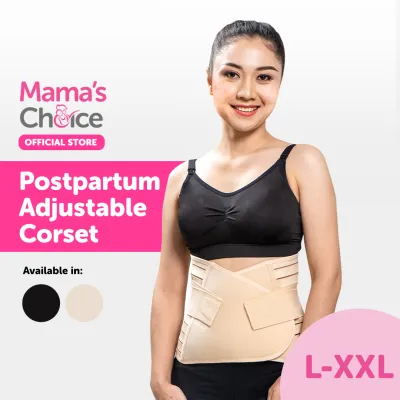
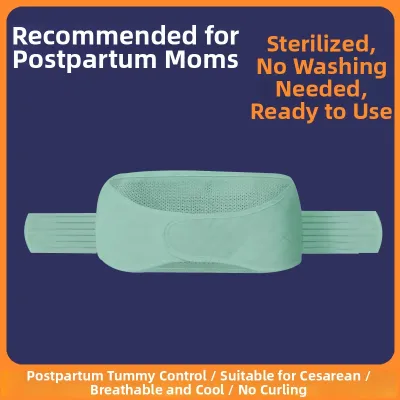
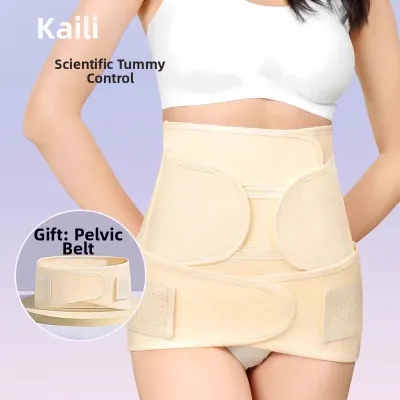
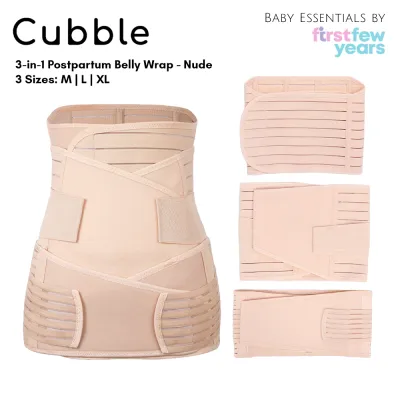
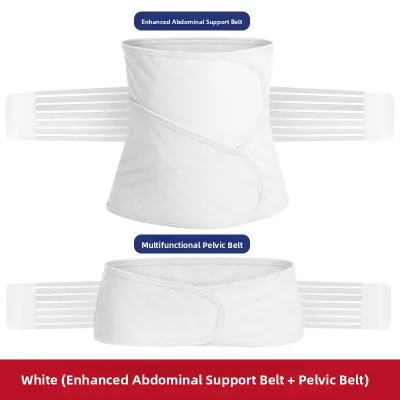
Prices are valid at publication and may change. Please refer to the product page for the latest price.
Avoid products that carry unrealistic weight-loss claims, such as promising to “burn belly fat” or “permanently shrink the waist.” Postpartum recovery is a physiological process of tissue healing and muscle re-education, which cannot be accelerated by tight elastic bands. Look for binders specifically labeled for postpartum or post-surgical use, as these are designed to distribute pressure evenly across the abdomen rather than concentrating it solely at the waistline.
Before purchasing or wearing any compression garment, consulting your obstetrician, gynecologist, or a specialized pelvic floor physiotherapist is a critical first step. A healthcare professional can assess your abdominal wall, check for conditions like diastasis recti, and confirm whether your body is ready for external compression. This professional guidance ensures you do not inadvertently hinder your recovery or irritate healing tissues.
Key Features to Evaluate When Comparing Brands
Material Quality and Breathability
In Singapore’s hot and humid climate, material selection is paramount to prevent skin complications. Postpartum skin is highly sensitive, and sweat trapped beneath a thick, non-breathable binder can quickly lead to heat rashes, contact dermatitis, or bacterial infections. Look for brands that utilize hypoallergenic, moisture-wicking fabrics such as bamboo-derived viscose, organic cotton, or lightweight monofilament elastics. These materials allow air to circulate freely, keeping the skin dry and comfortable even during extended wear.

Compression Levels and Structure
An effective tummy binder must offer supportive, graduated compression rather than a uniform, high-squeeze grip. Medical-grade binders typically feature structured panels that provide firmer support over the lower abdomen and pelvis while easing pressure near the upper stomach. This structural design helps stabilize the core without restricting your breathing or compressing your internal organs. Avoid binders made of stiff, unyielding synthetic sheets that do not contour to the natural curves of a postpartum body.
Adjustability and Fit
Your body shape will change rapidly in the weeks following delivery as swelling subsides and the uterus returns to its pre-pregnancy size. A binder with limited adjustability will quickly become too loose to provide any therapeutic benefit. Look for designs featuring multiple adjustable panels, wide hook-and-loop (velcro) straps, or double-band closure systems. These mechanisms allow you to customize the level of tightness across different zones of your abdomen and tighten the garment incrementally as your recovery progresses.
Brand Transparency and Sizing
Reputable manufacturers provide clear, detailed sizing charts based on postpartum measurements rather than pre-pregnancy dress sizes. They should openly disclose the exact material composition of the garment, including the percentages of cotton, elastane, or polyester used. Look for brands that provide clear instructions on how to measure your hips and waist correctly, as an ill-fitting binder can cause physical discomfort, roll down constantly, or fail to provide adequate support.
Safety Boundaries and Usage Guidelines for Recovery
Delivery Method and Timing
The timeline for introducing a tummy binder depends heavily on whether you had a vaginal birth or a Cesarean delivery. For an uncomplicated vaginal delivery, some healthcare providers may approve the use of a light, supportive binder within the first few days postpartum to assist with pelvic stability. However, after a C-section, you must wait until your surgical incision is fully closed, dry, and free from infection—typically four to six weeks—before applying any direct compression, unless a specialized post-surgical binder is specifically recommended and fitted by your medical team.
Daily Wear Limits and Tightness
A tummy binder is a temporary supportive aid, not a permanent replacement for your core muscles. Relying on a binder for too many hours a day can cause your abdominal and deep back muscles to become inactive, leading to muscle weakness over time. Limit your wear time to a maximum of two to six hours per day, and always remove the binder during meals, rest periods, and sleep. The binder should feel like a firm, supportive hug; if it restricts your ability to take deep diaphragmatic breaths or causes discomfort when sitting, it is too tight.
Warning Signs to Stop Use Immediately
Your body will provide clear physical signals if a binder is causing harm. Stop using the garment immediately and consult a professional if you experience any of the following symptoms:
- Sharp or localized pain in the abdomen, back, or pelvis
- Skin redness, itching, blisters, or signs of wound irritation near a C-section scar
- Numbness, tingling, or a pins-and-needles sensation in your legs or torso
- An increased feeling of heaviness, pressure, or pain in the pelvic floor area
- Shortness of breath or difficulty digesting food
Medical Contraindications
Certain medical conditions strictly prohibit the use of abdominal compression garments. If you experienced preeclampsia, gestational hypertension, or severe postpartum swelling, compression can interfere with fluid balance and circulation. Additionally, mothers experiencing severe pelvic organ prolapse, active skin infections, or complications with surgical wounds must avoid using a binder until they receive explicit clearance from their physician.
Where to Buy and How to Verify Brand Claims
Recommended Retail Channels
To ensure you are purchasing a genuine, safe product, source your tummy binder from established physical and digital retail channels in Singapore. Hospital retail pharmacies (such as those located within major maternity hospitals), reputable specialty maternity boutiques, and official brand websites are the safest options. Purchasing from unverified sellers on general online marketplaces increases the risk of acquiring counterfeit products made from substandard, chemically treated materials that do not meet safety guidelines.
Verifying Product Labels and Certifications
Do not rely solely on marketing claims printed on the packaging. Inspect the physical product labels or official manufacturer specifications for recognized textile and safety standards. Look for certifications such as the OEKO-TEX Standard 100, which verifies that the fabric has been tested for harmful substances and is safe for direct contact with sensitive skin. For medical-grade binders, check if the product is registered as a class-one medical device with relevant health authorities, indicating it has met basic manufacturing and safety standards for therapeutic use.
Evaluating User Reviews Critically
When reading online reviews, look for detailed feedback from verified postpartum mothers rather than generic ratings. Pay close attention to comments discussing how the binder performs in Singapore’s warm weather, whether the edges roll up when sitting, and how well the elasticity holds up after multiple washes. Be skeptical of reviews that focus entirely on rapid weight loss or immediate waist reduction, as these do not reflect realistic or healthy postpartum recovery experiences.
Understanding Return and Hygiene Policies
Because tummy binders are classified as intimate wear and hygiene-sensitive products, most retailers in Singapore enforce strict no-return or exchange policies once the packaging has been opened. This makes accurate sizing crucial before you make a purchase. If you are buying online, look for retailers that offer virtual sizing consultations or detailed measurement guides. If purchasing in-store, ask if a sample garment is available for fitting over your clothing to ensure a proper match before finalizing your purchase.
Frequently Asked Questions (FAQ)
Can I wear a tummy binder while sleeping?
No, you should not wear a tummy binder while sleeping. When you lie down, your body needs to rest, breathe deeply, and circulate blood freely without any external restriction. Continuous compression during sleep can restrict your diaphragm, impede natural digestion, and place unnecessary pressure on your internal organs and pelvic floor. Instead, allow your muscles and skin to rest naturally overnight, and reserve the binder for daytime hours when you are upright and active.
Do tummy binders help heal diastasis recti?
A tummy binder does not heal diastasis recti on its own. While a binder can provide temporary external support and bring the abdominal walls closer together physically, it does not rebuild the deep core strength required to close the gap. True healing of diastasis recti requires active muscle rehabilitation through targeted exercises guided by a pelvic floor physiotherapist. Think of the binder as a temporary splint that assists your posture, while physical therapy is the active recovery process.
How should I wash and maintain a postpartum binder?
To preserve the elasticity and structural integrity of your binder, hand wash it in cold water using a mild, hypoallergenic detergent. Avoid using fabric softeners, bleach, or harsh chemical cleaners, as these can break down the elastic fibers and irritate your skin. Secure all hook-and-loop fasteners before washing to prevent them from snagging the fabric. Always air-dry the binder flat in a shaded, well-ventilated area; never place it in a mechanical dryer or expose it to direct, intense sunlight, as high heat will warp the elastic panels and render the support ineffective.
Community discussion
Share your experience or ask a question. Comments are reviewed before publication.