
Choosing the right portable potty depends entirely on where your toddler will use it most. For car travel, the ideal model is a highly compact, foldable option that collapses flat to fit in a vehicle boot and utilizes disposable, absorbent liners for quick cleanup. For a small apartment or HDB flat, a sturdy, multi-functional 3-in-1 model that doubles as a step stool and toilet reducer maximizes tight bathroom floor space. This guide breaks down how to choose the best configuration for your family’s lifestyle, comparing space-saving home designs with highly mobile travel options.
Assessing Your Living Space and Travel Habits
Potty training is a major milestone that requires consistency, but physical environment constraints often dictate which tools will actually work. In Singapore, many families navigate compact living arrangements, such as HDB flats where bathroom floor space is at a premium and layout configurations leave little room for extra clutter. Simultaneously, long car rides, weekend road trips across the causeway, or extended outings require a reliable, immediate toileting solution that can be deployed in the back seat or boot of a car.
The “best” choice is rarely a one-size-fits-all product, but rather a design optimized for your primary pain point. If your toddler spends most of their time at home and you only travel occasionally, prioritizing daily stability and a small physical footprint in your HDB bathroom is logical. Conversely, if your family is constantly on the move, a lightweight, highly collapsible travel potty that lives in your car boot is indispensable.
Products mentioned in this guide
![[SG Stock] Baby Foldable Travel Potty Seat Kids Fodling Toilet Training Seat 12M+](https://img.lazcdn.com/g/p/54298d0cd77fc65e57e532664f2d523b.jpg_400x400q80.jpg_.webp)
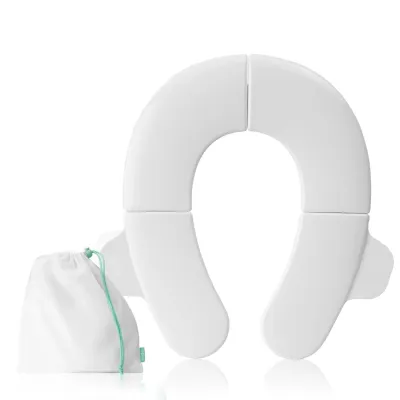

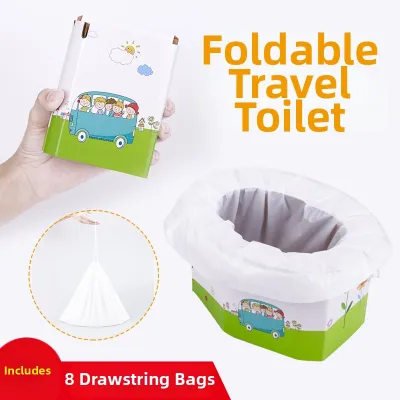
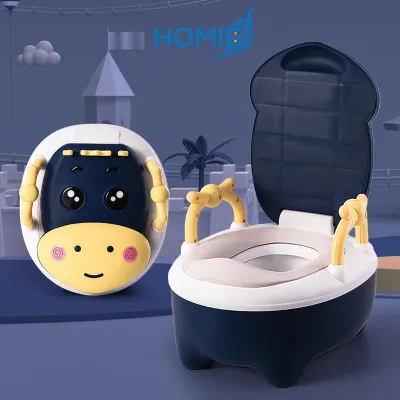
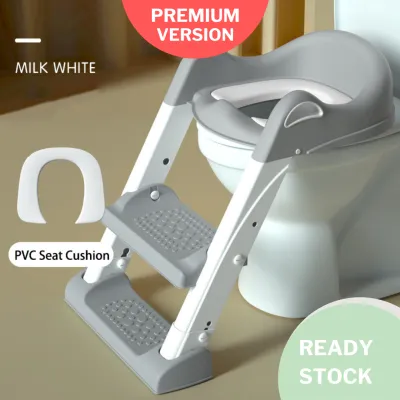
Prices are valid at publication and may change. Please refer to the product page for the latest price.
Before browsing online marketplaces or baby boutiques, take a few minutes to measure your available bathroom floor space and your car’s storage compartments. Knowing exactly how many centimeters of clearance you have next to your main toilet, or how much space is left in your boot alongside a stroller, will prevent you from purchasing a model that is too bulky to store or use comfortably.
Essential Features for Car Travel and Road Trips
When you are on the road, a potty serves as an emergency restroom that must be ready at a moment’s notice. The criteria for a vehicle-bound potty center on rapid deployment, absolute containment, and minimal storage requirements.

Compact and Foldable Designs for Tight Spaces
A travel potty must fit seamlessly into your vehicle without taking up valuable passenger or luggage space. Foldable frames that collapse flat or legs that fold inward are highly efficient, allowing the unit to slide under a car seat, into a seatback pocket, or flat against the side of the boot. Some models feature removable silicone or plastic bowls that collapse down to a fraction of their expanded height, making them incredibly easy to pack.
When evaluating these space-saving mechanisms, always check the folded dimensions provided by the manufacturer against your specific vehicle storage areas. A design that looks small in promotional photos may still be too wide for a compact car’s glove compartment or side door pockets.
Additionally, while lightweight plastic and silicone make these units easy to carry in a diaper bag, you must verify the manufacturer’s stated weight capacity. Ultra-lightweight travel potties must still possess a robust locking mechanism to ensure the legs do not collapse under your toddler’s weight. Always check the product documentation to ensure the weight limit accommodates your growing child’s current size and developmental stage.
Leak-Proof Seals and Odor Control
Using a potty inside a stationary car or at a roadside rest stop presents obvious hygiene and containment challenges. To prevent spills and manage odors, look for models that feature secure lid locks and high, integrated splash guards. A high splash guard is particularly important for preventing accidental sprays, which can be difficult to clean out of car upholstery.
Many travel-specific potties are designed to be used with disposable, absorbent liners that wrap around the seat. These liners often contain a pad that solidifies liquid waste into a gel, making disposal clean and straightforward. If you prefer a model with a reusable collection bowl, ensure the lid features a medical-grade silicone gasket or a robust double-locking latch to guarantee a leak-proof seal during transit.
Before relying on any leak-proof claims, inspect the manufacturer’s seal design and check verified user feedback regarding real-world performance under pressure. A reliable travel potty should also feature an easy-to-remove inner bowl. This allows you to lift, empty, and clean the container quickly at a public rest stop without having to carry the entire potty structure to the sink.
Selecting a Potty for Small Apartments and HDB Bathrooms
At home, the primary challenges shift from portability to daily durability, ease of cleaning, and space optimization. In a small bathroom, a potty that sits permanently on the floor can quickly become a tripping hazard or block access to the shower and sink.
Multi-Functional Designs to Maximize Floor Space
To prevent your bathroom from feeling cluttered, consider a multi-functional 3-in-1 potty design. These versatile units typically start as a standalone floor potty for the early stages of training. As your child grows and gains confidence, the removable top ring transitions to serve as a toilet seat reducer on your standard adult toilet, while the base flips over to become a sturdy step stool.
This multi-stage utility ensures you do not need to store three separate pieces of bulky plastic equipment in an already tight space. However, before purchasing, carefully measure your bathroom’s footprint. You need to ensure the potty fits comfortably adjacent to the main toilet without blocking the bathroom door’s swing path or restricting foot traffic around the sink.
When transitioning the unit to a step stool, always verify the manufacturer’s specified weight limits and safety warnings. Look for models with prominent anti-slip rubber feet on the bottom and a textured grip surface on top. This prevents the stool from sliding on wet bathroom tiles, ensuring your toddler can safely reach the basin to wash their hands independently.
Stability and Slip-Resistance for Daily Independence
For daily home use, a potty must provide a secure, comfortable seat that encourages your child to sit patiently. Toddlers are more likely to use the potty independently if they feel completely stable and secure. Look for models with a wide, flared base that resists tipping, even if your child wiggles or stands up abruptly.
Non-slip rubber grips on the base are essential for maintaining traction on smooth bathroom floors. A supportive, high backrest and comfortable molded armrests can also help your child maintain a relaxed, natural posture, which is physically beneficial during bowel movements.
Before purchasing a sturdy home potty, check the manufacturer’s documentation for stability testing parameters and maximum weight capacity. While these heavier, wide-base models are highly stable and ideal for daily home use, their bulk and weight make them less suitable for carrying on public transport or packing into a crowded car boot.
Can One Portable Potty Work for Both Car and Home Use?
Many parents wonder if they can save money and storage space by purchasing a single “hybrid” portable potty that transitions between the home and the car. While a single-potty strategy is highly economical, it requires weighing clear trade-offs in convenience, hygiene, and physical design.
Hybrid models do exist, often featuring folding legs that can lay flat to rest on an adult toilet seat or fold down to stand on the floor. While highly versatile, these models often compromise on home comfort. They typically lack the high backrests, wide bases, and plush seating surfaces of dedicated home potties, which might make some toddlers less willing to use them for extended periods at home.
Furthermore, using a single potty requires a rigorous cleaning routine. You must be prepared to thoroughly sanitize the unit before bringing it back into your clean apartment after it has sat on a public restroom floor or in a dusty car boot. If you forget to pack the potty before a car trip, or if it is left in the vehicle when your child needs it at home, you may face stressful, avoidable accidents.
To help you decide, consider this simple framework:
- Choose a Single Hybrid Unit if your apartment has virtually no extra storage space, you rarely travel by car, and your child adapts easily to different seating surfaces.
- Choose Dual Specialized Units if you frequently take road trips, have a dedicated car boot space, and want to provide maximum stability and comfort for your child's daily routine at home. Investing in a sturdy, budget-friendly potty for the HDB bathroom and keeping a compact, foldable travel potty permanently in the car boot often provides the most stress-free experience.
Hygiene and Maintenance Routines for Both Environments
Maintaining strict hygiene standards is crucial for preventing bacteria buildup and controlling odors, regardless of where the potty is used. Because toddlers have sensitive skin, the cleaning methods you choose must be both highly effective and safe for delicate materials.
For car travel and outdoor use, establish a rapid-cleanup routine. Always use disposable, biodegradable liners with absorbent pads to contain liquid and solid waste immediately. Keep a dedicated travel kit in your car containing biodegradable waste bags, hand sanitizer, and travel-safe sanitizing wipes. Once the waste is sealed in a liner, place it inside a secondary disposal bag until you can reach a proper waste receptacle.
For home maintenance, establish a daily rinsing routine. Clean the removable bowl with warm water and a mild, baby-safe dish soap or gentle detergent after every use. Allow the components to air dry completely in a well-ventilated area of your bathroom to prevent mold and mildew growth.
To protect both your child and the product, always adhere to safety boundaries during cleaning. Avoid using harsh, undiluted bleach, ammonia, or abrasive scrubbing pads, as these can degrade the plastic surface, compromise the structural integrity of the locking joints, and leave chemical residues that irritate your toddler’s skin. Always consult the manufacturer’s care instructions for approved cleaning agents and sanitization protocols.
Frequently Asked Questions (FAQ)
At what age should I introduce a portable potty for travel?
Introducing a travel potty depends on your child’s individual developmental readiness rather than a specific age. Most toddlers show signs of readiness between 18 and 30 months, such as staying dry for several hours, communicating their physical needs, and showing interest in using the toilet. Before planning long car trips with a portable potty, consult pediatric guidelines to identify these physical and cognitive milestones, and ensure your child is comfortable using the potty in a familiar home environment first.
How do I safely dispose of waste when using a portable potty in the car?
To dispose of waste safely during a road trip, utilize leak-proof, absorbent liners that solidify liquid waste. Once your child is finished, tie the liner securely and place it inside a sealed, biodegradable disposal bag. Dispose of the sealed bag in a public restroom trash bin or a designated waste receptacle at a petrol station or rest stop. Never leave sealed waste bags inside a parked vehicle, as high cabin temperatures can cause rapid odor buildup and present significant hygiene risks.
Community discussion
Share your experience or ask a question. Comments are reviewed before publication.