
Potty training is a significant developmental milestone that requires patience, consistency, and the right tools. While managing this transition in the comfort of your own home is challenging enough, maintaining progress while on the move introduces a new set of logistical hurdles. In a bustling, high-density environment like Singapore, family outings often involve navigating crowded shopping complexes, commuting on public transit networks, or enjoying outdoor spaces like East Coast Park and the Singapore Botanic Gardens. During these excursions, public restroom facilities may not always be immediately accessible, clean, or equipped with child-friendly amenities. Having a reliable portable potty on hand is a practical solution that helps keep your toddler’s training on track while reducing the stress of unexpected emergencies.
When choosing a portable potty, the most critical features to prioritize are reliable leak prevention, a stable and non-slip base, easy-to-clean components (such as removable bowls or secure liner-locking mechanisms), and compact foldability that fits easily into a stroller basket or diaper bag. By focusing on these essential specifications, caregivers can ensure that outdoor training sessions remain hygienic, safe, and comfortable for the child. It is also vital to select a model that aligns with your family’s specific travel habits, whether you are taking short trips to neighborhood complexes or planning longer journeys across the Causeway. Balancing these factors will help you make an informed decision that supports your child’s independence.
Quick Guide: Core Features for a Stress-Free Portable Potty
Selecting the right portable potty requires balancing convenience, hygiene, and your child’s comfort. To simplify your shopping experience, focus on a few non-negotiable features that directly impact how easy the potty is to use in public spaces. First, reliable leak prevention is paramount; look for models with secure seals or robust liner-locking mechanisms that prevent spills during transit. Second, a stable, non-slip base is essential to keep the potty upright on various surfaces, from smooth shopping mall tiles to uneven outdoor grass. Third, choose a design with easy-to-clean components, such as a removable inner bowl or surfaces that can be quickly wiped down with sanitizing wipes. Finally, compact foldability ensures the potty can be tucked away in a diaper bag or stroller compartment without adding unnecessary bulk.
Products mentioned in this guide
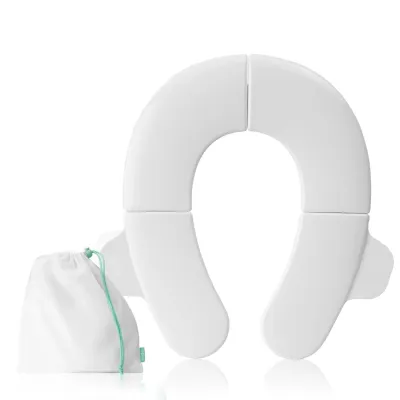
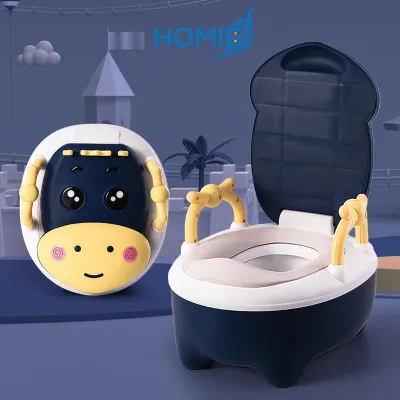

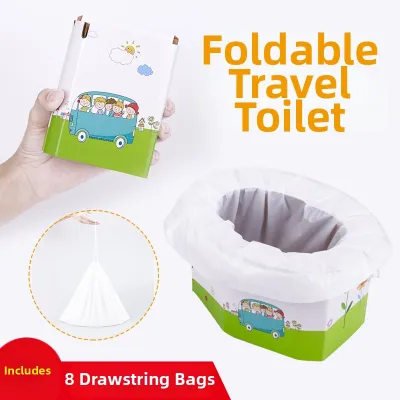
![[SG Stock] Baby Foldable Travel Potty Seat Kids Fodling Toilet Training Seat 12M+](https://img.lazcdn.com/g/p/54298d0cd77fc65e57e532664f2d523b.jpg_400x400q80.jpg_.webp)
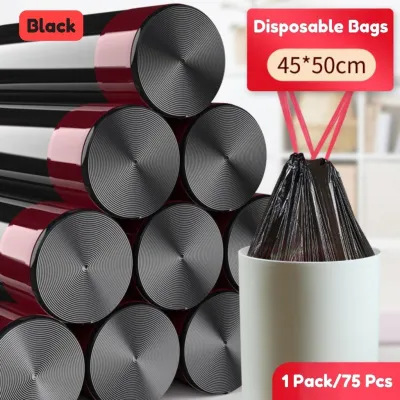
Prices are valid at publication and may change. Please refer to the product page for the latest price.
The ideal portable potty for your family depends heavily on your primary use cases. If your outings consist mainly of quick trips to local air-conditioned malls, a lightweight folding seat that fits over public toilet bowls may be the most convenient option. On the other hand, if you frequently travel by car, embark on outdoor picnics, or visit parks where public restrooms are far apart, a standalone model with disposable liners or a sealed, liquid-tight reservoir will serve you better. Understanding these distinct scenarios helps narrow down the choices and ensures you select a tool that fits seamlessly into your daily routine.
Must-Have Specifications for Travel and Outings
Leak Prevention and Splash Guards
When using a portable potty outside the home, containing liquid waste and preventing accidental spills is the highest priority for maintaining hygiene. A well-designed potty should feature an integrated, high splash guard at the front of the seat. This feature is particularly important for young boys to prevent urine from spraying upward and landing on public restroom floors or the child’s clothing. Look for a splash guard that is molded directly into the seat structure rather than a separate attachment, as integrated designs are sturdier and have fewer crevices where bacteria can accumulate.

In addition to splash guards, evaluate how the potty secures disposable liners or contains liquid within its structure. Many folding models utilize a dedicated liner-locking ring that snaps down over the edges of a plastic bag, keeping the liner firmly in place even if the child shifts their weight. For standalone models that feature a built-in waste reservoir, inspect the quality of the rubber seals and locking latches. A high-quality silicone gasket along the lid’s rim provides an airtight, leak-proof seal, allowing you to carry the closed potty safely until you reach a suitable disposal point. Before purchasing, check user reviews or product descriptions for real-world feedback on leak performance, as a failure in this area can lead to difficult cleanups in public spaces.
Base Stability and Weight Limits
A portable potty must provide a secure and stable seating surface to build your child’s confidence during the training process. Toddlers can easily become startled or refuse to use a potty if they feel it wobble or slide beneath them. To ensure physical safety, look for a potty with a wide, flared footprint that distributes the child’s weight evenly across the ground. This structural design minimizes the risk of the potty tipping sideways if your child leans or moves unexpectedly while seated.
The material on the bottom of the potty base is equally critical. In Singapore, public restroom floors are frequently tiled and can become slippery due to high humidity or wet cleaning cycles. Ensure the potty is equipped with robust, non-slip rubber grips or silicone pads on the contact points of the base to prevent sliding on smooth surfaces. Furthermore, always verify the manufacturer’s stated maximum weight capacity and age recommendations on the physical packaging before purchase. Foldable models rely on mechanical joints that must lock securely into place; checking these specifications ensures the frame can safely support your child’s weight without risk of structural failure.
Cleaning Mechanisms and Bowl Removal
Post-use cleanup is a major consideration when choosing a portable potty, especially when you are away from home facilities. There are two primary cleaning designs available: models with removable inner bowls and those designed for use with disposable liners. Removable inner bowls are highly practical for locations where you have immediate access to a sink or toilet to empty and rinse the container. This design is highly cost-effective and environmentally friendly, as it eliminates the ongoing need to purchase single-use plastic liners.
Conversely, when a proper restroom is not immediately available, such as during outdoor activities or long car rides, compatibility with disposable liners becomes invaluable. These liners typically feature a super-absorbent pad that quickly solidifies liquid waste, making it easy to tie up and dispose of in a standard waste bin. When evaluating these models, check if they are compatible with standard, generic disposable bags or if they require proprietary liners sold by the manufacturer. Proprietary liners often fit more securely but come with a higher ongoing consumable cost, which can range from S$15 to S$35 per pack depending on the brand. Balancing these cleaning mechanisms against your typical travel destinations will help you choose the most practical option.
Matching Potty Types to Your Family's Travel Needs
Foldable Potties with Disposable Liners
Foldable potties designed for use with disposable liners are among the most popular choices for parents prioritizing portability and space-saving design. These models typically feature legs that fold flat against the seat, allowing the entire unit to slip easily into a standard backpack or a compact stroller basket. When your child needs to use the restroom, the legs unfold and lock into position, and a disposable plastic liner is stretched over the seat frame. This setup allows for rapid deployment in almost any environment, from the back of a car to a quiet corner of a park.
While these models excel in portability, they do come with certain trade-offs. The reliance on disposable liners means you must always carry a sufficient supply of bags and absorbent pads, creating an ongoing consumable cost. Additionally, because these potties are designed to be ultra-lightweight, they can sometimes feel less substantial or slightly lower to the ground than a standard home potty. Some toddlers who are accustomed to a solid, heavy training seat may initially feel hesitant to sit on a lightweight folding frame, requiring a brief period of adjustment and reassurance from caregivers.
Multi-Functional Potty Seats and Step Stools
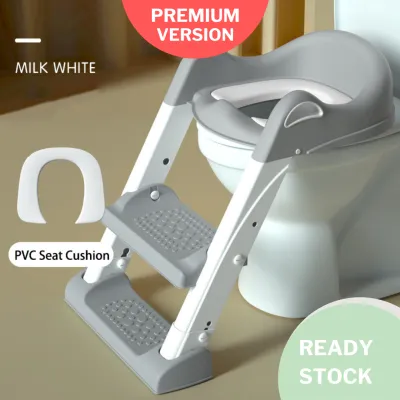
Multi-functional potty seats, often referred to as 2-in-1 or 3-in-1 designs, offer excellent longevity and versatility by adapting to different stages of your child’s potty training journey. In their standalone configuration, they function as a low, floor-based potty. As your child grows and gains confidence, the seat portion can be detached and placed directly onto an adult toilet bowl to act as a toilet seat reducer. Some models also allow the base of the potty to be flipped over and used as a sturdy step stool, helping the child reach the sink to wash their hands.
This type of portable potty is highly beneficial for older toddlers who are transitioning to using public toilets but still find the standard adult seat too large and intimidating. When shopping for a multi-functional model, it is crucial to check the stability of the step stool configuration and ensure the seat reducer fits securely on various public toilet bowl shapes, including round and elongated designs. Keep in mind that these models are generally bulkier than simple folding frames, making them better suited for trips where you have a stroller with ample storage space or are traveling by car.
Standalone Mini-Potties with Removable Bowls
Standalone mini-potties are scaled-down versions of traditional home training potties, often designed with a built-in carrying handle or shaped like a small suitcase. These models do not require disposable liners; instead, they feature a built-in, removable inner bowl that can be emptied directly into a standard toilet and washed. Because they look and feel very similar to the potty your child uses at home, they offer a high level of familiarity and comfort, which can significantly reduce resistance to using the potty in unfamiliar environments.
The primary advantage of standalone mini-potties is their robust, sturdy construction, which provides a highly stable seating surface for the child. However, their physical size is a notable drawback for travel. They do not fold down, meaning they take up significant space in a car boot or stroller compartment. Additionally, because they do not use liners, you must manually empty, rinse, and sanitize the inner bowl after each use. This makes them ideal for longer trips, camping, or visiting relatives’ homes where you have access to clean water and sanitizing supplies, but less practical for quick errands in crowded urban malls.
Safety and Hygiene Checks Before You Buy
Material Verification
Before purchasing a portable potty, it is essential to verify the safety and quality of the materials used in its construction. Look for explicit manufacturer labels on the physical product packaging confirming that the plastic is free from Bisphenol A (BPA), phthalates, lead, and other potentially harmful chemical additives. Since toddlers have sensitive skin and will be in direct contact with the potty seat, ensuring the materials are non-toxic and hypoallergenic is a critical health consideration. High-quality, durable plastics also resist cracking and degradation over time, ensuring the potty remains safe to use throughout your child’s training journey.
Pinch Points and Folding Safety
Foldable and multi-functional potties rely on moving parts, hinges, and locking joints to collapse into a compact size. While these mechanisms are excellent for portability, they can pose physical safety risks if not properly designed. Carefully inspect the potty’s folding joints to ensure there are no exposed pinch points that could trap your child’s fingers, thighs, or skin during setup or use. Look for models that feature covered hinges or safety guards over the folding mechanisms. Additionally, test the safety locks to ensure they click firmly into place and prevent the potty from accidentally collapsing or folding up while your child is seated.
Ergonomics and Comfort
A comfortable seating experience is vital for encouraging your child to use the portable potty consistently. Inspect the physical design of the seat to ensure it has smooth, rounded edges with no sharp plastic seams that could pinch or irritate your child’s skin. The seat should offer adequate contouring and backrest support, which is especially important for younger toddlers who are still developing the core strength needed to sit upright for extended periods. Furthermore, choose a potty height that allows your child’s feet to rest flat on the ground. This positioning supports a natural squatting posture, which relaxes the pelvic floor muscles and makes elimination easier and more comfortable for the child.
Developmental Readiness
It is important to remember that a portable potty is a supportive tool, and its safe, effective use depends entirely on your child’s physical readiness and active adult supervision. Never leave a child unattended on a portable potty, especially when using it in unfamiliar or outdoor environments. Always follow the manufacturer’s specific guidelines regarding age, weight limits, and developmental stages, which are typically printed on the product packaging. If you are unsure whether your child is physically ready to begin using a portable potty, consult your pediatrician or a qualified family healthcare professional for personalized developmental guidance.
Frequently Asked Questions (FAQ)
What are the signs my toddler is ready for a portable potty?
Rather than relying solely on a specific age, look for developmental and behavioral signs that indicate your child is ready to begin potty training. Common indicators include your child showing an interest in the toilet or underwear, staying dry for consecutive periods of two hours or more during the day, and communicating the need to use the restroom through words, gestures, or facial expressions. Additionally, physical readiness includes the ability to walk to the bathroom, sit stably on a seat, and assist with pulling their pants down and up. If you observe these signs consistently, it may be the ideal time to introduce a portable potty. For personalized advice tailored to your child’s unique development, consult your family pediatrician.
How do I manage waste disposal during long car rides?
Managing waste disposal during long car journeys requires preparation and the right hygienic supplies. The most effective method is to use high-quality, biodegradable disposable liners equipped with super-absorbent polymer pads that quickly turn liquid waste into a solid gel. This prevents splashing and minimizes odors within the vehicle. Once your child has finished using the potty, carefully tie the liner bag closed. For added odor control and leak protection, place the sealed liner inside a secondary, odor-blocking bag or a dedicated wet bag. Store the sealed bag in a secure area of the car until you reach a rest stop, petrol station, or public waste bin where it can be safely and hygienically discarded.
Is it safe to use a foldable potty on top of a public toilet seat?
Whether it is safe to use a portable potty on top of a public toilet seat depends entirely on the product’s specific design and the manufacturer’s instructions. Standalone floor potties are engineered to sit flat on the ground and should never be placed on top of an adult toilet seat, as they lack the necessary stability and can easily slip or tip over, posing a severe fall risk. Conversely, dedicated travel toilet seat reducers are specifically designed with anti-slip rubber grips, stabilizing tabs, or brackets that secure the device onto a standard adult toilet bowl. Always check the manufacturer’s instructions on the packaging to verify the intended use of your specific model, and maintain active adult supervision at all times to ensure your child’s safety.
Community discussion
Share your experience or ask a question. Comments are reviewed before publication.