
For parents navigating the busy lifestyle of Singapore, finding a foldable playmat that balances genuine portability with reliable comfort is essential. A truly portable playmat must be lightweight, fold down to a compact size that fits easily into stroller baskets or car boots, and feature a quick-folding mechanism that can be operated with one hand. While thick, heavy polyurethane mats are excellent for permanent home setups, they are far too bulky for travel. For on-the-go routines, lightweight cross-linked polyethylene accordion-style mats offer the best compromise, providing a clean, cushioned surface wherever you and your baby venture.
Choosing the right brand and model requires looking past marketing buzzwords to evaluate physical specifications, material safety, and real-world durability. By focusing on verified dimensions, weight limits, and certified materials, you can find a travel-friendly solution that keeps your child safe and comfortable during outings.
Key Portability Features to Evaluate Before Buying
When assessing different product lines on the market, the folding mechanism is the first design element to analyze. Accordion-style mats, which fold flat along multiple pre-creased panels, are highly efficient for travel because they deploy and collapse in seconds. In contrast, bi-fold or tri-fold designs tend to be thicker and offer excellent cushioning, but their larger folded footprint makes them difficult to carry on public transport or fit into tight spaces. If you frequently travel by MRT or bus, an accordion-style mat is generally the more practical choice.
Products mentioned in this guide
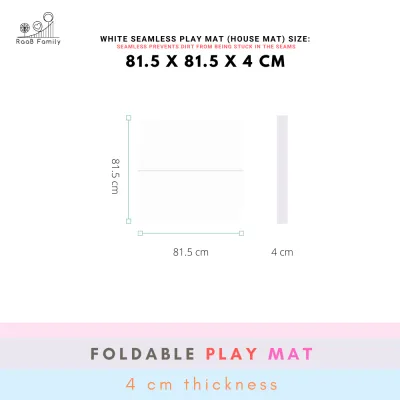
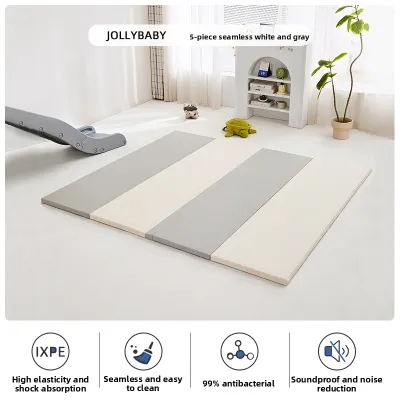
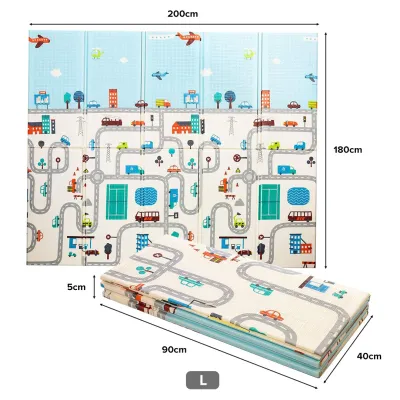
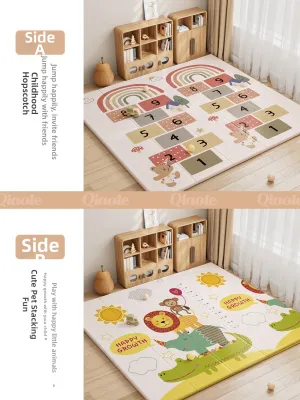
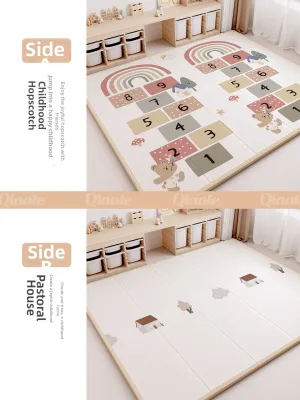
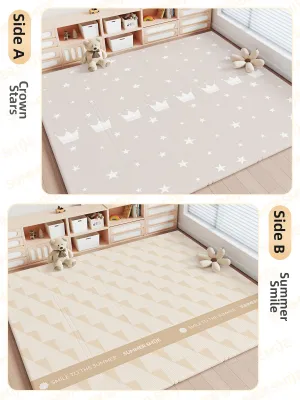
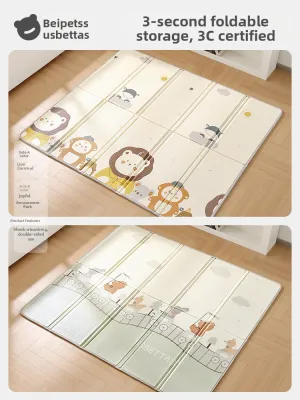
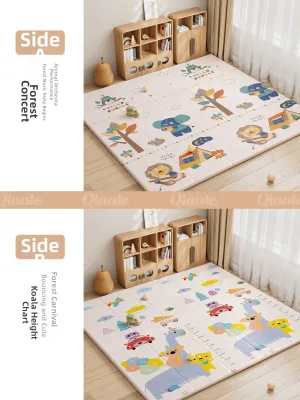
Prices are valid at publication and may change. Please refer to the product page for the latest price.
Carrying convenience is another critical factor that directly impacts how often you will actually use the mat. Look for models that feature integrated, reinforced carrying handles or come with a dedicated travel bag. A high-quality travel bag not only makes the mat easier to sling over your shoulder, keeping your hands free for your baby and diaper bag, but it also protects the clean surface of the mat from dust, dirt, and rain during transit.
Before making a purchase, always measure your specific storage spaces and compare them against the manufacturer’s stated folded dimensions. Check the clearance of your stroller’s undercarriage basket, as many compact travel strollers have narrow openings that cannot accommodate bulky items. For car owners, verify if the folded mat can stand vertically in the boot to maximize luggage space alongside strollers and groceries.
Finally, pay close attention to the overall weight of the product. A travel-friendly playmat should ideally weigh between 1 kg and 1.8 kg. Any mat weighing over 2.5 kg will quickly become a physical strain when you are carrying a baby in a carrier, navigating escalators, or walking long distances in outdoor parks.
Material, Comfort, and Safety Checks for Travel Mats
Because your baby’s skin will be in direct contact with the playmat, verifying the material composition is a top priority. Cross-linked polyethylene (XPE) is highly recommended for portable mats because it is extremely lightweight, odorless, and naturally waterproof. Avoid budget mats made from low-grade expanded polyethylene (EPE), which tends to compress permanently under pressure and lacks the structural resilience needed for frequent folding and unfolding.

Since chemical safety cannot be verified visually, you must rely on official manufacturer certifications. Look for product labels that explicitly state compliance with recognized international safety standards, such as the European Toy Safety Standard (EN71), the American Society for Testing and Materials (ASTM), or the Korea Certification (KC) mark. Ensure the product description guarantees that the materials are free from harmful substances like formamide, formaldehyde, phthalates, and heavy metals.
Cushioning and density are vital for protecting your baby’s joints during crawling or early walking stages. While travel mats are thinner than home mats—usually ranging from 1cm to 1.5cm in thickness—high-density foam can still provide excellent shock absorption. You can test this by pressing your thumb firmly into the foam; a high-quality mat will spring back to its original shape immediately rather than leaving a lasting indentation.
Outdoor use requires a surface that is easy to clean and slip-resistant. Inspect the mat’s surface texture for debossed patterns, which provide essential traction for a baby learning to push up or crawl. Ensure the outer layer is fully waterproof so that spills, spit-up, or outdoor dirt can be wiped away instantly with a damp cloth or baby wipe. Additionally, examine the folding hinges; deep, open crevices can easily trap crumbs, sand, and moisture, so look for designs with tightly sealed or seamless joints.
How to Build and Filter Your Brand Shortlist
To find the best portable playmat for your family, start by setting a realistic budget. In Singapore, high-quality portable playmats generally range from S$40 to S$120. Budget-friendly XPE accordion mats typically cost between S$40 and S$70, while mid-range options that include premium travel bags or custom designs fall between S$70 and S$120. Focus your search strictly within dedicated baby gear categories on online marketplaces, avoiding generic home rugs or camping mats that may not meet strict toy safety standards.
When browsing options, analyze customer reviews specifically for long-term durability. Pay close attention to feedback regarding the folding seams, as the most common failure point in low-quality mats is tearing along the hinges after a few months of use. Look for reviews that mention how well the mat holds up to repeated folding and whether the outer waterproof film begins to peel over time.
To ensure you receive an authentic product with a valid warranty, always purchase from official brand stores or authorized local distributors. This protects you from counterfeit items that may use non-certified, toxic chemical flame retardants or plasticizers. Authorized sellers also provide reliable customer service if you encounter manufacturing defects like misaligned seams or uneven foam density.
Lastly, cross-reference the manufacturer’s listed dimensions with user-uploaded photos in the review section. Seeing the mat placed next to a standard stroller, inside a car boot, or held by a parent provides a much more accurate representation of its true scale and portability than stylized promotional images.
Cleaning and Storing Your Foldable Playmat
Proper maintenance is essential to prolong the lifespan of your portable playmat and maintain a hygienic surface for your baby. For routine cleaning, wipe the entire surface with a soft cloth dampened with warm water and a mild, baby-safe soap. Avoid using harsh chemical disinfectants, bleach, or abrasive scrubbing brushes, as these can degrade the waterproof coating, wear down the textured surface, and cause the printed patterns to fade.
After cleaning, or after using the mat outdoors on damp ground, always allow it to air dry completely before folding it up. Lay the mat flat or drape it over a drying rack in a well-ventilated indoor area away from direct sunlight. Trapping moisture within the folded panels in Singapore’s highly humid climate is a primary cause of mold, mildew, and stubborn odors that can ruin the foam core.
When storing the mat, choose a cool, dry location away from windows to prevent UV damage, which can make the synthetic materials brittle over time. Avoid placing heavy storage boxes, luggage, or other gear on top of the folded mat. Continuous, heavy pressure can permanently compress the internal foam cells, leaving flat spots that compromise the mat’s cushioning and protective capabilities.
Frequently Asked Questions (FAQ)
Can I use a foldable playmat outdoors on grass or sand?
Yes, provided the mat has a durable, waterproof outer layer such as XPE. Before laying the mat down, always inspect the ground thoroughly and clear away any sharp twigs, stones, shells, or debris that could puncture the outer protective film. If you use the mat on damp grass or wet sand, ensure you wipe the underside completely dry with a clean towel before folding it up to prevent moisture from being trapped between the panels during your journey home.
How do I remove creases from a newly unfolded playmat?
Temporary creases are common when a mat has been tightly folded or packed for shipping. The safest way to flatten them is to lay the mat completely flat in a warm room and allow it to rest naturally for 24 to 48 hours. To speed up the process, you can place flat, smooth, moderately heavy items like large books on the creased areas. Never use direct heat sources such as clothes irons, hairdryers, or garment steamers, as extreme heat can easily melt the synthetic foam core or permanently warp the outer waterproof layer.
Community discussion
Share your experience or ask a question. Comments are reviewed before publication.