
A portable diaper mat is one of the most practical investments a parent can make. Whether you are navigating a busy shopping mall, visiting family, or enjoying a day out at the park, having a dedicated, clean, and comfortable space to change your baby is essential. The right mat acts as a protective barrier against public surfaces while offering a familiar, soothing spot for your infant.
Choosing the perfect portable diaper mat requires balancing several key features, including material safety, waterproofing, cushioning, and portability. In Singapore’s warm and humid climate, these factors become even more critical to ensure your baby’s skin remains cool, dry, and free from irritation. By understanding what to look for, you can select a mat that fits seamlessly into your daily routine and diaper bag.
Define Your Primary Changing Environments
Your daily routine and lifestyle dictate the type of diaper mat that will serve you best. Parents in Singapore navigate a diverse range of environments, from compact high-rise apartments to expansive outdoor spaces like the Singapore Botanic Gardens or East Coast Park. Each of these settings presents unique challenges that influence which mat features you should prioritize.
Products mentioned in this guide
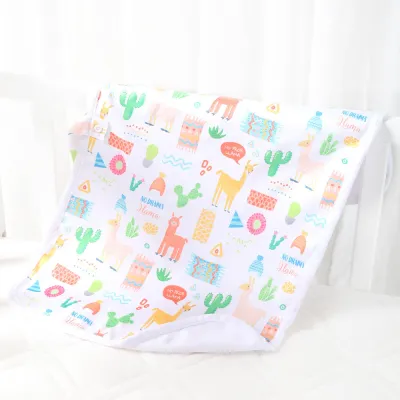
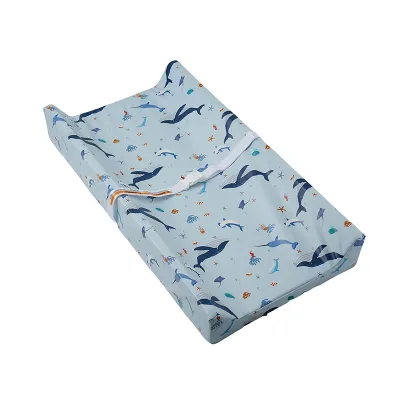
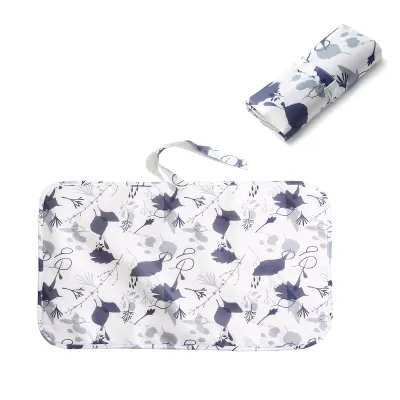
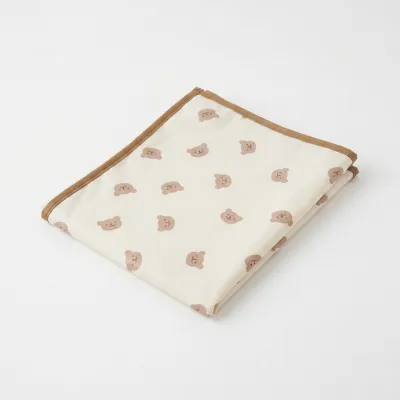
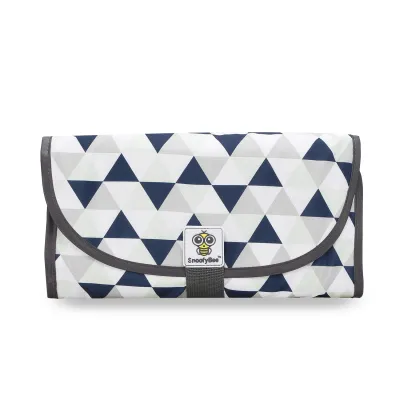
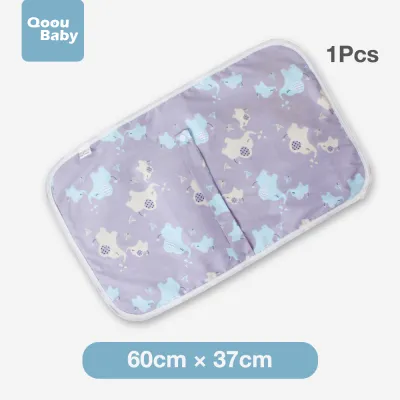
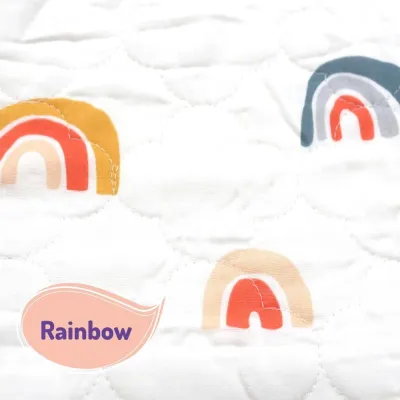
Prices are valid at publication and may change. Please refer to the product page for the latest price.
If you spend most of your time in urban areas, you will likely utilize the nursing and changing rooms found in major shopping malls. These spaces are generally clean and well-equipped, but they feature hard, smooth changing tables. In this scenario, your primary need is a mat with a highly reliable non-slip backing to prevent sliding, alongside excellent waterproofing to shield your baby from shared surfaces.
For families who love outdoor adventures, travel, or frequent stroller outings, lightweight portability is the ultimate priority. A bulky, heavy mat will quickly become a hassle when packed alongside baby bottles, extra clothes, and toys. You will want a highly compact, foldable, or roll-up mat that fits easily into a stroller basket or a small backpack without taking up valuable space.
Conversely, if you are looking for a mat to use primarily at home or during quick visits to nearby relatives, you might prioritize maximum padding and physical support over compact folding. A thicker, more cushioned mat provides a comfortable, semi-permanent changing station on beds, sofas, or floors, making it a versatile addition to your nursery setup.
Verify Material Safety and Skin Compatibility
Because a diaper mat comes into direct contact with your baby’s delicate skin, material safety is a paramount consideration. Newborn skin is exceptionally thin and highly permeable, making it vulnerable to chemical irritants and allergens. When shopping for a portable diaper mat, it is vital to look past generic marketing claims and carefully inspect the product specifications.

Always verify that the mat is constructed from non-toxic, baby-safe materials. Look for explicit labels indicating that the product is free from bisphenol A (BPA), phthalates, lead, and polyvinyl chloride (PVC). PVC is commonly used in cheap waterproof gear, but it often contains harmful plasticizers and can release volatile organic compounds (VOCs) that are unsafe for infants.
Instead, opt for safer, modern alternatives such as thermoplastic polyurethane (TPU) or food-grade silicone. These materials offer excellent water resistance and durability without the need for toxic chemical additives. They are also highly stable, meaning they will not degrade or release harmful substances when exposed to heat or frequent cleaning.
In Singapore’s tropical climate, skin breathability is another crucial factor. Non-breathable plastic surfaces can trap sweat and heat, creating a warm, damp environment that quickly leads to heat rash or worsens diaper rash. Look for mats that feature hypoallergenic, soft-touch top layers, such as organic cotton or bamboo-derived fabrics treated with safe, water-repellent finishes. These materials feel cool and gentle against sensitive skin.
To guarantee the highest level of safety, look for independent certifications on the product packaging or the manufacturer’s official website. Certifications such as OEKO-TEX Standard 100 or REACH compliance indicate that the textiles and materials have undergone rigorous testing for harmful substances. Additionally, always check the manufacturer’s age and weight limits to ensure the mat is sized appropriately for your baby’s developmental stage.
Assess Padding Thickness and Physical Support
A portable diaper mat must provide adequate physical support to protect your baby’s head, neck, and spine from hard surfaces. Public changing tables, wooden park benches, and tiled floors offer no cushioning, which can make diaper changes uncomfortable or even painful for a wiggling infant.
When evaluating cushioning, look closely at the thickness and density of the internal padding. High-density foam, memory foam, or specialized polyester fiberfill inserts provide excellent shock absorption without adding excessive bulk. A padding thickness of approximately 5mm to 10mm is generally ideal for portable mats, offering a supportive barrier while still allowing the mat to fold up compactly.
Newborns and active infants who are learning to roll require extra stability during changes. Many premium mats feature built-in head pillows or contoured, raised outer edges. These design elements help keep your baby centered on the mat, reducing the risk of sudden rolling and providing a cozy, secure feeling that can help soothe a fussy baby.
However, no matter how supportive or protective a mat’s padding and edges are, they are not a substitute for active supervision. It is a critical safety rule to never leave your baby unattended on a diaper mat, even for a brief second. Whether the mat is placed on an elevated changing table or flat on the floor, always keep at least one hand on your baby to ensure complete safety. Always read and follow the manufacturer’s safety warnings regarding proper placement and usage.
Evaluate Waterproofing and Cleaning Efficiency
Diaper changes are inevitably messy, which makes cleaning efficiency a top priority when choosing a mat. The waterproofing quality of the mat determines how well it resists liquids, prevents staining, and avoids harboring odor-causing bacteria over time.
Wipe-clean surfaces are highly practical for busy parents on the go. Materials like TPU, PEVA (polyethylene vinyl acetate), or food-grade silicone allow you to instantly wipe away urine, feces, and diaper creams using a standard baby wipe or a damp cloth. This quick-clean capability is essential when you need to perform multiple changes throughout the day without access to a washing machine.
Alternatively, some mats feature removable fabric covers that are fully machine-washable. While these covers offer a very soft and comfortable surface for your baby, they require more maintenance. If a major mess occurs, you will need to store the soiled cover in a sealed wet bag until you return home, which can be inconvenient during long outings.
For the best balance of comfort and convenience, consider a hybrid design. These mats often feature a wipe-clean, waterproof inner surface where the baby lies, combined with a durable, machine-washable outer shell. This setup allows for quick sanitizing on the go and a thorough deep-clean at home when needed.
When inspecting a mat, pay close attention to the seams and edges. Stitched seams that are not sealed can allow liquids to seep into the inner padding, leading to mold growth and persistent odors that are impossible to clean. Look for mats with heat-sealed, welded, or bound seams that prevent moisture from penetrating the core.
Additionally, check the manufacturer’s care label for specific washing instructions. Some waterproof coatings are sensitive to high temperatures and harsh detergents, which can cause them to crack or delaminate. Air-drying is typically recommended to preserve the waterproof barrier and extend the lifespan of the mat.
Compare Portability: Folding Mechanisms and Storage
A portable diaper mat must fit effortlessly into your existing travel setup without adding unnecessary bulk. The folding mechanism and overall design play a significant role in how easy the mat is to pack, carry, and deploy with one hand.
The most common designs include bi-fold, tri-fold, and roll-up configurations. Bi-fold mats are incredibly quick to open and close, making them ideal for rapid changes, though they may have a slightly larger folded footprint. Tri-fold mats fold down into a highly compact, clutch-like shape, which is excellent for saving space in a crowded diaper bag. Roll-up designs offer great flexibility, allowing you to squeeze the mat into tight corners or stroller pockets, though they often require straps or buckles to keep them rolled.
Before making a decision, measure the folded dimensions of the mat and compare them to the storage compartments of your diaper bag or stroller. A mat that is too large will force you to leave other essentials behind, while a perfectly sized mat will slide in and out of your bag with ease.
Look for integrated carrying features that enhance portability. Built-in handles, detachable shoulder straps, or wristlet straps allow you to carry the mat independently. This is particularly useful for quick trips to a restroom where you do not want to lug your entire, heavy diaper bag along.
Weight is another crucial factor that is often overlooked. A heavy mat adds unnecessary strain to your shoulders during long walks. Opt for lightweight designs, ideally weighing under 300 grams, to ensure that carrying your baby’s changing gear remains completely effortless.
Weigh the Value of Extra Storage and Add-ons
Many modern portable diaper mats are designed as multi-functional changing clutches, featuring integrated storage pockets and specialized compartments. These features can add a high level of convenience, but they also come with specific trade-offs that you should consider.
Built-in pockets are incredibly useful for holding a few diapers, a travel-sized pack of wipes, and diaper disposal bags. This all-in-one setup allows you to grab just the mat for quick outings, such as a short walk to a nearby café or a rapid trip to the grocery store, leaving your main diaper bag behind.
Some premium models offer advanced add-ons, such as built-in wipe dispensers, zippered pockets for personal items like keys or phones, and even detachable toy loops to keep your baby distracted during changes. While these features sound highly appealing, they can significantly increase the bulk and weight of the mat.
An overstuffed diaper mat clutch can become heavy and difficult to fold, making it awkward to pack into a standard diaper bag. If you already carry a well-organized diaper bag with dedicated compartments, a simple, streamlined mat without extra pockets may be a more practical and lightweight choice.
Carefully evaluate your actual daily needs. If you prefer a minimalist approach, a basic, high-quality waterproof mat is often the best fit. If you value independence from a large diaper bag for short trips, investing in a well-designed changing clutch with moderate storage pockets is a highly worthwhile choice.
Frequently Asked Questions (FAQ)
Can I use a portable diaper mat on any surface?
A portable diaper mat is designed to provide a clean, hygienic barrier on almost any flat surface, but safety must always come first. You should only use the mat on stable, secure, and flat surfaces, such as dedicated changing tables, firm beds, or clean floors. Avoid placing the mat on uneven, soft, or elevated surfaces like sofas or countertops where there is a risk of the mat sliding or tipping. To ensure maximum stability, look for mats featuring a non-slip backing, such as silicone grip patterns or textured fabrics, which help keep the mat firmly in place on smooth public changing tables. Regardless of the surface or the mat’s features, never leave your baby unattended. Always keep at least one hand on your baby during the entire changing process to prevent sudden rolls or falls.
How do I know when it is time to replace the mat?
Rather than relying on a fixed timeline, you should regularly inspect your portable diaper mat for physical signs of wear and tear that could compromise its hygiene or safety. Replace the mat immediately if you notice any peeling, cracking, or flaking in the waterproof coating, as these damaged areas can trap moisture and harbor harmful bacteria. Other clear indicators that it is time for a replacement include compressed or flat padding that no longer provides adequate physical support, frayed edges, torn seams, broken buckles, worn-out Velcro fasteners, or persistent odors and mold spots that cannot be removed by washing. Using a worn-out mat can irritate your baby’s skin and expose them to unhygienic conditions, so a timely replacement is essential to maintain a safe changing environment.
Community discussion
Share your experience or ask a question. Comments are reviewed before publication.