
Finding the right baby play mat for travel means balancing immediate comfort with effortless transport. A truly portable mat must fold or roll down to dimensions that fit easily into a standard stroller basket, car boot, or airplane overhead compartment. It should weigh very little—ideally under two kilograms—and set up in seconds without requiring complex assembly or inflation.
The primary challenge when choosing a travel mat is the trade-off between cushioning thickness and packability. While a thick, 4cm play mat offers excellent impact protection for babies learning to sit or crawl, it is highly impractical to carry outside the home. For on-the-go use, a thickness of 1cm to 1.5cm is generally the sweet spot, providing sufficient protection against hard tiled or wooden floors while remaining easy to fold. Additionally, the surface must be made of water-resistant, wipe-clean materials to handle unexpected spills, outdoor dampness, and public floor hygiene.
Key Specifications to Check Before Buying
When evaluating a portable baby play mat, checking the physical specifications on the packaging or product listing is crucial. These numbers dictate whether the mat will actually make your life easier during outings or become another cumbersome item to carry.
Products mentioned in this guide
![Seamless Antibacterial Baby Play Mat 150x100cm [8-Layer] | 4cm Thick Dust-Free Non-Toxic Floor Mat](https://img.lazcdn.com/g/p/986c17b709e66fd3d8ec7d9f2616ba8f.jpg_400x400q80.jpg_.webp)
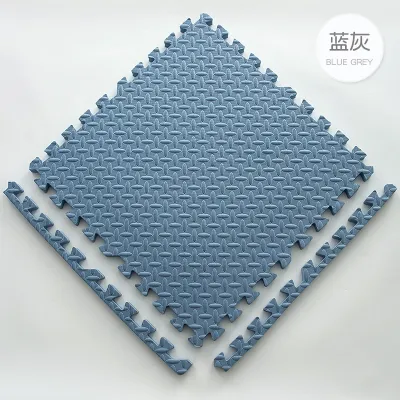
![[24PCS] 1.2cm Thick Interlocking Foam Floor Tiles 30x30cm EVA Foam Play Mats for Babies and Toddles Puzzle PlayMat](https://img.lazcdn.com/g/p/bbc6cd029e4450e02e24887c788e3f09.jpg_400x400q80.jpg_.webp)
![[Smart Kiz] Korean Anti Slip Baby Mat](https://img.lazcdn.com/g/p/dbb995615208c75b3a4de04c9824831c.jpg_400x400q80.jpg_.webp)
Prices are valid at publication and may change. Please refer to the product page for the latest price.
Folded Dimensions and Storage Compatibility
Before making a purchase, measure the storage spaces you use most frequently. If you rely on public transport or taxis in Singapore, the mat must fold compactly enough to slide next to a folded stroller in a car boot. For air travel, check if the folded dimensions comply with standard cabin baggage allowances or if the mat can fit flat inside a large suitcase. A mat that folds into a neat rectangle is generally easier to pack than a cylindrical roll, which can roll around and take up awkward space.
Material Durability and Surface Textures
The durability of a travel mat depends heavily on its material composition. Expanded Polyethylene (EPE) and Cross-linked Polyethylene (XPE) are popular choices because they are lightweight, resilient, and offer good shock absorption. Look for mats with a reinforced outer film or a textured surface. A textured surface, such as a raised cross-hatch pattern, serves two purposes: it provides traction for a crawling baby and helps prevent the material from tearing easily when placed on rougher outdoor surfaces like park grass or wooden decking.
Weight and Carrying Systems
Every gram matters when you are carrying a baby, a diaper bag, and a stroller. A portable play mat should ideally weigh between 1kg and 1.8kg. Anything heavier will quickly become a burden during long walks. Pay close attention to the carrying system provided by the manufacturer. Some mats feature integrated carry handles built directly into the folded edge, while others come with a dedicated travel bag or adjustable shoulder straps. A high-quality, breathable carry bag is highly beneficial, as it keeps the dirty underside of the mat isolated from your other belongings after outdoor use.
Understanding Different Brand Approaches to Portability
Different manufacturers design their portable mats with distinct philosophies, catering to various travel styles and family needs. Understanding these approaches helps you identify which design matches your lifestyle.

Accordion-Fold Specialists
Many travel-focused brands design mats that use an accordion-style folding mechanism. These mats feature pre-creased lines that allow the panels to stack neatly on top of one another in seconds. The primary advantage of this design is speed; you can unfold the mat with one hand while holding your baby in the other. Accordion-fold mats are typically made of lightweight XPE foam, making them highly buoyant and cushioned. However, the creases can sometimes collect dust or crumbs, requiring a quick wipe along the folds during cleaning.
Roll-Up and Strap Systems
Other brands focus on multi-purpose mats designed to transition seamlessly from the living room to the park. These mats are often made of polyurethane (PU) or fabric-covered foam and are designed to be rolled up and secured with utility straps. Roll-up mats offer a completely smooth, seamless surface without creases, which some parents prefer for easier cleaning. The trade-off is that they tend to be bulkier when packed and can take longer to roll tightly and secure, especially when you are in a hurry to pack up.
Compact Fabric and Travel-Blanket Hybrids
For families prioritizing ultra-compact packing, some brands offer padded fabric mats that fold down to the size of a small book. These are often made of water-resistant polyester or canvas with a thin layer of polyester filling. While they offer minimal impact cushioning on hard concrete, they are exceptionally lightweight, machine-washable, and can easily fit into a diaper bag. This style is best suited for older babies who already have stable motor skills or for use on carpeted floors in hotel rooms or relatives’ homes.
Verifying Material Safety Labels
Regardless of the brand approach, safety must be verified before purchase. Because babies have direct skin contact with the mat and often press their faces against it, you must check the manufacturer’s specifications for clear safety labels. Look for verified indicators such as:
- BPA-Free and Phthalate-Free: Ensures the plasticizers used to soften the mat do not contain harmful chemicals.
- Formamide-Free: Formamide is sometimes used in the manufacturing of EVA foam mats; ensure the product explicitly states it has been tested and is free from this compound.
- Compliance Standards: Look for recognized safety standards such as EN71 (European Toy Safety Standard) or ASTM F963 (Standard Consumer Safety Specification for Toy Safety) printed on the label.
Safety Labels and Hygiene Checks for Unfamiliar Environments
Using a play mat outside the home exposes it to a wide variety of surfaces, from dusty airport floors to damp grass at the Singapore Botanic Gardens. Maintaining hygiene and ensuring the mat remains safe for your baby requires a proactive approach.
Pre-Purchase Label Verification
Do not rely solely on marketing terms like “non-toxic” or “eco-friendly,” as these are not standardized. Before checking out on any online marketplace or purchasing in-store, zoom in on the product label or request the manufacturer’s specification sheet. Verify that the mat has undergone independent chemical testing. If you are purchasing a fabric-based mat, check if it carries the OEKO-TEX Standard 100 certification, which guarantees the textiles are free from harmful levels of toxic substances.
Routine Cleaning Protocols for Travel
To keep your portable mat hygienic while on the go, establish a simple cleaning routine:
- Immediate Post-Use Wipe: Keep a pack of baby-safe, alcohol-free sanitizing wipes in your diaper bag. Wipe down the entire surface of the mat immediately after use, paying close attention to any textured crevices where drool or dirt might settle.
- Drying Before Folding: Never fold and store a damp mat for extended periods. If you must pack it up quickly while wet, unfold it as soon as you reach your destination to let it air dry completely. Storing a wet mat in a closed bag promotes mold and mildew growth.
- Deep Cleaning: For foam mats, wash the surface weekly with mild baby dish soap and warm water, then rinse thoroughly. For machine-washable fabric mats, use a gentle cycle with baby-safe laundry detergent and line dry in the shade to prevent the backing from degrading.
When to Stop Using the Mat
Portable mats undergo significant wear and tear from frequent folding, packing, and exposure to different surfaces. Regularly inspect your mat for signs of degradation. Stop using the mat immediately if you observe:
- Peeling Layers: If the protective outer film begins to separate from the foam core, it poses a choking hazard if a baby bites or pulls at the loose plastic.
- Visible Tearing or Cracking: Deep cracks or tears cannot be sanitized effectively and will trap bacteria, moisture, and dirt.
- Flaking Foam: If the foam material begins to crumble or flake off, the small particles can easily be inhaled or swallowed by your baby.
Building Your Shortlist Based on Travel Habits
To find the perfect portable play mat, you should match the mat’s design to your family’s specific travel patterns and daily routines.
Frequent Flyers vs. Road Trippers
If your family travels frequently by air, weight and volume are your primary constraints. Look for ultra-lightweight accordion-fold mats or thin fabric travel blankets that can fit inside your checked luggage without exceeding weight limits. For road trippers or families who travel primarily by car or taxi within Singapore, you can afford to prioritize comfort over extreme compactness. A slightly thicker roll-up mat that offers superior cushioning will fit easily into a car boot and provide better comfort during long visits to grandparents’ homes.
Visiting Relatives vs. Outdoor Adventures
Consider where the mat will be deployed most often. If the primary use case is indoor play at a relative’s apartment, look for a mat with a neutral, aesthetically pleasing design that blends with home decor, and prioritize a soft, comfortable surface. If you plan to use the mat outdoors for picnics, beach outings, or park play, prioritize a rugged, waterproof underside (such as a durable TPU or treated polyester backing) that prevents ground moisture from seeping through, and ensure the surface is highly resistant to punctures from twigs or small stones.
Creating Your Comparison Checklist
When comparing two or three final candidates on e-commerce platforms or in physical baby boutiques, use this structured checklist to make your decision:
- Weight: Is it under 1.8kg?
- Folded Size: Will it fit inside your stroller basket or preferred travel bag?
- Setup Time: Can it be unfolded and folded back up in under thirty seconds?
- Cleaning Method: Is it wipe-clean, or does it require machine washing?
- Safety Certifications: Does the product listing display verified BPA-free and EN71 or ASTM certifications?
By systematically evaluating these factors, you can select a portable baby play mat that keeps your little one safe and comfortable, wherever your adventures take you.
Frequently Asked Questions (FAQ)
Can I use a regular thick play mat for travel?
While standard thick play mats (such as 4cm folding mats or heavy puzzle tiles) offer excellent cushioning for home use, they are highly impractical for travel. These mats are extremely bulky, heavy, and rarely come with convenient carrying handles or travel bags. Trying to transport a full-sized home mat in a car boot or on public transport takes up valuable space that is better reserved for strollers and luggage. Additionally, home mats are often not designed to withstand the rougher surfaces and moisture encountered outdoors, which can lead to premature wear or damage.
Are foldable mats safer than rollable ones for crawling babies?
Both foldable and rollable mats are safe for crawling babies, provided they are used under active caregiver supervision. Foldable mats have pre-creased hinges that allow them to pack down quickly, but these creases can sometimes create slight unevenness or trap small debris. Rollable mats offer a completely flat, continuous surface with no creases, which can be easier for a crawling baby to navigate. However, rollable mats often have a tendency to curl at the edges when first unrolled, creating a minor tripping hazard. Always ensure the edges are flat before letting your baby play.
How do I prevent a portable mat from slipping on smooth floors?
Portable mats are often lightweight, which makes them prone to sliding on polished wooden floors, laminate, or smooth tiles. To prevent slipping, look for mats that feature a textured, non-slip pattern on the underside. If your mat does not have sufficient grip, you can place a temporary, non-slip rug underlay beneath it. Ensure any underlay or grip pad you use is clean, dry, and explicitly approved by the mat manufacturer to avoid damaging the mat’s material or leaving sticky residues on your floors. Always supervise your baby to ensure the mat remains securely in place.
Community discussion
Share your experience or ask a question. Comments are reviewed before publication.