
An outdoor outing in Singapore, whether a picnic at the Singapore Botanic Gardens or a day out at East Coast Park, offers wonderful sensory experiences for a growing baby. However, finding the right portable baby floor mat requires balancing convenience with safety, especially when dealing with local humidity, damp grass, and warm ground temperatures. The ideal outdoor mat must be highly portable, easy to clean, and constructed from materials that protect your baby from uneven terrain without overheating.
To make an informed decision, parents should focus on verifying material specifications, checking folding mechanisms, and understanding how different designs perform under tropical weather conditions. Rather than relying on brand names alone, the key is knowing how to evaluate product labels, safety certifications, and physical features that match your family’s specific outdoor habits.
Core Selection Criteria for Outdoor Baby Mats
Selecting a portable floor mat for your baby starts with identifying where and how you plan to use it. Singapore offers diverse outdoor spaces, from the sandy shores of Sentosa to the manicured lawns of Marina Barrage and the slightly uneven, root-laden ground of local nature reserves. Each environment presents distinct challenges, such as rising ground moisture, abrasive sand, or hidden twigs and stones, which directly influence the type of mat material and thickness you will need.
Products mentioned in this guide
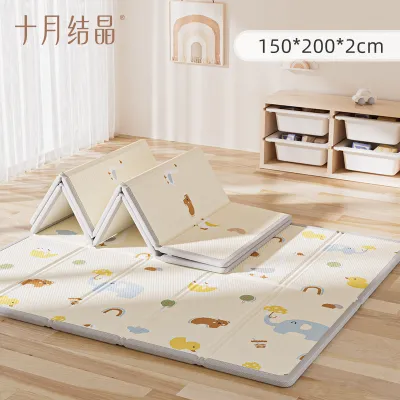
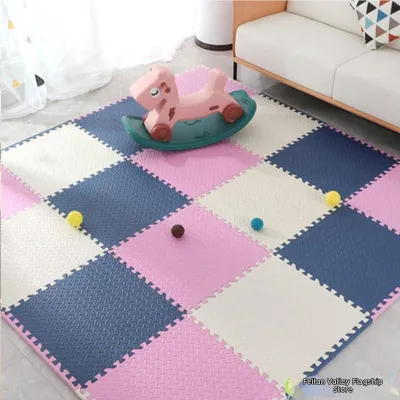
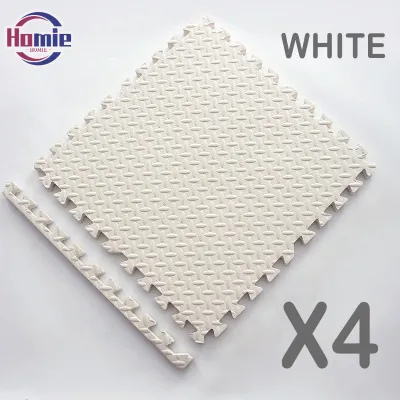
Prices are valid at publication and may change. Please refer to the product page for the latest price.
Your baby’s current developmental stage is another critical factor when determining the size and structure of the mat. A stationary infant who is just beginning tummy time requires a relatively small, highly cushioned surface to protect their delicate head and limbs. Conversely, an active crawler or toddler needs a much larger surface area to explore safely without constantly rolling off onto the bare grass or sand. If you plan to sit on the mat alongside your child, or if you have multiple children, you will need to look for larger dimensions that can comfortably accommodate caregivers without compromising portability.
Establishing a realistic budget is also essential for narrowing down your options in the local market. High-quality portable mats in Singapore typically range from entry-level utility mats to premium, multi-layered play mats, with prices varying based on material density, water resistance, and included travel accessories. When planning your budget in S$, consider your expected frequency of use; families who spend every weekend outdoors may find it more economical to invest in a highly durable, wear-resistant mat, whereas occasional park visitors might prioritize a lightweight, budget-friendly option that is easy to store away.
Key Features to Evaluate for Portability and Durability
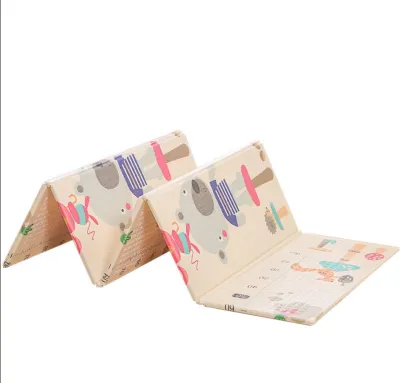
The physical design of a portable baby mat determines how easily you can transport it from your home to your outdoor destination. Folding mechanisms vary widely, and each has distinct advantages and trade-offs for travel. Tri-fold and multi-folding mats are highly popular because they collapse along pre-creased lines into a compact, rectangular shape that fits easily into car boots or under stroller baskets. Roll-up mats offer a seamless surface without creases where dirt can collect, but they can be bulkier to carry and may require external straps to keep them secured. Puzzle-piece foam mats are highly customizable in size, but carrying multiple individual tiles to a park can be cumbersome, and dirt often penetrates the interlocking seams.

To ensure hassle-free transport, look closely at the carrying options provided by the manufacturer. Some mats feature integrated fabric handles sewn directly into the outer edges, allowing you to carry the folded mat like a briefcase. Others come with dedicated travel bags or adjustable shoulder straps, which are incredibly useful when you need to keep your hands free to carry your baby, diaper bags, and other outing essentials.
The choice of surface material is paramount when dealing with outdoor elements like damp soil, spilled milk, and sticky sunscreen. Look for materials that offer excellent wipeability and stain resistance, allowing you to clean up messes instantly with a simple baby wipe or damp cloth. Water-resistant or waterproof coatings are crucial for preventing ground moisture from seeping through the bottom of the mat and soaking your baby’s clothing. Additionally, quick-drying properties ensure that if the mat does get wet during a sudden tropical shower, it can be dried rapidly in the shade before you pack it away.
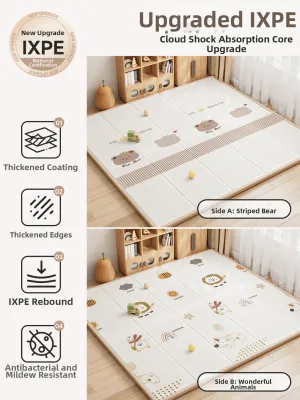
Cushioning and thermal insulation are the final physical attributes to evaluate before purchase. Outdoor ground surfaces in Singapore can become surprisingly hot under the sun, and uneven terrain can make sitting uncomfortable. Check the manufacturer’s specifications for the mat’s thickness and cushioning density, which help absorb impacts and smooth out bumpy ground. High-density foam or multi-layered polyester batting provides a supportive barrier that prevents the baby from feeling sharp pebbles or hard roots beneath the mat. Thermal insulation properties are equally important, as they help block the transfer of heat from sun-baked ground, keeping the mat’s surface at a comfortable temperature for your baby’s skin.
How to Assess Brands and Product Specifications
With numerous brands available on ecommerce platforms and in local baby boutiques, verifying product specifications is critical to ensuring safety and quality. Do not rely solely on marketing terms like “non-toxic” or “eco-friendly” without looking for concrete evidence. Instead, carefully examine the product packaging, user manuals, or official brand websites for recognized safety certifications. Look for compliance with international toy safety standards, which verify that the materials have been tested for harmful substances such as heavy metals, phthalates, and formamide.
When evaluating different brands, pay close attention to the specific material composition labels. High-quality outdoor mats often utilize materials like expanded polyethylene (EPE) foam, polyurethane (PU) leather, or heavy-duty polyester with water-resistant backings. Avoid mats that contain polyvinyl chloride (PVC) unless the manufacturer explicitly certifies that it is free from harmful plasticizers. Checking these details helps ensure that the surface your baby’s skin directly contacts is safe, especially during hot days when sweat can increase skin sensitivity.
Manufacturer warnings and age recommendations are vital sources of safety information that should never be overlooked. Read the product documentation to verify if the mat has specific age, weight, or developmental stage limits. For instance, some highly cushioned or plush fabric mats may carry warnings against unsupervised sleep or use with very young infants due to suffocation risks. Additionally, look for warnings regarding heat retention and UV exposure; some materials can degrade rapidly or become dangerously hot if left in direct sunlight for extended periods.
Finally, cross-reference the user manual for care instructions and warranty conditions before making your purchase. A high-quality brand should provide clear, detailed guidelines on how to wash, sanitize, and dry the mat without damaging its structural integrity. Check if the warranty covers outdoor use, as some brands may void their warranties if the mat is damaged by rough outdoor surfaces, sand abrasion, or exposure to moisture. Understanding these limitations beforehand will help you choose a product designed to withstand the rigors of Singapore’s outdoor environments.
Practical Setup and Maintenance for Singapore's Climate
Singapore’s tropical climate, characterized by high humidity, sudden rain showers, and intense sunlight, requires careful setup and diligent maintenance to keep your baby’s outdoor mat in optimal condition. When you arrive at your outing destination, take time to select a suitable setup location. Always aim for fully shaded areas, such as beneath mature trees or park pavilions, to avoid direct midday sun. Before laying the mat down, physically check the ground for sharp objects, ant nests, or damp patches, and touch the ground surface with the back of your hand to ensure it is not radiating excessive heat.
Once the mat is laid out, perform a quick temperature check on the mat’s surface itself before placing your baby down. Synthetic materials can heat up rapidly even in partial shade, so periodic checks throughout your outing are highly recommended. If the surface feels warm, let it cool down in a shaded, breezy spot, or drape a light, breathable cotton muslin cloth over the mat to provide a cooler layer for your baby’s skin.
Maintaining a strict post-outing cleaning routine is essential for preventing the growth of mold and mildew, which thrive in Singapore’s high humidity. As soon as your outing is over, shake off any loose sand, dirt, or dry leaves before folding the mat. Once you return home, clean the mat thoroughly using manufacturer-approved methods. For waterproof utility mats, this typically involves wiping the surface down with a mild, baby-safe detergent and warm water. Avoid using harsh chemical bleach or abrasive scrubbing pads, which can strip away water-resistant coatings and damage the material.
Proper storage is the final step in preserving the lifespan of your portable mat. Never store a damp or dirty mat inside its carrying bag or in a closed closet, as trapped moisture will inevitably lead to mold growth and unpleasant odors. Allow the mat to air-dry completely in a well-ventilated indoor area away from direct sunlight, which can cause colors to fade and foam to degrade. Once fully dry, store the mat flat or folded in a cool, dry place to protect it from extreme heat and structural warping.
Frequently Asked Questions (FAQ)
Can I use an indoor baby play mat outdoors?
While it may be tempting to bring your indoor baby play mat to the park, doing so is generally not recommended due to significant material differences. Indoor mats are typically designed for flat, clean surfaces and often lack the UV resistance, heavy-duty waterproof backing, or tear-resistant outer layers required to withstand rough outdoor terrain. Placing an indoor mat on damp grass, sand, or concrete can cause the material to puncture easily, allowing moisture and dirt to seep into the core.
Furthermore, using indoor mats outside poses hygiene risks. Many indoor mats feature fabric covers or porous foam that can absorb ground moisture, sweat, and outdoor allergens, creating a breeding ground for mold, mildew, and bacteria in Singapore’s humid climate. To protect your investment and ensure your baby’s safety, always check the manufacturer’s intended use guidelines and safety warnings before taking any indoor play mat outside.
How do I clean a portable baby mat after a park visit?
Cleaning your portable baby mat promptly after a park visit is crucial for maintaining hygiene and extending its usability. Before leaving the park, shake the mat vigorously to remove loose debris, sand, and grass, and use a damp wipe to clean any immediate spills or soil. This prevents dirt from becoming ground into the material during transport back home.
Once home, refer to the specific product care label to determine the correct cleaning method. For wipe-clean waterproof surfaces, wipe down the entire mat with a soft cloth dipped in warm water mixed with a small amount of mild, baby-safe soap. If your mat has a removable fabric cover, check if it is machine-washable and follow the recommended temperature settings. Regardless of the material, always allow the mat to air-dry completely in a well-ventilated, shaded area before folding and storing it to prevent mildew.
What thickness is ideal for outdoor grass or sand?
When selecting a portable mat for grass or sand, you must balance the need for comfortable cushioning with the practicalities of carrying the mat. For soft surfaces like sand or lush grass, a mat thickness of approximately 1 cm to 1.5 cm is generally ideal. This thickness provides sufficient protection from minor ground unevenness and thermal heat transfer while remaining lightweight and easy to fold.
Rather than focusing solely on raw thickness, evaluate the cushioning density and material rebound. High-density foam, such as cross-linked polyethylene, offers superior support and impact absorption compared to thicker but softer, low-density alternatives. Additionally, always verify the manufacturer’s recommended age and mobility stage; extremely thick or plush mats are not suitable for very young infants who cannot yet roll over, as soft, uneven surfaces can pose rolling or suffocation hazards.
Community discussion
Share your experience or ask a question. Comments are reviewed before publication.