
Taking your baby out for a day at the park or a family meal at an outdoor cafe is a wonderful way to bond, but it also presents the challenge of finding a clean, stable surface for your little one. A reliable portable baby anti-slip mat serves as a protective barrier, offering a secure space for tummy time, play, or self-feeding. In Singapore’s warm and often humid environment, selecting the right mat requires balancing excellent ground grip with lightweight portability and effortless cleaning. By focusing on how a mat performs on different surfaces and how easily it fits into your diaper bag, you can ensure your outdoor adventures remain stress-free and hygienic.
When evaluating options, it is important to remember that babies develop at different rates. Always verify the manufacturer’s age and developmental stage recommendations, and ensure that your baby is supervised at all times while using any portable mat outdoors.
Key Features to Evaluate for Outdoor Use
Grip and Base Material
The primary function of a baby anti-slip mat is to stay firmly anchored to the ground, preventing slips and slides as your baby moves. When evaluating options, look closely at the base material specified on the product label. High-quality silicone, textured natural rubber, and specialized thermoplastic polyurethane (TPU) are common choices for outdoor surfaces.
Products mentioned in this guide
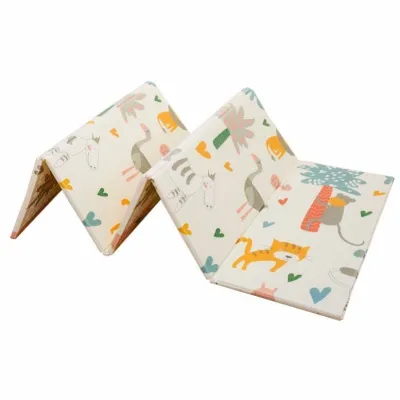
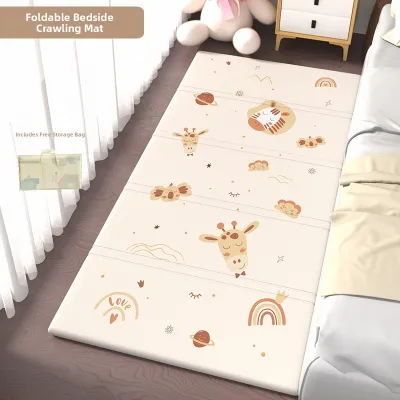
Prices are valid at publication and may change. Please refer to the product page for the latest price.
If you plan to use the mat on smooth, polished surfaces like cafe tiles or wooden decking, a high-friction silicone backing or integrated suction elements can help keep the mat in place. For uneven natural surfaces like grass or soil, a heavier textured rubber backing helps the mat conform to the ground without sliding. Always check the manufacturer’s guidelines to ensure the anti-slip properties are rated for the specific surfaces you frequent.
Portability and Storage
An outdoor mat is only useful if it is easy to carry alongside your stroller, diaper bag, and other baby essentials. Evaluate the folding or rolling mechanism of the mat before purchasing. Some mats fold into a compact, self-contained pouch, while others roll up tightly and secure with integrated elastic straps.
Consider the overall weight of the mat; lightweight options are generally preferred for maximum mobility when navigating public transport or walking through parks. Look for added convenience features such as integrated carrying handles, adjustable shoulder straps, or dedicated travel bags that keep dirt contained after use.
Ease of Cleaning
Outdoor environments expose your baby’s mat to dirt, grass stains, spilled milk, and dropped food. The ease of cleaning is a critical factor that determines how often you will actually use the mat. Wipe-clean surfaces, such as food-grade silicone or water-resistant TPU, allow you to clean up messes instantly with a damp cloth or baby wipe.
On the other hand, machine-washable fabric mats offer a softer surface for your baby but require a full wash cycle and drying time after every outing. Consider your lifestyle: if you need a quick-turnaround mat for daily outings, a wipe-clean option is highly practical, whereas a machine-washable mat is excellent for dedicated weekly picnic days.
Matching Mat Types to Your Outdoor Scenarios
Picnics and Park Visits
Spending an afternoon on the lawn at the Singapore Botanic Gardens or East Coast Park requires a mat that can handle natural terrain. For these scenarios, prioritize a larger surface area that allows your baby to roll and crawl freely.

Look for mats that feature a built-in ground moisture barrier, typically made of water-resistant polyester or polyurethane, to prevent dampness from seeping through the grass. Additionally, check for secure corner anchors, loops for ground pegs, or weighted corners that prevent the mat from lifting or folding over when a sudden breeze sweeps through the park.
Dining Out and Cafe Visits
Navigating tight seating arrangements in local cafes or open-air food centers requires a highly compact and targeted solution. A smaller, foldable splash mat designed to sit directly under a high chair or on top of a table is ideal for these settings.
These mats should feature a highly effective non-slip backing to prevent them from sliding on polished concrete, laminate, or tiled floors. Opt for ultra-thin, lightweight materials that can be folded down to a compact size, allowing you to slip them effortlessly into a side pocket of your diaper bag.
Travel and Transit
If your outdoor outings involve frequent transitions between public transport, strollers, and walking, your priority should be rapid deployment and storage. Look for ultra-lightweight, rollable mats made from thin, durable materials that can be secured with a single strap.
These options often feature quick-attach clips that allow you to hang the mat directly from your stroller handlebar, freeing up valuable space inside your main bag. Ensure the material is resilient enough to withstand being rolled and unrolled repeatedly without creasing or losing its flat-laying shape.
Safety, Hygiene, and Maintenance Checks
Material Safety
Because your baby’s skin will be in direct contact with the mat, and dropped food might be picked up and eaten, verifying material safety is paramount. Carefully inspect the product packaging and manufacturer specifications for clear safety declarations.
Look for labels indicating the mat is free from bisphenol A (BPA), phthalates, lead, PVC, and formaldehyde. While many products claim to be non-toxic, it is best to verify these claims by checking for recognized international toy safety standards or material certifications on the manufacturer’s official website before purchasing.
Heat and Sun Exposure
Singapore’s tropical climate means outdoor surfaces can reach high temperatures rapidly under direct sunlight. Certain synthetic materials can absorb heat quickly, making the surface uncomfortably hot for your baby’s sensitive skin.
When using a mat outdoors, always test the surface temperature with the back of your hand first. Avoid leaving the mat exposed to direct sunlight for extended periods, as UV rays can degrade materials like natural rubber or certain plastics, causing them to become brittle, sticky, or lose their anti-slip properties.
Cleaning Limitations
High humidity levels create an ideal environment for mold, mildew, and bacteria to thrive on damp surfaces. To maintain proper hygiene, always allow your mat to dry completely in a well-ventilated area before folding it away for long-term storage.
Avoid storing a damp mat in a sealed plastic bag or diaper compartment. Always consult the manufacturer’s care label for specific washing instructions, as using harsh detergents, bleach, or high heat in the dryer can damage the anti-slip backing and compromise the mat’s structural integrity.
Building Your Shortlist: A Decision Matrix
To help you narrow down your options, use the following decision matrix to map your primary outdoor activities to the most suitable mat specifications. This framework allows you to compare key features at a glance when browsing online marketplaces or visiting local baby specialty stores.
| Outdoor Scenario | Recommended Size | Ideal Base Material | Key Portability Feature | Cleaning Method |
|---|---|---|---|---|
| Park Picnic | Large (e.g., 150cm x 150cm) | Textured rubber or water-resistant polyester | Integrated carry strap or storage bag | Machine washable or hose-down |
| Cafe Dining | Compact (e.g., 100cm x 100cm) | High-friction silicone or suction backing | Ultra-thin, folds to notebook size | Wipe-clean with damp cloth |
| Travel & Transit | Medium (e.g., 120cm x 120cm) | Lightweight TPU or thin silicone | Rollable with secure fastening straps | Quick-dry wipe-clean surface |
When using this matrix, remember to read product descriptions critically. Look for specific material callouts rather than generic marketing terms. If a product description lacks clear information about its backing material or weight, reach out to the seller or check the manufacturer’s official user manual to verify these details before making your decision.
Frequently Asked Questions (FAQ)
Can I use a regular play mat as a portable anti-slip mat outdoors?
While it may be tempting to bring your baby’s favorite indoor play mat outside, standard indoor mats are rarely optimized for outdoor conditions. Indoor mats are often bulkier, heavier, and lack the compact folding mechanisms required for easy transport. Furthermore, their backing materials are designed for indoor flooring and may slide easily on damp grass or fail to block ground moisture, creating a slipping or tripping hazard for your child.
How do I properly clean a baby anti-slip mat after outdoor use?
Immediately after your outing, shake off any loose dirt, grass, or sand, and use a baby wipe or damp cloth to clean up any immediate spills. Once you return home, perform a thorough wipe-down with mild, baby-safe soapy water, paying close attention to any textured crevices on the anti-slip backing. Allow the mat to air dry completely in a shaded, well-ventilated space before folding and storing it to prevent the growth of mold and mildew.
Community discussion
Share your experience or ask a question. Comments are reviewed before publication.