
Choosing a maternity hospital bag that transitions into a baby outing bag is a smart way to streamline your preparation and maximize your budget. A single, well-designed bag can carry your labor essentials to the ward and later accompany you on weekend trips, park visits, and family errands. The key is finding a bag that balances the high-capacity demands of a hospital stay with the organized, quick-access features needed for daily life with a newborn.
Comparing Needs: Hospital Stay vs. Daily Baby Outings
Hospital stays require packing bulky items like heavy-flow maternity pads, nursing bras, comfortable loungewear, toiletries, and essential medical documents. These items take up significant physical volume, requiring a bag with a wide opening and deep main compartments. Your partner or support person also needs to be able to find items quickly under pressure, making clear visibility inside the bag essential.
In contrast, daily outings with a baby require rapid, frequent access to smaller items. When you are out in a busy shopping mall or park, you cannot afford to rummage through a deep, unstructured cavern to find a pacifier or a wet wipe. Outings demand dedicated, external pockets, insulated bottle holders, and a streamlined profile that does not feel cumbersome on public transport or in tight spaces.
Products mentioned in this guide
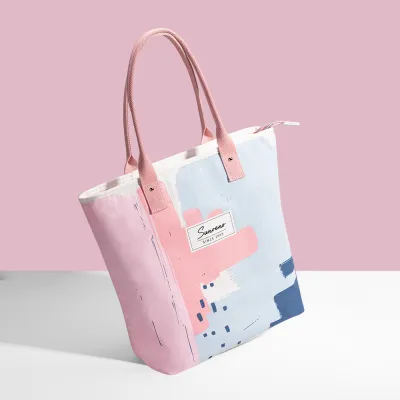
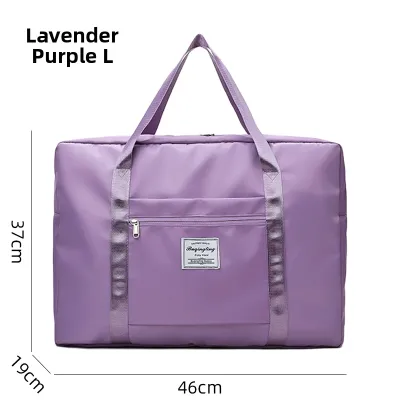
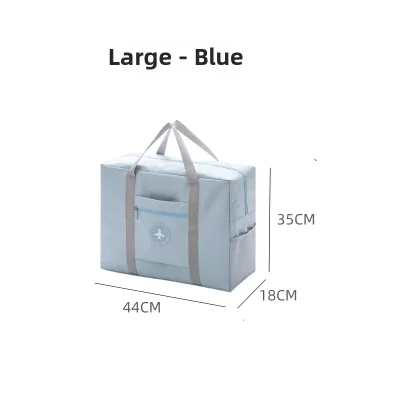

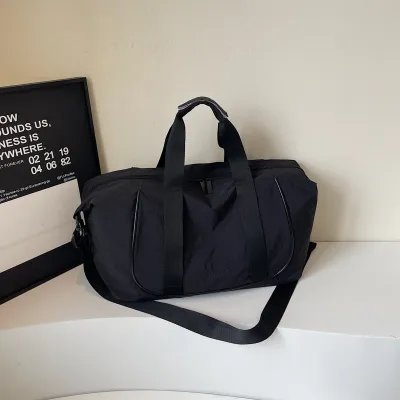
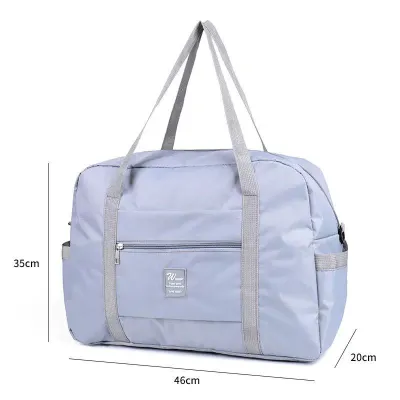
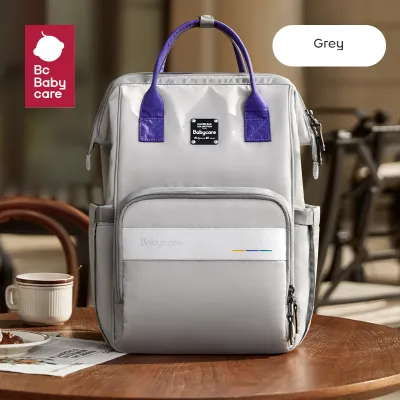
Prices are valid at publication and may change. Please refer to the product page for the latest price.
The ideal dual-purpose bag bridges this gap by offering a spacious main compartment for bulkier items alongside highly accessible exterior pockets for immediate needs. Shared requirements across both scenarios include water-resistant, wipe-clean interiors for spills or soiled clothes, insulated compartments to keep liquids at the right temperature, and comfortable carrying straps that reduce physical strain.
Key Design Features for a Versatile Maternity Hospital Bag
When evaluating bags for long-term versatility, look for a capacity of around 25 to 35 liters. This size is typically large enough to hold your hospital essentials for a two-to-three-day stay without being too bulky for daily outings. Some bags feature expandable zippers or compression straps that allow you to increase the volume for the hospital and compress the profile later for daily use.

Smart zoning is crucial for maintaining organization. Look for a dedicated wet/dry pocket lined with waterproof material to keep soiled baby clothes or damp postpartum wear separate from clean items. Dedicated sleeves for documents are also highly useful for keeping birth registration forms and medical records flat and safe during your hospital stay, transitioning later into a secure spot for tablets or personal notebooks.
Given the humid climate and sudden tropical downpours, a water-resistant exterior is highly practical. Look for durable fabrics like high-density nylon or polyester that can be easily wiped clean. Always check the manufacturer’s care label to verify if the lining is machine-washable or spot-clean only, as milk spills and diaper leaks are inevitable over months of use.
Your physical recovery postpartum is a critical consideration. If you are recovering from a Caesarean section or experiencing pelvic floor strain, carrying a heavy shoulder bag can cause discomfort. A backpack design with wide, padded shoulder straps is often the most ergonomic choice, as it distributes weight evenly across your back and leaves your hands free. Look for bags that also offer top grab handles and integrated stroller straps, allowing you to hang the bag securely on your stroller frame. Always verify the stroller manufacturer’s weight limits to ensure the bag does not cause the stroller to tip backward.
Packing Strategies to Transition From Hospital to Outings
To make the transition seamless, utilize packing cubes or color-coded pouches. During your hospital stay, you can have one cube dedicated to your personal recovery items, such as nursing pads and postpartum skincare, and another for the baby’s first outfits. This prevents the bag from becoming a chaotic jumble and allows your partner or support person to find items instantly without unpacking the entire bag.
Create a permanent “baby care module” within a single, removable pouch. This pouch should contain a travel changing mat, a travel pack of wipes, diaper disposal bags, and a few diapers. Postpartum, this module remains permanently in your bag. Whenever you prepare for an outing, you only need to check and replenish this single pouch rather than repacking the entire bag from scratch.
Once you return home from the hospital, perform a complete load adjustment. Remove the bulky maternity items, hospital documents, and heavy recovery wear. In their place, add daily outing essentials such as a change of baby clothes, feeding bottles, a nursing cover, and your personal items like keys, wallet, and hand sanitizer. This transition lightens the overall load, making the bag much more manageable for daily use.
Pre-Purchase Checklist: Evaluating Bag Quality and Utility
Before making a purchase, check the manufacturer’s specifications for the bag’s empty weight. A bag that weighs more than 1 kg when completely empty will quickly become a physical burden once loaded with water bottles, flasks, and baby gear. Aim for lightweight materials that do not compromise on structural durability.
Inspect the quality of the zippers, buckles, and stitching. Zippers should glide smoothly with one hand, as you will often be holding your baby with the other. Look for reinforced cross-stitching at the points where the shoulder straps meet the bag body, as these areas bear the most tension when the bag is fully loaded.
If the bag includes stroller straps or clips, verify their attachment mechanism. Ensure they are compatible with your specific stroller model. Remember to consult your stroller’s safety manual; hanging heavy bags on the handlebar can alter the stroller’s center of gravity and pose a safety risk for your infant. If you experience persistent back or pelvic pain during use, consult a healthcare professional or physiotherapist for guidance on carrying limits.
When purchasing online, buy from official brand stores or authorized retailers on reputable ecommerce platforms. This ensures you receive an authentic product covered by the manufacturer’s warranty. Check the return policy so you can inspect the bag’s size, weight, and comfort in person before committing to it.
Frequently Asked Questions (FAQ)
Can a standard diaper bag work as a maternity hospital bag?
A standard diaper bag can work as a maternity hospital bag if you are planning a very short hospital stay or prefer a highly minimalist packing style. However, standard diaper bags typically have a capacity of 15 to 20 liters, which can quickly become overcrowded when packing bulky postpartum items like maternity pads, nursing pillows, and multiple changes of clothes. If you choose to use a standard diaper bag, you will likely need to pair it with a secondary overnight tote or duffel bag to accommodate your personal hospital essentials, transitioning solely to the diaper bag once you return home.
Do I need a built-in changing pad in my dual-purpose bag?
While a built-in changing pad sounds convenient, a removable, wipeable changing mat is generally much more practical and hygienic. Removable mats allow you to wash them thoroughly or sanitize them separately after use. They also give you the flexibility to leave the pad behind when visiting locations that already have fully equipped baby care rooms, saving valuable space inside your bag. When evaluating a bag that includes a changing pad, check the manufacturer’s product details to ensure the pad is made from easy-to-clean, non-toxic materials and can be folded compactly without adding unnecessary bulk to the bag’s interior.
Community discussion
Share your experience or ask a question. Comments are reviewed before publication.