
Choosing the right Lässig school bag requires matching the bag’s physical dimensions, weight, and ergonomic features to your child’s current height and primary school level. In environments where primary school students often commute by public transport and carry a mix of heavy textbooks, A4 files, and water bottles, selecting a bag that fits properly is essential for preventing long-term postural strain. By focusing on adjustable support systems, lightweight materials, and practical compartment layouts, you can find a model that supports your child’s daily routine from their very first day of school through their graduation to higher grade levels.
While aesthetic appeal is often the primary concern for a child, parents must prioritize physical compatibility. A bag that is too large or poorly adjusted can alter a child’s center of gravity, leading to compensatory postures like leaning forward or arching the lower back. Over time, these habits can contribute to muscle fatigue, shoulder stiffness, and back discomfort. Evaluating a school bag is therefore an investment in your child’s physical development and daily comfort during their formative school years.
Matching Bag Dimensions to Your Child's Age and Height
Selecting a school bag based solely on your child’s age or school grade can lead to an improper fit, as children of the same age often vary significantly in height and physical build. A bag designed for an older student will easily overwhelm a smaller child’s frame, while a bag that is too small will not accommodate the necessary school supplies. To achieve a balanced fit, you must evaluate how the physical dimensions of the bag align with your child’s current torso length.
Products mentioned in this guide
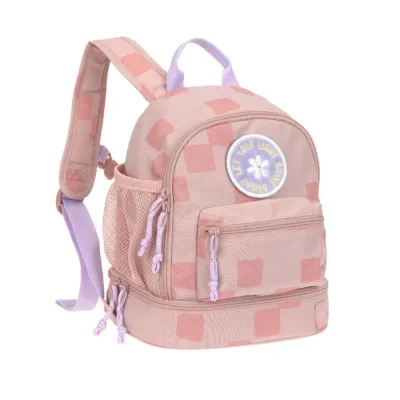
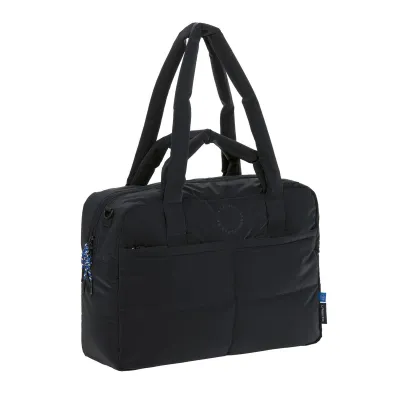
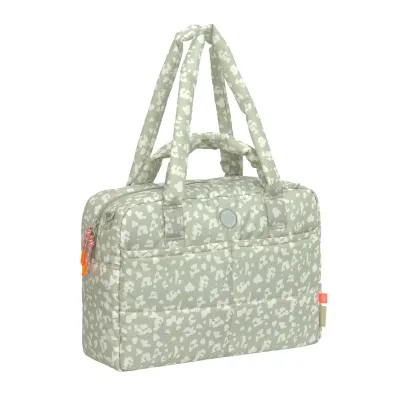
Prices are valid at publication and may change. Please refer to the product page for the latest price.
For lower primary students, typically in grades equivalent to Primary 1 to Primary 3, a compact and lightweight bag is essential. During these early years, children are still developing their core strength and bone structure. A bag with a capacity of approximately 15 to 19 liters is generally sufficient to hold daily worksheets, a lunch box, and basic stationery without adding unnecessary bulk. The physical height of the bag should be short enough to sit comfortably on their back without pressing into the back of their thighs when they walk.
As students transition to upper primary levels, such as Primary 4 to Primary 6, their academic workload increases substantially. They must carry thicker textbooks, multiple subject files, and sometimes personal learning devices or tablets. For these older students, a larger bag capacity of 20 to 24 liters is often necessary. These bags are designed with taller frames and wider profiles to accommodate larger items while maintaining a structured shape that prevents the contents from shifting.
To determine the correct bag size, you should measure your child’s back using a flexible measuring tape. Measure the distance from the prominent bony bump at the base of the neck, known as the C7 vertebra, down to the top of the hip bones, or the iliac crest. This measurement represents your child’s torso length. The ideal school bag should fit entirely within this zone; the top of the bag should not extend past the shoulders, and the bottom should not hang below the waistline.
When browsing different models, always check the manufacturer’s specific height and volume recommendations, which are typically printed on the product label or detailed in official brand guidelines. Lässig categorizes many of its school bags by recommended height ranges, such as 110 cm to 150 cm. Checking these specifications ensures that the bag’s internal frame and strap placement are anatomically appropriate for your child’s current growth stage, allowing for a safer and more comfortable carry.
Evaluating Ergonomic Support for Increasing Textbook Loads
As school workloads grow, the physical weight of books and learning materials can quickly accumulate, making ergonomic support a critical factor in your selection. An ergonomically designed school bag does not make the load lighter, but it significantly improves how that weight is distributed across your child’s body. By transferring the load away from the delicate neck and shoulder muscles toward the stronger core and hips, proper support features minimize physical strain.

The foundation of ergonomic support lies in the shoulder straps. Look for wide, S-shaped straps that are generously padded with high-density foam. The S-shape allows the straps to contour naturally around your child’s neck and chest, preventing them from pinching or rubbing against the skin. These straps must be easily adjustable so you can tighten or loosen them as your child grows or wears thicker clothing, ensuring the bag remains flush against their back.
In addition to shoulder straps, a high-quality school bag should feature adjustable chest and waist straps. The chest strap, or sternum strap, holds the shoulder straps securely in place, preventing them from slipping off narrow shoulders when your child is walking quickly or running. The waist strap, or hip belt, is even more critical for heavy loads. When properly adjusted and padded, the hip belt transfers up to 50 percent of the bag’s weight directly to the pelvic area, relieving pressure on the spine and shoulders.
A padded, breathable back panel is another essential feature, particularly in warm and humid climates. Look for a back panel that features an ergonomic curve designed to mirror the natural S-shape of a child’s spine. The padding should consist of breathable mesh fabric with integrated ventilation channels. This design allows air to circulate freely between the bag and your child’s back, reducing heat buildup and minimizing sweating during long walks to the bus stop or train station.
Finally, you must verify the empty weight of the school bag before making a purchase. A bag that is heavy before it is even loaded leaves very little remaining capacity for books before exceeding safe carrying limits. Look for models constructed from lightweight yet durable materials, aiming for an empty weight of approximately 1 to 1.2 kilograms or less. Minimizing the base weight of the bag is one of the simplest ways to protect your child from the risks associated with carrying excessive loads.
Choosing the Right Compartment Layout for Daily Organization
An organized school bag is not only easier for your child to use, but it also plays a vital role in maintaining their physical balance. When items are scattered randomly inside a bag, the center of gravity shifts constantly, forcing the child to make awkward physical adjustments to stay upright. A well-designed compartment layout encourages proper packing habits and ensures that heavy items remain in the optimal position.
The main compartment of the bag should be deep, structured, and spacious enough to accommodate standard A4-sized worksheets, textbooks, and folders without bending the corners. Look for a bag that includes an internal divider or a dedicated heavy-book pocket located at the very back of the main compartment, closest to the child’s spine. Placing the heaviest items in this rear pocket keeps the weight close to the body’s natural center of gravity, reducing the leverage that pulls the child backward.
Dedicated side pockets are highly beneficial for keeping wet and dry items separate. In tropical climates where daily hydration is essential, your child will need to carry a water bottle every day. Look for side pockets that are insulated or lined with water-resistant material. This feature prevents condensation from a cold water bottle, or moisture from a wet umbrella, from seeping through the fabric into the main compartment and damaging paper homework or electronic devices.
Front and secondary pockets are ideal for organizing smaller, frequently used items that would otherwise get lost at the bottom of the main compartment. These pockets should be easily accessible so your child can quickly retrieve their student ID, transit card, pocket money, or stationery kit. Having dedicated spaces for these items helps children develop organizational skills and ensures they do not have to stand at the school gate or bus interchange rummaging through a cluttered bag.
When evaluating the layout, consider how easy it is for a young child to open and close each section. Magnetic buckles, smooth-running zippers, and wide openings allow children to pack and unpack their bags independently. A bag that is frustrating to open may lead to your child leaving compartments unzipped, which can cause items to fall out or alter the weight distribution of the bag while they are on the move.
Checking Safety Features and Material Durability
School bags are subjected to demanding daily use and must be built to withstand both physical wear and environmental elements. Furthermore, because children often commute during the early morning hours or late afternoons when visibility may be reduced, safety features must be integrated directly into the bag’s design. Prioritizing durability and visibility ensures the bag remains functional and safe throughout the school year.
Visibility is a key safety consideration for any child commuting on foot or by public transport. Check the exterior of the bag for integrated reflective elements or high-visibility accents. These reflective strips should be positioned on the front, sides, and shoulder straps of the bag, ensuring that your child is visible to motorists from all angles in low-light conditions, during heavy rain, or on overcast days. Some models also allow for the attachment of small safety lights or high-visibility rain covers.
The durability of the exterior fabric is critical for handling the daily school routine. School bags are frequently placed on concrete canteen floors, squeezed into tight lockers, and dragged across playground surfaces. Look for high-density polyester or nylon fabrics that offer excellent tear and abrasion resistance. The fabric should also feature a water-resistant or water-repellent coating to protect the contents of the bag during sudden tropical downpours.
In addition to the fabric, pay close attention to the quality of the hardware and construction. Inspect the zippers to ensure they are heavy-duty, smooth-gliding, and equipped with large, easy-to-grip pull tabs that a child can operate without straining. Look for reinforced stitching at critical stress points, such as where the shoulder straps and top handle attach to the main body of the bag. These areas bear the brunt of the weight and are the most common points of failure in lower-quality bags.
A reinforced, sturdy base is another feature that significantly extends the lifespan of a school bag. A rigid or semi-rigid plastic base protects the bottom of the bag from dirt, moisture, and physical wear when placed on the ground. It also helps the bag stand upright on its own when placed next to a desk or bench, making it much easier for your child to pack and unpack their supplies without the bag tipping over.
Finalizing Your Shortlist and Verifying the Fit
Once you have evaluated the dimensions, ergonomic features, compartment layout, and durability of various models, you can finalize a shortlist of potential school bags. This shortlist should reflect your child’s specific grade level, their daily commute method, and the typical weight of their school materials. Before making a final purchase, it is highly recommended to perform a physical fit test to ensure the bag suits your child’s unique body shape.
To conduct a proper fit test, do not have your child try on an empty bag, as this will not reveal how the bag behaves under load. Instead, place a few books or files inside the bag to simulate a realistic daily weight. Have your child put the bag on, and then carefully adjust the shoulder straps, chest strap, and hip belt until the bag sits snugly against their back. The bag should rest comfortably against the curve of their spine without sagging.
With the loaded bag adjusted, observe your child’s posture from the side and back. Check for any visible gaps between the bag’s back panel and your child’s spine; a gap indicates that the shoulder straps are too loose or the bag’s frame is not a good match for their back shape. Ensure that the top of the bag does not rise above their shoulders, as this can restrict head movement, and verify that the bottom does not sit lower than their waistline.
Ask your child to walk around, turn side to side, and swing their arms gently. Watch for any signs of strap slippage, restricted arm movement, or physical discomfort. Observe whether your child has to lean forward or arch their back to balance the weight of the bag. If they must alter their natural walking posture to carry the load, the bag may be too heavy, positioned incorrectly, or simply too large for their current physical frame.
Finally, before completing your purchase, review the retailer’s return and exchange policies. Because physical fit is highly individual and children grow rapidly, you need the flexibility to return or exchange the bag if you discover that the fit is not perfect once you test it at home. Verifying these policies provides peace of mind and ensures that your child starts the school year with a bag that supports their health, comfort, and daily academic success.
Frequently Asked Questions (FAQ)
What is the safe weight limit for a child's school bag?
Pediatric and orthopedic guidelines generally recommend that a loaded school bag should not exceed 10 to 15 percent of a child’s total body weight. For example, if your child weighs 25 kilograms, their fully packed school bag should ideally weigh no more than 2.5 to 3.75 kilograms. Carrying loads heavier than this threshold significantly increases the risk of muscle strain, joint fatigue, and poor postural habits.
Parents should actively monitor their child for physical signs that the school bag is too heavy. If your child leans forward noticeably while walking, shrugs their shoulders to keep the straps in place, or complains of tingling, numbness, or red marks on their shoulders, the bag is overloaded. Frequent complaints of neck, shoulder, or lower back pain are also clear indicators that the load needs to be reduced immediately.
To manage the weight effectively, teach your child to pack their bag strategically each evening. Place the heaviest textbooks, files, and tablets in the backmost compartment closest to the spine to minimize leverage and strain. Encourage your child to unpack unnecessary items daily, leaving heavy reference books or non-essential gear at home or in their school locker whenever possible.
How should I clean and maintain the bag's fabric and reflectors?
To preserve the structural integrity, water-resistant coatings, and reflective safety elements of your Lässig school bag, always consult the internal care label for specific manufacturer instructions. Most ergonomic school bags should not be machine washed or tumble dried. The mechanical agitation of a washing machine can warp the internal back support frame, damage the padding, and strip away the protective water-repellent finishes.
For regular maintenance and spot cleaning, use a soft cloth or sponge dampened with lukewarm water and a mild, pH-neutral soap. Gently wipe away surface dirt, mud, or food spills from the exterior fabric and interior lining. Avoid using harsh chemical detergents, bleach, fabric softeners, or abrasive scrubbing brushes, as these substances can degrade the synthetic fibers and permanently damage the reflective strips.
After cleaning, allow the school bag to air-dry completely in a well-ventilated, shaded indoor area before its next use. Do not expose the bag to direct, intense sunlight or place it near heating appliances to speed up the drying process, as excessive heat can weaken the fabric and adhesives. Ensuring the bag is thoroughly dry prevents the development of mold, mildew, and lingering odors in humid climates.
Community discussion
Share your experience or ask a question. Comments are reviewed before publication.