
Navigating school life in Singapore means preparing your child for a dynamic, highly active day in a tropical climate. From sudden afternoon downpours to sweaty physical education (PE) sessions and swimming lessons, children frequently end up with damp, soiled, or wet gear that needs to travel home safely. A reliable kids wet bag serves as an essential shield inside a school backpack, protecting textbooks, homework, and electronic devices from moisture damage. Choosing the right wet bag requires balancing material performance, ease of use for small hands, and the specific demands of your child’s daily schedule.
Identifying Your Child's Daily Wet Bag Scenarios
To select the most practical wet bag, start by mapping out your child’s typical school week and identifying when damp items are generated. In Singapore, the weather can transition rapidly from intense sunshine to heavy monsoonal rain. If your child walks to school or waits at outdoor bus stops, they will likely need a dedicated space to store a wet rain poncho or a damp umbrella. Stashing these items directly into a main backpack compartment risks ruining paper worksheets and school diaries.
Physical education lessons and outdoor play sessions are another major source of dampness. After running around in high humidity, a child’s PE uniform becomes saturated with sweat. Leaving these clothes loose in a school bag leads to lingering odors that can penetrate the entire backpack. A dedicated wet bag keeps these sweaty garments isolated, ensuring the rest of their school supplies remain fresh and dry.
Products mentioned in this guide
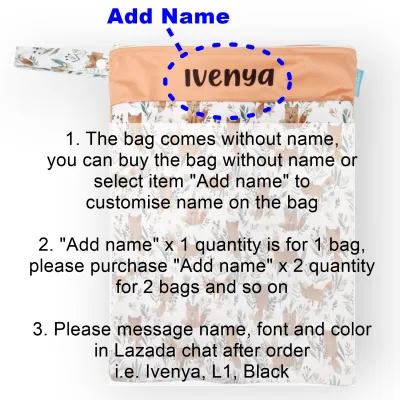
![[SG Seller] Custom Name Wet Bag | Waterproof Baby Diaper Bag | Kids Organiser Bag | Childcare Bag](https://img.lazcdn.com/g/p/683c3fe06ddbf1062d0e5e6565e93504.jpg_400x400q80.jpg_.webp)
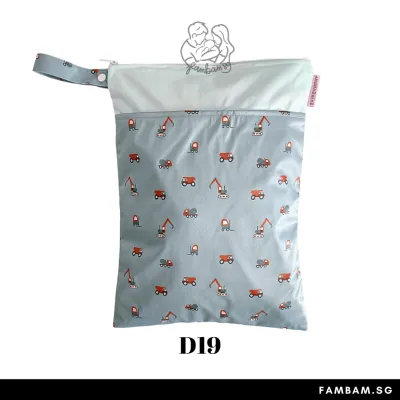
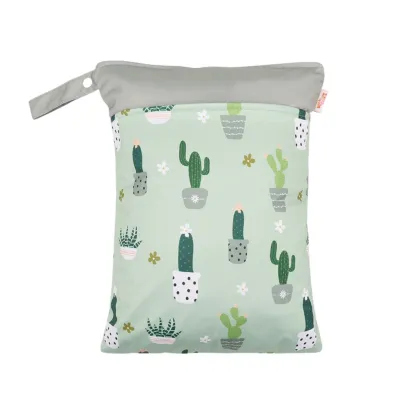
![[SG Instock] Personalized Wet Bags customised with name for Preschool Gym Swimming Baby Diaper Bag](https://img.lazcdn.com/g/p/fd248e80ba99edfe3290d80b493a9f78.jpg_400x400q80.jpg_.webp)
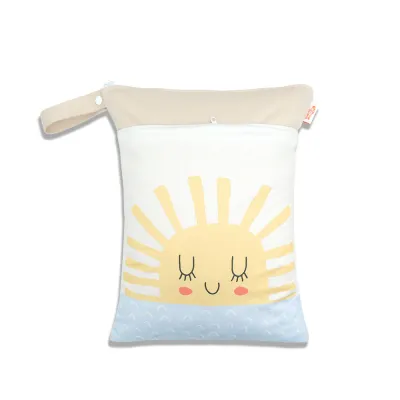
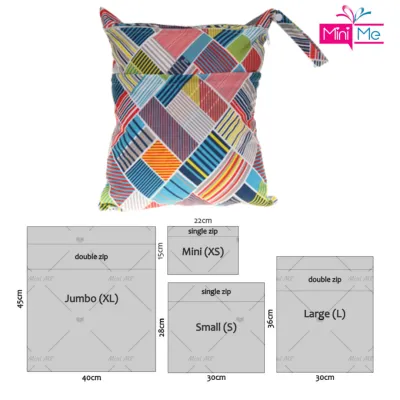
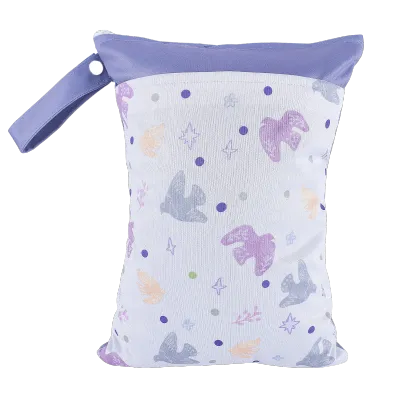
Prices are valid at publication and may change. Please refer to the product page for the latest price.
Swimming lessons, which are a common part of the primary school curriculum or co-curricular activities (CCAs), present the highest moisture challenge. A wet bag used for swimming must handle fully saturated swimwear, a damp towel, and goggles. This scenario requires a bag with robust water resistance to prevent pool water from seeping outward into the rest of the school bag during the journey home.
School trips and outdoor excursions introduce additional variables. During a day trip to a nature reserve or a park, children might get muddy, spill drinks, or need to change clothes mid-day. These outings often mean soiled items remain packed for several hours longer than usual. The wet bag chosen for excursions must be durable enough to contain dampness and odors over an extended period without leaking.
Finally, consider your child’s physical development and independence. A wet bag is only effective if your child can use it without adult assistance. Preschoolers and early primary students need bags that are easy to open, pack, and close during quick transitions between classes. If a bag is too complex or requires precise folding, a child may simply stuff their wet clothes directly into their backpack instead.
Essential Features for a School-Ready Kids Wet Bag
When evaluating different wet bags on online marketplaces or in local retail stores, parents should look closely at the technical specifications and construction details. The primary barrier against moisture is the bag’s fabric and lining. Most high-quality reusable wet bags utilize a polyester fabric bonded with a polyurethane laminate (PUL) lining. This material is highly water-resistant yet breathable, allowing some moisture vapor to escape while keeping liquid water contained. When reading product labels, verify that the lining is free from lead, phthalates, and BPA to ensure it is safe for daily contact with your child’s belongings.

Beyond the fabric itself, the seams are the most common failure point for water leakage. Standard stitching creates tiny needle holes that allow water to seep through over time. Look for bags that feature heat-sealed or taped seams, which cover these needle holes with a waterproof barrier. If a bag lacks seam sealing, it may still perform well for damp PE clothes but could leak if filled with soaking-wet swimming gear.
The closure mechanism directly impacts both leak prevention and ease of use. Zippers are the most common choice, offering a secure seal that keeps dampness and odors contained. When inspecting zippers, look for smooth-gliding, durable options with large pulls that small fingers can easily grip. Some bags feature roll-top closures with snap buckles, similar to outdoor dry bags. These are excellent for preventing leaks from very wet items, though they may require a bit more coordination for younger children to seal correctly. Drawstring closures are easy to operate but generally offer less protection against moisture seepage, making them better suited for lightly damp items rather than wet swimwear.
Portability features can make a significant difference in how a child manages their gear. Look for wet bags equipped with a sturdy snap handle or a built-in strap. This allows the child to hang the wet bag on a restroom hook, a classroom desk hook, or the exterior of their main school backpack. Some designs include a carabiner clip, which is highly practical for securing the wet bag to the outside of a school bag, saving valuable interior space for textbooks and lunchboxes. While basic reusable options are available for under S$10, investing in a high-quality bag with reinforced seams can save you from costly textbook replacements.
Matching Sizes and Designs to Specific Activities
Selecting the right size and design layout ensures the wet bag is highly functional without adding unnecessary bulk to a child’s already heavy school bag. Wet bags generally fall into three size categories, each suited to different daily tasks.
Small wet bags, typically measuring around 20 by 25 centimeters, are ideal for minor daily needs. These compact bags are highly suitable for storing a damp face towel used to cool down after recess, a spare pair of socks, or a small rain poncho. Because they take up very little space, they can easily reside permanently in a corner of the school bag, ready for unexpected wet weather.
Medium wet bags, usually around 30 by 40 centimeters, are the most versatile option for school-aged children. This size comfortably accommodates a full set of sweaty PE clothes, including a t-shirt, shorts, and socks. It is also the standard size required for basic swimming gear, fitting a child-sized swimsuit, swim cap, and a compact microfiber towel.
Large or extra-large wet bags, exceeding 40 by 50 centimeters, are most suitable for specific activity days rather than daily carry. These larger options are necessary when your child needs to pack bulky items, such as a thick cotton beach towel, wet closed-toe shoes after a rainy outdoor excursion, or multiple sets of clothes for an overnight school camp.
Compartmentalization is another critical design factor to consider. Many modern wet bags feature a “wet/dry” design, which includes two separate pockets—usually one lined with waterproof PUL and one made of standard dry fabric or mesh. This dual-pocket layout is incredibly useful for school days. It allows a child to pack their clean, dry PE uniform in the dry pocket in the morning, and then swap it into the wet pocket after their lesson, keeping the clean and soiled items completely isolated within a single bag. This reduces the number of individual bags a child needs to track throughout the day.
Hygiene, Care, and Maintenance for Daily Use
Singapore’s warm, humid climate creates an ideal environment for mold, mildew, and bacteria to thrive on damp fabrics. To prevent unpleasant odors and extend the lifespan of your child’s wet bag, establishing a consistent daily care routine is essential.
The most important rule of wet bag maintenance is prompt emptying. As soon as your child returns home from school, make it a habit to remove all damp items from the bag. Leaving wet swimwear or sweaty uniforms sealed inside a wet bag overnight practically guarantees mold growth and stubborn odors that can be difficult to remove. Once emptied, turn the bag inside out and hang it in a well-ventilated area to air out, even if you do not plan to wash it immediately.
When it comes to washing, always consult the manufacturer’s care label first. Most PUL-lined wet bags are machine washable, which makes daily maintenance highly convenient for busy parents. Wash the bag on a gentle cycle with cold or lukewarm water. Avoid using harsh chemical bleach, fabric softeners, or vinegar, as these substances can degrade the waterproof polyurethane laminate lining over time, causing it to crack or peel. Use a mild, standard laundry detergent to keep the fabric clean and odor-free.
Drying the wet bag correctly is just as important as washing it. High heat is the enemy of waterproof linings. Avoid placing PUL wet bags in a hot clothes dryer, as the intense heat can melt or warp the laminate layer, destroying its water-resistant properties. Instead, line dry the bag indoors or in a shaded outdoor area. Hanging the bag inside out allows the waterproof lining to dry quickly. Ensure the bag is completely dry, especially along the inner seams and corners, before folding it up or storing it inside a closed school locker or backpack.
Frequently Asked Questions (FAQ)
Can a regular plastic bag replace a dedicated kids wet bag for school?
While a single-use plastic bag or a disposable zip-top bag might seem like a convenient, low-cost solution, it falls short in several key areas compared to a dedicated kids wet bag. Standard plastic bags are highly fragile and prone to tearing, especially when packed alongside sharp school supplies like rulers, pencils, or binders. A single puncture can lead to leaks that ruin expensive textbooks or school tablets. Additionally, thin plastic bags present a safety and suffocation hazard for younger children. From an environmental and financial perspective, investing in a reusable, washable wet bag is far more sustainable. A durable wet bag can withstand hundreds of wash cycles, eliminating the need for constant plastic waste while offering enhanced leak protection and convenient attachment straps.
How often should a wet bag used for physical education clothes be washed?
A wet bag used for sweaty physical education clothes should ideally be washed after every single use. Sweat contains bacteria, body oils, and moisture, which quickly transfer to the bag’s inner lining. If left unwashed, these elements will create a persistent, unpleasant odor that can transfer to clean clothes packed in the bag later. If daily washing is not feasible due to your schedule, look for a bag with a wipeable lining. You can turn the bag inside out, wipe it down thoroughly with a damp cloth and a mild soap solution, and hang it to dry in a well-ventilated spot overnight. However, a full machine wash should still be performed at least once or twice a week to maintain proper hygiene.
Are wet bags with antimicrobial linings necessary for school use?
Wet bags featuring specialized antimicrobial linings are an optional upgrade rather than a strict necessity for daily school use. These linings are treated with agents designed to inhibit the growth of odor-causing bacteria on the fabric surface. While this feature can provide an extra layer of defense—especially on long school trips where wet items must remain packed for many hours—it does not replace the need for regular cleaning. Standard waterproof materials, such as high-quality polyurethane laminate (PUL), are highly effective at containing moisture and odors on their own when cared for properly. Consistent daily emptying, thorough washing, and complete air drying remain highly effective and reliable defenses against mold, mildew, and odors, regardless of whether the bag has an antimicrobial treatment.
Community discussion
Share your experience or ask a question. Comments are reviewed before publication.