
Choosing a kids bath cap requires balancing a secure, leak-proof seal with a gentle fit that does not irritate your child’s delicate skin. Bath time should be a relaxing, bonding experience, but water or shampoo splashing into a child’s eyes can quickly turn it into a stressful ordeal. A well-designed bath cap acts as a protective shield, directing water away from the face while keeping your hands free to wash your child’s hair. To find the ideal cap, you must evaluate the physical design, verify the safety of the materials, measure your child’s head accurately, and choose a style that matches their sensory preferences and hair volume.
By focusing on adjustable features, soft contact points, and non-toxic materials, you can ensure a comfortable fit that grows with your child. This guide walks you through the essential design elements, measurement techniques, safety considerations, and style choices to help you make an informed decision for your family’s bath time routine.
Key Design and Material Features to Evaluate
When shopping for a kids bath cap, the primary goal is to find a design that effectively channels water away from the face without causing discomfort. The brim of the cap plays a crucial role in this process. Wide, rigid brims act like a visor, directing water outward and backward, which is highly effective for active toddlers who tend to move their heads during rinsing. These rigid visors often feature molded channels that guide water away from the eyes and ears. However, they require a precise fit around the forehead to prevent water from slipping underneath. If the visor is too wide, it can also become heavy when wet, causing it to slide down over the child’s eyes.
Products mentioned in this guide
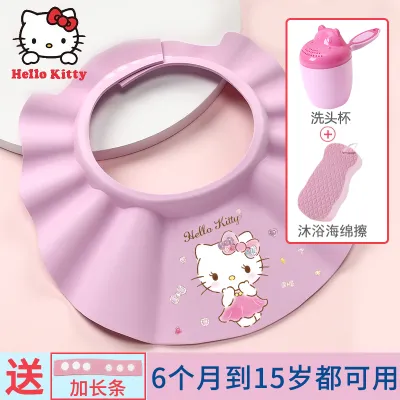
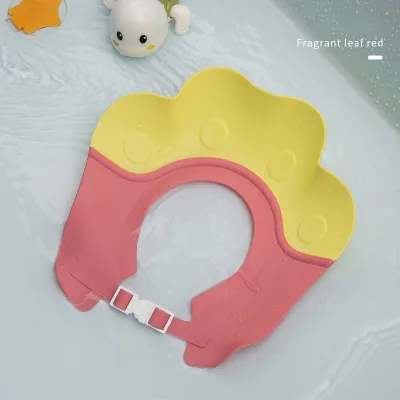

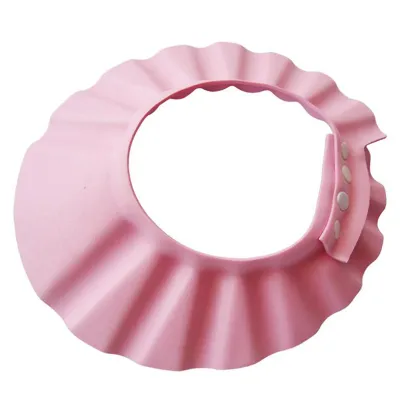


Prices are valid at publication and may change. Please refer to the product page for the latest price.
On the other hand, caps with soft silicone edges offer a more flexible, conforming seal. The pliable nature of silicone allows the edge to mold to the unique contours of your child’s head, creating a snug barrier that minimizes water leakage. While these soft-edged caps are generally more comfortable and forgiving of slight measurement errors, they may lack the structural rigidity needed to handle heavy pours of water without bending. If the silicone is too thin, the weight of the water can cause the brim to collapse, defeating the purpose of the cap. Understanding these structural differences helps you choose a design that matches how you rinse your child’s hair and how much water you typically use.
Material safety is paramount when selecting any product that comes into direct contact with your child’s skin, especially in a warm, wet environment where pores are open. Parents should look for clear product labels indicating that the bath cap is made from non-toxic, skin-safe materials. Common materials include high-quality silicone and Ethylene-Vinyl Acetate (EVA) foam. When reviewing product specifications, verify that the materials are free from Bisphenol A (BPA), phthalates, lead, and polyvinyl chloride (PVC). Silicone is highly durable, resistant to mold, and easy to sanitize, making it an excellent long-term investment. It is also hypoallergenic, which reduces the risk of skin irritation for children with sensitive skin or conditions like eczema.
EVA foam is lightweight and soft, which can be less intimidating for younger infants who are sensitive to the weight of objects on their heads. However, EVA foam is more porous than silicone, meaning it can absorb water and soap residue if not rinsed thoroughly. This makes it more susceptible to mold and mildew growth over time, requiring more frequent replacements. It also tends to lose its shape faster than silicone when subjected to repeated stretching. When choosing between these materials, consider your child’s sensitivity to weight and your willingness to perform regular, detailed maintenance on the cap.
The trade-offs between rigid adjustable caps and soft, stretchable shower caps also extend to durability and overall comfort. Rigid caps with adjustable plastic buckles or snap buttons offer excellent longevity because you can adjust the size as your child grows. They provide a firm deflection barrier, but the hard plastic components can sometimes press uncomfortably against the scalp if tightened too much. To mitigate this, some manufacturers add a soft silicone lining to the inner band of rigid caps, combining the structural benefits of a rigid visor with the comfort of a soft seal.
Conversely, soft, stretchable caps made entirely of elastic silicone or fabric-covered bands offer immediate comfort and a gentle hug around the head. They are incredibly easy to slip on and off, which is ideal for children who get impatient during bath time. However, the elastic in stretchable caps can degrade over time due to exposure to warm water, shampoo, and bath oils, leading to a loose fit that allows water to leak. Evaluating these trade-offs based on your child’s tolerance for pressure and how long you expect the cap to last will guide you to the right material build.
How to Measure and Ensure a Secure Fit
To prevent a bath cap from slipping down or allowing water to leak into your child’s eyes, you must obtain an accurate measurement of their head circumference. This process is simple but requires a gentle touch to ensure accuracy. Use a soft, flexible measuring tape rather than a rigid metal one. If your child is restless, it can help to make this a playful activity, perform the measurement while they are seated calmly during playtime, or have another caregiver assist you by holding a favorite toy to keep them still.

To measure correctly, place the start of the tape at the center of your child’s forehead, just above the eyebrows. Wrap the tape around the head, passing over the tips of the ears, and around the widest part of the back of the skull (the occipital prominent point). Ensure the tape is snug but not tight, resting flat against the skin without compressing the hair too much. If your child has very thick or curly hair, try to measure as close to the scalp as possible to get an accurate reading of the actual head size, as hair volume can artificially inflate the measurement. Note the measurement in centimeters or inches. It is wise to take this measurement twice to confirm consistency, as even a small discrepancy of one centimeter can affect how a cap fits.
Once you have the measurement, compare it directly to the manufacturer’s size charts. When shopping online or in-store, do not rely solely on age recommendations, as head sizes vary significantly among children of the same age. Look for caps that specify an adjustable range, such as 40 to 55 centimeters. If your child’s measurement falls near the upper limit of a size range, it is generally safer to choose the next size up, provided the cap has adjustable straps or snaps that can be tightened to secure the fit. Adjustable straps with multiple snap positions or sliding buckles offer the greatest flexibility, allowing you to customize the tension to your child’s comfort level as they grow.
During use, you must actively monitor how the cap sits on your child’s head to ensure it remains safe and effective. A proper fit means the cap sits snugly above the ears and eyebrows, creating a complete seal without shifting. Watch for signs of a poor fit, such as red marks or indentations on the forehead after removal, which indicate the cap is too tight and could cause a headache or skin irritation. If the cap slides backward during rinsing, it is too loose, which poses a safety risk as water and soap can suddenly flood the face. Similarly, if you notice water leaking from the sides or back, the seal is compromised, and you may need to adjust the tension or try a different style that better matches your child’s head shape.
Safety, Skin Sensitivity, and Care Checklist
Prioritizing safety during bath time involves more than just preventing water from reaching the eyes; it also requires careful attention to product warnings and hygiene. Before using any bath cap, thoroughly read the packaging and manufacturer documentation. Check for specific age recommendations, weight limits, and safety warnings. Some caps are not suitable for infants under a certain age due to choking hazards from small adjustable parts, snaps, or decorative elements. Always supervise your child closely during bath time; a bath cap is a convenience tool, not a safety device that allows you to leave a child unattended in the water.
Maintaining the hygiene of the bath cap is essential to prevent the growth of mold, mildew, and bacteria, which thrive in warm, humid bathroom environments. After every use, rinse the cap thoroughly with clean, warm water to remove any lingering shampoo, soap, or bath oil residue. Gently shake off excess water and hang the cap in a well-ventilated area to air-dry completely. Avoid placing the cap in direct sunlight or near high-heat sources like radiators, as extreme heat can warp silicone or degrade EVA foam. Always refer to the manufacturer’s care label for specific cleaning instructions, as some materials may be sensitive to certain soaps or require periodic sanitizing with mild vinegar solutions.
Knowing when to retire a bath cap is crucial for maintaining both safety and comfort. Inspect the cap regularly for signs of wear and tear. If you notice visible tears, cracks in the plastic buckles, or a loss of elasticity in the band, stop using the cap immediately. Damaged caps can snap during use, causing discomfort or failing to protect your child’s face from water. Furthermore, if your child develops persistent skin irritation, redness, or a rash where the cap contacts the skin, discontinue use. This could indicate a sensitivity to the material or trapped moisture. If unexplained rashes or skin irritation persist after you stop using the cap, consult a qualified pediatrician for professional medical advice.
Matching Bath Cap Styles to Your Child's Needs
Every child is unique, and the best bath cap style depends heavily on their age, hair volume, and sensory preferences. To help you navigate the options, consider how different designs address specific physical and behavioral traits. For instance, children with thick, curly, or long hair often struggle with standard shower caps that compress their hair, making it difficult to wash the scalp thoroughly. For these children, a wide-brim visor style with an open top is highly effective, as it keeps the face dry while leaving the hair fully accessible for washing and rinsing.
Sensory sensitivity is another critical factor. Some children dislike the feeling of tight bands around their forehead or are sensitive to the texture of certain materials. For a sensory-sensitive child, a soft, wide silicone band that distributes pressure evenly is often much better tolerated than a narrow elastic band or a rigid plastic visor with snaps. Active children who move constantly in the tub require a highly secure fit, making adjustable strap caps with secure buckles the preferred choice to prevent the cap from being knocked loose.
| Cap Style | Best Suited For | Key Advantages | Key Limitations |
|---|---|---|---|
| Wide-Brim Visor (Open Top) | Thick or long hair; children who dislike full head coverage | Easy access to hair; excellent water deflection away from eyes | Requires precise forehead fit; can slip if not adjusted tightly |
| Full-Coverage Shower Cap | Short hair; children who prefer keeping hair completely dry | Protects entire head; simple to slip on and off | Cannot wash hair while wearing; elastic can lose stretch over time |
| Adjustable Strap Cap | Active toddlers; growing children; sensory-sensitive kids | Customizable tension; secure fit; grows with the child | Buckles or snaps can be tricky to adjust on a moving child |
As your child grows, their bath time needs and physical development will change, requiring a transition in your washing routine. Infants often do not need a bath cap, as a soft washcloth and careful cup pouring are sufficient to keep water away from their eyes. However, as they transition into active toddlers who sit up and splash, a small, soft-brim cap can introduce them to the concept of face protection. As they grow older and develop thicker hair, transitioning to a larger, adjustable cap with a wider brim ensures continued protection and comfort.
When purchasing a kids bath cap, especially from online e-commerce platforms, it is highly recommended to verify the seller’s return and exchange policies. Because children’s head shapes and sensory tolerances vary so widely, a cap that looks perfect on paper may not suit your child in practice. Choosing a retailer that offers flexible returns or exchanges ensures that if the cap causes discomfort, leaves marks, or is rejected by your child due to sensory preferences, you can easily exchange it for a different style or size without financial loss.
Frequently Asked Questions (FAQ)
At what age should a child start using a bath cap?
There is no strict age milestone for starting to use a bath cap, as developmental readiness depends on your child’s comfort level with water near their face. Some parents introduce a soft, flexible cap around six months of age when the baby can sit up confidently in the bath, while others wait until toddlerhood when hair washing becomes more challenging. Always check the manufacturer’s age guidelines on the product packaging to ensure the cap is safe and appropriate for your child’s developmental stage.
Can a kids bath cap be used for swimming?
No, a kids bath cap designed for the bath should not be used for swimming. Bath caps are specifically engineered to deflect water away from the eyes and face during upright rinsing; they do not create a watertight seal around the entire head to keep hair dry while submerged, nor do they provide the hydrodynamic benefits of a proper swim cap. For swimming activities, always choose a dedicated silicone or latex swim cap designed for pool use, as indicated on the product label.
What should I do if the bath cap leaves red marks on my child's forehead?
If the bath cap leaves red marks, it is a clear sign that the fit is too tight or the material is pressing too firmly against the skin. Immediately loosen the adjustable straps or snaps to a more comfortable setting. If the cap is not adjustable, or if the marks persist even after loosening, discontinue use of that specific model. Check your child’s skin for signs of material sensitivity, and if any irritation, swelling, or pain occurs, consult a pediatrician.
Community discussion
Share your experience or ask a question. Comments are reviewed before publication.