
When walking down the dairy aisle, selecting a healthy yogurt snack for kids can feel overwhelming. Colorful tubs adorned with popular cartoon characters and bold claims of “high calcium” or “real fruit” compete for your attention. However, many of these products are closer to desserts than nutritious snacks, packed with added sugars and artificial ingredients that can work against your child’s dietary needs. Finding a genuinely healthy option requires looking past the front-of-pack marketing and examining the ingredient list and nutrition panel.
A high-quality yogurt snack for kids should be a nutrient-dense food that supports their rapid growth and high energy levels. Yogurt naturally provides essential nutrients, including high-quality protein for muscle development and calcium for strong bones and teeth. The ideal snack balances these positive nutritional benefits while avoiding empty calories, excessive sugars, and unnecessary chemical additives. By understanding what goes into a high-quality yogurt, you can make informed choices that support your child’s long-term health and help them develop a preference for wholesome, natural flavors.
Core Nutritional Criteria for Evaluating Kids' Yogurt
To identify a nutritious yogurt snack for kids, you must establish a clear set of evaluation criteria. Children’s developing bodies require nutrient-dense foods to fuel their daily activities and support cognitive and physical development. Because their stomachs are relatively small, every bite should ideally provide meaningful nutrition rather than empty calories from refined sweeteners or synthetic fillers.
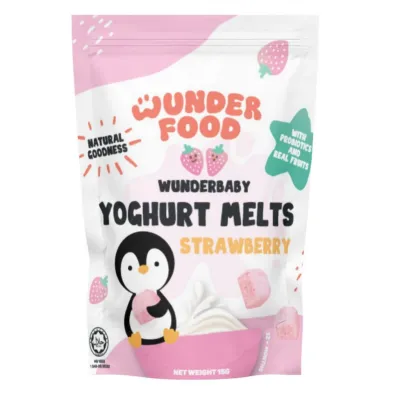
Products mentioned in this guide
![[Bundle] Yummybara Baby First Flavours Exploration 6M+ | Yogurt Melts | Rice Crackers Rusk | Cheese Melts | Cereal Melts (Halal Certified)](https://img.lazcdn.com/g/p/8d0f71fd2d144531feb314ee798b9e0e.png_400x400q80.png_.webp)
Prices are valid at publication and may change. Please refer to the product page for the latest price.
Evaluating any yogurt snack for kids relies on three main pillars: sugar content, probiotic viability, and additive safety. A healthy option should have minimal added sugars, contain live and active bacterial cultures to support gut health, and feature a clean, simple ingredient list free from unnecessary thickeners, artificial colorings, and synthetic flavorings.
It is important to recognize that marketing strategies are designed to appeal to children and busy parents alike. Bright packaging, collectible tubes, and health-related buzzwords on the box do not automatically guarantee that the product inside is wholesome. Many commercial “kids’ yogurts” are formulated to be highly sweet to ensure immediate child appeal, which can inadvertently train a child’s palate to reject natural, less-sweet whole foods. Reading the nutrition facts label and the ingredient list is the only reliable way to verify what your child is actually consuming.
Ultimately, the goal is to find a balance between maximizing nutritional density and minimizing processed ingredients. A great yogurt snack should deliver protein, calcium, and healthy fats while keeping the overall ingredient profile as close to whole foods as possible. This approach ensures your child receives the structural benefits of dairy or high-quality plant-based alternatives without the metabolic drawbacks of highly processed snacks.
Decoding Sugar Content: Natural vs. Added Sugars
One of the most critical steps in choosing a healthy yogurt snack for kids is understanding the sugar content on the nutrition information panel. Yogurt naturally contains sugar in the form of lactose, which is the carbohydrate found in milk. Lactose is digested slowly by the body, providing a steady release of energy rather than a sudden blood sugar spike.

When reading the nutrition label, it is vital to distinguish between this naturally occurring lactose and added sugars. Added sugars include ingredients introduced during manufacturing to enhance sweetness, such as cane sugar, high-fructose corn syrup, brown rice syrup, fruit juice concentrates, and honey. In Singapore, nutrition labels increasingly display “Added Sugars” as a separate line item under “Total Sugars.” This distinction allows you to see exactly how much extra sweetener has been introduced to the product beyond the natural dairy components.
Flavored yogurts, particularly those with “fruit-on-the-bottom” or strawberry and vanilla flavorings, are common culprits for high added sugar content. Manufacturers often add significant amounts of sugar to mask the natural tartness of fermented dairy and to preserve the fruit pieces. Even products that claim to be sweetened with “real fruit juice” or “fruit puree concentrate” can contain high concentrations of free sugars that behave identically to refined sugar in a child’s body.
To keep sugar intake within healthy limits, consider buying plain, unsweetened whole-milk yogurt and adding fresh, whole fruit at home. Mashing a ripe banana, stirring in pureed berries, or adding a sprinkle of cinnamon provides natural sweetness alongside beneficial dietary fiber, vitamins, and antioxidants. If you prefer the convenience of pre-flavored options, look for brands that use minimal fruit puree without any extra cane sugar or syrups, aiming for products with the lowest possible added sugar count per serving.
A crucial safety rule for parents of infants is that honey must never be given to children under 12 months of age. Honey can contain spores of the bacterium Clostridium botulinum, which can grow and produce toxins in an infant’s immature digestive system, leading to a serious condition known as infant botulism. Always verify that any yogurt snack given to a baby under one year is completely free of honey.
Probiotics and Live Cultures: What Actually Matters
The presence of beneficial bacteria, or probiotics, is one of the primary health benefits of eating yogurt. These live microorganisms support a healthy gut microbiome, which plays a critical role in digestion, nutrient absorption, and overall immune function. However, not all products sold in the dairy aisle contain viable probiotics by the time they reach your child.
Some fermented dairy products undergo heat treatment, such as pasteurization, after the fermentation process is complete. While this heat-treatment extends the shelf life of the product and allows it to be stored at room temperature, it also kills the beneficial live cultures, rendering the product probiotic-free. To ensure your child is getting the digestive benefits of probiotics, look for specific phrasing on the packaging, such as “contains live and active cultures” or “live yogurt cultures.”
When checking the ingredient list, you will often see the names of the specific bacterial strains used to ferment the milk. Common beneficial starter strains that are standard in yogurt production include Lactobacillus bulgaricus and Streptococcus thermophilus. Some brands also fortify their products with additional, well-researched probiotic strains such as Bifidobacterium or Lactobacillus acidophilus to provide targeted support for digestive health.
There is a significant difference in probiotic viability between refrigerated yogurt options and shelf-stable yogurt pouches or tubes. Ambient-temperature, shelf-stable pouches designed for lunchboxes are highly convenient, but they are almost always heat-treated to remain safe at room temperature. Unless these shelf-stable products specifically state on the label that they have been fortified with heat-resistant probiotic strains after pasteurization, you should assume they do not contain live cultures. For active probiotic benefits, refrigerated options are generally the most reliable choice.
Navigating Additives, Thickeners, and Artificial Ingredients
Commercial yogurt snacks for kids often contain various additives to improve texture, extend shelf life, and enhance visual appeal. While these ingredients are evaluated and deemed safe for consumption by food safety authorities, many parents prefer to minimize them to reduce the intake of highly processed substances and support digestive comfort.
Thickeners and stabilizers, such as pectin, gelatin, carrageenan, and modified food starch, are frequently added to low-fat or dairy-free yogurts to mimic the creamy mouthfeel of whole-milk yogurt. While pectin and gelatin are relatively simple ingredients, some stabilizers like carrageenan have been a point of concern for parents looking to avoid potential digestive sensitivity. Choosing whole-milk yogurt is an easy way to avoid these additives, as the natural fat content naturally provides a rich, creamy texture without the need for structural fillers.
Artificial colors and flavors should be avoided entirely in snacks for young children. Bright pink, blue, or green yogurts are often the result of synthetic food dyes, which serve no nutritional purpose. If your child enjoys colorful food, look for products that get their hues from natural sources, such as beetroot juice, purple carrot concentrate, or turmeric extract.
Similarly, artificial sweeteners (such as aspartame, sucralose, and acesulfame potassium) and sugar alcohols (such as sorbitol, xylitol, and erythritol) are not recommended for young children. These intense sweeteners can cause digestive upset, such as bloating or diarrhea, and can program a child’s taste preferences toward hyper-sweet flavors, making natural fruits taste unappealingly bland.
Finally, always check the label for common allergens and cross-contamination warnings. Standard yogurt is made from cow’s milk, which is a common childhood allergen. If your child has a diagnosed milk allergy or lactose intolerance, you must look for certified dairy-free alternatives and check the manufacturer’s packaging for warnings regarding shared production lines with gluten, soy, or tree nuts to prevent accidental exposure.
A Practical Label-Reading Checklist for the Supermarket Aisle
To make your shopping trips more efficient, use this step-by-step checklist to evaluate any yogurt snack for kids before placing it in your cart:
- Step 1: Check the ingredient list length and order. The best products have short, simple ingredient lists. Because ingredients are listed by descending weight, milk (or whole milk) should always be the very first ingredient on the list.
- Step 2: Verify the probiotic content. Look for explicit packaging claims such as "contains live and active cultures" to ensure your child receives the digestive benefits of beneficial bacteria.
- Step 3: Assess the added sugar content. Turn the package over to read the nutrition facts panel. Aim for products with minimal added sugars, and scan the ingredient list for hidden sugar names like evaporated cane juice, malt syrup, dextrose, or fruit juice concentrate.
- Step 4: Scan for unnecessary additives. Avoid products containing artificial colors, synthetic flavors, artificial sweeteners, or an excessive number of thickeners and stabilizers.
- Step 5: Confirm age-appropriateness and allergen safety. Ensure the product format is safe for your child's developmental stage, and check for allergen warnings if your child has specific dietary sensitivities.
While this checklist serves as a general guide for healthy children, individual nutritional needs can vary. Always consult a pediatrician or a registered dietitian if your child has specific medical conditions, severe allergies, failure to thrive, or specialized dietary needs before making significant changes to their daily diet.
Frequently Asked Questions (FAQ)
At what age can babies safely start eating yogurt?
Plain, unsweetened, whole-milk yogurt is generally introduced to infants when they begin eating solid foods, which is typically around 6 months of age. It is important to consult your pediatrician before introducing dairy, especially if there is a family history of food allergies. Remember that honey-sweetened yogurt must be strictly avoided for any child under 12 months due to the risk of infant botulism.
Are yogurt pouches and tubes as healthy as regular cup yogurt?
Yogurt pouches and tubes offer excellent convenience for on-the-go snacking, but they often contain higher amounts of added sugars and thickeners to maintain a stable, squeezable texture. Additionally, frequently sucking food from a pouch bypasses the physical actions of chewing and spoon-feeding, which are important oral-motor developmental milestones for toddlers. For daily consumption, serving regular cup yogurt with a spoon is generally the more beneficial option.
Can I use plant-based yogurt alternatives for my child?
Plant-based yogurts made from soy, oat, almond, or coconut milk can be suitable alternatives for children with dairy allergies or families following a vegan diet. However, you must carefully read the label to ensure the product is fortified with adequate calcium, protein, and healthy fats. Many plant-based options are naturally lower in these essential nutrients compared to traditional whole-milk dairy yogurt, so choosing fortified versions is crucial for supporting your child’s growth.
Community discussion
Share your experience or ask a question. Comments are reviewed before publication.