
Finding the best hands-free breast pump in Singapore is a highly personal decision that depends on balancing mobility, suction efficiency, and your daily routine. Mothers in Singapore often navigate busy work schedules, active commutes on public transport, and warm, humid weather, making the choice of a hands-free pump a matter of practical convenience. Rather than searching for a single universal winner, the ideal approach is to evaluate how different pump designs align with your unique anatomy, lifestyle, and pumping goals.
Transitioning to hands-free pumping can transform your postpartum experience by allowing you to multitask, work, or rest while expressing milk. However, choosing the wrong type of pump can lead to poor milk expression, physical discomfort, or premature wear of the device. By understanding the distinct categories of hands-free pumps and knowing exactly what features to verify, you can make an informed investment that supports your breastfeeding journey.
Understanding Hands-Free Breast Pump Types
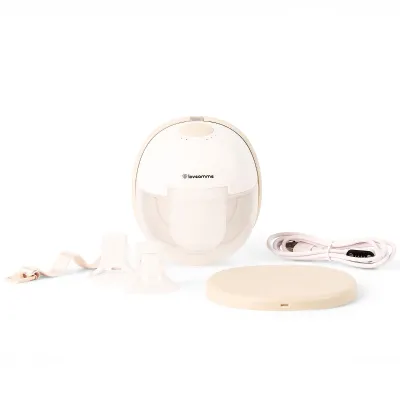
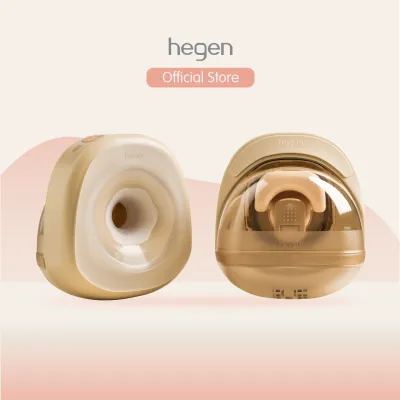
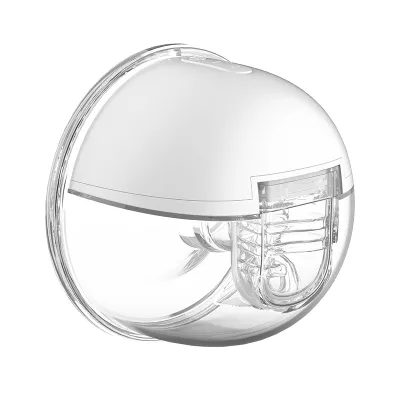
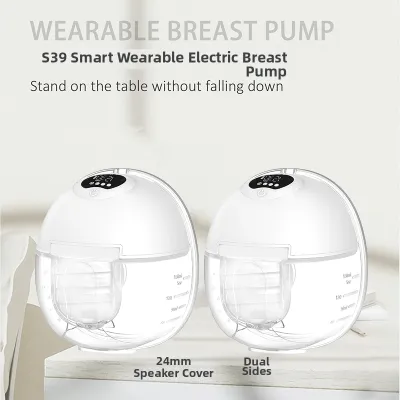
Wearable breast pumps are fully integrated, tubeless devices that fit entirely inside a standard nursing bra. The motor, battery, and collection cup are combined into a single, self-contained unit that sits directly over the breast. This design offers the highest level of mobility, allowing you to move around the house, complete light chores, or work at a desk without any dangling cords or external tubes. When evaluating wearable pumps, it is important to check the weight of the fully assembled unit, as a heavier pump may require a highly supportive, structured nursing bra to stay securely in place.
Products mentioned in this guide
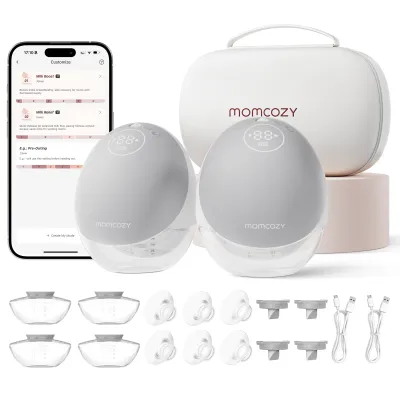
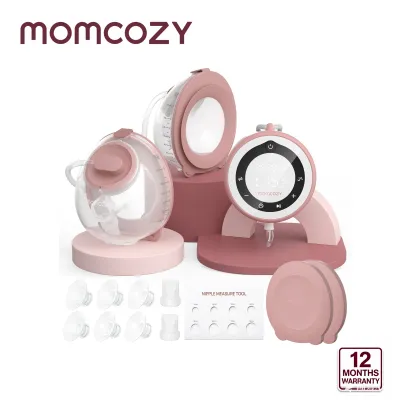
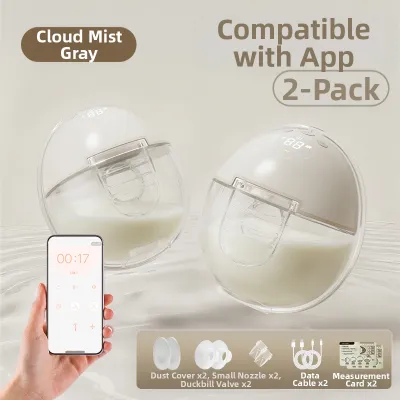
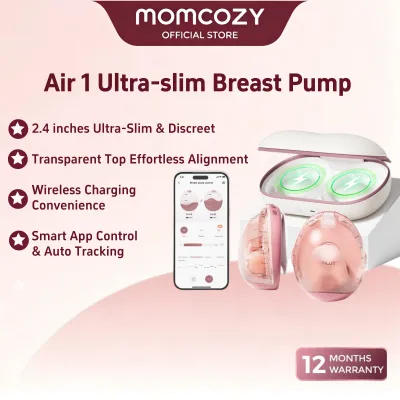
Prices are valid at publication and may change. Please refer to the product page for the latest price.
Traditional hands-free setups pair a standard electric pump motor with specialized hands-free collection cups or a dedicated pumping bra. In this configuration, the motor remains separate and is typically clipped to a waistband, placed in a pocket, or set on a table, connected to the breast cups via thin plastic tubing. While this setup is slightly less discreet due to the visible tubing, it often provides more robust suction customization, larger milk collection capacities, and a lighter feel on the chest since the motor weight is distributed elsewhere.
Compact portable options represent a middle ground between fully wearable units and traditional setups. These systems feature a small, lightweight, pocket-sized motor that connects via short tubes to wearable collection cups worn inside your bra. This design minimizes the weight on your breasts while still allowing you to move around relatively freely. It is an excellent option for mothers who want the reliable suction performance of a traditional pump but prefer the low-profile look of wearable collection cups.
Key Features to Evaluate Before Buying
Suction modes and intensity levels are critical for ensuring both comfort and efficient milk expression. Most modern hands-free pumps offer at least two distinct modes: a stimulation or massage mode with fast, shallow cycles to trigger letdown, and an expression mode with slower, deeper cycles to draw out milk. Check the manufacturer’s specifications for the number of adjustable intensity levels within each mode. It is a common misconception that higher suction always yields more milk; in reality, finding a comfortable, pain-free setting is far more effective for milk flow.

Battery life and charging methods directly impact how reliable a pump is when you are away from a power outlet. Review the product documentation to verify the estimated number of pumping sessions you can expect from a single full charge, keeping in mind that higher suction settings will drain the battery faster. Look for devices that support universal USB-C charging, which allows you to easily recharge the pump using standard power banks, laptop ports, or car chargers while commuting or working.
Noise level is a vital consideration for mothers who plan to pump in shared office spaces, public areas, or near a sleeping baby. While no electric breast pump is completely silent, many manufacturers provide decibel ratings in their user manuals or product labels. Look for pumps designed with quiet-motor technology, and check user feedback regarding the pitch of the sound, as a low, steady hum is generally much more discreet than a high-pitched mechanical whine.
Accessory compatibility and cleaning requirements determine how much daily effort is needed to maintain the pump. Count the number of individual parts that must be disassembled, washed, and sterilized after each use, as fewer parts save significant time over multiple daily sessions. Verify whether the components are dishwasher-safe or if they require specific sterilization methods. In Singapore, where UV sterilizers are highly popular, it is essential to check the pump manual to ensure the silicone parts are compatible with UV light, as some materials can degrade or discolor faster under UV exposure.
How to Ensure Proper Fit and Comfort
Measuring your nipple diameter accurately is the first step toward a comfortable and productive pumping experience. Use a ruler or a printable sizing tool to measure the diameter of the base of your nipple, excluding the surrounding areola. It is highly recommended to measure before a pumping session, but be aware that nipples can swell temporarily during pumping. Checking your measurements both before and after can help you select a flange size that accommodates this natural physical response without causing friction.
Flange sizing is not a one-size-fits-all specification, and using the wrong size can lead to nipple pain, tissue damage, and decreased milk output. Most hands-free pumps come packaged with a standard flange size, but manufacturers often sell alternative sizes or silicone inserts separately. Always refer to the manufacturer’s specific sizing guide to match your measurements to the correct flange or insert size. If you experience persistent pain, rubbing, or a sudden drop in milk expression, consider consulting a certified lactation consultant for personalized guidance.
Material composition and skin sensitivity are particularly important in Singapore’s warm and humid climate, where sweat and friction can easily cause skin irritation. Check the product packaging to ensure all parts that come into direct contact with your skin and breast milk are BPA-free and made from food-grade or liquid silicone. If you have sensitive skin or a history of plastic allergies, look for hypoallergenic certifications and inspect the edges of the flanges to ensure they are smooth and flexible.
Practical Considerations for Daily Use and Travel
Weight and bulkiness are key factors when planning how to transport your pumping gear. Fully integrated wearable pumps are highly compact but can feel heavy when filled with milk, which may alter how they sit in your bra. Traditional hands-free setups require you to pack a separate motor, tubing, and collection cups, which can take up more space in a work bag or diaper bag. Consider your daily commute and the storage space available at your workplace when deciding which system is more practical to carry.
Leak-proof designs are essential for preventing embarrassing spills, especially when you are multitasking or moving around. Inspect the sealing mechanisms, valves, and pour spouts of the collection cups to see how securely they lock together. Note the maximum capacity limits indicated on the cups; overfilling past the recommended line can compromise the seal and lead to milk leaking into the motor or onto your clothing. Always follow the manufacturer’s instructions for pouring and transferring milk to storage containers.
Travel and airline regulations must be kept in mind if you plan to fly out of Changi Airport or travel internationally. Because hands-free pumps contain built-in lithium-ion batteries, they must be carried in your cabin baggage rather than checked luggage. Verify the watt-hour rating of the pump’s battery to ensure it complies with standard aviation safety guidelines. Additionally, consider how you will clean and sterilize the pump parts while on the go, and look for portable cleaning accessories like quick-clean breast pump wipes or travel-sized sterilizing bags.
Building Your Personalized Shortlist
Identifying your primary use cases will help you prioritize which features are worth investing in. If you are returning to a corporate office and need to pump discreetly at your desk, prioritize low noise levels, a compact profile, and a long battery life. If you are primarily pumping at home while caring for an active toddler, a fully wearable, tubeless design that allows maximum physical mobility may be your top priority. For occasional use or as a backup pump, a budget-friendly compact portable option may be the most sensible choice.
Setting realistic budget and warranty expectations is crucial when shopping in Singapore, where hands-free pumps can range from under S$100 to over S$500. Beyond the initial purchase price, factor in the ongoing cost of replacement consumables like valves, diaphragms, and tubing, which require regular replacement to maintain suction. Always check the warranty terms before purchasing; buying from authorized local retailers or official brand stores ensures you receive a valid local warranty, which is invaluable if you need a rapid replacement or repair of a faulty motor.
Verifying local availability and customer support is the final step in finalizing your shortlist. Ensure that the specific brand you choose has a reliable local distributor or customer service presence in Singapore. This ensures that if you ever need to troubleshoot a technical issue or quickly purchase a replacement valve or a different flange size, you can do so without waiting weeks for international shipping, preventing any unwanted disruptions to your pumping schedule.
Frequently Asked Questions (FAQ)
Can I use a hands-free breast pump while sleeping?
Most hands-free breast pumps are designed to be used while sitting upright or slightly reclined, and they should not be worn while sleeping or lying completely flat. Lying down can cause milk to flow backward into the motor unit, potentially damaging the electrical components and voiding the warranty. Additionally, sleeping while pumping increases the risk of prolonged, unmonitored tissue compression, which can lead to skin irritation, bruised breast tissue, or blocked milk ducts. Always refer to your specific product manual for safety guidelines regarding recommended body postures and maximum usage times.
How often should I replace the silicone parts?
Silicone components such as valves, membranes, diaphragms, and flange inserts are subject to wear and tear, stretching gradually with every use. Over time, this natural degradation leads to a noticeable drop in suction efficiency, even if the motor is functioning perfectly. Inspect these parts regularly for signs of wear, such as cloudiness, warping, micro-tears, or a loose fit. As a general guideline, manufacturers recommend replacing silicone valves every 1 to 3 months and diaphragms every 3 to 6 months, depending on how frequently you pump.
Will my health insurance or local subsidies cover the cost?
In Singapore, standard health insurance policies and local government subsidies typically do not cover the purchase cost of breast pumps, as they are generally categorized as personal care or lifestyle items. However, some comprehensive corporate health benefits, flexible spending accounts (FSA), or specialized maternity insurance riders may offer partial reimbursement if the pump is deemed a medical necessity by a qualified doctor. It is highly recommended to contact your insurance provider or human resources department directly to verify your specific coverage terms and any documentation requirements.

Community discussion
Share your experience or ask a question. Comments are reviewed before publication.