
Feeding a baby during an outing requires gear that is highly portable, easy to clean, and stable enough to prevent spills on unfamiliar surfaces. The ideal foldable bowl for outdoor feeding is one that matches your specific travel habits, whether you are taking a quick stroll to a neighborhood park or embarking on a full-day family trip. By focusing on structural integrity, secure lid seals, and easy-to-clean materials, you can simplify mealtime away from home.
Choosing the right bowl involves balancing compact storage with functional stability. While a bowl that collapses completely flat is excellent for saving space, it must also remain rigid enough when expanded to hold food securely. Evaluating how and where you plan to use the bowl will guide you to the most practical design for your family’s needs.
Key Features to Evaluate for Outdoor Use
When feeding a baby outside, you often have only one free hand to manage both the food and your child. A foldable bowl must expand and collapse smoothly without requiring complex maneuvers. Look for designs with reinforced rims that provide a firm grip, allowing you to pop the bowl open or press it flat with minimal effort.
Products mentioned in this guide
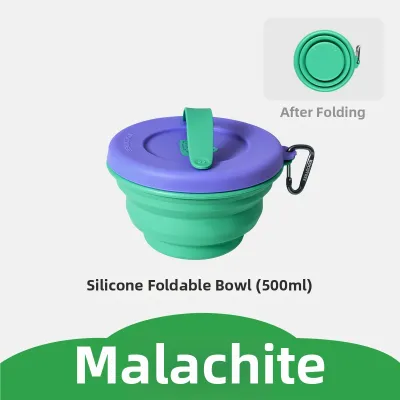
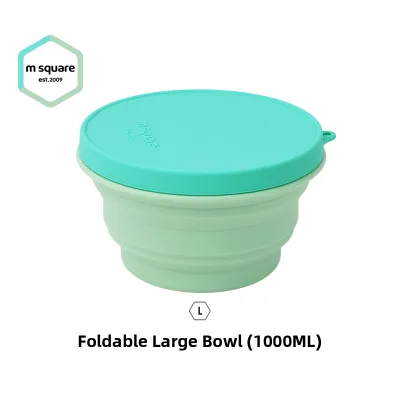
Prices are valid at publication and may change. Please refer to the product page for the latest price.
Preventing spills in transit is another critical consideration for any parent on the move. A secure, tight-fitting lid is essential if you plan to carry pre-prepared purees, cut fruits, or leftover snacks. Evaluate the lid’s sealing mechanism, checking whether it snaps tightly over the rim or uses a screw-top design, as a loose lid can lead to messy spills inside your diaper bag.
Material safety is paramount when choosing baby feeding gear. Always inspect the manufacturer’s product labels to verify that the materials are rated for food contact and free from harmful chemicals. High-quality, food-grade silicone is a common choice due to its flexibility and durability, but you must check the packaging for specific temperature limits and safety certifications.
Whether you are looking at a budget-friendly S$10 option or a premium travel set, structural quality matters. A bowl that is too flimsy may collapse unexpectedly when your baby presses down on the rim. Prioritize models that maintain their shape well under light pressure to ensure a frustration-free feeding experience.
Matching the Bowl to Your Outing Scenarios
Different outdoor activities demand different priorities from your baby gear. A quick trip to a local playground requires rapid deployment and minimal bulk, while a sit-down meal at a restaurant demands stability and highchair compatibility. Understanding these scenarios helps you select the most practical design for your lifestyle.

Quick Park Visits and Short Walks
For brief outings, such as a walk to a nearby park, speed and simplicity are your primary goals. You want a foldable bowl that deploys instantly without any assembly or multi-step unfolding processes. A simple pop-up silicone bowl is often highly practical for these short excursions.
Lightweight construction is key when you want to travel light. On short walks, you might not want to carry a heavy, fully packed diaper bag. A compact, lightweight bowl that can slip into a stroller organizer or a small tote bag makes it easy to offer quick snacks on the go.
Basic splash resistance is usually sufficient for these brief trips. Since you are likely serving dry finger foods, sliced fruits, or thick purees, you do not necessarily need a heavy-duty, airtight seal. A simple, flexible cover that keeps dust out and prevents dry snacks from spilling is often perfectly adequate.
Restaurant Meals and Highchair Compatibility
Dining out at restaurants presents a different set of challenges, particularly regarding surface stability. Restaurant highchairs often have small, smooth plastic or wooden trays that are prone to sliding. Look for a foldable bowl with a wide, non-slip base or a suction feature to keep the bowl firmly in place during the meal.
The design of the bowl’s rim plays a significant role in how easily your baby can eat. A sturdy, slightly curved rim helps you or your toddler scrape food onto a spoon efficiently. Soft, overly floppy rims can collapse under pressure, leading to frustration and spilled food during self-feeding.
Before purchasing, it is wise to check the physical footprint of the bowl against standard highchair tray dimensions. Some foldable bowls with very wide suction bases may not fit flat on smaller restaurant highchair trays. Choosing a moderately sized bowl ensures compatibility with a wider variety of dining setups.
Long Travel and Compact Diaper Bag Storage
Extended travel, such as day trips or flights, requires maximum space-saving efficiency. A foldable bowl that collapses completely flat is invaluable when diaper bag space is at a premium. Look for designs that compress to a thickness of just a few centimeters, allowing them to slide easily between diapers and spare clothes.
Secure locking mechanisms are vital for long journeys. When a bowl is packed tightly inside a crowded bag, shifting items can accidentally press against it. A robust lid that locks into place prevents the bowl from partially expanding or opening mid-transit, keeping your bag clean and dry.
Durability is another essential factor for travel gear. Repeatedly folding and unfolding a bowl puts stress on the joints and creases of the material. Inspect the folding seams for thickness and flexibility, ensuring the material can withstand frequent use without cracking or tearing over time.
Practical Checks Before You Buy and Use
Before purchasing any foldable bowl, always verify the manufacturer’s stated age and developmental guidelines. Some bowls are designed specifically for older toddlers who have developed self-feeding skills, while others are better suited for early weaning stages. Ensuring the bowl matches your baby’s current developmental stage supports safe and comfortable feeding.
Proper care and maintenance are crucial for preventing hygiene issues, especially in warm, humid climates. Check the manufacturer’s cleaning instructions to see if the bowl is dishwasher-safe or requires hand washing. Pay close attention to the crevices and folds where food residue and moisture can easily hide, as these areas are highly susceptible to mold growth if not dried thoroughly.
Regularly inspect the bowl for signs of wear and tear to ensure continued safety. Over time, repeated folding, washing, and exposure to heat can degrade the material. If you notice any tears, cracks, sticky residue, or a loss of structural integrity, stop using the bowl immediately and replace it to prevent material fragments or bacteria from compromising your baby’s food.
Always supervise your baby during mealtimes, even when using specialized travel gear. While foldable bowls are designed for convenience, they are not toys, and young children should not be left unattended with them. If you have questions about weaning safety or material sensitivities, consult a qualified pediatrician or pediatric nutritionist.
Frequently Asked Questions (FAQ)
Can I use a foldable bowl for hot foods and liquids?
Whether a foldable bowl can safely hold hot foods depends entirely on its material composition and the manufacturer’s specifications. Always check the product label or packaging for the exact temperature thresholds before exposing the bowl to hot liquids or microwave heating.
Using a bowl that is not explicitly rated for high temperatures carries significant risks. Heat can cause unsuitable materials to warp, soften, or leach chemicals into your baby’s food. If the packaging does not clearly state that the bowl is heat-resistant, restrict its use to cool or room-temperature foods.
When serving warm meals on the go, always test the temperature of the food before placing it in the bowl and feeding your baby. Allow hot foods to cool to a safe, warm temperature in a separate, heat-safe container if you are unsure about the thermal limits of your portable bowl.
How do I clean and dry a foldable bowl while on the go?
Cleaning a foldable bowl immediately after use prevents food from drying and sticking to the surface. If you are away from home without access to a sink, rinse the bowl thoroughly with bottled water or safe drinking water. A small, portable travel brush can help scrub away stubborn puree residues.
When cleaning, it is essential to fully expand the bowl and inspect all the folding creases. Food particles easily become trapped in the joints where the material bends. Gently wipe along these folds to ensure no residue remains, as trapped food can quickly breed bacteria.
Allow the bowl to air-dry completely before collapsing it and storing it back in your diaper bag. Storing a damp, folded bowl in a dark, enclosed bag creates an ideal environment for mold and mildew. If you must pack it away while damp, place it in a separate wet bag and wash and dry it thoroughly as soon as you return home.
Community discussion
Share your experience or ask a question. Comments are reviewed before publication.