
Selecting the right feeding gear is a pivotal step in your baby-led weaning journey, especially when balancing the demands of home dining and meals on the go. A foldable bowl offers an appealing, space-saving solution for busy parents, but finding one that is both safe and practical requires looking beyond basic aesthetics. The ideal foldable bowl must balance material safety, structural stability, appropriate sizing for your baby’s developmental stage, and a design that is easy to sanitize thoroughly.
When evaluating these portable feeding options, parents must prioritize products with transparent manufacturer specifications and clear usage guidelines. Because these bowls undergo repeated folding and unfolding, the integrity of their materials and joints is constantly put to the test. By focusing on verifiable safety standards, physical durability, and ease of maintenance, you can ensure that your choice supports a hygienic and stress-free weaning experience.
Why Material Safety and Durability Matter Most
The primary consideration for any infant feeding vessel is the safety of the material under repeated use, heat exposure, and physical wear. Foldable bowls are typically manufactured from food-grade silicone, flexible plastics, or a hybrid of both materials. Food-grade silicone is highly favored for its flexibility, natural resistance to extreme temperatures, and soft texture that is gentle on developing gums. However, not all silicone is created equal, and some lower-quality options may contain chemical fillers that compromise the material’s integrity over time.
Products mentioned in this guide
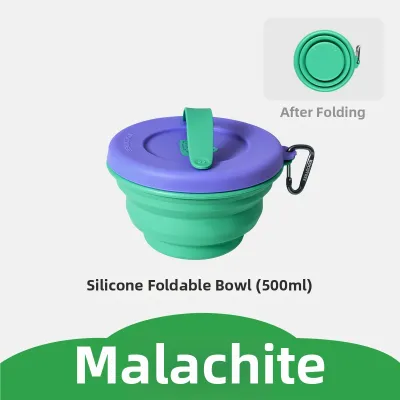
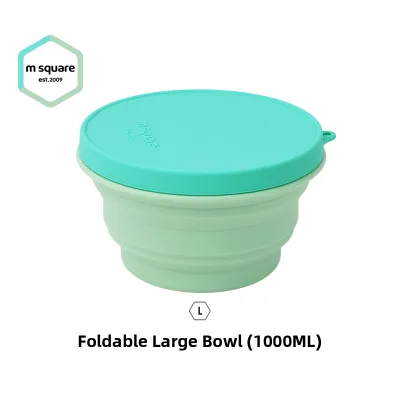
Prices are valid at publication and may change. Please refer to the product page for the latest price.
To ensure the highest safety standards, caregivers should actively verify the product’s compliance with recognized international safety certifications, such as FDA or LFGB standards, by examining the packaging or official manufacturer documentation. Avoid relying solely on generic product descriptions on online marketplaces, which may use buzzwords without official backing. Look for clear labeling that confirms the bowl is free from bisphenol A (BPA), phthalates, and lead, and check for age-appropriate suitability markings indicating the product is intended for infants.
Durability in a foldable bowl is closely tied to its structural design, particularly at the points where the material creases to collapse. Before purchasing, perform a visual and tactile inspection of these seams and joints to check for uniform thickness and smooth transitions. Weak points or uneven molding along the folding lines can easily tear under the stress of daily expansion and compression. A high-quality bowl should feel robust yet pliable, maintaining its shape when fully extended without sagging or showing signs of stress discoloration along the creases.
Over time, even the most durable materials will begin to degrade, making regular inspections a critical part of your feeding routine. Caregivers must establish clear criteria for when to discard and replace a foldable bowl to prevent safety hazards. If you observe deep scratches, persistent cloudiness, a sticky or tacky texture on the surface, or visible micro-tears along the folding seams, stop using the bowl immediately. These physical changes not only compromise the structural integrity of the bowl but can also harbor bacteria that are difficult to eliminate through standard washing.
Sizing the Bowl for Baby-Led Weaning Stages
The physical dimensions of a weaning bowl play a significant role in how successfully your baby can navigate self-feeding. During the early stages of baby-led weaning, infants rely on a palmar grasp to scoop up food, making a wide, shallow bowl highly beneficial. A bowl with a wide opening allows easy access for small hands, while moderate depth provides a supportive wall against which your baby can push food onto a spoon or pick it up with their fingers. If a bowl is too deep or narrow, it can frustrate a young infant who cannot easily see or reach the contents.

As your baby transitions to a pincer grasp and begins practicing with utensils, their developmental needs will shift, requiring a different bowl profile. Deeper bowls with slightly curved inner rims can assist older babies in scooping purees or small food pieces onto a spoon without spilling over the edges. Always consult the manufacturer’s recommended age or developmental stage guidelines to ensure the bowl’s size and design align with your child’s current motor skills.
Base stability is another crucial factor that directly impacts the success of a meal and the level of cleanup required afterward. Many foldable bowls feature built-in suction bases or are designed to be compatible with separate suction rings to keep the vessel firmly anchored to the feeding surface. When evaluating these features, verify whether the suction mechanism requires a completely smooth, non-porous surface to function effectively. Textured highchair trays or wooden tables may prevent a secure seal, rendering the suction feature ineffective and increasing the risk of accidental spills.
Before finalizing your purchase, it is highly recommended to measure the flat surface area of your baby’s highchair tray and compare it to the base dimensions of the bowl. Highchair trays vary widely in size and shape, and a bowl with an oversized suction base may not sit flat, preventing a secure seal. Ensuring a proper fit on your specific highchair tray will save you from the frustration of a bowl that easily slides or tips over during mealtime.
Portability and Folding Mechanisms for Travel
The primary appeal of a foldable bowl is its portability, allowing parents to pack light for outings, park visits, or dining at restaurants. Foldable bowls generally utilize one of two main folding styles: concentric collapsible tiers (often referred to as accordion-style) or flexible folding halves. Accordion-style bowls collapse flat into a compact disc, making them exceptionally easy to slide into tight diaper bag compartments or travel organizers. Folding halves or pocket-style bowls may offer a more organic shape but can sometimes retain more bulk when compressed.
While compactness is highly desirable, the structural integrity of the folding mechanism when fully expanded is paramount for safety during use. Caregivers should carefully evaluate the locking mechanisms or rigid rims designed to keep the bowl upright. A bowl that collapses too easily under slight downward pressure can cause food to spill, potentially startling your baby. Look for designs that incorporate a rigid upper ring—often made of a stiffer, heat-resistant plastic—to provide structural support and prevent the sides from buckling when your baby presses down on the rim.
It is also important to manage expectations regarding the leak-proof capabilities of foldable bowls, especially when traveling with liquids or purees. While many manufacturers advertise secure lids, most foldable bowls are designed primarily for dry snacks or thick foods rather than thin liquids like soups or broths. Before packing a prepared meal in your diaper bag, test the lid’s seal at home with water over a sink. Check if the lid snaps tightly over the rigid rim or if it relies on a simple friction fit, which can easily pop off when compressed inside a packed bag.
Finally, consider the overall weight and bulk of the bowl in both its expanded and collapsed states. A travel bowl should not add unnecessary weight to your already heavy diaper bag, yet it must remain sturdy enough to withstand outdoor environments. Balancing lightweight design with structural rigidity ensures that the bowl remains a practical asset during family outings rather than a cumbersome addition to your travel gear.
Ease of Cleaning and Mold Prevention
Maintaining strict hygiene is essential when preparing and serving food to infants, whose immune systems are still developing. Foldable bowls present unique cleaning challenges due to the physical crevices, hinges, and joints inherent in their collapsible designs. Food residue, grease, and moisture can easily become trapped in these tight spaces, creating an ideal environment for bacterial growth and mold. Therefore, establishing a thorough and consistent cleaning routine is vital for your baby’s health.
To simplify daily maintenance, verify the manufacturer’s care instructions regarding dishwasher safety and maximum temperature limits. While many high-quality silicone bowls can withstand the high heat of a dishwasher’s sanitizing cycle, hybrid designs with plastic rims or lids may have lower heat tolerances and require top-rack placement or hand washing. Operating within the manufacturer’s specified temperature limits prevents warping, which can ruin the airtight seal of the lid or compromise the folding mechanism.
When hand washing, pay close attention to the high-risk areas where the folding tiers meet. Fully expand the bowl and use a soft brush to gently scrub along every crease and joint, ensuring no food film remains. Avoid using abrasive scrubbing pads or harsh chemical cleaners, as these can create microscopic scratches on the surface of the material, making it easier for food particles and bacteria to adhere in the future.
In warm and humid climates, such as Singapore, mold prevention requires extra vigilance during the drying process. After washing, always leave the foldable bowl fully expanded in a well-ventilated area to air-dry completely before collapsing it for storage. Storing a damp bowl in its collapsed state traps moisture inside the folds, rapidly promoting mold growth and persistent sour odors. If you detect a stubborn musty smell or observe black mold spots that do not disappear after a thorough deep clean or boiling (if permitted by the manufacturer), discard the bowl immediately to protect your baby’s health.
Building Your Shortlist: A Pre-Purchase Checklist
To help you navigate the wide variety of options available on the market, creating a structured pre-purchase checklist can streamline your decision-making process. This condition-based approach allows you to compare different models objectively based on your family’s specific lifestyle and your baby’s developmental stage. By evaluating each candidate against a set of non-negotiable criteria, you can avoid impulse buys that may not perform well in daily use.
Begin by constructing an evaluation matrix that covers the core dimensions of material safety, size compatibility, folding security, and cleaning requirements. First, verify that the manufacturer provides clear, accessible documentation regarding food-grade material certifications and age recommendations. Second, measure your highchair tray to ensure the bowl’s base will fit securely. Third, test or research the rigidity of the expanded bowl to ensure it will not collapse under normal feeding pressure. Finally, confirm that the cleaning instructions fit seamlessly into your household routine, whether that involves dishwashing or manual sterilization.
When browsing online marketplaces or e-commerce platforms, cross-reference the product descriptions with the official manufacturer’s website or user manuals. Listings on third-party platforms can sometimes feature incomplete or exaggerated claims regarding heat resistance or leak-proof seals. If a product listing lacks clear brand identification, safety certifications, or detailed care instructions, treat these omissions as immediate dealbreakers and remove the item from your shortlist.
Additionally, take the time to review the retailer’s return policies and warranty conditions before making a final decision. Because baby feeding items are subject to strict hygiene regulations, many retailers do not accept returns on opened or used products unless there is a clear manufacturing defect. Verifying these policies beforehand protects your investment and ensures you have recourse if the bowl’s physical performance or dimensions do not match the advertised specifications upon arrival.
Frequently Asked Questions (FAQ)
Can I use a foldable bowl for hot foods and microwave heating?
Whether a foldable bowl can safely handle hot foods or microwave heating depends entirely on the specific materials used and the manufacturer’s explicit guidelines. While pure food-grade silicone generally boasts high heat tolerance, hybrid bowls that combine silicone bodies with rigid plastic rims or nylon joints may have much lower temperature limits. Before exposing the bowl to high heat, locate the exact temperature range and microwave-safe symbols printed on the product packaging or the underside of the bowl itself. Never assume that all components of the bowl share the same heat resistance, as microwave heating can cause uneven temperature distribution and potentially warp plastic parts or weaken the folding joints.
How do I know when it is time to replace my baby's foldable bowl?
You should replace your baby’s foldable bowl at the first sign of physical degradation or structural compromise. Regularly inspect the bowl for observable wear-and-tear indicators, such as micro-tears or thinning material along the folding creases, persistent cloudiness, or a sticky surface texture that does not wash away. Additionally, if the rigid rim or locking mechanism becomes warped, loose, or cracked, the bowl may collapse unexpectedly during use, posing a spill hazard. Always consult the manufacturer’s guidelines regarding the expected lifespan of the product, and do not hesitate to discard the bowl if it can no longer be thoroughly sanitized or if persistent odors remain after deep cleaning.
Community discussion
Share your experience or ask a question. Comments are reviewed before publication.