
Setting up a nursery is an exciting milestone, but choosing the right storage solutions requires a careful balance between aesthetics, space efficiency, and child safety. Among the various organization tools available, a doll storage bucket is a popular choice for keeping soft toys, plushies, and baby dolls neatly contained. However, not all storage bins are created equal, particularly when placed within reach of an active infant or toddler.
Parents must look beyond visual appeal to evaluate how a storage unit performs under daily use. A well-designed bucket encourages independent play and self-tidying while minimizing physical hazards. In a nursery environment, every item must be scrutinized for material safety, physical stability, and ease of maintenance to ensure a secure space for your child.
Quick Answer: Must-Have Features for a Safe Nursery Doll Storage Bucket
When selecting a doll storage bucket for your nursery, prioritize features that safeguard your child’s health while supporting their developing motor skills. The ideal storage solution should seamlessly blend accessibility with strict safety standards. Look for the following essential features:
Products mentioned in this guide
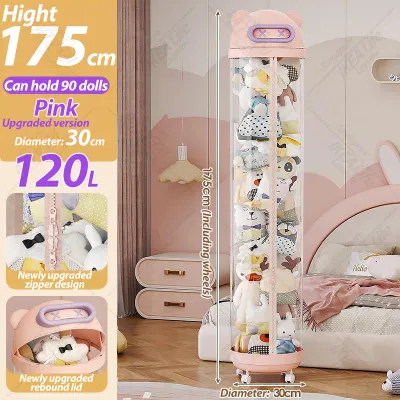
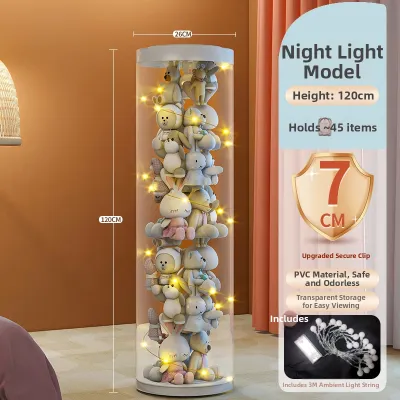
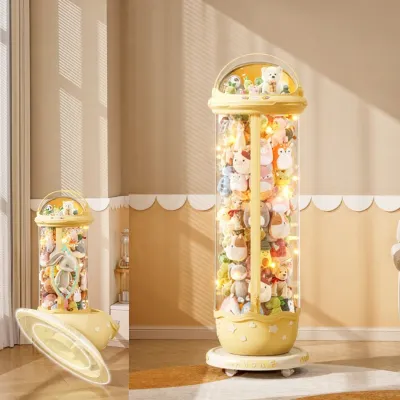
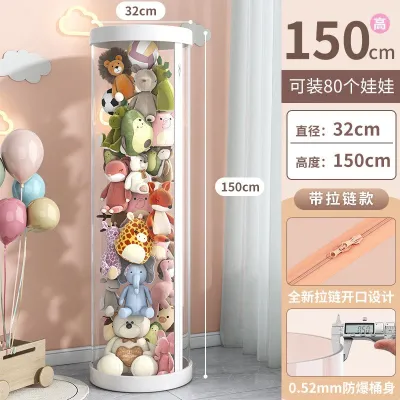
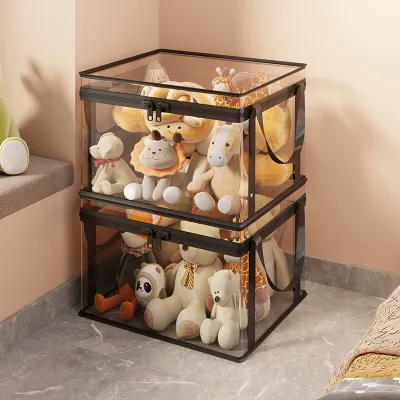
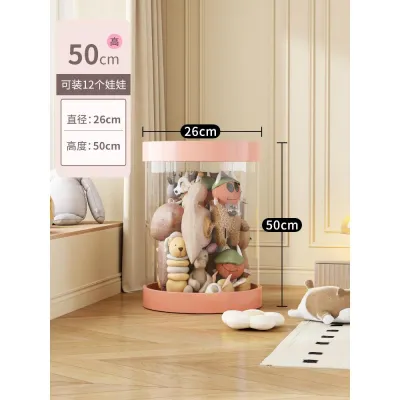
Prices are valid at publication and may change. Please refer to the product page for the latest price.
- Material Safety: Choose certified non-toxic, lead-free, and phthalate-free materials. Fabrics should ideally carry independent certifications to ensure they are free from harmful substances.
- Appropriate Dimensions: Select a low-profile bucket (typically under 45 cm in height) that allows toddlers to reach their toys without leaning in too far and losing their balance.
- Stable, Non-Slip Base: Look for a wide base or weighted bottom that prevents the bucket from tipping over when a child pulls themselves up using its rim.
- Safe Lid Mechanisms: If you choose a lidded design, ensure it features lightweight, completely detachable lids or certified slow-close safety hinges to prevent finger-pinching injuries.
- Breathability and Moisture Resistance: In humid climates, select breathable fabrics or easy-to-clean plastics to prevent mold and mildew growth.
- Ease of Cleaning: Opt for machine-washable fabric liners, spot-cleanable canvas, or smooth, wipeable plastic surfaces that can withstand frequent sanitizing.
Material Safety: Verifying Non-Toxic Labels and Humidity Resistance
The materials used in your nursery furniture and storage accessories have a direct impact on indoor air quality and your child’s chemical exposure. Toddlers frequently explore their environment by touching, mouthing, and leaning on storage containers. Consequently, verifying the chemical safety of a doll storage bucket is a critical step before bringing it into your home. Common materials include organic cotton, heavy-duty canvas, food-grade plastics, and compressed felt, each presenting distinct safety and maintenance considerations.

Rather than assuming a product is safe based on generic marketing descriptions, look for reputable, independent certifications. For fabric-based storage buckets, check for the OEKO-TEX Standard 100 label, which guarantees that every component of the textile has been tested for harmful chemicals. If you prefer plastic storage buckets, ensure the manufacturer explicitly states the product is free from Bisphenol A (BPA), phthalates, PVC, and heavy metals. These chemicals are known endocrine disruptors and can off-gas into the nursery air or transfer to your child’s hands and toys.
In Singapore, the tropical climate presents a unique environmental challenge for nursery storage. High relative humidity levels, which frequently exceed 80% year-round, create an ideal breeding ground for mold, mildew, and dust mites. When organic materials like untreated cotton, canvas, or wood are kept in unventilated corners, they can easily absorb airborne moisture. To mitigate this risk, choose breathable, high-quality fabrics that allow air to circulate freely, or opt for non-porous plastics that do not absorb moisture. If you select a fabric bucket, ensure it can be thoroughly dried after cleaning to prevent fungal spores from taking root.
Additionally, be vigilant about chemical off-gassing, which is common with newly manufactured plastic, synthetic felt, or treated fabric items. Upon unboxing a new doll storage bucket, inspect it for strong, pungent chemical odors. If an odor is present, do not place the bucket in the nursery immediately. Instead, air it out in a well-ventilated, dry, and shaded outdoor area or a utility room for several days until the smell completely dissipates. This simple step helps protect your baby’s developing respiratory system from volatile organic compounds (VOCs).
Size and Capacity: Balancing Toy Storage with Toddler Accessibility
Finding the right physical dimensions for a doll storage bucket involves balancing your storage needs with your child’s developmental stage. Looking for a container that holds an extensive collection of plush toys and dolls is natural, but an oversized container can pose serious physical risks to a small child. The height and diameter of the bucket must align with your toddler’s physical reach and motor skills to encourage safe, independent play.
For toddlers who are learning to stand, cruise, or walk, a storage bucket should ideally stand no higher than 40 to 45 centimeters. A low-profile design allows your child to look inside, select their preferred doll, and retrieve it without having to bend excessively over the rim. If a bucket is too deep, a child may lean too far forward, losing their center of gravity and potentially falling headfirst into the container. Keeping the diameter wide and the height low ensures that toys remain easily accessible at the bottom of the bucket.
Physical stability is another crucial factor, as toddlers frequently use furniture and storage bins as support when standing up. A fully loaded doll storage bucket must possess a wide, stable base to prevent tipping under a child’s weight. Look for fabric buckets with reinforced, rigid bottom panels, or plastic options with flared bases. Adding non-slip rubber grips or pads to the bottom of the bucket can prevent it from sliding across smooth flooring, such as laminate or parquet, when a child leans against it.
Space planning within the nursery is equally important, especially in Singapore’s compact urban apartments where floor space is highly optimized. Before purchasing, measure the designated area in your nursery to ensure the bucket fits comfortably without blocking pathways. Avoid placing the storage bucket directly next to the crib or changing table, as a child could use it as a step stool to climb over safety barriers. Instead, position the bucket in a dedicated play corner or flat against a wall, ensuring that walkways remain completely clear to prevent tripping hazards during late-night nursery visits.
Lid Designs and Child Safety: Preventing Pinch Points and Hazards
The design of a storage bucket’s opening is one of the most critical factors influencing physical safety in the nursery. While lids are highly effective at keeping dust off toys, they introduce mechanical risks that must be carefully managed. Understanding the trade-offs between open-top and lidded configurations allows you to make an informed decision based on your child’s age and play habits.
Open-Top vs. Lidded Designs
Open-top doll storage buckets are widely recommended for everyday play areas because they eliminate physical barriers to access. Without a lid, toddlers can easily see their toys, retrieve them independently, and toss them back inside when playtime is over. This open design completely removes the risk of trapped fingers or heavy lids falling on a child’s head. However, open-top bins do not protect toys from settling dust, pet hair, or household allergens, which can be a concern if your child has sensitive airways or dust allergies.
Lidded storage buckets, on the other hand, offer excellent protection against dust and maintain a clean, clutter-free aesthetic in the nursery. They are particularly useful for storing delicate heirloom dolls, seasonal items, or smaller toy accessories that could pose choking hazards if left scattered. The primary disadvantage of lidded designs is the potential safety hazards they introduce. If you opt for a lidded bucket, you must ensure that the lid is designed with child-safe mechanisms that prevent physical injuries.
Safe Lid Hinges and Closures
If you decide that a lidded doll storage bucket is necessary for your nursery, the lid’s mechanical design must be scrutinized. Avoid heavy, unanchored lids made of solid wood, thick MDF, or heavy hard plastics. If a child lifts a heavy, loose lid and drops it, it can cause severe finger-crushing injuries or impact trauma to their hands, head, or neck. Instead, look for completely detachable, lightweight lids made of soft fabric, felt, or thin, flexible plastic that will not cause injury if dropped.
For buckets with attached lids, certified safety hinges are non-negotiable. Look for slow-close, spring-loaded safety hinges that prevent the lid from slamming shut under its own weight. These specialized hinges hold the lid open at any angle and ensure it closes slowly and gently, giving a child ample time to move their hands out of the way. Additionally, ensure that any lidded container large enough for a toddler to climb inside features ventilation holes or a breathable design to eliminate the risk of suffocation, and always consult the manufacturer’s age guidelines and safety warnings before installation.
Durability and Cleaning: Choosing Low-Maintenance Materials for Messy Play
Nursery storage solutions must be built to withstand the rigorous demands of daily toddler play, which often involves pulling, dragging, climbing, and occasional spills. Investing in a durable, high-quality doll storage bucket ensures that the container remains safe and functional over years of use. Weak structural components can quickly fail, creating new safety hazards like sharp edges, exposed wires, or choking risks.
When evaluating fabric or canvas storage buckets, inspect the structural reinforcement and stitching. Look for double-stitched seams along high-stress areas, such as around the rim and where the handles are attached. Handles should be securely riveted or box-stitched to prevent them from ripping off when the bucket is fully loaded and carried. For plastic or woven options, check that the material is thick enough to resist cracking or warping when compressed, and ensure there are no sharp plastic burrs or splinters along the edges.
Cleaning routines are another essential consideration for maintaining a hygienic nursery environment. Fabric buckets with removable, machine-washable cotton liners offer excellent convenience, allowing you to easily wash away dust, drool, and spills. Heavy canvas and felt buckets typically require spot-cleaning with a mild, baby-safe detergent and a damp cloth; ensure these materials are allowed to dry completely in a well-ventilated area to prevent mold growth. Hard plastic buckets are highly practical for busy parents, as they can be quickly wiped down and disinfected with baby-safe sanitizing wipes or soap and water.
Over time, routine wear and tear can compromise the safety of even the most durable storage bucket. Establish a habit of regularly inspecting the bucket for signs of deterioration. Check fabric containers for loose threads or unraveling seams, which can wrap around a baby’s fingers or toes and present a strangulation hazard. For plastic bins, feel along the edges for cracks or sharp, jagged surfaces that could scratch sensitive skin. If you detect any structural damage, broken handles, or failing hinges, discontinue use immediately and repair or replace the item.
Material Comparison: Fabric, Plastic, and Woven Storage Buckets
To help you select the best option for your nursery, the table below compares the three most common material types used for doll storage buckets. Each material presents unique advantages and trade-offs regarding safety, maintenance, and durability.
| Material Type | Weight | Cleanability | Dust Protection | Tip-Over Risk | Best Use Case |
|---|---|---|---|---|---|
| Fabric / Canvas | Very lightweight and soft | Moderate; spot-clean or machine-wash liners | Low (typically open-top) | Low; soft structure deforms safely if tipped | Everyday active play; storing soft plush toys and rag dolls |
| Hard Plastic | Moderate; rigid structure | High; easily wiped down and sanitized | High (often available with secure lids) | Moderate; requires a wide, non-slip base | Storing plastic dolls, accessories, and easy-to-clean toys |
| Woven / Felt | Lightweight and flexible | Low to moderate; spot-cleaning required | Low to moderate | Low; flexible walls bend under pressure | Aesthetic nursery styling; storing lightweight fabric dolls |
While fabric and woven buckets offer a soft, forgiving texture that is ideal for younger infants, hard plastic provides unmatched hygiene and durability for older toddlers who engage in messy play. Consider your child’s age, the types of dolls being stored, and your cleaning preferences when choosing between these materials.
Frequently Asked Questions (FAQ)
Are plastic storage buckets safe for baby toys?
Yes, plastic storage buckets are safe for baby toys provided they are manufactured from high-quality, non-toxic materials. Always verify that the product is certified BPA-free, phthalate-free, and lead-free to prevent harmful chemical exposure. Avoid purchasing cheap, unbranded plastic containers made from recycled plastics of unknown origin, as these may contain hazardous chemical residues. Additionally, inspect the plastic bucket to ensure it has smooth, rounded edges with no sharp manufacturing burrs or cracks that could scratch your child’s skin.
How do I prevent mold in fabric doll storage?
To prevent mold and mildew growth in fabric doll storage buckets, especially in humid climates like Singapore’s, avoid placing the buckets directly on cold, damp tiled floors where condensation can accumulate. Instead, position fabric buckets on raised shelves, wooden platforms, or carpeted areas. Ensure the nursery is well-ventilated by opening windows or using a dehumidifier to keep indoor humidity levels below 60%. Always wash and dry fabric liners strictly according to the manufacturer’s care label, ensuring they are completely dry before returning them to the nursery.
At what age can a toddler safely use a lidded storage bucket?
There is no single, universal age threshold for using a lidded storage bucket, as safety depends heavily on your child’s individual motor skills, strength, and the specific design of the lid. Generally, open-top bins are recommended for infants and toddlers under two years old to eliminate any risk of physical impact or entrapment. If you introduce a lidded bucket for older toddlers, ensure it features certified slow-close safety hinges or a lightweight, fully detachable lid. Regardless of the child’s age, active adult supervision is always required to ensure safe play.

Community discussion
Share your experience or ask a question. Comments are reviewed before publication.