
Selecting a postpartum binder that remains comfortable for all-day wear in Singapore requires balancing physical support with physical ease. After childbirth, the abdominal muscles and pelvic floor undergo significant transition, making external support highly beneficial for many individuals. However, because Singapore’s tropical climate introduces persistent heat and humidity, a binder that feels supportive in an air-conditioned showroom can quickly become restrictive, itchy, or hot during daily activities. Finding the right balance involves understanding how different designs interact with your recovering body, evaluating material breathability, and knowing how to perform essential pre-purchase checks.
Understanding Comfort in Postpartum Binders
A truly comfortable postpartum binder is one that supports your recovery without causing physical distress or restricting your natural movements. The primary purpose of these garments is to provide gentle, even compression to the abdominal wall, helping to stabilize the core, support the lower back, and ease the transition of internal organs back to their pre-pregnancy positions. This is particularly relevant for those recovering from a Caesarean section, where a binder can protect the incision site and reduce pain during movement. However, comfort is highly subjective and depends heavily on choosing the correct type of garment for your specific recovery stage.
It is essential to differentiate between medical-grade supportive binders and lightweight shaping garments. Medical or therapeutic binders are typically designed with structured panels, adjustable tension bands, and firmer materials intended to provide targeted compression to the lower abdomen and pelvis. In contrast, standard shapewear or lightweight shaping garments are designed primarily for aesthetic smoothing; they often lack the targeted structural support required for postpartum healing and may apply uniform, high-pressure compression that can actually place downward strain on a recovering pelvic floor. For genuine recovery support, a dedicated postpartum binder is generally preferred over generic shapewear.
Products mentioned in this guide
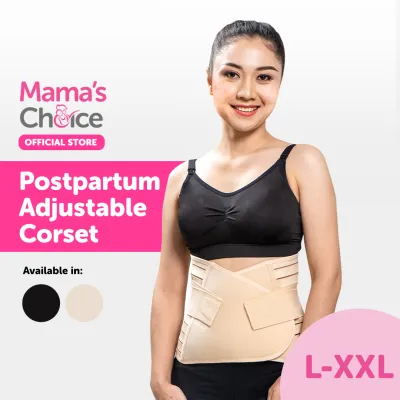
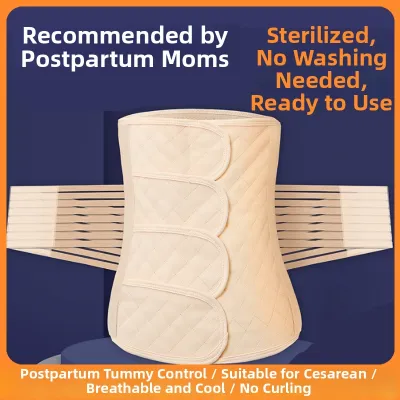
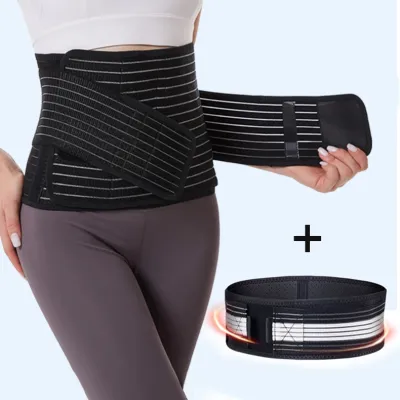
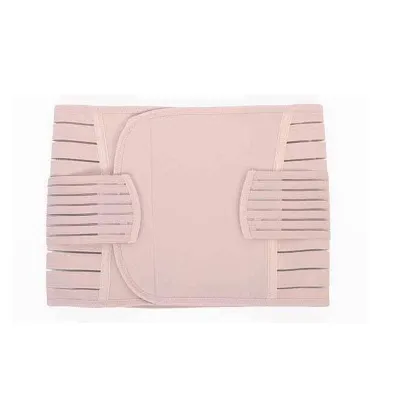
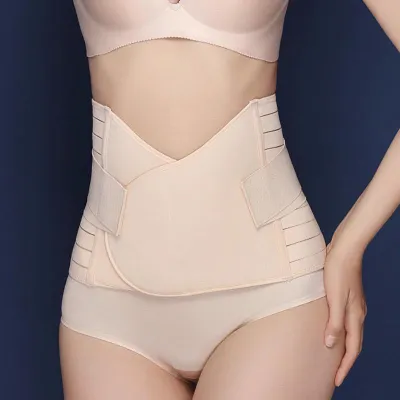
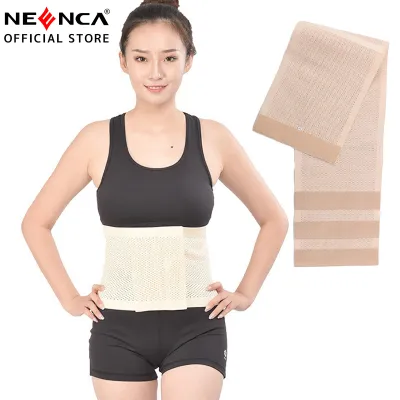
Prices are valid at publication and may change. Please refer to the product page for the latest price.
Achieving the correct balance of compression is vital for both comfort and safety. While the binder should feel snug and secure, it must never restrict your breathing, digestion, or circulation. Excessive compression can force abdominal pressure downward, potentially exacerbating pelvic floor dysfunction, or upward, limiting diaphragmatic breathing. When wearing a binder, you should be able to take deep, full breaths and sit comfortably without feeling a pinching sensation in your stomach or ribs. If you find yourself shallow breathing or feeling nauseated after eating, the compression is too high.
Before incorporating a postpartum binder into your daily routine, consulting a healthcare provider, such as your obstetrician or a pelvic floor physiotherapist, is an indispensable first step. Every postpartum recovery journey is unique, and factors such as the method of delivery, the presence of diastasis recti, or pre-existing pelvic floor conditions will influence when and how you should use a binder. A professional can provide personalized guidance on the level of support your body requires and help you establish a safe timeline for use.
Key Features to Evaluate for Extended Daily Use
When evaluating postpartum binders for extended daily wear, the design details dictate whether a garment remains comfortable over several hours or becomes a source of irritation. The closure mechanism is one of the most critical features to inspect. Most binders utilize hook-and-eye closures, zipper systems, or hook-and-loop (Velcro) fasteners. Velcro offers the highest level of adjustability, allowing you to easily tighten or loosen the binder as your body changes throughout the day. However, low-quality Velcro can have stiff, sharp edges that scratch the skin or snag clothing. Look for binders with recessed or fabric-shielded closures that prevent the fastening material from making direct contact with your skin.

Edge finishing and seam placement play a major role in preventing chafing and digging, especially when transitioning between standing and sitting. Standard binders can roll up at the bottom or dig into the ribs at the top when you sit down, creating painful pressure points. To avoid this, look for binders with soft, bound edges, flat-locked seams, or flexible, non-pinch boning that helps the garment maintain its vertical structure without cutting into your flesh. The binder should contour naturally to the curve of your waist and hips rather than forcing your body into a rigid shape.
Your body will experience natural fluctuations in bloating, fluid retention, and abdominal size throughout the day, particularly in the weeks immediately following childbirth. Consequently, a comfortable binder must feature multi-panel adjustability. Binders with a single, wide band of compression are difficult to adjust precisely, whereas designs featuring three or four independent tension straps allow you to customize the pressure across different zones of your torso. For example, you can apply firmer support across the lower pelvis while keeping the upper abdominal area looser to accommodate meals and deep breathing.
Additionally, consider how the binder behaves under your everyday clothing. A bulky binder with thick seams and prominent fasteners may limit your wardrobe choices or rub uncomfortably against your outer garments. Choosing a low-profile design with smooth outer fabrics ensures that the binder remains discreet and comfortable, allowing you to move naturally whether you are resting at home or running errands.
Managing Comfort in Singapore's Hot and Humid Climate
Wearing a compression garment in Singapore’s year-round tropical climate presents unique challenges that require careful material selection. High humidity and warm temperatures accelerate perspiration, which can quickly lead to discomfort, skin chafing, or heat rashes if moisture becomes trapped against the skin. To maintain comfort during all-day wear, prioritize binders made from highly breathable, moisture-wicking fabrics. Materials such as bamboo-derived viscose, organic cotton blends, and advanced synthetic mesh weaves are excellent choices because they allow air to circulate freely and pull sweat away from the body.
Porous weaves and open-mesh panels are particularly effective at facilitating heat dissipation. When shopping, hold the binder up to the light to inspect the weave; a visible, aerated pattern indicates better ventilation than a solid, dense fabric. Avoid binders made entirely of thick, non-porous neoprene or heavy synthetic elastics, as these materials trap body heat and create a microclimate of warm, moist air against your skin. This trapped moisture not only causes physical discomfort but also creates an environment where bacterial and fungal skin infections can thrive.
Proper skin hygiene and garment care are essential to mitigate the risks of skin irritation in a humid environment. To protect your skin, consider wearing a thin, breathable, 100% cotton camisole underneath the binder. This simple layer acts as a barrier, absorbing sweat and preventing the binder’s seams or fasteners from rubbing directly against sensitive skin or healing surgical incisions. If you experience any signs of heat rash, redness, or itching, remove the binder immediately, clean and dry the area, and allow your skin to rest.
Maintaining a strict rotation and washing routine is also vital for both hygiene and preserving the binder’s structural integrity. Because of the high humidity in Singapore, garments can take longer to air-dry, and sweat accumulation can degrade the elastic fibers over time. It is highly recommended to have at least two binders on hand so you can rotate them, allowing one to be thoroughly washed and dried while you wear the other. Always follow the manufacturer’s care instructions, which typically recommend hand washing in cool water with a mild detergent and laying the garment flat to dry in a well-ventilated, shaded area to prevent the elastic from warping or losing its supportive properties.
Building Your Shortlist: Pre-Purchase Checks and Safety Limits
Creating a shortlist of comfortable postpartum binders involves conducting systematic pre-purchase checks and establishing clear safety boundaries for daily use. The first and most critical step is obtaining accurate physical measurements of your postpartum body. Do not rely on your pre-pregnancy clothing size or your size during the third trimester, as postpartum body proportions vary widely. Use a flexible measuring tape to measure the circumference of your waist and hips at the specific points recommended by the manufacturer’s sizing chart. If your measurements fall between two sizes, it is generally safer and more comfortable to select the larger size, as an overly tight binder can cause pain and restrict recovery, whereas a slightly larger binder can usually be adjusted inward.
When evaluating potential options, carefully verify all product claims by checking the manufacturer’s labels and specifications. Look for detailed disclosures regarding material composition, checking for hypoallergenic fabrics if you have sensitive skin. Be cautious of brands that make absolute safety guarantees or claim their products can permanently alter your body shape or guarantee rapid weight loss. Genuine postpartum recovery is a gradual physiological process, and a binder is simply a supportive tool to assist your body’s natural healing, not a magic solution for body reshaping.
Knowing when to remove the binder is just as important as knowing how to wear it. You must establish strict safety limits and listen closely to your body’s signals. If you experience any red flags—such as numbness or tingling in your legs or pelvic region, a sudden increase in postpartum bleeding (lochia), pelvic floor pressure or heaviness, sharp pain, or difficulty breathing—remove the binder immediately. These symptoms indicate that the binder is either too tight, improperly positioned, or that your body is not yet ready for compression.
Finally, inspect the overall build quality of the binder before committing to a purchase. Check the stitching along the seams to ensure there are no loose threads or rough edges that could irritate your skin. Test the fasteners to ensure they hold securely under tension but can be released easily without requiring excessive physical strain. By focusing on these practical, observable details, you can select a high-quality postpartum binder that supports your recovery safely and comfortably.
Frequently Asked Questions (FAQ)
How long each day is it safe to wear a postpartum binder?
The safe duration for wearing a postpartum binder varies significantly based on your individual recovery progress, delivery method, and the specific advice of your healthcare provider. As a general guideline, many professionals recommend wearing a binder for a few hours at a time during periods of physical activity or standing, rather than continuously throughout the entire day. It is highly recommended to take regular breaks every few hours to allow your core muscles to engage naturally and prevent reliance on external support. Additionally, you should always remove the binder before going to sleep, as wearing compression garments while lying down can restrict breathing and circulation, and your body needs unrestricted rest to heal effectively.
Can I wear a postpartum binder while breastfeeding or eating?
Yes, you can wear a postpartum binder during these activities, but you must make specific adjustments to ensure comfort and safety. When eating, the stomach naturally expands to accommodate food; wearing a tight binder during meals can compress the digestive tract, leading to acid reflux, indigestion, or nausea. It is best to loosen the binder significantly or remove it entirely before meals, retightening it only after your digestion has settled. For breastfeeding, ensure the binder does not compress your chest or restrict your breathing, which can interfere with milk letdown and comfortable positioning. Adjust the binder so that it supports your lower back and pelvis, helping you maintain an upright, ergonomic posture without placing unnecessary pressure on your upper abdomen or ribcage.

Community discussion
Share your experience or ask a question. Comments are reviewed before publication.