
Finding the right breastfeeding support is a critical decision during your early parenting journey. In Singapore’s fast-paced environment, caregivers frequently seek solutions that combine physical relief with high portability. A comfortable breastfeeding arm pillow addresses this exact need by sliding directly onto your forearm, providing a plush, elevated surface that brings your baby up to the ideal feeding height. This targeted support minimizes the muscular strain of holding your infant for hours every day, making it an indispensable tool for both nursing and bottle-feeding sessions.
The most comfortable arm pillows for breastfeeding in Singapore are those that balance structural firmness with high breathability to suit the local tropical climate. Unlike traditional, bulky nursing cushions that wrap around your entire waist, an arm pillow offers a compact, highly localized support system. By choosing a model with adjustable fasteners, moisture-wicking fabrics like bamboo or organic cotton, and a resilient fill that does not collapse under your baby’s weight, you can ensure a comfortable, ergonomic feeding experience wherever you are.
The Ergonomic Benefits of Using an Arm Pillow for Nursing
The physical demands of caring for a newborn are often underestimated, particularly when it comes to the repetitive motion of feeding. As your baby grows, holding them in a fixed position for thirty to forty-five minutes at a time, multiple times a day, places immense strain on your upper body. Caregivers frequently experience acute fatigue and chronic discomfort in the neck, shoulders, upper back, and forearms—a suite of symptoms often referred to as nursing strain or repetitive motion fatigue. Without proper support, you may find yourself unconsciously hunching forward, tensing your shoulders, or bending your wrist at an unnatural angle to keep your baby stable.
Products mentioned in this guide


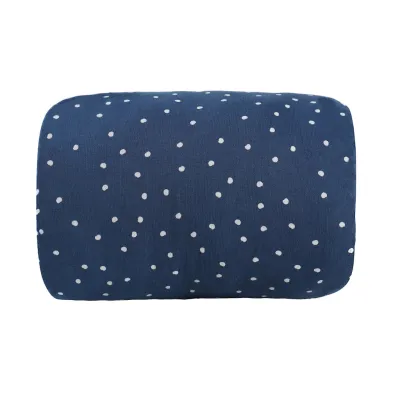
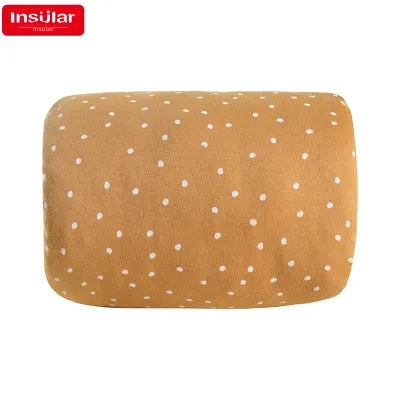
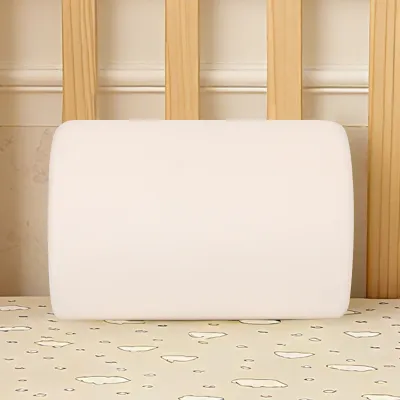


Prices are valid at publication and may change. Please refer to the product page for the latest price.
An arm pillow acts as an ergonomic bridge between your body and your baby, directly addressing these physiological pain points. By elevating your baby’s head to the level of your breast or the bottle, the pillow allows you to maintain a neutral spine. Instead of leaning down toward the baby—which strains the cervical spine and tightens the neck muscles—you can sit upright, relax your shoulders, and keep your elbows bent at a comfortable, supported angle. This optimal positioning not only prevents muscular fatigue but also facilitates a deeper, more comfortable latch, as your baby is positioned securely without their head pulling down on the breast.
It is helpful to understand how these compact cushions differ from standard, full-wrap nursing pillows that sit on your lap. Full-wrap pillows are designed to distribute a baby’s weight across your thighs and lower abdomen, which can be highly effective but often limits your mobility and requires a specific seating arrangement. They can also be cumbersome to use in narrow armchairs. In contrast, an arm pillow focuses entirely on supporting your forearm and wrist. It moves with your arm, allowing you to easily adjust your baby’s angle, transition between different chairs, or feed comfortably on the go without feeling anchored to a large, rigid cushion.
Key Comfort and Practicality Features to Evaluate
Selecting the perfect arm pillow requires a careful look at several design elements that directly impact your daily comfort and the pillow’s long-term utility. Since you will likely use this product multiple times a day, understanding the nuances of its construction will help you avoid common pitfalls such as sagging, overheating, or difficult maintenance.

Material and Fill Characteristics The core of any arm pillow is its filling, which determines how well it supports your baby’s weight over time. Memory foam is a popular choice for caregivers who prefer firm, contouring support; it molds to the shape of your arm and the baby’s head, distributing pressure evenly. However, memory foam can retain heat, which is an important consideration in warmer climates. Alternatively, microbeads offer excellent adjustability and airflow, allowing you to shift the filling to customize the height, though they may offer less structural firmness. Polyester fiberfill is a classic, lightweight option that provides a soft, cloud-like feel, but you must verify that the fiberfill is dense enough to prevent the pillow from flattening completely under pressure. Always check the manufacturer’s label to ensure the fill is hypoallergenic.
Cover Fabric and Hygiene Maintenance Hygiene is a non-negotiable factor when choosing infant feeding gear. Nursing sessions are inevitably accompanied by breast milk leaks, formula spills, drool, and spit-up. An arm pillow without a removable, machine-washable cover will quickly become a breeding ground for bacteria and unpleasant odors. Look for pillows featuring durable zippers or envelope closures that allow you to slip the outer cover off effortlessly. The fabric itself should be robust enough to withstand frequent washing cycles without shrinking, pilling, or losing its softness. Having a spare cover on hand is highly recommended so you can continue using the pillow while one cover is in the laundry.
Adjustability and Fit Mechanisms A common frustration with poorly designed arm pillows is their tendency to slip down the arm or shift out of place when the baby moves. To prevent this, look for structural features that secure the pillow firmly to your forearm. Many high-quality sleeve-style pillows utilize adjustable Velcro straps, elasticized bands, or snap closures that allow you to customize the snugness. A secure fit ensures that the pillow remains anchored in the optimal position, freeing up your hand to guide your baby’s latch or hold a burp cloth without constantly readjusting the cushion. Ensure the fastening mechanism is soft and shielded so it does not scratch your skin.
Portability and Storage Options One of the primary advantages of an arm pillow over a traditional nursing pillow is its compact footprint. If you plan to move frequently between the nursery, living room, and dining area, or if you travel often, a lightweight and highly compressible design is essential. Consider how easily the pillow can be tossed into a diaper bag or stored in the basket of a stroller. Some models come with dedicated travel loops or compact storage bags, making them excellent companions for family outings, doctor visits, or flights where space is at a premium.
Comparing Common Arm Pillow Designs for Different Feeding Styles
Not all arm pillows are shaped the same way, and the best design for you depends heavily on your preferred feeding posture, physical build, and where you typically feed your baby. Understanding the three primary structural categories will help you narrow down your choices.
Wrap-Around or Sleeve-Style Pillows
Sleeve-style arm pillows are designed to be worn directly on your forearm like a plush cuff or sleeve. Your arm slides through the center of the pillow, which instantly surrounds your wrist and forearm with a thick layer of cushioning. This design is exceptionally effective at distributing your baby’s weight evenly across your entire arm, eliminating localized pressure points on your wrist bone or elbow.
Because these pillows are worn, they stay perfectly aligned with your movements. If you need to shift your seating position, lean back, or even stand up briefly to soothe your baby, the pillow moves with you seamlessly. However, the overall comfort of a sleeve-style pillow depends heavily on the fit. If your forearm is particularly slender or robust, a non-adjustable sleeve may slip down or feel uncomfortably tight. For the best experience, look for sleeve designs that feature adjustable straps or highly elasticized fabrics that conform comfortably to your specific arm size.
Wedge or Contoured Cushions
Wedge-style arm pillows are standalone, angled cushions that are not worn on the arm but are instead placed strategically beneath it. You can position a wedge cushion on your lap, on the armrest of a glider, or on a sofa beside you to prop up your elbow and forearm. This style is highly favored by caregivers who find the sensation of wearing a sleeve too restrictive or warm.
Wedge cushions excel at providing targeted elevation without binding your arm, allowing you to slide your arm in and out of the support instantly. They are particularly useful if you already feed your baby in a dedicated nursing chair that has armrests, as the wedge fills the gap between the chair’s armrest and your elbow. The main trade-off is that because the wedge is not attached to your body, it can shift if you or your baby move actively. You may need to manually reposition the wedge throughout the feeding session to maintain the correct height and angle.
Multi-Position or Convertible Pillows
For parents seeking long-term value, multi-position or convertible arm pillows offer exceptional versatility. These designs often feature modular components, such as removable layers, folding segments, or detachable straps, allowing them to transition from an arm-worn sleeve into a flat lap cushion, a head-support pillow, or even a small prop for tummy time as your baby reaches new developmental milestones.
While the adaptability of a convertible pillow is highly appealing, it is crucial to approach these products with a safety-first mindset. Always carefully read and verify the manufacturer’s age, weight, and developmental guidelines for each specific configuration. A configuration that is safe for an older infant may pose risks for a newborn. Additionally, keep in mind that because these pillows are designed to do many things, they may occasionally compromise on the snug, specialized fit offered by a dedicated, single-purpose arm sleeve. Weigh the benefit of multi-stage utility against your immediate need for maximum arm support during the early weeks of breastfeeding.
Positioning, Adjustment, and Safety Boundaries for Safe Feeding
Using an arm pillow correctly is not just about your personal comfort; it is also vital for your baby’s safety and feeding efficiency. Implementing proper positioning techniques ensures a productive feeding session while eliminating potential hazards.
Positioning the Baby The fundamental rule of ergonomic nursing is to bring your baby to your breast, rather than bringing your breast to the baby. When preparing to feed, slide the arm pillow onto your forearm and rest your baby’s head and neck on the center of the cushion. Adjust the position of your arm so that the pillow bridges the gap between your lap and your chest, allowing your baby to reach the nipple or bottle nipple without straining. Ensure your baby’s head, neck, and spine are aligned in a straight line, and that their body is turned fully toward you (tummy-to-tummy) rather than lying flat on their back with their head turned to the side, which makes swallowing difficult.
Checking the Latch and Airway Once your baby is positioned on the pillow, conduct a quick visual and physical check. Your baby’s head should be slightly elevated above their stomach to aid digestion and prevent spit-up. Ensure that their nose is free and clear of the pillow fabric and your breast tissue, allowing them to breathe comfortably. The elevation provided by a well-adjusted arm pillow should allow for a symmetrical, deep latch where the baby takes in a large portion of the areola, minimizing air intake and reducing nipple soreness for you.
Strict Safety Boundaries While an arm pillow is an excellent feeding aid, it must never be treated as a sleep positioner or a lounging cushion. These pillows are designed strictly for supported, active feeding sessions while the caregiver is fully awake and supervising. Never allow your baby to sleep on an arm pillow, and never use the pillow to prop up a bottle for hands-free feeding, as this poses a severe choking and suffocation hazard. Additionally, never leave your baby unattended on a bed, sofa, or changing table with the pillow, as infants can easily roll or slide off.
When to Stop or Adjust Pay close attention to your body’s signals during use. If you experience any numbness, tingling, or a “pins and needles” sensation in your fingers or hand, it indicates that the pillow or its straps are restricting blood flow or compressing a nerve; stop using the pillow immediately and adjust the fit. You should also discontinue using the pillow if your baby exceeds the manufacturer’s maximum weight limit, as the cushion will no longer support the weight safely and may compress your arm excessively. If you continue to experience persistent pain, latch difficulties, or feeding discomfort despite using the pillow, consult a certified lactation consultant or your pediatrician for professional guidance.
Shopping for Nursing Pillows in Singapore: What to Check
When shopping for a breastfeeding arm pillow in Singapore, local environmental factors and retail options should heavily influence your purchasing decision. Taking the time to evaluate these specific dimensions will ensure your chosen pillow performs beautifully in your home.
In-Store vs. Online Evaluation If you prefer a hands-on approach, consider visiting physical maternity and baby boutiques in Singapore. Testing a pillow in-person allows you to assess the density of the fill, feel the texture of the cover against your skin, and try out the strap or sleeve mechanism to see if it fits your forearm comfortably. If you decide to purchase from an online marketplace or e-commerce platform, read customer reviews carefully to gauge real-world durability. Always verify the seller’s return and exchange policies before checking out, ensuring you can return the product if the fit or firmness does not meet your expectations upon delivery.
Climate Considerations Singapore’s tropical, humid climate requires careful fabric selection. During long feeding sessions, the close physical contact between your warm arm, the baby’s body, and the pillow can quickly lead to sweating and discomfort. To prevent overheating, prioritize arm pillows made with highly breathable, moisture-wicking outer fabrics. Natural fibers such as organic cotton, bamboo-derived rayon, or specialized tencel blends are excellent choices, as they allow heat to dissipate and feel cool against the skin. Avoid synthetic polyester covers that lack ventilation, as they can trap heat and cause skin irritation for both you and your baby.
Verifying Specifications Before finalizing your purchase, carefully read the product packaging or online specifications. Look for clear indications of the maximum weight capacity, as some arm pillows are designed only for the newborn stage, while others can support infants up to several months old. Check the care label to confirm that the entire cover—and ideally the inner pillow itself—is easy to wash. Finally, verify that the materials used are certified safe and free from harmful substances, giving you complete peace of mind during every feeding session.
Frequently Asked Questions (FAQ)
Can I use a regular throw pillow instead of a specialized arm pillow?
While a standard household throw pillow can provide temporary elevation in a pinch, it is not a suitable long-term replacement for a specialized arm pillow. Throw pillows generally lack the ergonomic contouring required to support an infant’s head safely, and they do not feature secure arm straps or sleeves, meaning they are highly prone to slipping and sliding mid-feed. This constant shifting forces you to tense your arm and shoulder muscles to keep the pillow in place, defeating the purpose of ergonomic support. Furthermore, regular throw pillows rarely come with easily removable, machine-washable, and hypoallergenic covers designed to withstand frequent milk spills and spit-up.
When should I stop using a breastfeeding arm pillow?
You should stop using a breastfeeding arm pillow when your baby exceeds the maximum weight or length limit specified by the manufacturer, as a heavier baby can cause the pillow to compress fully, transferring the strain back to your arm. Additionally, as babies grow and develop head and neck control—typically around four to six months of age—their feeding positions naturally become more active and upright. Once your baby can sit up with support or begins transitioning to solid foods, they will no longer require the precise, elevated cradle support that an arm pillow provides. Finally, always discontinue use immediately if you notice any wear and tear, such as frayed straps, loose seams, or exposed filling material.
Community discussion
Share your experience or ask a question. Comments are reviewed before publication.