
Finding a comfortable belly binder for daily wear in Singapore’s hot and humid climate requires a careful balance between structural support and thermal comfort. When temperatures consistently hover around 30°C and humidity levels remain high, wearing an extra layer of snug fabric around your midsection can quickly lead to trapped heat, excessive sweating, and skin irritation. Rather than simply choosing a popular brand name, the key to long-term comfort lies in understanding how different fabrics, designs, and fit mechanisms interact with your body and the local environment.
Whether you are seeking relief from the weight of a growing baby bump during pregnancy or looking for abdominal stabilization during postpartum recovery, a belly binder can offer significant physical relief. However, the effectiveness of this support garment is entirely dependent on its breathability and how well it manages moisture. By focusing on specific material properties and structural features, you can select a binder that provides the necessary physical reinforcement without causing you to overheat during your daily routine.
Identifying Your Support Needs and Usage Context
Before evaluating specific product features, it is essential to clarify why you need a belly binder and how you plan to use it throughout the day. Abdominal support garments serve different purposes depending on your stage of motherhood, and choosing the wrong type can lead to discomfort or inadequate support.
Products mentioned in this guide
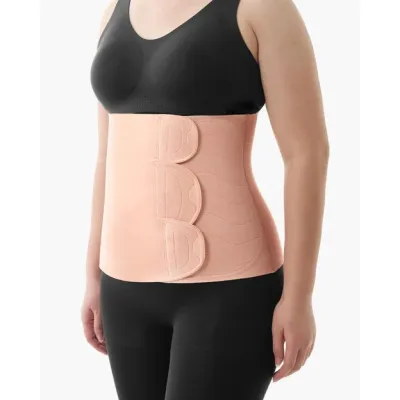
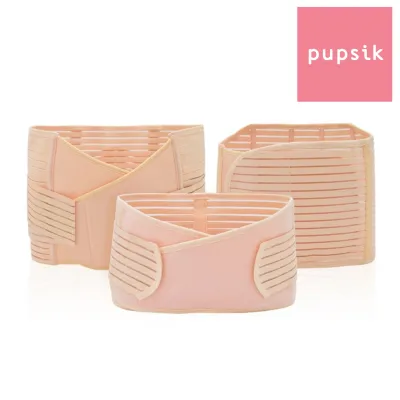
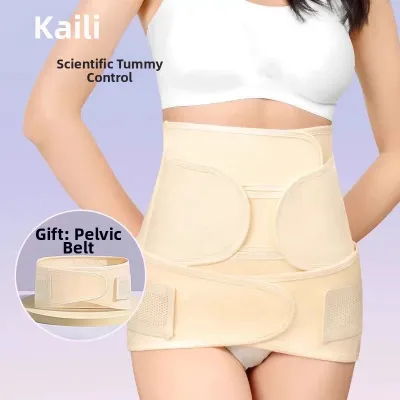
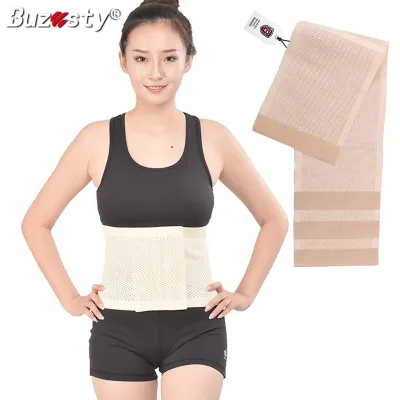
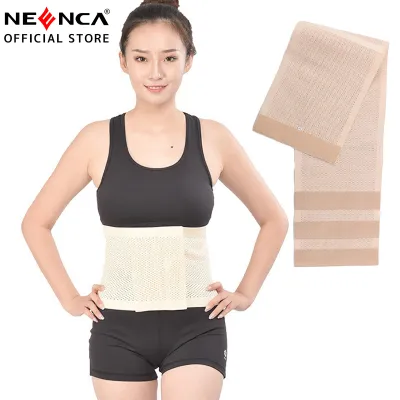
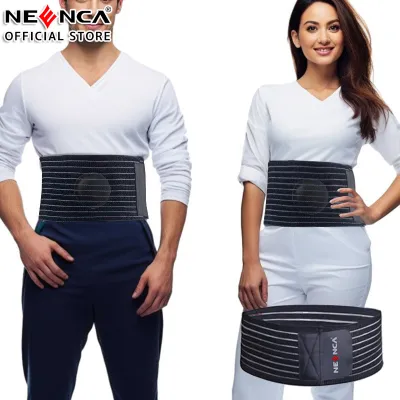
Prices are valid at publication and may change. Please refer to the product page for the latest price.
Maternity support bands, often referred to as belly bands, are designed to gently cradle the lower abdomen and redistribute the weight of the growing bump. This helps alleviate pressure on the bladder, lower back, and pelvic girdle, making daily movements more comfortable. These bands typically offer light to moderate upward support and are designed to stretch as your pregnancy progresses.
In contrast, postpartum belly binders are engineered to provide targeted compression to the abdominal wall and pelvis after childbirth. This compression supports stretched muscles, aids in the recovery of diastasis recti (abdominal separation), and offers stability to the lower back and pelvic joints as your body transitions back to its pre-pregnancy state. For those recovering from a cesarean delivery, a structured binder can also protect the incision site and reduce pain during movement.
It is crucial to note that while belly binders are highly beneficial for general comfort, certain medical conditions or high-risk pregnancies require professional guidance. If you experience severe pelvic girdle pain, pre-eclampsia, or have specific surgical considerations, always consult your obstetrician, gynecologist, or a women’s health physiotherapist before introducing a support garment to your routine.
Your daily activity level and wear duration should also dictate your choice. If you spend most of your day in an air-conditioned office, you may tolerate a slightly more structured, multi-layered binder. However, if your day involves frequent walking, commuting on public transport, or caring for other children in non-air-conditioned spaces, prioritizing lightweight, highly flexible options is vital to prevent physical restriction and heat exhaustion.
Essential Fabric and Design Features for Humid Climates
The fabric composition of a belly binder is the single most critical factor determining its comfort in a tropical climate. Standard elastic bands can trap sweat against the skin, leading to friction, chafing, and heat rashes. To avoid these issues, look for materials specifically engineered for breathability and moisture management.

Bamboo viscose is an exceptional choice for hot weather due to its natural softness, high absorbency, and excellent breathability. It feels cool against the skin and efficiently pulls moisture away from the body, reducing the damp feeling that often accompanies prolonged wear. Cotton blends are also popular for their gentle, non-irritating texture, making them ideal for sensitive skin, though they tend to retain moisture longer than synthetic performance fabrics.
For active daily wear, advanced synthetic blends—such as nylon and spandex engineered with moisture-wicking technology—offer the best of both worlds. These fabrics are designed to dry rapidly, keeping your skin dry even during humid commutes. When evaluating synthetic options, look for open-weave structures or lightweight knits that allow air to flow freely through the garment.
Beyond the raw materials, the physical construction of the binder plays a major role in preventing skin irritation. Seamless edges are highly desirable, as they eliminate bulky seams that can rub against the skin and cause chafing under tight clothing. Additionally, look for binders that incorporate mesh ventilation panels or perforated zones. These breathable sections are typically positioned over areas prone to heavy sweating, such as the lower back or the sides of the waist, allowing heat to escape continuously.
When shopping, check product labels for skin-friendly, hypoallergenic, or toxin-free certifications, such as the OEKO-TEX Standard 100. Because individual skin sensitivities vary greatly—especially when heat and sweat are involved—it is highly recommended to perform a brief patch test. Wear the new binder for 15 to 30 minutes at home to monitor how your skin reacts before committing to a full day of wear.
Comparing Belly Binder Styles for Everyday Comfort
Belly binders come in several distinct styles, each offering a different balance of support, adjustability, and ease of use. Understanding these structural differences will help you choose a style that fits seamlessly into your daily lifestyle and wardrobe.
Wrap-around binders featuring hook-and-loop closures offer the highest level of adjustability. They allow you to customize the compression level precisely to your comfort, which is particularly useful as your body shape changes postpartum or as you transition between sitting and standing. The primary drawback of this style in a hot climate is the potential for added bulk. The overlapping layers of fabric and stiff fastening panels can trap heat around your midsection and may create visible lines under thin summer clothing.
Pull-on or tube-style binders, on the other hand, provide a completely seamless and low-profile fit. They are typically made from highly elastic, lightweight fabrics that slip on over your head or feet. While they are incredibly comfortable and virtually invisible under clothing, they offer less targeted compression and cannot be adjusted throughout the day. This style is often best suited for light maternity support or mild postpartum stabilization.
Another key consideration is the coverage area of the binder. Full-torso binders extend from just below the bust down to the hips, providing comprehensive support for the entire abdominal wall and lower back. While highly supportive, the extensive coverage can feel restrictive and warm in Singapore’s climate. Alternatively, targeted lower-abdomen bands focus support solely on the pelvic region and lower bump. These narrower bands leave the upper abdomen free, significantly improving overall ventilation and freedom of movement.
When choosing a style, consider how it will interact with your daily wardrobe. If you frequently wear lightweight maternity dresses or thin fabrics, a seamless, low-profile tube binder or a thin, targeted band will be much easier to conceal and will keep you cooler than a heavy, multi-panel postpartum wrap.
Ensuring Proper Fit, Care, and Safe Usage
To get the maximum benefit from your belly binder while maintaining skin health and comfort, you must ensure proper fit, practice diligent hygiene, and recognize the physical signs that indicate when to adjust or remove the garment.
Achieving a proper fit starts with accurate measurement. Never rely on your pre-pregnancy clothing size or standard retail sizing, as maternity and postpartum bodies vary greatly. Use a flexible measuring tape to measure the widest part of your abdomen or hips, depending on the specific manufacturer’s instructions. Always compare your measurements against the brand’s official sizing chart before purchasing, and if you fall between sizes, it is generally safer to opt for the larger size to avoid excessive compression.
In Singapore’s humid environment, maintaining hygiene is paramount to prevent bacterial growth and skin infections. It is highly recommended to wash your belly binder frequently—ideally after every one to two wears if you are using it daily. Always consult the care label on your specific product for washing instructions. Most high-quality binders require hand washing in cool water with a mild, fragrance-free detergent to preserve the elasticity of the fibers. Avoid using fabric softeners, as they can coat the fibers and reduce the fabric’s moisture-wicking capabilities.
Drying your binder thoroughly is equally important. Hang the garment to air-dry in a well-ventilated, shaded area. Avoid direct sunlight or high-heat dryers unless specified by the manufacturer, as extreme heat can degrade elastic fibers over time. Ensure the binder is completely dry before wearing it again; damp fabric worn close to the body in a humid climate is a primary cause of fungal skin infections and unpleasant odors.
Finally, always listen to your body. A belly binder should feel like a supportive hug, not a restrictive vice. Watch for observable signs of a poor fit, such as the fabric digging painfully into your skin, restricted breathing, shortness of breath, numbness in your legs, or persistent skin redness and itching. If you experience any of these symptoms, loosen the binder immediately or remove it entirely. If discomfort persists, or if you are unsure about the safety of your usage, consult a qualified healthcare professional for personalized guidance.
Frequently Asked Questions (FAQ)
Can I wear a belly binder while sleeping in an air-conditioned room?
Most manufacturers recommend avoiding highly restrictive or compression-heavy belly binders while sleeping, as your body needs to rest, breathe, and maintain unrestricted circulation overnight. However, if you are sleeping in a cooled, air-conditioned room, a very light, seamless, and non-restrictive support band may be comfortable to wear if you require mild support. Always prioritize comfort, ensure the band is loose enough to allow deep breathing, and consult the product’s specific guidelines regarding overnight use.
How often should I wash my belly binder in a humid climate?
In a hot and humid climate, sweat, sebum, and dead skin cells accumulate rapidly on close-fitting garments. To maintain proper skin hygiene and prevent bacterial or fungal irritation, you should wash your belly binder after every one to two wears. Always check the care label for specific washing instructions, use a gentle detergent, and ensure the binder is completely dry in a well-ventilated area before wearing it again to prevent mildew.
Are belly binders safe to use throughout the entire pregnancy?
Maternity support bands designed specifically for pregnancy are generally safe for daily use, provided they offer gentle, upward support without compressing the abdomen. However, structured postpartum binders or medical-grade compression wraps should never be worn during pregnancy, as they can restrict blood flow and place unsafe pressure on the developing baby. Because every pregnancy is unique, always consult your obstetrician, gynecologist, or midwife to ensure a support garment is safe for your specific situation.

Community discussion
Share your experience or ask a question. Comments are reviewed before publication.