
Selecting a changing diaper mat is a foundational decision for your nursery, requiring a careful balance of surface materials, safety mechanisms, and spatial compatibility. In Singapore’s warm and humid climate, the choice of a changing mat also involves managing moisture, ensuring breathability, and fitting furniture into compact urban living spaces. A well-chosen mat provides a secure, hygienic, and comfortable platform for thousands of diaper changes, making it essential to evaluate key specifications before purchasing.
Evaluating Surface Materials and Comfort Specs
When comparing surface materials, parents generally choose between wipeable waterproof surfaces and removable fabric covers. Wipeable surfaces, often made from water-resistant plastics or treated foams, allow for immediate sanitization after a messy change, which is highly practical for busy caregivers. Fabric covers, such as those made from organic cotton or bamboo blends, offer a softer feel against an infant’s delicate skin but require regular laundering and can trap heat in humid environments.
Because your baby’s skin comes into direct contact with the mat, it is crucial to inspect product labels for material safety. Look for manufacturer declarations indicating that the mat is phthalate-free, BPA-free, and non-toxic. Since chemical regulations and certifications can vary, verify these claims directly on the packaging or the manufacturer’s official documentation rather than relying solely on retail descriptions.
Products mentioned in this guide
![[SG Seller]Disposable Sheet/baby changing pad/Underpads/maternity pad/diaper changing pad/Pet pad/diaper changing pad](https://img.lazcdn.com/g/p/98b6308018da96ec0e340934b88f4b41.png_400x400q80.png_.webp)
Prices are valid at publication and may change. Please refer to the product page for the latest price.
The physical structure of the mat also dictates both comfort and safety. Assess the foam density and thickness by pressing down on the surface; it should cushion the infant’s head and body without sinking completely to the hard surface underneath. A mat that is too soft can compromise stability, making it harder for the baby to remain securely positioned during a change.
Checking Safety Features and Stability Mechanisms
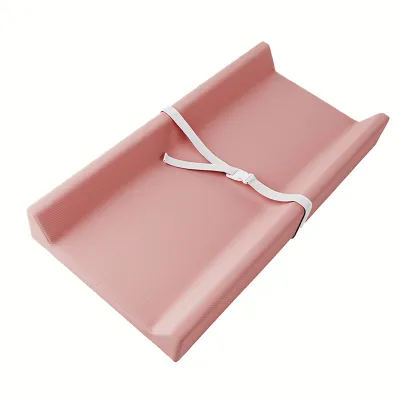
Physical safety features are paramount to prevent accidental falls and secure your baby during active changes. Contoured or raised edges are designed to gently guide the baby toward the center of the mat. When evaluating these designs, check the height of the raised sides relative to your baby’s size and developmental stage, keeping in mind that highly active or rolling infants require closer attention.

Stability depends heavily on how the mat interacts with your furniture. Evaluate the non-slip base material on the underside of the mat to ensure it provides a firm grip on your specific changing table or dresser surface. Smooth wooden or laminate surfaces may require a specialized rubberized or textured backing to prevent the mat from sliding when you apply pressure.
Many mats include safety straps and anchor points to secure the infant and attach the mat to the furniture. Inspect these straps for durable buckles and adjustable lengths, but always remember that safety straps are secondary aids. They do not replace active, hands-on caregiver supervision; never leave your baby unattended on a changing surface, even for a brief moment.
Matching Dimensions to Your Nursery Furniture
To ensure a secure setup, you must precisely match the mat’s dimensions to your nursery furniture. Before purchasing, create a checklist and measure the internal length, width, and depth of your changing table topper or dresser surface. These measurements will serve as your primary guide when comparing product specifications.
An ill-fitting mat poses significant safety risks. If the mat is too large, it can overhang the edges of the furniture, creating an unstable platform that could tip. Conversely, if the mat is too small, the resulting gaps can trap a baby’s limbs or allow the mat to slide around during use. Always verify the manufacturer’s specified fit and compare it directly with your physical measurements.
Additionally, check the weight limits and maximum load capacity printed on the product packaging. Infant changing mats are designed for specific weight ranges, and exceeding these limits can compromise the structural integrity of both the mat and the supporting furniture. Stop using the mat once your child reaches the manufacturer’s maximum weight or height limit.
Assessing Portability and Travel Needs
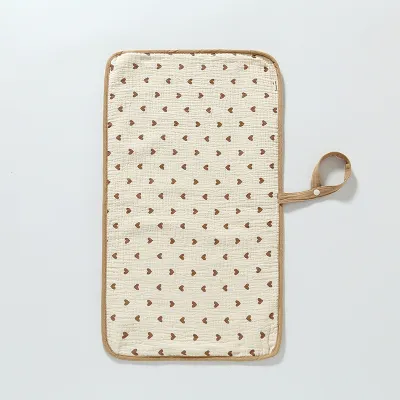
Your lifestyle and home layout will determine whether you need a fixed nursery mat, a portable option, or both. Fixed contoured mats are ideal for dedicated changing stations in the nursery, offering robust support and high safety barriers. In contrast, foldable or roll-up travel mats are designed for flexibility, allowing you to create a clean changing space when visiting family, traveling, or moving between rooms in a multi-story home.
When selecting a travel changing diaper mat, look for practical features that simplify on-the-go changes. Built-in storage pockets are highly useful for holding a few diapers, a small pack of wipes, and diaper creams. Secure closure mechanisms, such as hook-and-loop fasteners or buckles, keep the folded mat compact and prevent items from falling out during transit.
Portability also depends on size and weight. Always check the folded dimensions of a travel mat to ensure it fits comfortably inside your standard diaper bag or stroller basket. A bulky travel mat can quickly overcrowd your bag, leaving little room for other essential baby gear.
Understanding Cleaning and Care Requirements
Evaluating the long-term maintenance of a changing mat before buying can save significant time and effort. Wipe-clean surfaces require only a quick spray and wipe with a mild, baby-safe disinfectant or soapy water, making them highly efficient for daily use. Fabric covers, while cozy, must be removed and machine-washed, which means you may need to purchase multiple covers to ensure you always have a clean one available.
Always review the manufacturer’s care labels for specific cleaning instructions and chemical warnings. Some waterproof coatings can degrade if exposed to harsh alcohol-based sanitizers, bleach, or high heat. Using unapproved cleaning agents can strip the protective layers, void the warranty, or leave irritating residues that affect your baby’s skin.
If you choose a mat with a removable fabric cover, verify that the inner foam core has its own waterproof lining. Without a protective inner barrier, liquids can seep into the foam, leading to mold, mildew, and unpleasant odors that are nearly impossible to remove. This is especially critical in Singapore’s humid climate, where trapped moisture can quickly become a hygiene issue.
Frequently Asked Questions (FAQ)
Do I need a contoured changing mat or is a flat one sufficient?
Contoured changing mats feature raised sides that help keep younger, less mobile infants centered and secure during diaper changes. Flat mats, on the other hand, are often more compact, highly portable, and may be preferred for older, active babies who have outgrown the contoured barriers or prefer to sit up. Regardless of the design you choose, always follow the manufacturer’s age, weight, and developmental guidelines to ensure the mat remains safe for your child.
Can I use a changing diaper mat on a regular bed or floor?
While you can place a changing diaper mat on a regular bed or the floor, safety conditions differ significantly. Never leave a baby unattended on an elevated surface like a bed, as infants can roll unexpectedly and fall. Using a mat on the floor is generally a much safer alternative for highly active infants who are prone to rolling, provided you set up the mat in a clean, draft-free area away from hazards.

Community discussion
Share your experience or ask a question. Comments are reviewed before publication.