
When preparing for outings with your baby, managing soiled diapers, wet clothes, and damp bibs is a major practical challenge. A high-quality wet bag solves this issue by providing a secure, leakproof, and reusable containment system that fits easily into your diaper bag or clips onto your stroller. To choose the right wet bag, you should prioritize a fully waterproof inner lining, heat-sealed or taped seams, a reliable zipper closure to contain odors, and a size that matches your typical outing duration.
In a humid tropical climate like Singapore’s, where sudden downpours, regular swim outings, and sweaty clothing changes are part of daily life, a wet bag is an indispensable piece of baby gear. Selecting the right style and material ensures that dampness and odors stay safely contained, protecting your clean belongings and keeping your diaper bag hygienic. By evaluating key features such as lining durability, compartment configurations, and attachment options, you can find a wet bag that fits your family’s lifestyle.
Why a Dedicated Wet Bag is Essential for Baby Travel
Many parents initially rely on single-use plastic bags or standard zippered cosmetic pouches to store soiled baby items while on the go. However, disposable plastic bags tear easily, offer virtually no odor control, and contribute significantly to environmental waste. Standard zippered pouches, on the other hand, are typically made of water-resistant fabrics that cannot withstand saturated items, leading to moisture seeping through the fabric and dampening the rest of your diaper bag.
Products mentioned in this guide
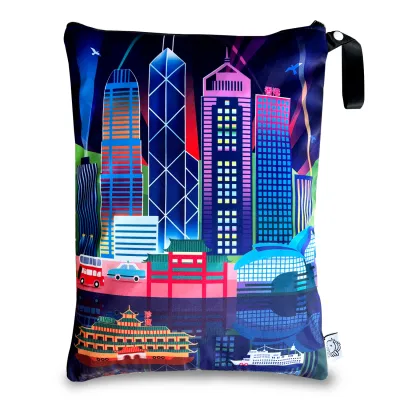
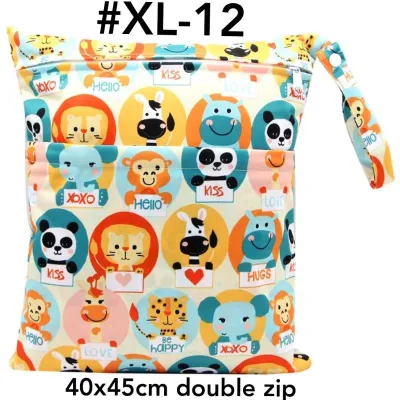
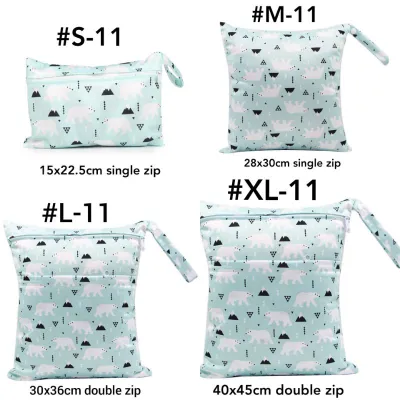
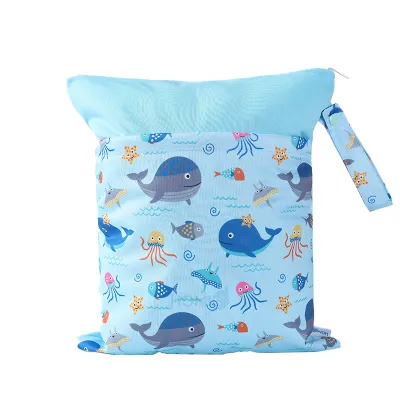
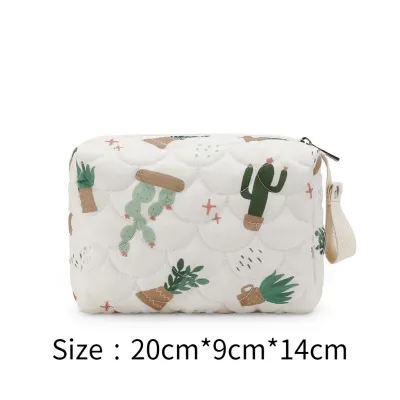
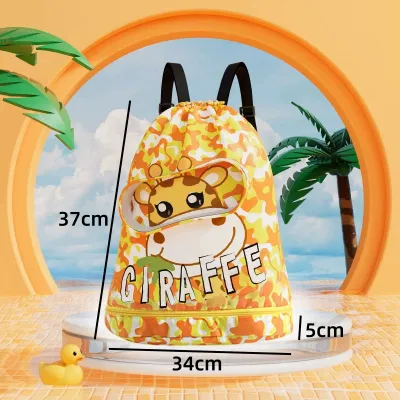
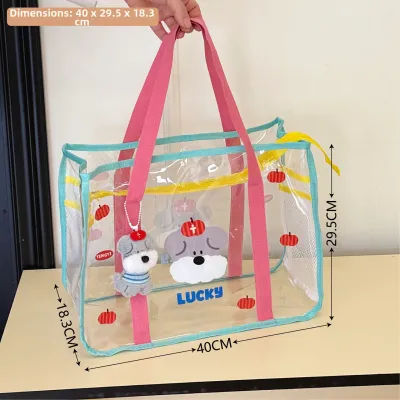
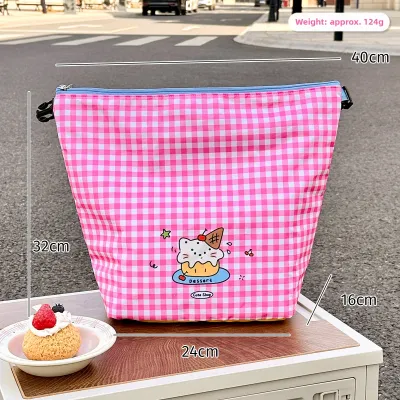
Prices are valid at publication and may change. Please refer to the product page for the latest price.
A dedicated wet bag is engineered specifically to contain moisture, manage odors, and protect your clean items from contamination. Unlike basic pouches, a true wet bag features specialized waterproof linings and sealed seams that prevent liquids from escaping. This design ensures that a soaked swimsuit, a heavily soiled cloth diaper, or a formula-stained bib can be stored safely alongside clean baby clothes, snacks, and personal items without any risk of cross-contamination.
Furthermore, wet bags are designed for repeated use and frequent washing, making them a highly cost-effective and environmentally friendly alternative to single-use plastics. Investing in a durable wet bag reduces your reliance on disposable plastics during daily outings, trips to the park, or visits to local wading pools. Understanding the structural differences between a simple water-resistant tote and a high-performance wet bag is the first step in making an informed purchase.
Core Features to Evaluate Before Buying
Not all wet bags are constructed equally, and understanding their technical specifications will help you select a product that performs reliably under pressure. When shopping for baby gear, look closely at the materials, construction methods, and closure systems used by the manufacturer.

Waterproof Materials and Linings
The most critical component of any wet bag is its inner waterproof lining. Most high-quality wet bags utilize either Polyurethane Laminate (PUL) or Thermoplastic Polyurethane (TPU) for their interior layers. PUL is a polyester fabric that has been chemically bonded to a thin waterproof membrane, while TPU is typically bonded using a heat-lamination process that some manufacturers highlight as a more eco-friendly alternative. When evaluating these materials, check the manufacturer’s specifications to verify that the lining is free from harmful chemicals such as BPA, PVC, phthalates, and lead.
It is important to distinguish between “water-resistant” outer fabrics and “waterproof” inner linings. An outer layer made of treated polyester or canvas may repel light splashes, but the bag’s ability to hold wet items without leaking depends entirely on the integrity of the inner lining and the seams. Look for bags with heat-sealed or taped seams rather than basic stitched seams, as needle holes from standard stitching can allow moisture to slowly weep through the fabric over time.
Size and Capacity Planning
Choosing the right size depends on your child’s age, your primary diapering method, and how long you plan to be away from home. Instead of relying solely on liter capacities, it is more practical to evaluate a wet bag based on the volume of baby items it can comfortably hold:
- Small Bags (approx. 20 cm x 25 cm): Ideal for holding one to two soiled diapers, a couple of wet bibs, or a single change of lightweight newborn clothes.
- Medium Bags (approx. 30 cm x 40 cm): The most versatile size for daily outings, capable of holding three to five cloth diapers, or a full change of toddler clothes along with a small towel.
- Large/Travel Bags (approx. 40 cm x 70 cm): Best suited for weekend trips, swim classes, or day-long family excursions, with enough space to store multiple heavy towels, wet swimwear, and several diaper changes.
Keep in mind that toddler diapers and training pants are significantly bulkier than newborn diapers. Additionally, if you plan to carry wet swimwear or muddy shoes from outdoor play sessions, you will need to account for that extra volume. Always measure the interior dimensions of your primary diaper bag or stroller basket to ensure your chosen wet bag will fit comfortably when fully packed.
Closure Systems and Odor Control
Effective odor containment and leak prevention rely heavily on the bag’s closure system. Zippers are the industry standard for wet bags, but their performance varies based on design and construction. Look for water-resistant zippers that feature a tight coil design or a protective fabric storm flap over the zipper teeth to prevent moisture and odors from escaping through the closure.
While snap buttons and drawstrings are occasionally used on lightweight pouches, they do not provide an airtight seal and are highly prone to leaking if the bag is compressed inside a diaper bag. If you are storing heavily soiled diapers or clothes, a secure zipper is essential. Additionally, inspect the quality of the zipper pull and tracks; because wet bags require frequent opening, closing, and washing, a flimsy zipper is often the first point of product failure.
Portability and Attachment Options
When you are managing a baby or toddler on the go, hands-free convenience is highly valuable. Look for wet bags equipped with practical attachment features, such as a snap-open handle or a built-in wristlet strap. A snap handle allows you to securely loop the wet bag around your stroller handlebar, a shopping cart, or the exterior strap of your diaper bag, keeping soiled items isolated and easily accessible.
For larger travel-sized wet bags, check for adjustable shoulder straps or backpack-style carrying options to make transporting heavy, wet gear more ergonomic. It is also wise to check the empty weight of the bag before purchasing. Lightweight polyester or nylon outer fabrics help keep your overall load as light as possible, which is especially important when navigating public transport or walking long distances.
Recommended Wet Bag Styles for Different Outing Scenarios
Matching the style of your wet bag to your specific outing scenario will prevent you from carrying unnecessary bulk while ensuring you always have adequate storage capacity.
The Stroller-Clip Mini Bag
- Best For: Quick errands, short neighborhood walks, or as a dedicated backup bag kept permanently in your car or stroller basket.
- Capacity: Typically holds one to two disposable diapers, a small travel pack of wipes, or a single soiled outfit.
- Key Features to Look For: A compact, lightweight design with a sturdy, reinforced snap handle. Look for a single-pocket layout that minimizes bulk, allowing the bag to fold down flat when empty.
- Limitations: This style is too small for full-day trips, swim outings, or storing bulky winter wear. It requires immediate emptying and washing after use to prevent odor build-up in a confined space.
The Medium Everyday Tote or Pouch
- Best For: Half-day outings, playdates at local indoor playgrounds, and standard daily diaper bag organization.
- Capacity: Easily accommodates three to five diapers, a travel wipe container, and a spare change of baby clothes.
- Key Features to Look For: A dual-pocket "wet/dry" design. These bags feature two separate compartments: a waterproof, lined pocket for soiled items and a dry mesh or fabric pocket on the front for clean diapers, wipes, or diaper creams. This dual-pocket system allows you to carry everything you need for a diaper change in one organized pouch.
- Limitations: Can become heavy and bulky if overfilled, which may make it difficult to slide into a compact diaper bag. It is also generally too small to hold large beach towels or multiple wet swimsuits.
The High-Capacity Travel Duffel or Backpack
- Best For: Full-day family trips, swimming lessons, beach days, or families managing diapers and spare clothes for multiple young children.
- Capacity: Designed to hold a full day's supply of diapers, multiple changes of clothes, wet swim gear, and compact microfiber towels.
- Key Features to Look For: Heavy-duty reinforced seams, double-lined waterproof interiors, and robust carry straps or backpack harnesses. Look for models that feature external mesh pockets for water bottles or damp items that need immediate ventilation.
- Limitations: Takes up a significant amount of space in your main luggage or stroller basket. If overstuffed with heavy, wet towels, the tension can strain the zipper and compromise the waterproof seal, so careful packing is required.
Best Practices for Using and Maintaining Your Wet Bag
To ensure your wet bag remains hygienic, odor-free, and completely waterproof over years of use, proper care and maintenance are essential.
Daily Usage Tips
When using a dual-pocket wet/dry bag, always place clean, dry items in the designated dry pocket first. Before placing soiled clothing or diapers into the waterproof compartment, scrape off any solid waste into a toilet and roll or fold the items tightly to minimize the spread of moisture and odors. Avoid placing dripping wet items directly into the bag; squeeze out excess water beforehand to prevent liquid from pooling at the bottom, which can put unnecessary pressure on the seams.
Washing Guidelines
Always check and follow the specific manufacturer’s care label before washing your wet bag. As a general rule, wet bags can be machine washed alongside your regular baby laundry or cloth diapers. Use cold or warm water (typically under 40 degrees Celsius) and a mild, residue-free detergent. Avoid using chlorine bleach, fabric softeners, or vinegar, as these harsh additives can break down the waterproof TPU or PUL lining and degrade the adhesive used to seal the seams.
Drying and Storage
Air-drying is the safest and most effective method to preserve the lifespan of your wet bag’s waterproof lining. Hang the bag inside out in a well-ventilated area away from direct, intense sunlight, as extreme heat and UV rays can cause the lining to crack, peel, or delaminate. If the manufacturer’s instructions explicitly permit machine drying, use only a low-heat or air-fluff setting to protect the delicate waterproof membrane.
Hygiene and Replacement Checks
In humid environments, leaving damp items sealed inside a wet bag for extended periods can quickly lead to mold and mildew growth. Empty your wet bag as soon as you return home from an outing, and wash it promptly. Periodically inspect the interior lining for signs of wear, such as cracking, peeling, or a sticky texture, which indicate that the waterproof barrier has degraded. If the bag begins to leak moisture, retains a persistent musty odor even after a thorough wash, or shows signs of mold that cannot be removed, it is time to replace it to maintain a hygienic environment for your baby’s gear.
Common Mistakes to Avoid When Selecting a Wet Bag
To avoid buyer’s remorse, keep these frequent purchasing mistakes in mind when shopping for a wet bag:
- Underestimating Future Size Needs: Many parents purchase a small wet bag suitable for tiny newborn diapers, only to find it completely inadequate once their child grows into bulky toddler clothing, training pants, and larger swim diapers.
- Choosing Dark Interior Linings: While dark-colored outer prints are excellent for hiding external dirt, a dark interior lining (such as black or deep navy) makes it highly difficult to spot stains, left-behind items, or early signs of mold growth. Opt for bags with white, grey, or light-colored interior linings for better visibility.
- Prioritizing Aesthetics Over Construction Quality: It is easy to be drawn to cute patterns and trendy prints, but a wet bag must perform its primary function reliably. Never sacrifice critical features like heat-sealed seams, durable water-resistant zippers, and certified safe materials for a specific aesthetic design.
- Assuming a Universal Fit: Failing to measure your primary diaper bag, backpack, or stroller storage basket before purchasing can result in a wet bag that is too long or bulky to carry comfortably. Always verify the dimensions to ensure seamless integration with your existing travel gear.
Frequently Asked Questions (FAQ)
Can I just use regular plastic bags instead of a reusable wet bag?
While regular plastic bags are a cheap and easily accessible option, they are highly prone to tearing, which can lead to leaks and ruin other items in your diaper bag. They also offer poor odor containment, meaning unpleasant smells can easily escape during your outing. From an environmental standpoint, single-use plastic bags generate significant waste. Reusable wet bags provide a durable, leakproof, and washable alternative that safely contains both liquids and odors while reducing your environmental footprint.
How many wet bags should I pack for a full day out?
For a full day out, packing two wet bags is highly recommended. You can use one medium-sized dual-pocket wet bag to manage your diapering essentials, keeping clean diapers in the dry pocket and soiled ones in the wet pocket. A second, smaller wet bag is highly useful for isolating soiled bibs, damp washcloths, or clothes stained by food or spit-up. Having separate bags prevents diaper odors from transferring to soiled clothing and keeps your gear organized.
Will a wet bag completely eliminate diaper odors?
High-quality wet bags with airtight zipper closures and sealed seams are exceptionally effective at containing and minimizing odors while you are on the go. However, no bag can permanently eliminate odors if soiled items are left inside for extended periods. To prevent odors from permeating the fabric permanently, always empty and wash your wet bag as soon as you return home from your outing.
Community discussion
Share your experience or ask a question. Comments are reviewed before publication.