
Tracking your baby’s growth at home provides peace of mind and valuable data between pediatric visits. When selecting a baby weighing scale, the most critical features to prioritize are high-precision measurement increments, a reliable tare function, and robust physical safety designs like a curved, non-slip tray. While smart connectivity and app integration offer modern convenience, the core value of any infant scale lies in its ability to deliver consistent, safe, and highly accurate readings on a stable platform. By focusing on these fundamental specifications, caregivers can confidently monitor their infant’s development and ensure their peace of mind.
Essential Specs for Accurate and Safe Weighing
To ensure you obtain reliable measurements, you must look closely at the technical specifications provided by the manufacturer. Standard adult scales are designed to measure larger weights and typically display increments of 100 grams or more. For a newborn, whose daily weight fluctuations are measured in tiny amounts, such coarse measurements are practically useless. A dedicated baby weighing scale should offer a high level of precision, with measurement increments of 5 grams or 10 grams (approximately 0.1 to 0.2 ounces). This level of detail allows you to track subtle changes in growth, which is particularly important during the first few weeks of life or when monitoring feeding progress.
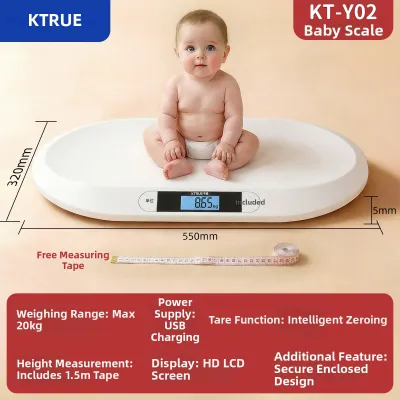
Maximum weight capacity is another critical specification that determines the longevity of the device. Most dedicated infant scales support a maximum weight of up to 20 kilograms. This capacity is generally sufficient to carry a child from infancy through their toddler years. Some versatile models feature a convertible design where the infant tray can be detached, transforming the unit into a low-profile standing scale for older children. Checking the manufacturer’s weight limits on the packaging ensures you select a model that aligns with your long-term tracking goals.
Products mentioned in this guide
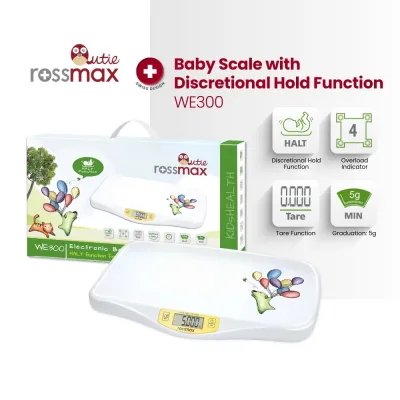
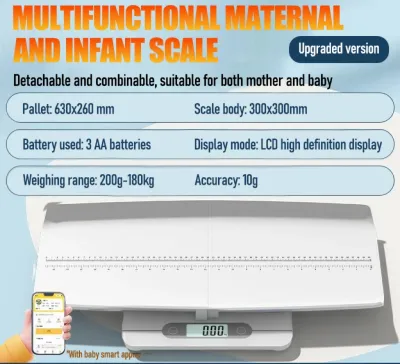
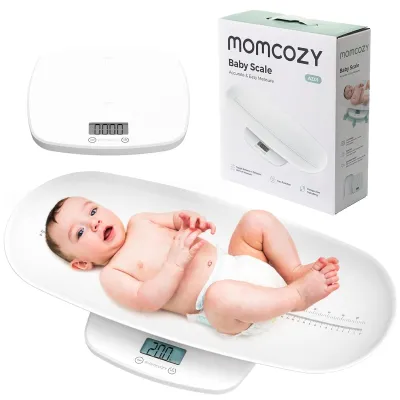
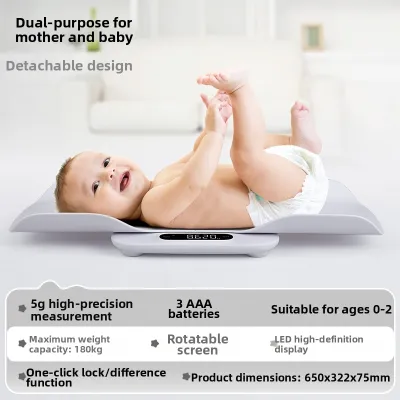
Prices are valid at publication and may change. Please refer to the product page for the latest price.
A reliable tare function is an indispensable feature for any home baby scale. This function allows you to subtract the weight of external items, such as a dry diaper, a swaddle, or a warm blanket, from the total reading. To use it, you simply place the blanket or diaper on the scale, press the tare button to reset the display to zero, and then place your baby on top. This ensures you obtain an accurate measurement of your baby’s actual body weight without exposing their sensitive skin to a cold plastic tray or compromising their comfort during the process.
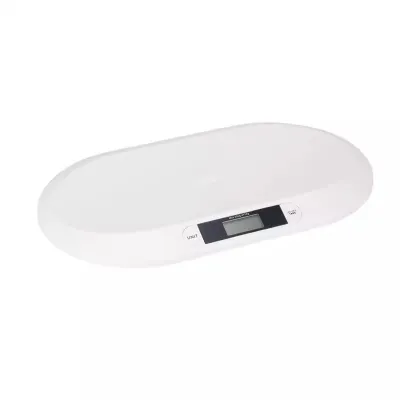
Physical safety must always be at the forefront of your selection process. The weighing tray should feature a deeply curved, ergonomic design with raised edges to prevent your baby from rolling or sliding off the sides. The surface material should be smooth yet non-slip, allowing you to lay down a thin cloth without the risk of it sliding around. Additionally, inspect the underside of the scale to ensure it is equipped with sturdy, rubberized non-slip feet that prevent the entire unit from shifting on a countertop or table. If the scale features a detachable tray, verify that the locking mechanism is robust and secure.
Smart vs. Traditional Scales: Choosing Your Tracking Method
Modern baby scales generally fall into two categories: smart, connected devices and traditional digital models. Smart scales utilize Bluetooth or Wi-Fi connectivity to pair with a companion smartphone application. Every time you weigh your baby, the data is automatically transmitted to the app, which logs the history, plots growth curves, and sometimes integrates with other baby tracking metrics like feeding and sleep schedules. This automated logging is highly convenient for parents who prefer digital records and want to share growth charts easily with healthcare providers.

However, smart scales come with specific considerations regarding data privacy and software dependency. Because these devices transmit personal growth data, it is important to review the manufacturer’s privacy policy to understand how the data is stored, whether it is uploaded to external cloud servers, and who has access to it. Additionally, app-connected devices are dependent on ongoing software updates; if the manufacturer stops supporting the application, some of the scale’s advanced tracking features may become obsolete.
For caregivers who prefer a simpler approach, traditional digital scales with built-in memory functions offer an excellent alternative. These models do not require a smartphone or an internet connection to function. Instead, they feature an internal memory chip that stores a limited number of previous readings directly on the device. Some traditional scales even allow you to set up multiple user profiles, which is incredibly useful for tracking twins or siblings of different ages without mixing up their growth data.
A simple, non-connected digital scale is often more than sufficient for routine home monitoring. It eliminates the frustration of pairing issues, requires no app downloads, and typically boasts a longer battery life. If your primary goal is to perform occasional, straightforward checks to ensure your baby is growing steadily between pediatric appointments, a traditional scale provides a reliable, cost-effective, and highly private solution.
Design and Usability Features for Daily Convenience
Because babies are naturally active and rarely remain completely still, usability features play a major role in how easily you can capture an accurate reading. A large, high-contrast LCD screen with a bright backlight is essential for clear readability. This ensures you can easily read the numbers in various lighting conditions, whether you are conducting a quick weigh-in during a dimly lit night feed or in a bright room. The display digits should be large enough to read clearly from a standing position while you keep your hands safely hovered over your baby.
Power source options also impact daily convenience. Most home baby scales operate on standard alkaline batteries, while some newer models offer USB rechargeability. Regardless of the power source, an auto-shutoff feature is highly desirable. This function automatically powers down the scale after a short period of inactivity, conserving battery life when you inevitably have to rush off to attend to a crying or fussy baby. Check the product specifications to ensure the auto-shutoff delay is long enough to let you settle your baby on the tray before the screen goes blank.
Portability and storage footprint are crucial considerations, especially in homes where space is limited. A slim, lightweight scale can be easily stored under a crib, inside a closet, or in a drawer when not in use. If you plan to travel with the scale or move it frequently between rooms, look for models with integrated handles or a detachable tray that allows the unit to be packed away compactly. However, always ensure that any detachable parts lock back into place with absolute stability before each use.
Material hygiene is another practical factor to evaluate. Spills, spit-up, and unexpected diaper leaks are common occurrences during baby care routines. The weighing tray should be constructed from high-quality, BPA-free plastic or another non-porous material that is easy to clean and sanitize. Avoid designs with deep crevices, intricate patterns, or textured surfaces that can trap dirt, moisture, and bacteria. A smooth, seamless tray can be quickly wiped down with a damp cloth and mild soap after each session, maintaining a hygienic environment for your infant.
How to Verify Safety Standards Before You Buy
Before finalizing your purchase, it is vital to verify that the baby scale meets recognized safety and quality standards. Look for official safety marks on the product packaging, user manual, or online product listings. These marks indicate that the device has undergone testing to ensure it complies with electrical safety standards and is free from hazardous materials. While shopping on online marketplaces, take the time to read the product descriptions carefully to confirm these verifications are present.
Always read and adhere to the manufacturer’s specified guidelines regarding age, weight, and developmental stages. Some scales are designed exclusively for infants who lie flat, while others are built to accommodate babies who can sit up independently. Using a scale that is not rated for your baby’s current developmental stage can lead to instability and increase the risk of falls. Never exceed the maximum weight limit specified by the manufacturer, as this can damage the internal sensors and compromise the physical stability of the tray.
Pay close attention to the warning labels and safety instructions provided with the device. A safe product will clearly state that the scale must always be placed on a low, stable surface and must never be used as a changing table or a sleep surface. Caregiver supervision must be constant and absolute during use. Never leave your baby unattended on the scale, even for a fraction of a second, and always keep at least one hand hovering closely over your baby to prevent any sudden rolls or falls.
It is highly recommended to avoid modified, unbranded, or second-hand scales that lack their original packaging, safety documentation, and user manuals. Pre-loved scales may have worn-out weight sensors, hairline structural cracks, or missing non-slip feet that compromise their safety and accuracy. If you must use a pre-loved scale, thoroughly inspect the unit for any signs of damage, verify that the model has not been subject to any safety recalls, and test its accuracy with a known, calibrated weight before placing your baby on it.
Setting Up Your Scale and Knowing When to Consult a Doctor
To achieve consistent and accurate readings at home, proper setup is just as important as the quality of the scale itself. The scale must always be placed on a hard, flat, and level surface, such as a sturdy wooden table, a kitchen countertop, or a tiled floor. Placing the scale on a carpet, rug, or slightly uneven surface will cushion the weight sensors, leading to highly inaccurate or artificially low readings. Ensure that all four feet of the scale are in solid, even contact with the surface before turning the device on.
Establishing a consistent weighing routine is key to tracking meaningful growth trends. Infant weight fluctuates naturally throughout the day based on feeding times, bowel movements, and hydration levels. To minimize these variables, try to weigh your baby at the same time of day—ideally in the morning, after their first diaper change but before their first feed. Weighing your baby completely naked, or wearing only a clean, dry diaper of the same brand each time, will provide the most consistent data points for your records.
While home tracking is a helpful tool, it is important to understand how to interpret the data. Minor differences in calibration between your home scale and the professional scale at your pediatrician’s clinic are completely normal. Do not be alarmed if your home readings do not perfectly align with the clinic’s measurements. Instead of focusing on individual daily numbers, look at the overall growth trend over several weeks. If you notice a sudden, unexplained drop in weight or a prolonged plateau, record these numbers to discuss with your healthcare provider.
Home monitoring should never replace professional medical care. You should stop home weighing and consult your pediatrician or a qualified healthcare professional immediately if you observe signs of poor feeding, lethargy, a dry mouth, or fewer wet diapers, which can indicate dehydration. If you have any concerns about your baby’s growth, development, or general health, always seek professional medical advice rather than relying solely on home device readings to make health-related decisions.
Frequently Asked Questions (FAQ)
Can I use a regular adult bathroom scale to weigh my baby?
Using a standard adult bathroom scale is not recommended for tracking an infant’s growth. Adult scales are designed for much larger weights and typically measure in increments of 100 grams or more, which lack the precision required to detect the subtle weight changes of a newborn. While some parents attempt the subtraction method—weighing themselves while holding the baby and then subtracting their own weight—this method is highly inaccurate and cannot reliably track infant growth. Always use a dedicated baby scale equipped with high-precision sensors and a secure, supportive tray designed specifically for infants.
How often should I weigh my baby at home?
Unless your pediatrician or a lactation consultant has recommended a specific monitoring schedule, there is generally no need to weigh your baby every day. Daily weighing can lead to unnecessary parental anxiety, as infant weight naturally fluctuates due to feeding, digestion, and hydration cycles. For most healthy, thriving infants, weekly or bi-weekly measurements are more than sufficient to monitor steady growth trends. If your baby was born prematurely, has an underlying health condition, or is recovering from an illness, follow the precise weighing schedule advised by your healthcare provider.
What should I do if the scale displays an error message or inconsistent numbers?
If your scale displays an error message or provides inconsistent readings, start by checking the power source. Low battery power is a common cause of sensor malfunction; try replacing the batteries or fully charging the device. Next, ensure the scale is resting on a completely flat, hard surface and that all four feet are making solid contact. Verify that the tare function was used correctly and that there are no drafts or vibrations in the room, as sensitive load cells can detect air movement or surface vibrations. If the issue persists, consult the manufacturer’s troubleshooting guide.
Community discussion
Share your experience or ask a question. Comments are reviewed before publication.