
To choose a baby shower cap that fits securely and keeps water out of your baby’s eyes, you must prioritize three essential factors: precise adjustability, a soft and flexible edge seal, and an accurate measurement of your baby’s head circumference. Bath time should be a soothing, bonding experience, but the sudden splash of soapy water into a baby’s eyes or ears can quickly turn it into a stressful ordeal. A well-designed shower cap acts as a protective visor, channeling water away from the face while allowing you to wash their hair comfortably.
However, finding the right cap requires looking past cute cartoon designs and focusing on structural integrity. A cap that is too loose will slip down, letting water leak through, while one that is too tight can cause painful pressure marks and distress. By understanding how different materials, fastening mechanisms, and design styles interact with your baby’s unique head shape, you can select a reliable tool that ensures a tear-free, safe, and comfortable bath.
Why Fit and Seal Matter for Baby Bath Safety
The primary purpose of a baby shower cap is to create a reliable barrier against water and shampoo. When water flows freely over a baby’s face, it can cause immediate discomfort, leading to a fear of bathing that can persist for months. More importantly, keeping soapy water out of a baby’s eyes prevents chemical irritation from surfactants, even when using mild formulas. Additionally, preventing water from pooling inside the ear canals is crucial, as trapped moisture can create an environment prone to irritation.
Products mentioned in this guide
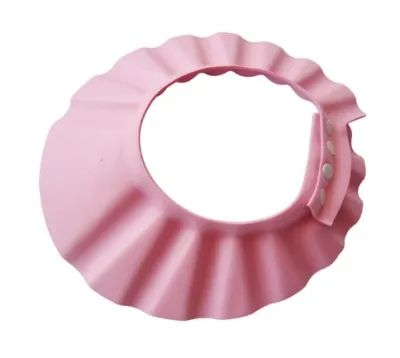

![[SG STOCK] Adjustable Baby Shampoo Bath Shower Cap Hat For Babies Kids and Children Wash Hair Shield Face](https://img.lazcdn.com/g/p/e04506701bf872b31da4074345285ca5.jpg_400x400q80.jpg_.webp)
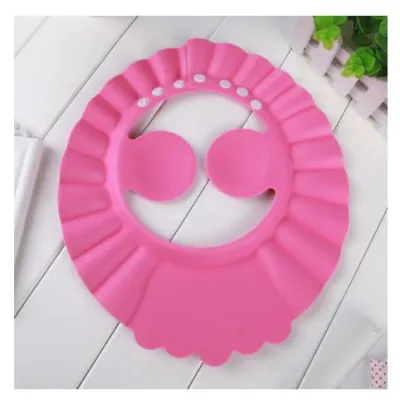


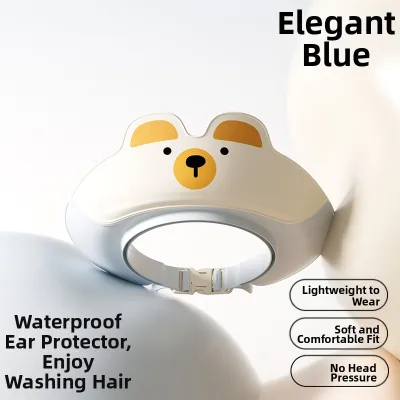
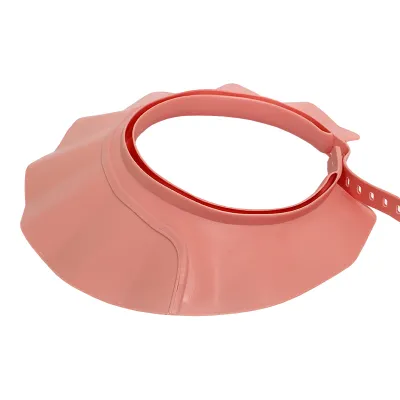
Prices are valid at publication and may change. Please refer to the product page for the latest price.
Achieving this protection depends entirely on the quality of the seal and the security of the fit. If a shower cap is too loose, the weight of the running water will easily push the brim downward, causing the seal to fail and water to flood the baby’s face. Conversely, a cap that fits too tightly can compress the delicate blood vessels around the baby’s forehead and temples. This not only leaves deep, red indentations but also causes physical discomfort that makes the baby associate the cap—and bath time itself—with pain.
A secure, properly fitted cap reduces bath-time anxiety for both the caregiver and the baby. When you are confident that the cap will not slip or leak, you can use both hands to wash and rinse your baby’s hair efficiently, rather than constantly adjusting a failing visor. For the baby, feeling secure and dry builds confidence in the water, transforming a potentially chaotic routine into a calm, predictable, and enjoyable sensory experience.
Key Features to Evaluate Before Buying
Selecting the right baby shower cap involves evaluating specific structural features rather than relying on aesthetic appeal. While bright colors and playful shapes can help familiarize your baby with the cap, they do not contribute to its functionality. To find a cap that performs consistently, caregivers must examine the adjustability mechanisms, the safety of the materials, and the physical design of the edge seal.

Adjustability and Sizing Mechanisms
Babies grow rapidly, and their head circumferences change significantly during their first few years. A fixed-size shower cap offers very little longevity and rarely provides a perfect seal, as it cannot adapt to these developmental changes. Therefore, choosing a cap with an adjustable sizing mechanism is highly recommended to ensure a customized fit over time.
Common adjustment mechanisms include snap buttons, hook-and-loop fasteners, and elastic bands. Snap buttons are highly durable and secure, preventing the baby from easily pulling the cap off, though they offer discrete sizing increments rather than a continuous range. Hook-and-loop fasteners allow for highly precise, micro-adjustments to match the exact circumference of the head, but they can sometimes catch on fine baby hair or lose stickiness over time if exposed to lint and soap residue. Elastic bands provide a snug, automatic fit but must be checked regularly to ensure they do not exert excessive pressure.
Before purchasing, always check the manufacturer’s stated head circumference range and age recommendations printed on the product packaging. Do not rely solely on age labels, as head sizes vary widely among infants of the same age. Furthermore, consider how easy the mechanism is to operate. As a caregiver, you will often have only one hand free while supporting your baby in the tub, so the adjustment system should be straightforward to tighten, loosen, or fasten without requiring complex two-handed maneuvers.
Material and Edge Seal Design
The materials used in a baby shower cap directly impact both safety and comfort. Because the cap sits in direct contact with your baby’s skin in a warm, wet environment, it is essential to verify material safety claims on the packaging. Look for caps made from non-toxic, BPA-free, phthalate-free, and lead-free materials. Common options include high-quality ethylene-vinyl acetate (EVA) foam, soft food-grade silicone, or fabric-lined waterproof foams.
The inner edge of the cap—the part that directly contacts the forehead and temples—must be exceptionally soft and flexible. A rigid plastic edge will fail to conform to the natural curves of the baby’s head, leaving gaps where water can seep through, or digging painfully into the skin. A high-quality silicone or soft EVA edge acts like a gasket, gently compressing against the skin to create a watertight seal without requiring high tension.
Additionally, evaluate the design of the outer brim or visor. The brim should be wide and angled slightly upward or outward to channel water away from the face and ears, directing it toward the sides and back. A flimsy brim will collapse under the weight of pouring water, defeating the purpose of the cap. Look for reinforced ribs or a sturdy structural design on the visor that maintains its shape even when hit by a direct stream of water from a rinse cup.
How to Measure and Ensure a Secure Fit
To guarantee that a shower cap will perform effectively, you must start with an accurate measurement of your baby’s head. Do not guess the size or rely on clothing sizes, as head growth patterns are highly individual. Use a soft, flexible measuring tape to find the correct circumference. Gently wrap the tape around the widest part of your baby’s head, positioning it just above the eyebrows in the front, above the ears on the sides, and around the prominent curve at the back of the skull. Write down this measurement in centimeters to compare directly against the product specifications.
Once you have selected a cap based on these measurements, use the following checklist to verify a secure, safe fit before turning on the water:
- Positioning: Place the cap so that the inner band sits comfortably above the eyebrows and ears, keeping the eyes completely clear.
- Seal Check: Gently run your finger along the entire inner edge of the cap to ensure there are no gaps, especially around the temples and the back of the neck.
- Stability: Give the brim a very light tug; the cap should remain firmly in place without sliding down or shifting backward.
- Comfort: Observe your baby's expression; they should be able to blink, turn their head, and express comfort without restriction.
Caregivers must remain vigilant and recognize clear stopping conditions during use. Remove the shower cap immediately if you notice your baby crying, showing signs of distress, or trying to pull the cap off repeatedly. Furthermore, if you observe deep red indentations or marks on your baby’s forehead or temples after removing the cap, it is too tight. Discontinue use of that specific setting or model, and re-evaluate the sizing to prevent skin irritation or localized pressure discomfort.
Comparing Common Baby Shower Cap Designs
Baby shower caps generally fall into two primary design categories: visor-style caps and full-coverage caps. Visor-style caps feature an open-top design with a wide, halo-like brim that encircles the head, leaving the crown of the head completely exposed. Full-coverage caps, on the other hand, resemble a traditional shower cap with an enclosed top, but feature an integrated protective brim or visor around the edge.
Each design presents distinct trade-offs in terms of ventilation, ease of use, and washing efficiency. Visor-style caps are highly favored for their excellent ventilation, as the open top prevents heat from trapping around the baby’s head, which is particularly beneficial in warm climates. They also make washing and rinsing the hair on the crown of the head incredibly easy, as you have direct access to the hair while the face remains protected. However, they require careful positioning to ensure water does not splash over the top edge if you pour water too quickly.
Full-coverage caps provide comprehensive protection from splashes coming from all angles, making them useful for older, highly active toddlers who splash vigorously in the tub. However, they can trap heat, are more challenging to put on a reluctant baby, and make washing the hair underneath the cap more difficult, often requiring you to remove the cap to finish the wash.
The table below summarizes the key differences between these two common designs to help you determine which option best suits your bathing routine:
| Design Feature | Visor-Style (Open Top) | Full-Coverage (Enclosed Top) |
|---|---|---|
| Ventilation | Excellent; keeps the head cool | Limited; can trap heat and moisture |
| Ease of Use | High; easy to slip on and adjust | Moderate; requires tucking hair inside |
| Hair Washing Access | Direct access to the crown and back | Restricted; requires lifting or removal |
| Water Protection | Front and side runoff protection | 360-degree splash and spray barrier |
| Best Use Case | Quick rinses and routine hair washing | Active toddlers who splash vigorously |
Practical Tips for a Stress-Free Bathing Routine
Introducing a new accessory during bath time can sometimes startle a baby. To ensure a smooth transition, use gradual introduction techniques outside of the bathroom. Let your baby hold, touch, and play with the shower cap in a dry, familiar environment, such as the living room. You can place the cap on a favorite stuffed animal or wear it yourself to show them that it is safe and non-threatening. Allowing them to wear it for short, dry play sessions before their actual bath helps normalize the sensation of having the band around their head.
Maintaining the shower cap properly is essential for hygiene and product longevity, especially in humid environments like Singapore. After every bath, rinse the cap thoroughly with clean, warm water to remove all soap, shampoo, and conditioner residue. Gently shake off excess water and wipe it down with a clean towel. Always hang or place the cap in a well-ventilated area to air-dry completely before storing it away. Trapped moisture in a humid bathroom can quickly lead to mold and mildew growth, which poses a hygiene risk to your baby’s skin.
Regularly inspect the shower cap before each use. Look closely for signs of material degradation, such as cracking, tearing, or a loss of elasticity in the band. If the adjustment snaps become loose, the hook-and-loop fastener fails to grip securely, or the material shows any signs of mold that cannot be cleaned, replace the cap immediately to maintain a safe and hygienic bathing environment.
Frequently Asked Questions (FAQ)
At what age can a baby start using a shower cap?
A baby’s readiness to use a shower cap depends more on their physical development, head size, and neck control than a specific age milestone. Most manufacturers design these caps for infants who can sit up steadily with minimal support, which often occurs around six months of age. Always check the manufacturer’s minimum head circumference and weight guidelines printed on the product label before use. Regardless of whether a shower cap is worn, caregivers must always maintain close supervision and support the baby’s head and neck during bath time to ensure safety.
How do I clean and store the shower cap to prevent mold?
To prevent mold and mildew, rinse the shower cap with clean, fresh water after every single use to remove soap scum. Dry it thoroughly with a clean towel, then hang it to air-dry completely in a well-ventilated area outside of the damp shower enclosure. Avoid using harsh chemical cleaners, bleach, or abrasive scrubbing pads, as these can degrade the soft materials, weaken the seals, and leave chemical residues that could irritate your baby’s sensitive skin.
Community discussion
Share your experience or ask a question. Comments are reviewed before publication.