
Selecting a baby playmat for outdoor adventures and travel requires balancing comfort, safety, and convenience. The ideal outdoor mat must be highly portable, water-resistant, easy to clean, and constructed from verified non-toxic materials. By focusing on these core features, caregivers can ensure a clean, cushioned space for their little ones to play, whether at a local park, the beach, or during overseas family trips.
Portability and Packing: Matching the Mat to Your Travel Routine
When traveling with a baby, every centimeter of packing space matters. Caregivers must evaluate how a baby playmat folds, packs, and carries to ensure it fits seamlessly into their daily travel routine.
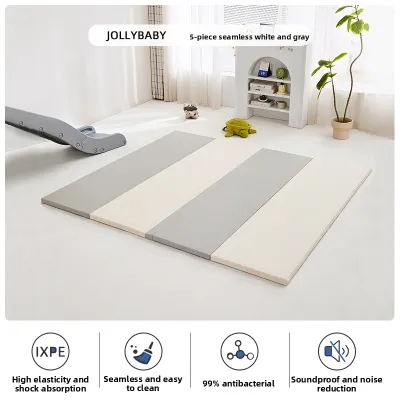
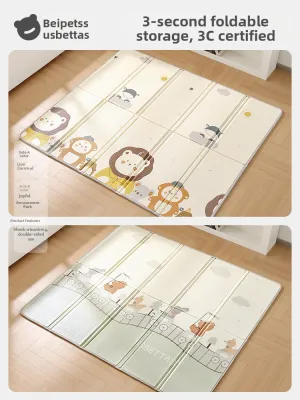
Folding panels, often referred to as accordion-style mats, are highly efficient for travel. These designs fold flat into neat rectangular shapes, making them easy to slide into stroller baskets, pack flat in car boots, or slide alongside luggage in a closet.
Products mentioned in this guide
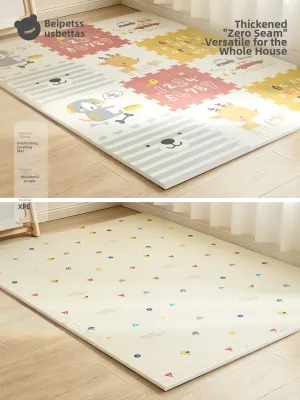
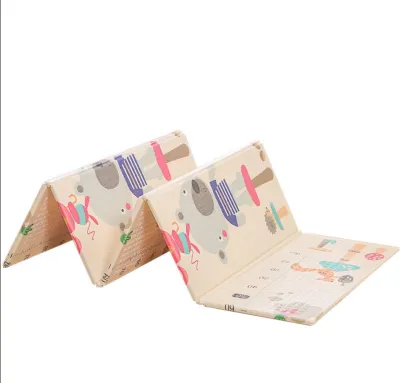
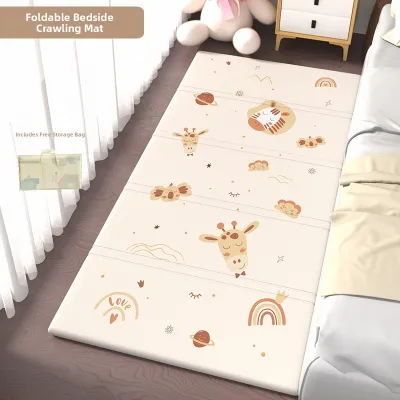
![[Buy 10 Free 2] 2.5cm Thick Interlocking Foam Floor Tiles 30x30cm EVA Foam Play Mats for Babies and Toddles Puzzle PlayMat](https://img.lazcdn.com/g/p/94a77a980b04e18d614dcbe5b227e5c1.jpg_400x400q80.jpg_.webp)
Prices are valid at publication and may change. Please refer to the product page for the latest price.
In contrast, rolling designs are typically rolled into a cylinder. While they provide a completely seamless surface without creases, they can be awkward to pack in tight spaces and may not fit easily inside standard stroller storage compartments.
Before purchasing, always check the product specifications for packed dimensions and overall weight. A travel-friendly mat should ideally weigh under two kilograms, allowing you to carry it effortlessly alongside diaper bags and strollers.
Look for mats that feature integrated carrying handles, built-in straps, or those that come with a dedicated travel bag. A durable travel bag protects the mat from dirt and damage during transit, keeping the play surface clean for your baby’s next use.
For parents navigating busy public transport networks or walking through crowded urban spaces, a compact mat that fits inside a standard backpack or hangs comfortably over a stroller handlebar is invaluable.
Material and Surface Checks: Handling Outdoor Elements
Outdoor environments present unique challenges, from damp grass in public gardens to sandy beaches and dusty park benches. The material of your baby playmat determines how well it handles these elements.

Water resistance is a non-negotiable feature for outdoor use. Look for mats with a waterproof or highly water-resistant top layer that prevents ground moisture from seeping through to your baby’s clothing.
A damp surface can quickly make a play session uncomfortable and cold. A reliable barrier ensures that even on morning grass in places like the Singapore Botanic Gardens or East Coast Park, the play area remains dry and comfortable.
The base of the mat requires careful inspection. Check the manufacturer’s descriptions for slip-resistant textures or specialized backing materials that keep the mat firmly in place on uneven surfaces like grass, sand, or smooth pavement.
A mat that slides easily can frustrate a crawling baby or pose a tripping hazard for toddlers. Textured backings help anchor the mat, providing a stable foundation for active play.
Whether you are setting up on a tiled condo balcony, a wooden deck, or the sandy shores of Sentosa, the underside of the mat must resist abrasions from rough surfaces.
Additionally, verify if the mat’s surface features UV-resistant properties to prevent fading and material degradation from sun exposure. The outer layer should also be non-porous, allowing you to wipe away spills, mud, or sunscreen with a simple damp cloth or baby wipe.
Cushioning and Dimensions: Balancing Comfort with Packing Size
Finding the right balance between protective cushioning and packed size is key to selecting a practical travel mat. While thicker mats offer more comfort, they also add bulk to your travel gear.
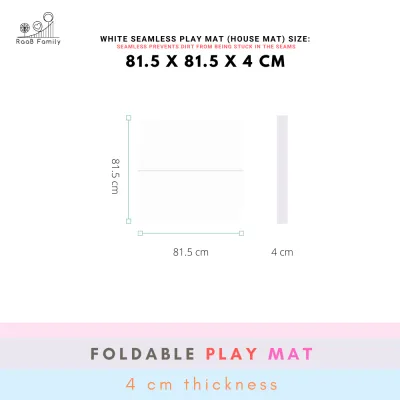
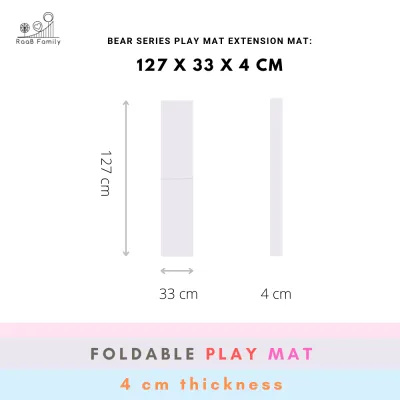
Evaluate the thickness specifications carefully. Standard travel mats typically range from 0.5 centimeters to 1.5 centimeters in thickness.
For hard outdoor surfaces like concrete patios, wooden decks, or packed dirt, a slightly thicker mat of around 1 centimeter is advisable to protect your baby during accidental tumbles.
To keep the mat lightweight and compact while maintaining adequate cushioning, look for high-density foam materials such as XPE (cross-linked polyethylene). High-density foam provides excellent shock absorption and impact protection without the heavy bulk of traditional rubber or low-density foam.
While EVA foam is common, XPE foam is often preferred for travel due to its superior lightweight properties and excellent closed-cell structure, which resists moisture absorption.
Consider the overall dimensions of the mat when fully unfolded. It should be large enough to accommodate your baby’s developmental milestones, such as rolling, tummy time, and crawling.
However, the unfolded footprint must also fit comfortably within common outdoor spaces, such as standard picnic spots, park lawns, or stroller footprints. A mat measuring roughly 140 centimeters by 140 centimeters often strikes a great balance for growing babies without overwhelming your outdoor setup.
Safety Labels and Post-Outing Maintenance
Safety remains the top priority for any baby product. Because babies spend significant time in direct contact with the playmat, verifying material safety standards is essential.
Locate and verify non-toxic material labels on the product packaging or the manufacturer’s official website. Look for certifications indicating the mat is free from harmful chemicals such as BPA, phthalates, PVC, lead, and formamide.
Since outdoor playmats are exposed to rougher handling, regular inspections are necessary. Before and after every outing, check the mat for signs of wear, tearing, or seam separation.
Damaged foam can become a choking hazard if a baby bites or tears off loose pieces. Promptly address any damage by following manufacturer guidelines or replacing the mat if the structural integrity is compromised.
Proper post-outing maintenance is crucial for hygiene and longevity. After a day at the park or beach, follow the manufacturer’s cleaning protocols, which usually involve wiping the surface with mild soap and warm water.
Avoid harsh chemical cleaners that can degrade the water-resistant coating or leave harmful residues. Always allow the mat to air-dry completely in a well-ventilated area before folding and storing it.
In warm, humid climates, storing a damp mat in a dark closet is a recipe for mold. Ensuring the mat is bone-dry before packing it away protects your baby’s respiratory health and prevents unpleasant odors.
Versatility: Transitioning from Outdoor Trips to Indoor Use
To maximize your investment, consider whether a travel-friendly baby playmat can transition into a primary or secondary indoor play space.
Many modern travel mats feature aesthetic designs, reversible patterns, and neutral colors that blend seamlessly with home decor. This allows you to use the mat in your living room or nursery without disrupting your home’s style.
Evaluate the long-term durability of the mat. While dedicated travel mats are lightweight, high-quality hybrid options are built to withstand both daily indoor play and occasional outdoor trips.
Weigh the cost-benefit of purchasing a single versatile hybrid mat, which may range from S$80 to S$150, against buying two separate mats—one cheap outdoor picnic mat and one premium indoor foam mat. A high-quality hybrid mat often saves both money and storage space.
For families living in compact apartments where storage space is at a premium, a dual-purpose mat eliminates the need to store multiple bulky items.
Frequently Asked Questions (FAQ)
Can I use a standard indoor foam playmat outdoors?
Using a standard indoor foam playmat outdoors is generally not recommended. Indoor mats often lack the necessary water-resistant backing, meaning moisture from damp grass can seep into the foam, leading to water damage and mold.
Furthermore, indoor mats are frequently made from more porous materials that easily trap dirt, sand, and outdoor debris. Cleaning these materials after outdoor exposure can be extremely difficult, compromising the hygiene of your baby’s play space.
How do I clean a playmat after a day at the beach or park?
Start by shaking the mat thoroughly to remove loose sand, dirt, or dry grass before packing it away. Once home, wipe down the entire surface using a soft cloth dampened with mild, baby-safe soap and water.
Avoid using abrasive brushes or harsh bleach, which can damage the protective outer layer. Finally, drape the mat over a drying rack or chair to air-dry completely in a shaded, well-ventilated area before folding it for long-term storage.
Community discussion
Share your experience or ask a question. Comments are reviewed before publication.