
Selecting the right baby grooming personal care kits is a foundational decision for infant hygiene and safety. New parents are often surprised by how quickly a newborn’s nails grow and how delicate their skin, scalp, and mucous membranes are. Standard adult grooming tools are entirely unsuited for infants, presenting real risks of cuts, infections, and physical discomfort. Evaluating a kit requires looking closely at tool ergonomics, material safety, and age-appropriateness to ensure every grooming session is safe and stress-free.
An effective grooming routine supports a baby’s physical comfort and prevents accidental self-scratching. However, because a baby’s physical needs change rapidly during the first year of life, a single kit may not serve every stage perfectly. Understanding what to look for in individual tools, verifying material safety standards, and identifying potential design flaws will help you choose a high-quality kit that fits your family’s daily routine.
Why You Need Specialized Tools for Infant Grooming
Infant physiology differs dramatically from that of adults, requiring highly specialized tools designed for delicate anatomical structures. A newborn’s skin is up to 30% thinner than adult skin, making it exceptionally sensitive to friction, pressure, and sharp edges. Their nails, while incredibly fast-growing, are soft, pliable, and closely attached to the underlying nail bed. Using adult nail clippers on these tiny, flexible nails is highly risky, as the wide, straight blades make it nearly impossible to see where the nail ends and the sensitive skin begins.
Products mentioned in this guide
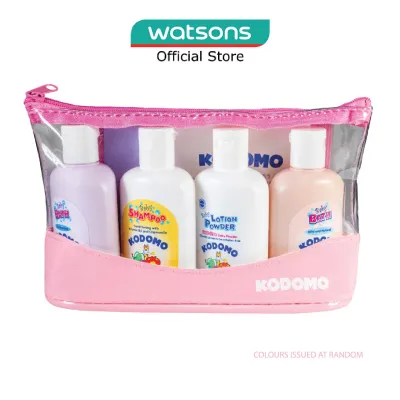
Prices are valid at publication and may change. Please refer to the product page for the latest price.
Repurposing adult grooming items poses significant injury and infection risks. Adult nail clippers can easily nick the skin, leading to bleeding and potential bacterial infections. Similarly, adult hairbrushes feature stiff bristles that can scratch a baby’s soft scalp, irritating the hair follicles and potentially worsening conditions like cradle cap. Adult cotton swabs are also too large and lack safety guards, posing a severe risk of eardrum damage if inserted too deeply.
Specialized infant grooming tools are engineered with scaled-down dimensions, safety guards, and ultra-soft materials to mitigate these risks. Safety scissors feature blunt, rounded tips to prevent accidental puncture wounds if the baby squirms. Brushes utilize ultra-soft bristles that gently massage the scalp without causing micro-abrasions. Investing in a dedicated baby grooming kit ensures you have access to tools designed specifically to protect your baby’s vulnerable skin and nails.
Essential Tools and Quality Indicators to Evaluate
When assessing different baby grooming personal care kits, it is helpful to evaluate the individual components to ensure they meet high safety and performance standards. A comprehensive kit should address nail care, hair and scalp care, and nasal and ear hygiene with specialized, high-quality instruments.

Nail Care (Clippers, Scissors, and Files)
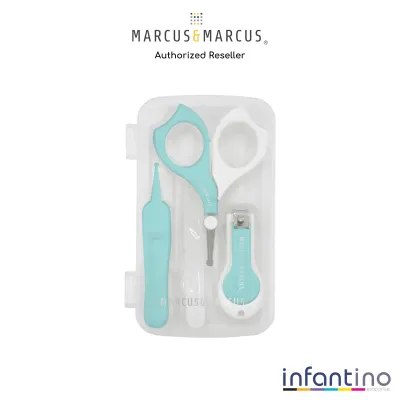
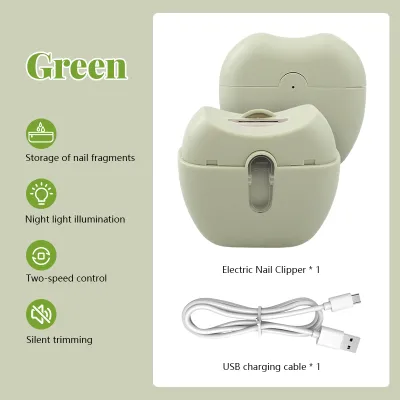
Nail care tools are the most frequently used and highest-risk items in any grooming kit. High-quality baby nail clippers should feature a curved cutting edge that mimics the natural shape of an infant’s fingernail. Look for clippers with an extra-wide, ergonomic handle or a textured grip, which gives parents maximum control and prevents the tool from slipping mid-cut. Some clippers include a built-in magnifying glass or an LED light to improve visibility, which can be highly beneficial when trimming nails while the baby is asleep.
Safety nail scissors offer an alternative to traditional clippers and are often preferred for newborns with paper-thin nails. These scissors must feature rounded, blunt tips to eliminate the risk of poking the baby’s skin. When shopping, physically check the scissors to ensure the blades are perfectly aligned and glide smoothly without catching. Flimsy or misaligned blades will tear the nail rather than cut it cleanly, leaving jagged edges that can cause self-scratching.
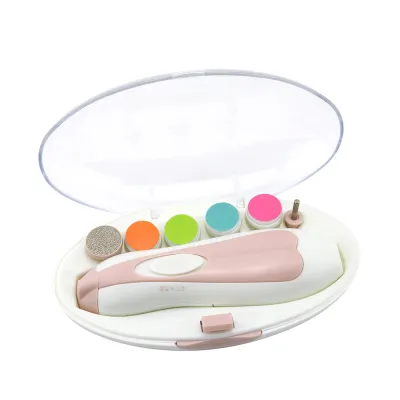
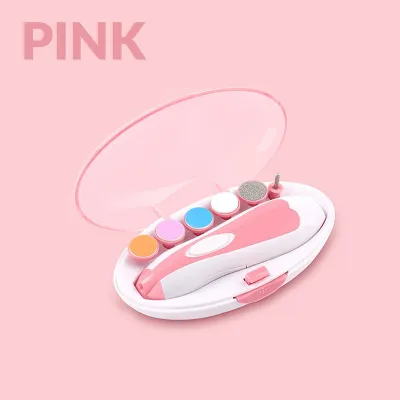
Electric baby nail files, or nail trimmers, use spinning cushioned sandpaper pads to gently file down sharp nail edges. These are highly effective for parents who are anxious about using blades near tiny fingers. When evaluating an electric file, verify that it includes color-coded pads designed for specific age ranges, as the abrasiveness must match the baby’s developing nail density. Check that the motor is quiet enough not to startle a sleeping baby, and test the spin speed on your own skin first to ensure it stops automatically when too much pressure is applied.
Hair and Scalp Care (Brushes and Combs)
An infant’s scalp is highly sensitive and requires gentle stimulation to promote healthy hair growth and manage dry skin. A high-quality baby brush should feature ultra-soft bristles made from natural goat hair or very fine synthetic fibers. Natural bristles are exceptionally soft and ideal for newborns, as they gently distribute natural scalp oils without causing irritation. Avoid stiff nylon bristles, which can scrape the delicate scalp and cause redness.
Infant combs must feature rounded, bulbous teeth that glide smoothly through fine hair without scratching the skin. The spacing of the teeth should be narrow enough to manage fine baby hair but wide enough to avoid pulling or snagging. Inspect the comb carefully to ensure there are no sharp plastic seams or manufacturing burrs along the teeth, as these can cause micro-cuts on the scalp.
Durability and safety are critical when evaluating hair care tools. Gently pull on the brush bristles before purchase to ensure they are securely anchored into the base. Loose bristles can shed easily, presenting a serious choking or inhalation hazard if they fall near the baby’s face. Additionally, choose brushes with ergonomic, easy-to-grip handles that allow you to maintain a steady hand while brushing a moving baby.
Nasal and Ear Care (Aspirators and Swabs)
Nasal congestion can severely impact a baby’s feeding and sleep, making a reliable nasal aspirator an essential component of any grooming kit. Traditional bulb syringes are common but can be incredibly difficult to clean and dry thoroughly inside, creating a high risk of internal mold and bacterial growth. If choosing a bulb syringe, ensure it is made of translucent silicone so you can visually inspect the interior for cleanliness.
Oral suction tube aspirators offer a more hygienic and controllable alternative. These devices utilize a soft silicone tip placed at the entrance of the baby’s nostril, with a tube leading to a mouthpiece where the parent provides gentle suction. A disposable or washable filter prevents any mucus transfer. When selecting a tube aspirator, verify that all parts are fully detachable and compatible with your preferred sanitizing method to prevent mold accumulation.
Ear care in infants should be limited to cleaning the outer ear only. Traditional cotton swabs must never be inserted into the baby’s ear canal, as they can push wax deeper or puncture the eardrum. Look for safety swabs designed specifically for infants, which feature a distinct flared bulb shape. This physical stopper prevents the swab from entering the ear canal, allowing you to safely clean the outer folds of the ear and around the nostrils.
Material Safety and Hygiene Standards to Verify
The materials used in baby grooming personal care kits must be completely safe, non-toxic, and easy to clean. Because these tools frequently come into contact with sensitive skin, mucous membranes, and occasionally the baby’s mouth, verifying material standards is a critical step in the selection process.
Plastics and Metals
Always inspect the packaging or product specifications to verify that all plastic components are certified free from bisphenol A (BPA), phthalates, and polyvinyl chloride (PVC). These chemical additives are commonly found in low-grade plastics but can leach out over time, especially when exposed to cleaning agents, warm water, or UV light. Since babies frequently grab grooming tools and place them in their mouths, choosing non-toxic, food-grade silicone and BPA-free plastics is essential.
For metal components, such as nail clipper blades and safety scissor blades, look for high-quality, medical-grade stainless steel. Stainless steel is highly durable, retains its sharpness longer, and is resistant to rust. In warm, humid environments like Singapore, low-grade metals can rust quickly after being washed, posing a direct infection risk if used on a baby’s skin. High-quality stainless steel can be easily sanitized with rubbing alcohol without degrading.
Storage and Hygiene
An organized, hygienic storage case is essential for keeping grooming tools clean and out of reach of children. The ideal carrying case should feature dedicated elastic loops or molded compartments for each tool, preventing items from rolling around and becoming damaged. Look for cases with built-in ventilation holes or breathable mesh panels, which allow residual moisture to escape and prevent mold growth on damp tools.
Security is another critical feature of the storage case. The closure mechanism—whether a heavy-duty zipper, a secure snap, or a latch—must be robust enough to prevent toddlers or older siblings from opening the case and accessing sharp tools like scissors or clippers. A compact, structured case also makes it easier to pack the kit in a diaper bag for outings or travel.
Cleaning Compatibility
Before purchasing a kit, review the manufacturer’s care instructions to understand how the tools must be cleaned. Some plastic and silicone items are dishwasher-safe or can withstand boiling water and steam sterilization, while others will warp, melt, or degrade when exposed to high heat. Never assume all plastics are heat-safe.
If a tool cannot be boiled or steamed, verify if it can be safely cleaned with warm, soapy water or wiped down with isopropyl alcohol. Tools that contact mucous membranes, such as nasal aspirators and finger toothbrushes, require thorough sanitization after every single use. If the manufacturer’s cleaning instructions are vague or suggest that the tools cannot be sanitized easily, it is best to look for an alternative kit.
Matching the Kit Configuration to Your Needs
Baby grooming personal care kits are available in several configurations, ranging from minimalist sets to massive all-in-one care packages. Choosing the right configuration depends on your lifestyle, what tools you already own, and whether you plan to travel frequently with your baby.
Basic Everyday Kits
Basic kits are minimalist, focusing strictly on the core essentials: nail clippers, safety scissors, a soft-bristle brush, and a comb. These kits typically contain three to five high-quality items and are ideal for parents who prefer a clutter-free home. They are also excellent if you have already purchased specialized standalone items, such as a high-end nasal aspirator or a precise digital thermometer, and simply need basic nail and hair care tools.
By focusing on fewer pieces, manufacturers of basic kits can often allocate more resources to the quality and durability of each individual tool. This means you are more likely to get robust stainless steel blades and premium natural bristles. In Singapore, basic kits generally range from S$15 to S$30, making them an affordable and practical option for many families.
Comprehensive Care Kits
Comprehensive kits are all-in-one packages that often contain 10 to 20 items, bundling grooming tools with basic baby healthcare items. In addition to nail and hair care tools, these kits may include finger toothbrushes, medicine droppers, nasal aspirators, digital thermometers, emergency contact cards, and teething toys. These kits offer great convenience for first-time parents who want to acquire all necessary care items in a single purchase.
However, parents should evaluate comprehensive kits critically before buying. To keep the overall price point accessible (typically S$35 to S$60), some manufacturers may compromise on the material quality and durability of the individual tools. You may find that the nail clippers are flimsy or the thermometer takes slow, inaccurate readings. Additionally, verify if the healthcare items, particularly thermometers, carry local safety and medical device registrations. If you already own separate, high-quality healthcare tools, a comprehensive kit may introduce unnecessary clutter.
Travel-Friendly Kits
Travel-friendly kits are designed specifically for portability and on-the-go use. These kits feature compact, impact-resistant hard-shell cases that protect delicate tools from being crushed or damaged inside a packed diaper bag. The tools themselves are often scaled down or feature multi-functional designs to save space, such as a comb that folds into its own handle.
When evaluating a travel kit, check the physical dimensions of the case to ensure it fits easily into your standard diaper bag compartments. Keep in mind that travel kits may intentionally omit bulkier items, such as large bulb aspirators, in favor of compact alternatives like nasal swabs or small oral aspirators. These kits are highly convenient for weekend trips, childcare visits, or keeping in the car for unexpected grooming needs.
Red Flags: Design Flaws to Avoid When Shopping
Not all baby grooming personal care kits are created equal. Being able to identify common design flaws and marketing gimmicks will help you avoid low-quality, potentially unsafe products.
- Unrounded Metal Edges: Carefully inspect the tips of safety scissors and the edges of metal nail files. If the tips of the scissors are pointed rather than completely rounded, or if the metal file has sharp, unfinished edges, they can easily scratch or puncture your baby's skin during a sudden movement.
- Flimsy Plastic Handles: Avoid tools with thin, flexible plastic handles that bend or flex under pressure. When trimming a baby's nails, you need absolute precision and a firm grip. A handle that bends or slips can cause you to misjudge the cut, resulting in a painful nick to the baby's finger.
- Loud, High-Vibration Motors: If you are considering a kit that includes an electric nail file, check user reviews specifically for noise and vibration levels. A loud motor or heavy vibration can terrify a newborn or wake a sleeping baby, defeating the purpose of a gentle, stress-free filing experience.
- Cheap Filler Items: Be wary of kits that advertise a very high piece count (e.g., "25-Piece Grooming Kit") at an incredibly low price. Manufacturers often pad these kits with cheap, non-grooming filler items like plastic toys, decorative stickers, or low-grade plastic combs to make the kit seem like a better value, while the essential tools themselves are of poor quality.
- Non-Detachable Nasal Aspirators: Avoid bulb syringes or nasal aspirators that cannot be fully disassembled for cleaning. If you cannot open the device to scrub and dry the interior, mold and bacteria will inevitably grow inside, creating an unsanitary tool that can introduce pathogens into your baby's nasal passages.
Frequently Asked Questions (FAQ)
How often should I sterilize the tools in a baby grooming kit?
You should always check the manufacturer’s care label and instructions before cleaning or sterilizing any grooming tools. Generally, metal nail clippers and safety scissors do not require boiling; instead, they should be wiped down thoroughly with rubbing alcohol after each use to sanitize the blades. Tools that contact mucous membranes or the mouth, such as nasal aspirators and silicone finger toothbrushes, must be washed in warm, soapy water and sanitized after every single use. Avoid boiling plastic or silicone items unless the packaging explicitly states they are heat-safe, as high temperatures can cause low-grade plastics to warp, crack, or degrade.
At what age can I start using an electric baby nail file?
Many electric baby nail files are designed and labeled for use from birth (0+ months). However, before using one on your newborn, you should assess your baby’s individual tolerance to the motor’s sound and vibration. It is highly recommended to test the device on your own skin first to gauge the pressure, speed, and friction level of the different filing pads. Always match the correct color-coded pad to your baby’s age and development stage, as using a pad that is too abrasive can irritate the delicate skin surrounding the nail bed. Supervise your baby closely during use, and stop immediately if they become highly distressed.
Can I use a baby grooming kit on a toddler?
While some tools in a baby grooming kit—such as soft-bristle brushes, combs, and nasal aspirators—remain highly useful as your child grows, nail care tools will eventually need to be replaced. As babies transition into toddlers, their nails become significantly thicker, harder, and more rigid. Infant safety scissors and low-abrasion electric file pads may no longer have the cutting capacity or strength required to trim toddler nails efficiently. When you notice that the infant tools are tearing or bending the nails rather than cutting them cleanly, it is time to transition to standard toddler nail clippers designed for thicker nails.
Community discussion
Share your experience or ask a question. Comments are reviewed before publication.