
Transitioning your baby to solid foods is an exciting milestone, but preparing safe, bite-sized portions can quickly become a time-consuming chore. A dedicated baby food scissor is a practical tool designed to quickly chop noodles, vegetables, and soft meats directly in your child’s serving bowl. To choose the right pair, you must prioritize food-safe materials, rounded safety tips, secure locking mechanisms, and easy-to-sanitize designs.
Whether you are dining out at a local hawker centre in Singapore or preparing home-cooked meals, having a reliable, hygienic tool ensures your child’s weaning journey remains safe and stress-free. Understanding the key differences in materials and design specifications will help you select a pair of scissors that fits your family’s daily routine.
Decoding Blade Materials: Ceramic vs. Stainless Steel
When evaluating baby food scissors, the blade material is your most critical decision. The two primary options on the market are zirconia ceramic and food-grade stainless steel, each offering distinct practical advantages and trade-offs.
Products mentioned in this guide
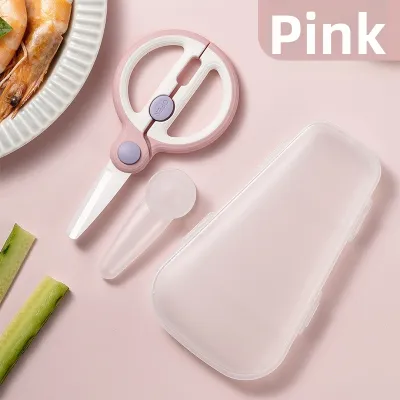
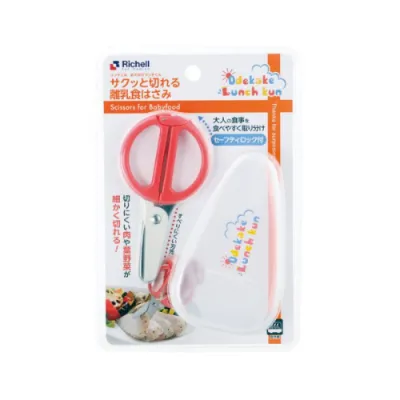
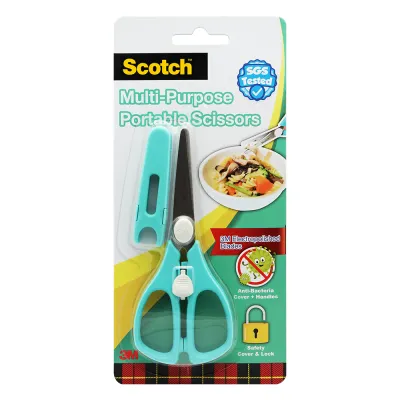
![[Kawaii Kiddy] Richell Baby Food Stainless Steel Scissors](https://img.lazcdn.com/g/p/7152271175affcae004c32a43a1c5e13.png_400x400q80.png_.webp)
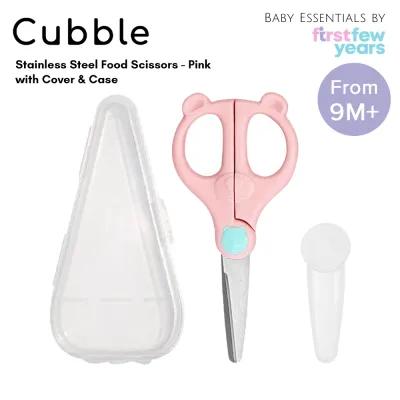
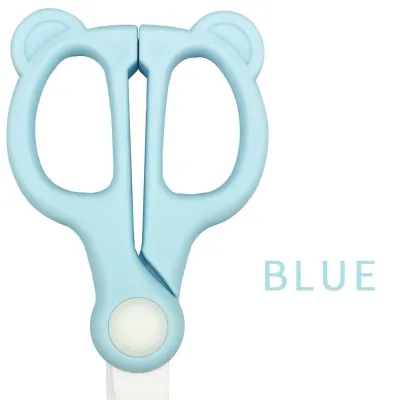
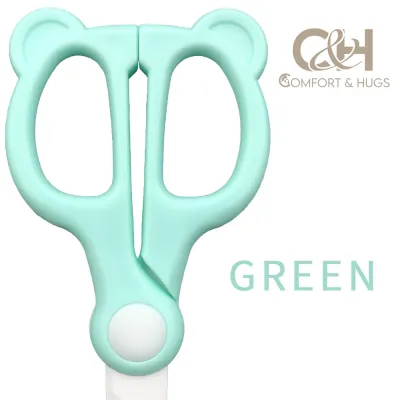
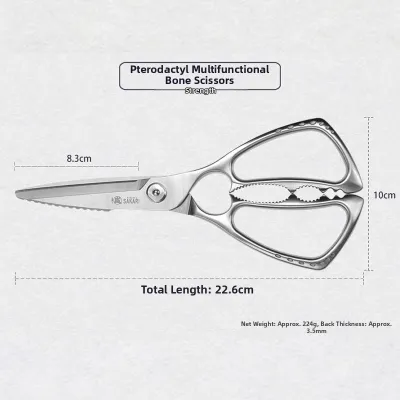
Prices are valid at publication and may change. Please refer to the product page for the latest price.
Zirconia ceramic blades are highly resistant to food acids, never rust, and maintain their cutting sharpness far longer than metal alternatives. However, ceramic is inherently brittle. Dropping ceramic scissors on hard kitchen tiles or attempting to cut through dense bones can cause the blades to chip or shatter, presenting a severe choking hazard. If you choose ceramic, you must handle them with care and regularly inspect the edges for any microscopic chips.
Stainless steel blades are exceptionally durable, impact-resistant, and virtually impossible to chip under normal kitchen conditions. This makes them a highly resilient choice for busy households. The primary trade-off is that even high-quality stainless steel can develop rust spots if left wet. To prevent corrosion, you must commit to washing and thoroughly hand-drying metal blades immediately after each use.
Beyond the blades, you must verify the safety of the handle materials, which are typically made of plastics like polypropylene (PP), ABS, or food-grade silicone. Because these scissors will frequently come into contact with your baby’s food, check the packaging or the manufacturer’s official specifications to confirm they are certified BPA-free.
Additionally, check the manufacturer’s maximum temperature rating for the handles. If you plan to sterilize the scissors in boiling water or a steam sterilizer, the plastic must be rated to withstand high heat without warping, degrading, or leaching chemicals.
Essential Design Specs for Safe Weaning
Not all scissors are engineered with a infant’s safety in mind. To protect both the caregiver and the child during meal preparation, look for specific physical design elements that enhance safety and usability.

Blade Tip and Edge Geometry
Standard kitchen shears feature sharp, pointed tips that can easily puncture diaper bags, scratch delicate baby tableware, or cause accidental puncture wounds. A dedicated baby food scissor should always feature rounded or blunt blade tips to eliminate these risks.
Additionally, look for blades designed with micro-serrated edges. Smooth blades often push slippery foods—such as flat rice noodles, skin-on grapes, or steamed broccoli—away from the pivot point rather than cutting them. Micro-serrations grip the food securely, allowing you to make clean, effortless cuts without squashing the meal into an unappealing paste.
Handle Ergonomics and Safety Locks
Preparing meals for a young child often involves working with wet or oily hands. Handles featuring non-slip materials, such as textured silicone or thermoplastic rubber (TPR), provide a secure grip and prevent the scissors from slipping during use.
A robust safety lock is another essential feature to verify. Whether it is a sliding switch or a physical latch, the lock must keep the blades firmly closed when stored. This prevents curious toddlers from opening the scissors if they are left within reach, and keeps the blades from splaying open inside a crowded diaper bag.
Protective Covers and Hygiene
A snug-fitting protective cover or sheath is a non-negotiable accessory for any portable baby food scissor. It prevents the blades from collecting lint, dust, and bacteria while stored in your bag, and protects your hands from accidental cuts when reaching inside.
However, a closed sheath can easily trap moisture, which is a major concern in Singapore’s humid climate. To prevent the growth of mold and mildew, look for protective covers designed with integrated drainage holes or ventilated slots that allow residual moisture to evaporate.
Overhyped Features and Specs You Can Skip
As you browse online marketplaces or baby boutiques, you will encounter various marketing claims designed to justify premium price tags. Many of these features add cost or complexity without offering real-world benefits.
Avoid paying extra for unverified “antibacterial” or “nano-silver” coatings on the blades or handles. These claims rarely cite recognized testing standards, and superficial coatings can wear off over time with regular washing, potentially ending up in your child’s food. Standard, thorough cleaning with mild dish soap and warm water is entirely sufficient to keep the scissors hygienic.
Another common trap is the overly complex, multi-piece detachable design. While scissors that completely disassemble are marketed as easier to clean, they often feature intricate interlocking hinges, tiny silicone gaskets, or deep internal crevices. If these pieces are not reassembled perfectly, they can trap food debris and harbor harmful bacteria. A simple, well-engineered joint that can be thoroughly scrubbed is often a safer and more reliable choice.
Lastly, steer clear of heavy, oversized, or highly decorative scissors. Bulky designs cause rapid hand fatigue during repetitive cutting tasks, and elaborate ornamental grooves create hard-to-reach pockets where food residue can hide.
Pre-Purchase Verification Checklist
Before purchasing a baby food scissor, use this quick checklist to verify its safety and functionality:
- Material Safety: Confirm the blades are either high-grade zirconia ceramic or food-grade stainless steel, and check that the handles are certified BPA-free.
- Blade Shape: Verify the tips are rounded and the edges feature micro-serrations for gripping slippery foods.
- Safety Features: Ensure there is a functional, child-resistant safety lock and a dedicated protective cover with ventilation or drainage holes.
- Care Instructions: Read the manufacturer's guidelines to confirm if the materials can withstand boiling water, steam sterilization, or dishwasher heat limits.
Frequently Asked Questions (FAQ)
Can I use regular kitchen scissors instead of baby food scissors?
Using standard kitchen shears for baby food preparation is not recommended due to cross-contamination risks. Kitchen shears are frequently used to prepare raw meats, poultry, and adult foods containing allergens or heavy spices. Even after washing, microscopic residues can persist. Additionally, standard kitchen scissors lack child-safe rounded tips, safety locks, and portable protective covers, making them unsafe to carry in a diaper bag or use directly at the dining table.
Are baby food scissors dishwasher safe?
You must always consult the manufacturer’s specific care instructions before placing baby food scissors in a dishwasher. High heat and harsh detergents can warp plastic handles, degrade silicone grips, or damage the tension springs over time. For ceramic blades, the intense water jets inside a dishwasher can cause them to knock against other utensils and chip. Hand washing with mild baby-safe dish soap and immediate towel-drying is the safest default method to preserve the scissors’ integrity.
Community discussion
Share your experience or ask a question. Comments are reviewed before publication.