
Setting up a nursery in Singapore requires balancing space efficiency, tropical humidity, and daily convenience. Among the most frequently used zones in any baby’s room is the diaper changing station, where you will spend countless hours over the first few years of your child’s life. Choosing the right combination of a supportive baby changing pad and a reliable protective pee pad is essential for keeping your little one comfortable and your furniture clean. A well-planned setup minimizes cleanup time, protects your nursery furniture from unexpected leaks, and ensures a stable surface for your baby during diaper changes.
When designing this space, parents must look beyond aesthetics to evaluate the structural integrity, material safety, and practical maintenance of these products. Singapore’s warm, humid climate introduces specific challenges, such as the risk of mold growth on damp fabrics and the need for highly breathable materials that do not irritate sensitive infant skin. By understanding what to look for in both the base changing pad and the protective top layers, you can create a hygienic, efficient, and comfortable environment that simplifies your daily routine.
Key Features to Evaluate in a Baby Changing Pad
The base changing pad serves as the primary support system for your baby during diaper changes, making its structural design and material composition highly critical. When evaluating different options on the market, material safety should be your foremost priority. Because your baby’s delicate skin may come into direct or indirect contact with the pad, it is essential to read product labels carefully to verify that the materials are free from harmful chemicals. Look for manufacturer certifications or labels indicating that the pad is non-toxic, phthalate-free, lead-free, and BPA-free. Since safety standards can vary globally, always check the specific product documentation to confirm which regulatory guidelines the manufacturer has met.
Products mentioned in this guide
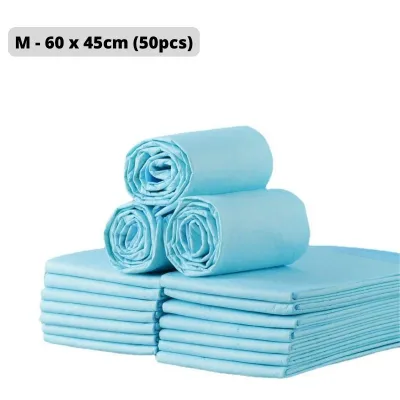
![[3 for $9.90] Waterproof Reusable Baby Diaper Changing Mats 50x70cm Pads For Nappy Change Sleep Travel Friendly](https://img.lazcdn.com/g/p/45fe80dd4dd5a3c3d9dd3dfc78ab64af.png_400x400q80.png_.webp)

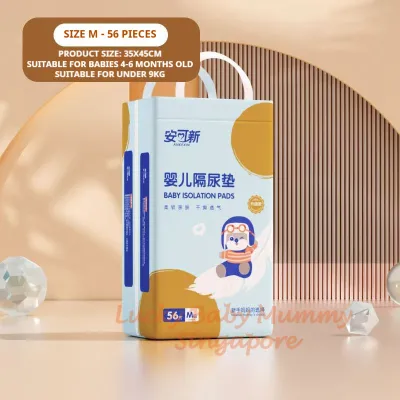
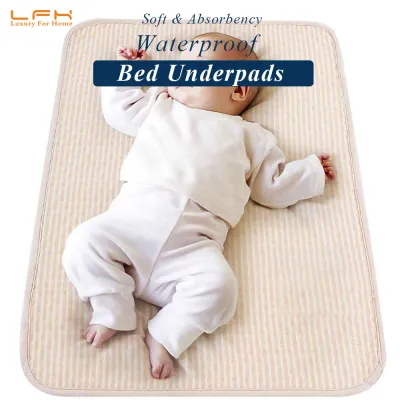
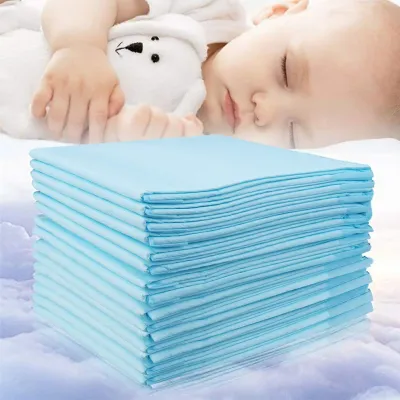
![[SG Seller]Disposable Sheet/baby changing pad/Underpads/maternity pad/diaper changing pad/Pet pad/diaper changing pad](https://img.lazcdn.com/g/p/1e18d5044cc6a8981a574358039de40b.png_400x400q80.png_.webp)
Prices are valid at publication and may change. Please refer to the product page for the latest price.
Beyond chemical safety, the surface texture of the base pad dictates how easily you can manage daily messes. A wipeable, water-resistant outer cover is highly practical, as it allows you to sanitize the surface instantly with a gentle baby wipe or a damp cloth after a diaper change. Some pads feature integrated polyurethane or vinyl covers, while others utilize specialized water-resistant coatings. While fabric-covered base pads offer a softer initial feel, they typically require a separate removable cover that must be laundered frequently, which can increase your daily chore load. If you opt for a wipeable surface, ensure the material does not feel excessively cold or sticky against your baby’s skin, as this can cause discomfort during late-night changes.
Cushioning and structural support are equally vital for your baby’s comfort and safety. A high-quality changing pad should feature firm, high-density foam that supports your baby’s weight without sagging or bottoming out against the hard surface of the changing table. Soft, plush pads might seem comfortable initially, but they often fail to provide the necessary resistance to keep an active baby stable. Over time, low-density foam can degrade, leading to permanent indentations that compromise the pad’s safety and support. Press down firmly on the pad before purchasing to assess its resilience; it should quickly spring back to its original shape once pressure is released.
Selecting a Waterproof Pee Pad for Baby
While the base changing pad provides structural support, a waterproof pee pad for baby acts as the sacrificial layer that catches unexpected spills, leaks, and sprays. One of the first decisions you will face is choosing between washable and disposable pee pads. Washable fabric pads are highly favored by many families in Singapore due to their long-term cost savings and reduced environmental footprint. These reusable options can be tossed directly into the washing machine, making them a sustainable choice for daily use. On the other hand, disposable pee pads offer unmatched convenience, especially during travel, outdoor outings, or periods when laundry cycles are delayed. However, relying solely on disposables can accumulate significant ongoing costs and contribute to household waste, so many parents find that a hybrid approach works best.

The effectiveness of any pee pad relies heavily on the quality of its waterproof backing. When shopping, look for pads that utilize a Thermoplastic Polyurethane (TPU) barrier or a similar high-quality waterproof laminate on the underside. TPU is highly effective at preventing liquids from seeping through to the base changing pad, yet it remains flexible and quiet, avoiding the loud crinkling noises associated with cheaper PVC backings. A reliable waterproof barrier ensures that even major diaper blowouts do not penetrate the underlying foam pad, preserving the hygiene of your nursery furniture and reducing the need for deep cleaning.
In Singapore’s tropical climate, breathability and skin sensitivity are crucial factors when selecting the top layer of a pee pad. Babies have highly sensitive skin that is prone to heat rash and irritation when trapped against non-breathable synthetic materials. Opt for top-layer fabrics made from natural fibers, such as organic cotton or bamboo-derived rayon, which are naturally soft, highly absorbent, and gentle on delicate skin. These materials help minimize heat retention, keeping your baby cool and comfortable during changes. Avoid heavily synthetic top sheets that trap moisture and heat, as the combination of sweat and friction can quickly lead to skin irritation or diaper rash.
Ensuring Size Compatibility with Your Changing Table
A changing pad that does not fit your changing table securely poses a significant safety hazard, making precise measurements a non-negotiable step in your nursery setup. Before purchasing any pad, use a measuring tape to determine the exact interior dimensions of your changing table or dresser topper. Many changing tables feature raised wooden safety barriers or contoured frames designed to keep the pad in place. You must measure the flat interior surface area within these barriers, rather than the outer edges of the furniture. A pad that is too large will bunch up or sit unevenly, creating an unstable surface, while a pad that is too small may slide around during use, increasing the risk of falls.
The shape of the pad also plays a major role in how it fits your furniture and supports your baby. Contoured changing pads, which typically feature two or three raised sides, are designed to help keep your baby centered and prevent them from rolling off the edges. These pads are highly recommended for active babies, but they require a flat, stable surface that matches their specific footprint. If your changing table has a shallow frame, a contoured pad with high sides can provide an extra layer of security. Conversely, flat changing pads are highly versatile and can fit a wider variety of dressers and portable changing stations, but they offer less physical containment, requiring closer supervision and careful placement.
Additionally, you must verify the alignment of safety straps and attachment hardware. Most high-quality changing pads come equipped with security straps on the underside that must be anchored directly to the back of your changing table or dresser. Check that your furniture has corresponding pre-drilled holes, slots, or anchor points that align with these straps. If you are using a separate protective cover or a pee pad on top, ensure it does not block access to these safety straps or the restraint belt used to secure your baby. Never bypass these safety features, as they are critical for preventing the pad from shifting when your baby wiggles or rolls.
Safety Checks and Daily Maintenance
Maintaining a clean and safe changing station requires regular inspections and a consistent cleaning routine. Over time, even the most durable changing pads and pee pads will show signs of wear and tear. Periodically inspect the base pad for any cracks in the waterproof outer layer, peeling seams, or areas where the inner foam has begun to degrade or lose its firmness. Damaged waterproof coatings can allow moisture to penetrate the inner foam, creating a breeding ground for bacteria that is impossible to clean. If you notice any tears, exposed foam, or persistent odors that do not fade after cleaning, it is time to replace the pad immediately to protect your baby’s health.
When cleaning your changing station, always follow the manufacturer’s specific care labels to avoid damaging the protective coatings. For wipeable base pads, use mild, baby-safe detergents or specialized sanitizing wipes that do not contain harsh chemicals like bleach or alcohol, which can dry out and crack the waterproof material. For washable pee pads, wash them in cold or warm water with a gentle, fragrance-free detergent to preserve the integrity of the waterproof TPU backing. Avoid using fabric softeners, as they can leave a residue that reduces the absorbency of the top fabric layer over time.
In Singapore’s highly humid environment, mold and mildew prevention must be a top priority. Damp fabrics left in poorly ventilated areas can develop mold spores within a matter of hours. After washing reusable pee pads, ensure they are completely dry before folding them or placing them back on the changing table. Line drying in a well-ventilated area or using a low-heat dryer setting (if permitted by the manufacturer) is highly effective. If your nursery is prone to humidity, consider using a dehumidifier in the room and avoid leaving damp clothes or wet wipes sitting on the changing pad surface for extended periods.
Frequently Asked Questions (FAQ)
Can I use a regular bed protector instead of a specific pee pad for baby?
While a standard adult bed protector or general waterproof sheet may seem like a cost-effective alternative, they are generally not recommended for a baby changing station. Baby-specific pee pads are sized precisely to fit the dimensions of changing tables and contoured pads, preventing excess fabric from bunching up and creating a suffocation or tripping hazard. Furthermore, infant-specific products are subject to stricter material safety standards, ensuring they are free from harmful chemicals, phthalates, and flame retardants. Baby pee pads also frequently feature non-slip backings designed to keep the pad firmly in place on a changing surface, whereas general bed protectors may slide easily, compromising safety during active diaper changes.
How many washable pee pads should I buy for the changing table?
For most families in Singapore, having a stash of four to six washable pee pads is ideal for maintaining a smooth daily routine. This quantity accounts for multiple diaper changes per day, unexpected leaks, and the typical turnaround time for laundry. On an average day, you may go through two or three pads due to minor spills or sudden sprays during changes. Having a minimum of four pads ensures that while one is in use and two are in the wash or drying, you still have clean spares ready to go. If you do not run your washing machine daily or face slow drying times during the monsoon season, increasing your inventory to six or eight pads can provide extra peace of mind.
Do contoured changing pads require a special shaped pee pad?
Contoured changing pads do not necessarily require a specially shaped, contoured pee pad, but the protective layer you choose must be flexible enough to conform to the pad’s curves. Standard rectangular pee pads made from soft, pliable fabrics can easily drape over the contoured ridges without bunching up or sliding. When placing a flat pee pad over a contoured base, ensure that it lies flat against the center sleeping surface where your baby rests. Avoid using stiff, rigid waterproof pads that resist bending, as they can create gaps, slide around, or flatten the protective raised edges of your contoured changing pad, reducing its effectiveness in preventing rolls.

Community discussion
Share your experience or ask a question. Comments are reviewed before publication.