
Selecting the right baby bottle organizer is not just about finding a tray that fits your kitchen counter; it is about matching the physical properties of your chosen bottles to the structural design of the organizer. Glass, polyphenylsulfone (PPSU), and standard plastic (polypropylene) bottles each have distinct weights, surface textures, and vulnerabilities that dictate how they must be supported, spaced, and dried. A mismatch can lead to tipped-over glass bottles, scratched plastic surfaces, or trapped moisture that encourages mold growth. By evaluating the physical footprint, prong strength, and ventilation of an organizer against your specific bottle inventory, you can establish a safe, hygienic, and highly efficient feeding station.
Material-Specific Requirements for Bottle Organizers
The foundational support and spacing needs of your feeding station are dictated directly by the materials of the bottles you use daily. Heavy glass requires robust structural integrity, while lightweight plastics demand optimized airflow to dry efficiently without scuffing. When selecting an organizer, you must assess how its physical layout handles these material differences to maintain a hygienic environment.
Before purchasing any organizing system, check the manufacturer’s documentation for weight limits and structural specifications. An organizer designed solely for lightweight plastic components may sag, tilt, or fail when loaded with multiple heavy glass bottles. Furthermore, the spacing between prongs or slots must allow adequate air circulation, preventing different materials from touching and trapping moisture in tight gaps.
Products mentioned in this guide
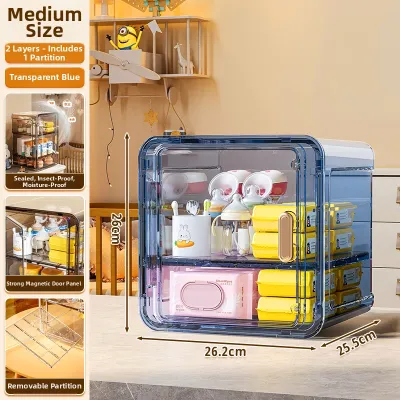
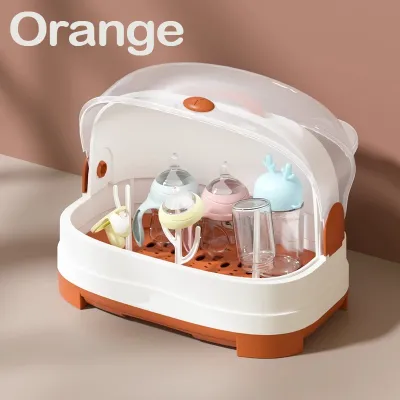
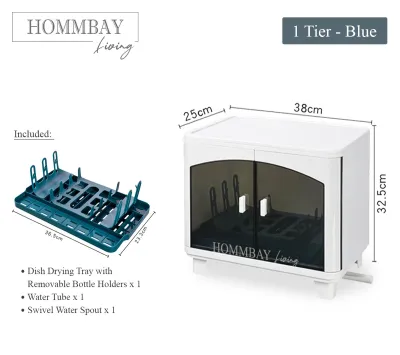
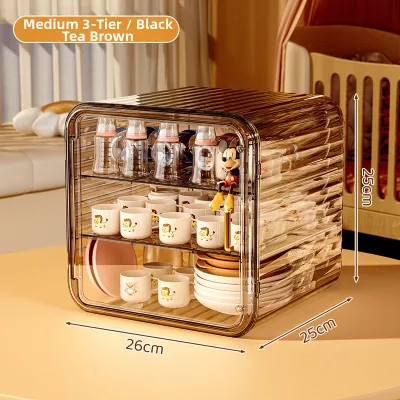
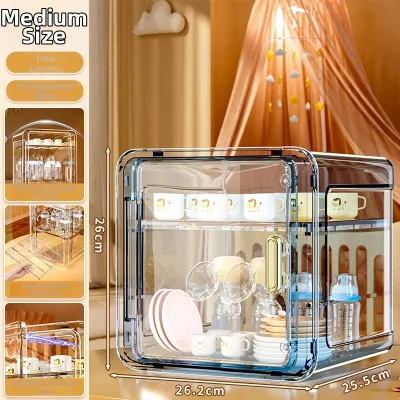
Prices are valid at publication and may change. Please refer to the product page for the latest price.
Supporting Heavy and Fragile Glass Bottles
Glass baby bottles are favored by many parents for their durability and chemical inertness, but their substantial weight and fragility present unique storage challenges. A standard glass bottle can weigh three to four times more than its plastic counterpart, especially when dealing with larger capacities. Consequently, any organizer housing glass must feature a heavily weighted base, a wide footprint, or integrated suction cups to prevent the entire unit from tipping over when fully loaded.
The prongs, pegs, or dividers themselves must possess exceptional structural rigidity. Look for organizers with thick, reinforced support structures that will not bend or warp under a heavy load. To protect the glass from impact damage, prioritize organizers that feature soft-touch elastomeric tips or silicone-coated prongs. These protective barriers cushion the bottle necks during placement and removal, significantly reducing the risk of chipping or cracking.
Always verify the organizer’s maximum load capacity against the total weight of your glass bottle collection. If you plan to dry or store six to eight large glass bottles simultaneously, calculate their combined weight and compare it to the manufacturer’s structural guidelines. Placing heavy glass on flimsy, unreinforced plastic pegs can lead to sudden structural failure, resulting in broken glassware and potential safety hazards in the kitchen.
Accommodating PPSU and Lightweight Plastic Bottles
Polyphenylsulfone (PPSU) and standard polypropylene plastic bottles are highly durable and lightweight, but they require specific organizational considerations to maintain their integrity. Because these materials are prone to surface scratching, the organizer must provide generous spacing between prongs. When bottles are crowded too closely together, their outer walls can rub against one another, creating micro-scratches that can harbor bacteria over time.
While PPSU is exceptionally heat-resistant and durable, lightweight plastic bottles are easily displaced by minor kitchen drafts or accidental bumps if they are not held securely. The organizer should feature stable, upright prongs that keep the bottles perfectly vertical. This vertical alignment is crucial for ensuring that water droplets drain completely downward, preventing pools of stagnant water from collecting inside the bottle shoulders or bases.
Examine the organizer’s construction closely to ensure that all plastic edges, seams, and prongs are smooth and free from sharp manufacturing burrs. Rough plastic edges on a cheap drying rack can easily scuff and dull the finish of your bottles during daily use. Choosing an organizer with rounded, polished contact points preserves the clarity and cleanliness of your plastic and PPSU feeding gear.
Matching Organizer Features to Bottle Brands and Shapes
Baby bottle designs vary widely across different brands, ranging from ultra-wide-neck options to narrow, contoured shapes. An organizer that works perfectly for a standard narrow-neck bottle may fail completely when tasked with holding wide-neck or ergonomically curved models. To avoid compatibility issues, you must verify that the organizer’s physical dimensions and prong configurations match the specific geometry of your preferred bottle brand.

Wide-neck bottles require wider spacing between prongs to prevent the bottles from overlapping and blocking airflow. If the pegs are positioned too closely together, you may find yourself forced to skip every other peg, effectively halving the organizer’s storage capacity. Measure the outer diameter of your widest bottle and compare it to the distance between the organizer’s prongs to ensure a comfortable fit without crowding.
Top-heavy or uniquely shaped bottles, such as those with angled necks or wide, bulbous bases, alter the center of gravity when placed on a drying rack. For these designs, look for organizers with adjustable prongs or flexible layouts that allow you to customize the spacing. A stable organizer with a low center of gravity and a broad base footprint is essential to counteract the uneven weight distribution of uniquely shaped bottles.
Always consult your specific bottle brand’s care instructions and user manual before finalizing your storage setup. Some manufacturers recommend specific drying orientations or warn against storing bottles in enclosed spaces before they are completely dry. Matching these proprietary recommendations with the physical capabilities of your organizer ensures the longevity of your feeding equipment and maintains the highest standards of hygiene.
Comparing Organizer Formats for Daily Use and Travel
Selecting the right physical format for your bottle organizer depends on your daily washing routine, kitchen space, and lifestyle. The three primary formats—open drying racks, enclosed storage bins, and padded travel cases—each serve distinct purposes and offer unique advantages. Understanding these differences allows you to choose the system that best fits your household’s workflow.
Open drying racks are the most efficient option for high-volume, daily washing routines. These systems maximize airflow, allowing wet bottles to dry rapidly through natural evaporation. When evaluating open racks, look for models with deep, removable water drainage trays that collect runoff and keep your countertops dry. The ease of access provided by open racks makes them ideal for busy parents who need to grab and assemble bottles quickly throughout the day.
Enclosed storage bins are designed to keep clean, dry bottles protected from airborne dust, pet hair, and kitchen grease. These bins are particularly useful for batch prepping or storing bottles that are not in immediate use. When choosing an enclosed bin, ensure it features built-in ventilation holes to prevent residual moisture from becoming trapped inside, which can lead to musty odors. Look for models with secure lids and stackable designs to save valuable counter or cabinet space.
Padded travel cases are essential for transporting glass or multiple plastic bottles safely when you are away from home. These cases provide vital impact protection, preventing fragile glass bottles from clinking together and breaking during transit. Look for travel organizers with secure zippered closures, water-resistant linings, and dedicated, elasticized compartments that keep bottles, nipples, and collar rings separated and upright while traveling.
To simplify your choice, consider how your daily routine aligns with these formats. If your primary goal is rapid drying after frequent washings, an open drying rack is the most practical choice. If you prefer to wash bottles in large batches and store them long-term, an enclosed storage bin offers the best protection. For weekend trips or daycare drop-offs, a padded travel case is indispensable for keeping your feeding gear organized and intact.
Your Final Selection Checklist
Before purchasing a baby bottle organizer, run through this practical checklist to ensure the product fits seamlessly into your home and lifestyle. Taking a few minutes to verify these physical details will prevent the inconvenience of returning an incompatible item.
- Measure Your Space: Measure the exact counter, cabinet, or shelf space where you plan to place the organizer. Ensure its footprint does not obstruct other essential kitchen or nursery tasks, and check that there is sufficient vertical clearance for your tallest bottles when they are mounted on the rack.
- Evaluate Maintenance Requirements: Check the manufacturer's cleaning instructions for the organizer itself. Prioritize models with dishwasher-safe components or easily removable drainage trays, as these features make it much easier to prevent mold and mineral buildup over time.
- Verify Return Policies: Because bottle shapes and prong flexibilities can vary, choose a retailer with a flexible return policy. This allows you to physically test the organizer with your specific bottle brand and material before committing to it.
- Apply the Core Decision Rule: When in doubt, let your bottle material guide your choice. Prioritize base stability, heavy-duty construction, and non-slip features if your inventory consists primarily of glass. If you use PPSU or plastic, prioritize generous prong spacing, smooth edges, and maximum airflow.
Frequently Asked Questions (FAQ)
Can I use the same organizer for both glass and plastic bottles?
Yes, you can use a single organizer for a mixed collection of glass and plastic bottles, provided the unit meets specific structural criteria. The organizer must have a sufficiently high weight capacity to support the glass bottles without sagging, and the base must be stable enough to prevent tipping. To maintain balance, always place the heavier glass bottles on the center prongs or closest to the base, and use the outer, lighter prongs for your plastic and PPSU bottles.
How do I prevent mold on my bottle drying rack?
Preventing mold requires consistent daily maintenance and proper airflow. Empty and rinse the water drainage tray every day to prevent standing water from accumulating. Once a week, wash the entire organizer with warm, soapy water or run it through the dishwasher if the manufacturer’s instructions permit. Allow all components of the organizer to dry completely before reassembling them, and avoid placing the rack in dark, unventilated corners of your kitchen.
Do I need a separate organizer for bottle nipples and rings?
While not strictly mandatory, having dedicated space for small parts is highly recommended. Small items like nipples, collar rings, valves, and pacifiers can easily slip through standard bottle prongs or get lost in large storage bins. Look for bottle organizers that include built-in small-parts baskets, or use a separate, designated drying basket to keep these small components contained, clean, and elevated off the drainage tray.

Community discussion
Share your experience or ask a question. Comments are reviewed before publication.