
Ensuring the safety of the products you apply to your child’s skin is a top priority for any parent. In Singapore, children’s bath products like kids’ body wash are regulated as cosmetic products, meaning they must be notified to the Health Sciences Authority (HSA) before they can be legally sold. Verifying this notification status and learning how to spot counterfeit packaging are the most reliable ways to protect your child from unregulated, potentially harmful ingredients.
Parents can verify a kids’ body wash by checking its notification status on the official HSA public database, inspecting the packaging for physical anomalies, and purchasing only from authorized retail channels.
Why Regulatory Compliance Matters for Kids Body Wash
The Health Sciences Authority (HSA) plays a vital role in safeguarding public health in Singapore by regulating cosmetic products, including kids’ body wash. Before any cosmetic product is placed on the local market, the company responsible for importing or manufacturing it must submit a product notification to the HSA. This process ensures that the authority has a record of the product’s ingredients and the local company responsible for its safety.
Products mentioned in this guide
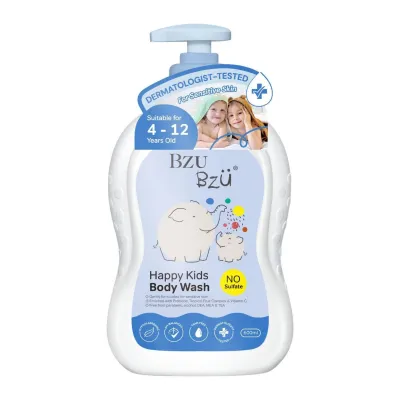
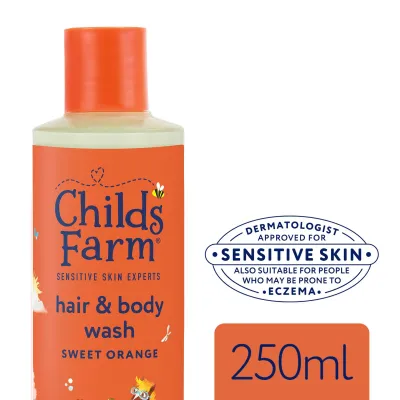
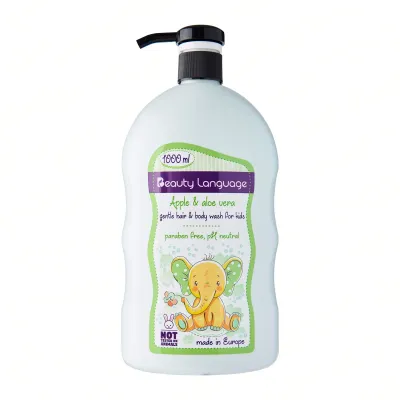
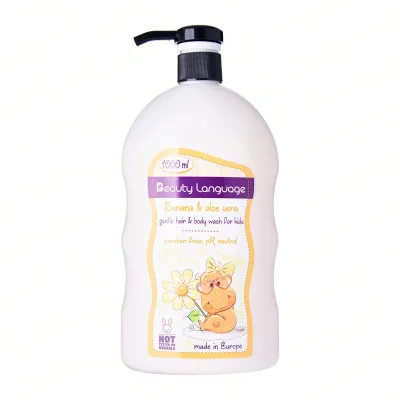
Prices are valid at publication and may change. Please refer to the product page for the latest price.
Unregulated or counterfeit body washes pose significant risks to pediatric skin, which is thinner and more sensitive than adult skin. Counterfeit products may contain banned substances, heavy metal contaminants, or incorrect pH levels that can trigger severe allergic reactions, chemical burns, or long-term skin irritation. Because children frequently splash bath water or put soapy hands near their eyes and mouth, using an unverified product increases the risk of accidental ingestion or mucosal irritation.
Verifying that a product has a valid HSA notification is a critical safety step before the very first bath. It confirms that the local distributor has declared the formulation to the regulatory body, providing accountability if any adverse reactions occur. Relying solely on attractive packaging or vague “natural” claims is never enough to guarantee that a product is safe for your child’s daily routine.
Visual and Physical Checks for Authentic Packaging
Spotting a counterfeit kids’ body wash often begins with a close physical inspection of the bottle and its labels. Genuine manufacturers invest heavily in high-quality packaging, so any signs of poor print quality, blurry text, or misaligned labels should immediately raise suspicion. Carefully read the text on the back of the bottle; spelling mistakes, grammatical errors, or unusual fonts are common hallmarks of counterfeit operations.

Next, examine the batch numbers, manufacturing dates, and expiry dates printed on the container. On authentic products, these details are typically laser-printed or stamped clearly onto the bottle or the bottom of the tube, making them difficult to smudge or scratch off. If these numbers are missing, look faded, or appear to be printed on a separate sticker that can be easily peeled away, the product’s authenticity is highly questionable.
The physical characteristics of the liquid itself can also reveal a fake. Authentic kids’ body washes maintain strict consistency in texture, scent, and color across different batches. If the liquid feels unusually watery, has a strong chemical or artificial perfume smell, or shows separation of ingredients, do not use it. Compare these sensory details to a bottle you have previously purchased from a trusted physical store if possible.
Finally, inspect the structural integrity of the container and its dispensing mechanism. Genuine products feature secure, tamper-evident seals or shrink-wrap around the cap to prevent contamination during transit. The pump or flip-top cap should operate smoothly without leaking or requiring excessive force. Flimsy plastic, loose caps, or pumps that fail to lock properly often indicate cheap, non-standard packaging used by counterfeiters.
Verifying Regulatory Compliance and HSA Notification Status
While physical checks are helpful, the most definitive way to confirm a product’s legitimacy is by verifying its regulatory status. In Singapore, notified cosmetic products do not always display an HSA notification number directly on the label, as it is not a mandatory labeling requirement. However, the local distributor or importer should be able to provide this number upon request, which typically follows a specific regulatory format.
To verify the product, you can search the official HSA public database online. Navigate to the Health Sciences Authority website and access the Class II Cosmetic Product Notification database. By entering the product’s exact brand name, variant, or the importer’s name, you can instantly check if a valid notification exists. If the search yields no results under the exact name, the product may not be legally registered for sale in Singapore.
It is important to understand the distinction between notified cosmetics and registered therapeutic products. Kids’ body washes are classified as cosmetics, meaning they undergo a notification process rather than a pre-market evaluation or approval by the HSA. This means the HSA does not “certify” or “approve” the product’s efficacy; rather, the notification indicates that the importer has declared the product and assumed full responsibility for its safety compliance.
Be highly skeptical of QR codes printed on product packaging that claim to verify HSA compliance. Counterfeiters frequently print custom QR codes that, when scanned, redirect users to fake verification websites designed to look like official government portals or marketing pages. Always bypass these codes and manually navigate to the official government website (.gov.sg domain) to perform your search securely.
Evaluating Purchase Channels and Seller Credibility
Where you buy your kids’ body wash is just as important as the product itself. Purchasing directly from official brand stores, established local pharmacies, or major supermarkets minimizes the risk of encountering counterfeits. These reputable retailers have direct supply chains with authorized distributors, ensuring that every bottle on their shelves has gone through the proper regulatory channels.
When shopping on online marketplaces or ecommerce platforms, the risk of buying unregulated products increases significantly. Look closely at the seller’s profile and watch for red flags such as extremely low prices that seem too good to be true. Be wary of listings that use urgent language like “clearance stock” or “limited parallel import” to justify deep discounts, as these are common tactics used to liquidate counterfeit or expired goods quickly.
Before purchasing from an independent reseller, do not hesitate to ask for proof of purchase or local distributor details. Legitimate sellers who source their stock ethically should be able to provide invoices or authorization letters from the official brand distributor in Singapore. If a seller is evasive, refuses to share sourcing information, or claims the details are confidential, it is safer to take your business elsewhere.
Additionally, understand the limitations of buyer protection policies on online platforms, especially for cross-border shipments. While many platforms offer refunds for counterfeit items, proving a product is fake can be a lengthy and difficult process once the package has been opened. Furthermore, cross-border sellers may operate outside local jurisdiction, making it nearly impossible to hold them accountable if your child experiences an adverse reaction to an unregulated product.
What to Do If You Suspect a Counterfeit Product
If you suspect that a kids’ body wash you purchased is counterfeit or unregulated, the first and most crucial step is to stop using it immediately. Do not attempt to test the product on your child’s skin to “see if it works.” If your child has already used the product, monitor their skin closely for signs of redness, itching, swelling, or dry patches, and consult a pediatrician immediately if any adverse symptoms develop.
Next, document everything to build a clear record of the issue. Take high-resolution photographs of the product from all angles, focusing on the blurry text, misaligned labels, batch numbers, and the liquid’s consistency. Keep the original packaging, the shipping box, and any physical receipts or digital order confirmations, as these will serve as essential evidence for your dispute.
Contact the seller or the ecommerce platform where you made the purchase to report the issue and initiate a dispute. Provide the photographic evidence you gathered and request a full refund based on the suspicion of counterfeit goods. Most major online marketplaces have dedicated channels for reporting counterfeit listings and will take action to suspend suspicious storefronts to protect other consumers.
Finally, report the suspected counterfeit or unregistered product to the HSA. You can submit a report through the official HSA feedback channels, providing details about where you purchased the item and the importer’s information if available. Reporting these incidents helps regulatory authorities monitor the market, conduct investigations, and remove hazardous products from circulation, keeping the wider community safe.
Frequently Asked Questions (FAQ)
Can I rely solely on a QR code on the bottle to verify HSA notification?
No, you should never rely solely on a QR code printed on a product bottle. Counterfeiters can easily generate QR codes that link to sophisticated, fake verification websites designed to mimic official databases or brand pages. To ensure complete accuracy, always bypass the printed QR code and manually search for the product name or importer on the official HSA public database website.
Are imported kids body wash products required to have HSA notification?
Yes, all cosmetic products sold in Singapore, including imported kids’ body washes, must be notified to the HSA before they can be legally supplied to the public. This rule applies to both official imports and parallel imports. When buying imported products, check the packaging for a label indicating the name and address of the local company responsible for importing and distributing the product.
What should I look for on the ingredient list of a genuine kids body wash?
On a genuine kids’ body wash, the ingredient list must be clearly legible and printed in descending order of weight. Look for standard international nomenclature (INCI names) and check that the ingredients match the official formulation listed on the brand’s global website. Be alert to any missing allergen declarations or the presence of restricted preservatives, and ensure there are no spelling errors in the chemical names.

Community discussion
Share your experience or ask a question. Comments are reviewed before publication.